There's a quiet strength to some films, a resonance that deepens with time, far removed from the bombast that often filled multiplexes and video store shelves in the late 90s. Smoke Signals (1998) is one such film. It arrived not with explosions, but with the gentle, persistent rhythm of a story that needed to be told, carrying the weight of generations and the lightness of unexpected humor. Watching it again now, decades removed from its Sundance triumphs and its significant arrival on VHS, feels less like revisiting a movie and more like catching up with an old, wise friend.
### A Journey Beyond Miles
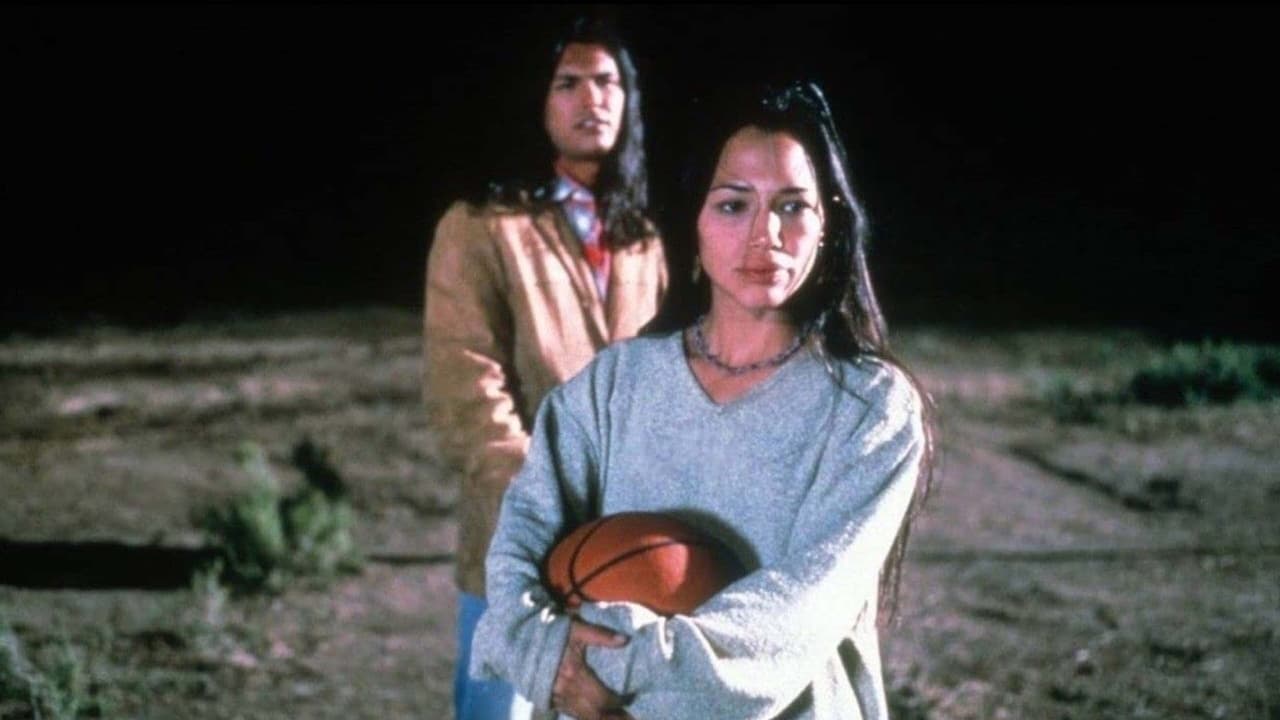
The setup is deceptively simple: a road trip. Victor Joseph (Adam Beach), a young man on the Coeur d'Alene Reservation in Idaho, learns of the death of his estranged father, Arnold (Gary Farmer), in Phoenix, Arizona. Stoic, simmering with resentment, and broke, Victor’s journey to collect his father's ashes seems impossible until the quirky, endlessly storytelling Thomas Builds-the-Fire (Evan Adams) offers the necessary funds, on the condition he accompanies Victor. What unfolds is far more than a physical journey; it's a profound exploration of identity, forgiveness, memory, and what it means to be Indigenous in contemporary America, told with a voice rarely heard in mainstream cinema at the time.
### Two Sides of the Same Story
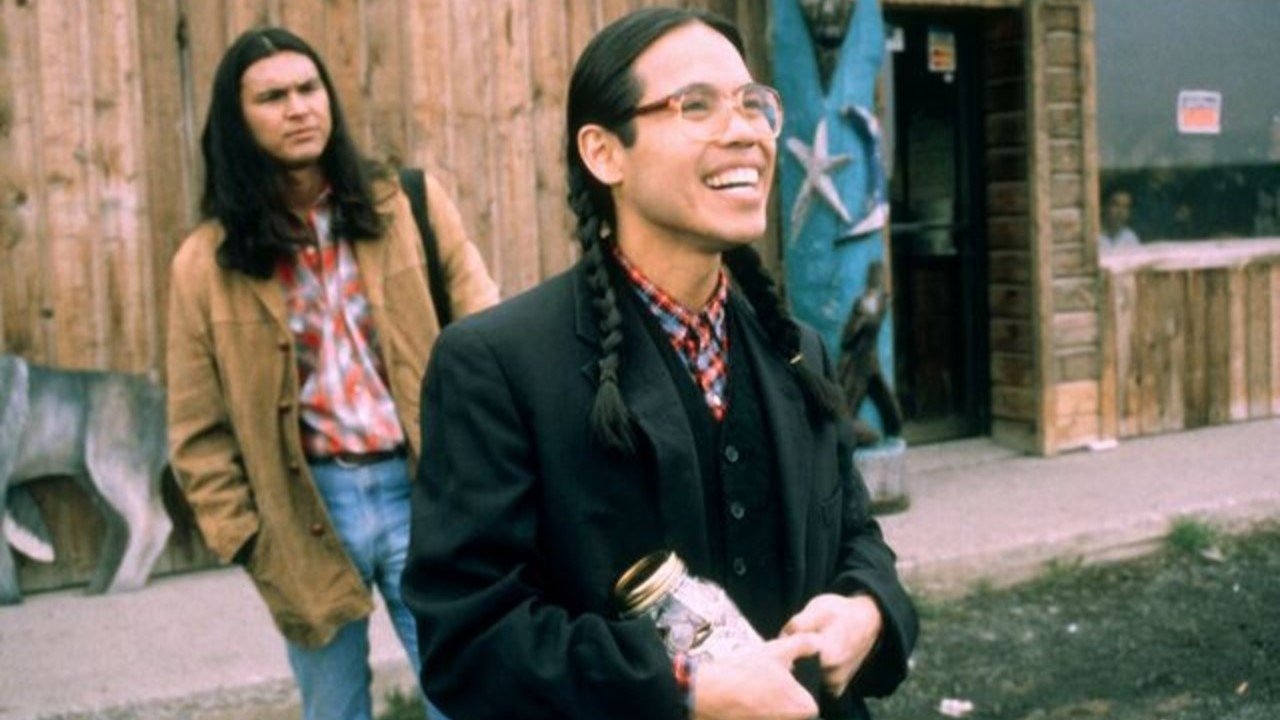
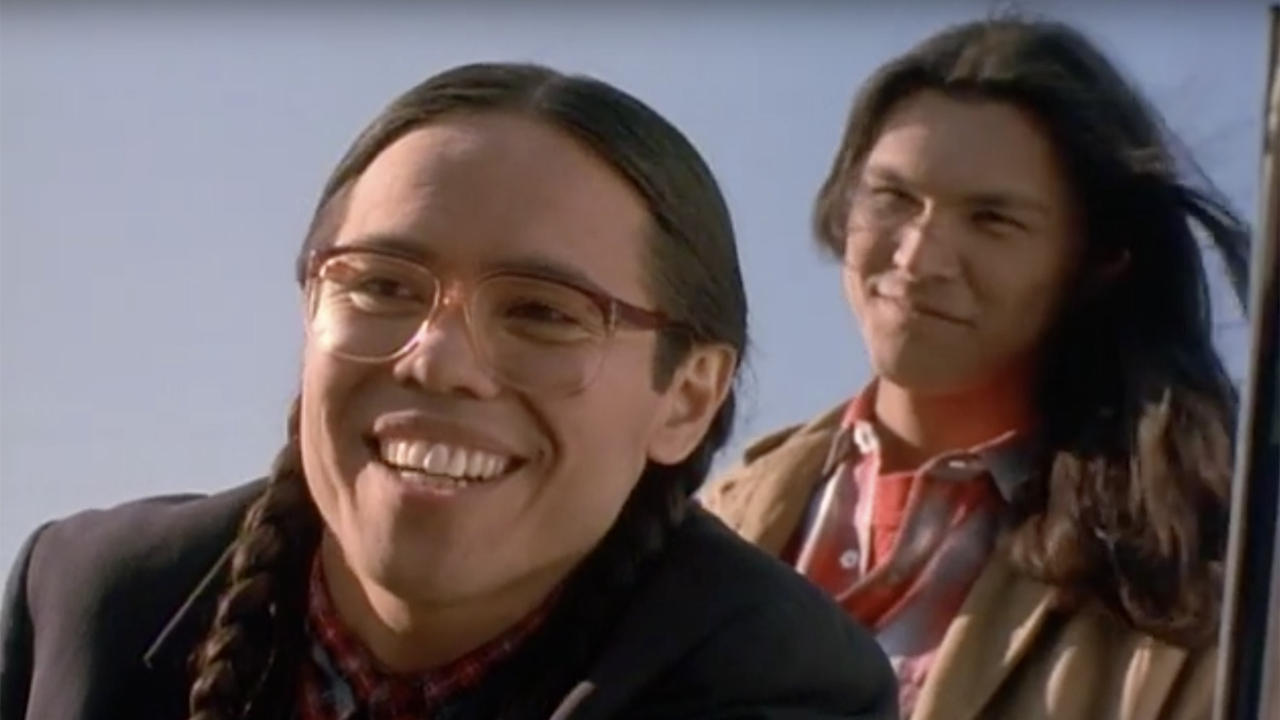
The heart of Smoke Signals beats within the dynamic between Victor and Thomas. Adam Beach, who many might recognize from later roles in films like Flags of Our Fathers (2006) or Windtalkers (2002), embodies Victor's tightly coiled anger and pain. It’s a performance built on guarded glances and simmering silence, revealing layers of hurt beneath a carefully constructed stoic facade. He's the picture of a young man wrestling with the legacy of abandonment and the complexities of inherited trauma.
Contrast this with Evan Adams as Thomas, the reservation's resident storyteller, often mocked but possessing a deep, almost mystical understanding of his community's history and interconnectedness. Adams plays Thomas not as a caricature, but with a gentle earnestness and resilience. His stories, often fantastical and seemingly tangential, are lifelines – ways of processing pain, preserving memory, and finding meaning. Thomas's iconic line, "How do we forgive our fathers? Maybe in a dream," cuts right to the film's soul. The chemistry between Beach and Adams is magnetic; their friction and eventual, tentative understanding form the emotional core around which everything else orbits. Their interactions feel utterly authentic, capturing the complex push-and-pull of friendships forged in shared, difficult circumstances.
### Laughter Through Tears
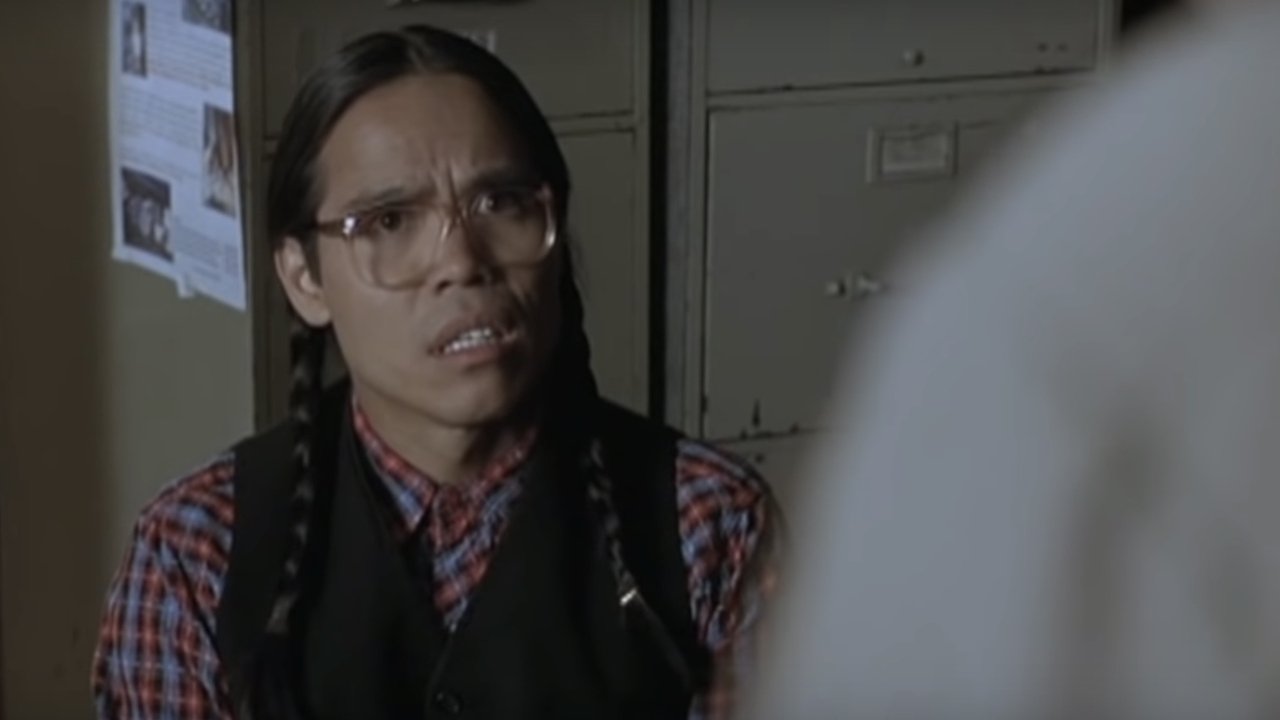
What truly elevates Smoke Signals is its masterful blend of humor and pathos, a signature of writer Sherman Alexie, adapting his own stories from The Lone Ranger and Tonto Fistfight in Heaven. The film confronts painful realities – poverty, alcoholism, cultural loss, damaging stereotypes – but does so with bracing wit and unexpected laughter. Think of the scene where Victor coaches Thomas on how to act like a "real Indian" (stoic, mean) to navigate the white world, only to have it hilariously backfire. Or Thomas’s deadpan delivery about John Wayne’s teeth – "Are they plastic? Are they steel?" This isn't humor that trivializes; it's humor as a survival mechanism, a way of speaking truth to power and reclaiming narrative control. Alexie himself even makes a wry cameo appearance.
This unique tone felt revolutionary back in 1998. Here was a film about contemporary Native American life, written, directed (Chris Eyre), and largely performed by Indigenous people, that refused to be solely defined by tragedy. It showcased resilience, love, and yes, sharp, self-aware comedy. It felt real.
### Behind the Signals
The film’s journey mirrored its characters' in some ways. Made on a shoestring budget (around $2 million), its success wasn't guaranteed. Filming primarily on the actual Coeur d'Alene Reservation lent an invaluable authenticity, grounding the sometimes mythic quality of Thomas's tales. Its wins at the 1998 Sundance Film Festival (Audience Award and Filmmakers Trophy) were crucial, signaling to distributors like Miramax that there was an audience hungry for these stories. While its initial box office ($6.7 million) might seem modest today, it was a significant achievement for such a personal, independent film and helped pave the way for more diverse voices in American cinema. It proved that films deeply rooted in specific cultural experiences could possess universal resonance. Finding this gem on the video store shelf felt like discovering a secret handshake, a quiet acknowledgment of experiences often overlooked by Hollywood.
The direction by Chris Eyre is unobtrusive yet effective, letting the characters and Alexie's sharp dialogue breathe. He captures both the beauty and the limitations of reservation life, contrasting the expansive landscapes with the intimate, sometimes claustrophobic, spaces the characters inhabit. The soundtrack, too, deserves mention, weaving together traditional sounds with contemporary Native artists like Jim Boyd, perfectly complementing the film's blend of past and present.
### Lingering Embers
Smoke Signals doesn't offer easy answers. The reconciliation Victor seeks with his father is complex, fraught, and ultimately internal. The film doesn't shy away from the messiness of grief or the difficulty of breaking cycles of pain. What lingers most powerfully is the relationship between Victor and Thomas – two young men finding their way, learning to carry their histories, and perhaps, discovering how to tell their own stories. Doesn't their struggle to understand their heritage while forging their own paths echo challenges many of us face, regardless of background?
It’s a film that invites reflection long after the credits roll, prompting questions about family, forgiveness, and the stories we tell ourselves to survive. It remains a vital piece of 90s independent cinema, a landmark achievement in Native American filmmaking, and simply, a damn good movie.
Rating: 9/10
This score reflects the film's groundbreaking representation, the powerful performances from Adam Beach and Evan Adams, Sherman Alexie's brilliant script balancing humor and heartbreak, and its lasting cultural significance. It tells a deeply specific story with universal emotional truth, executed with authenticity and heart.
Final Thought: Smoke Signals feels just as relevant today, a poignant reminder that sometimes the longest journeys are the ones we take within ourselves, and the quietest voices often carry the most profound truths.