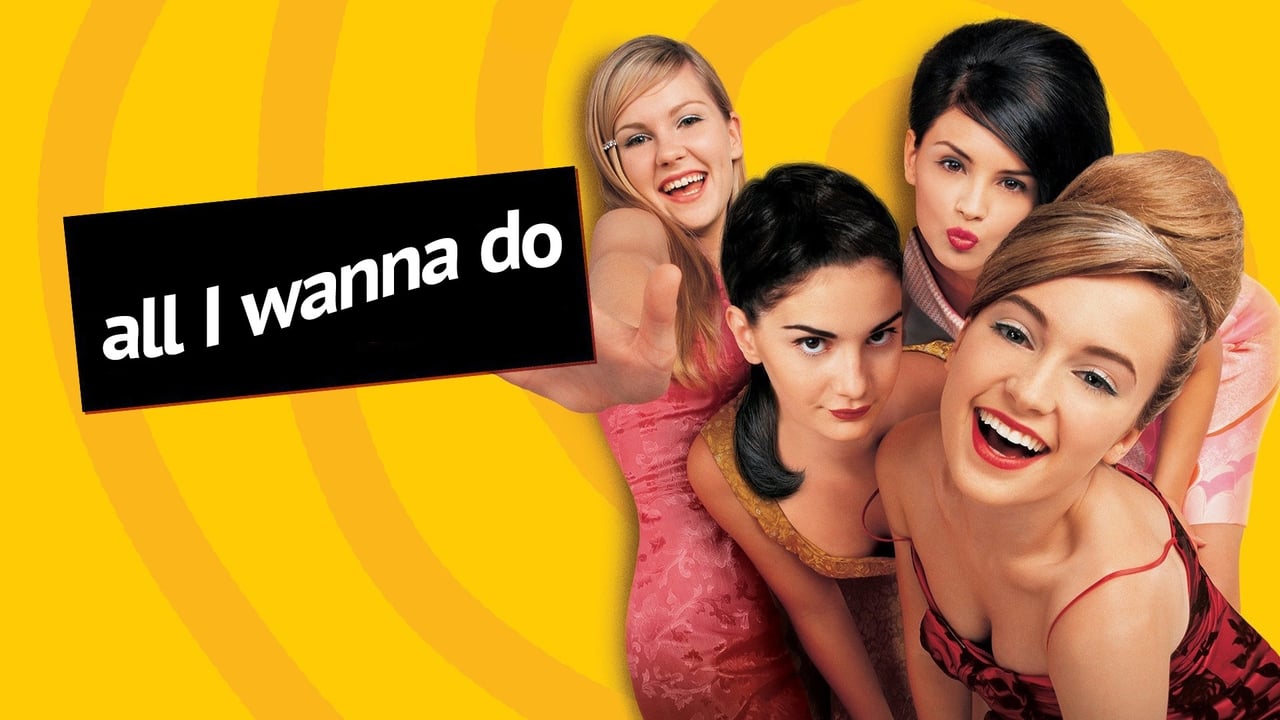
It's curious how some films, despite boasting sharp writing and a stellar young cast, seem to slip through the cracks of cinematic memory, only to be rediscovered later on a dusty VHS tape or a late-night cable slot. Such is the case with 1998's Strike! – a film whose journey to viewers was almost as unconventional as the rebellious students it portrays. You might have rented it under its slightly more provocative original title, The Hairy Bird, or its American moniker, All I Wanna Do. Whatever the cover art said, peeling back the label reveals a surprisingly smart and spirited teen comedy with a defiant feminist heart beating beneath its boarding school blazer.
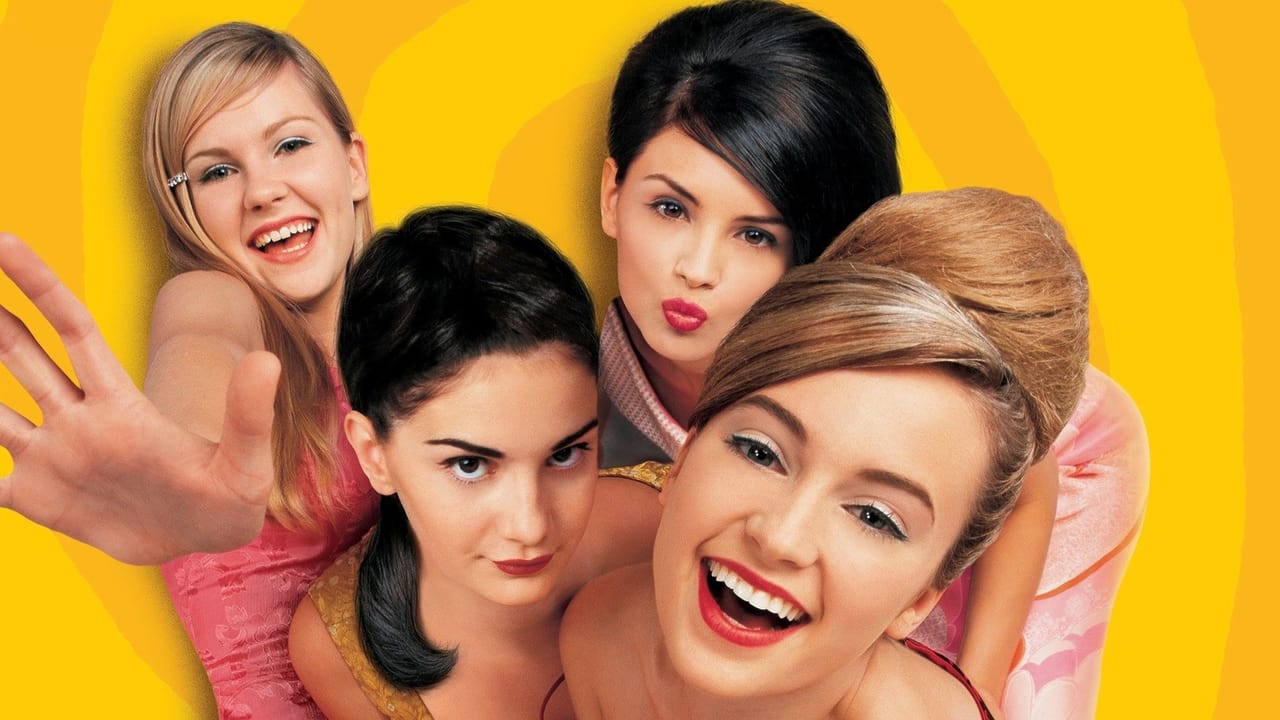
Setting the Stage: Miss Godard's Finishing School, 1963
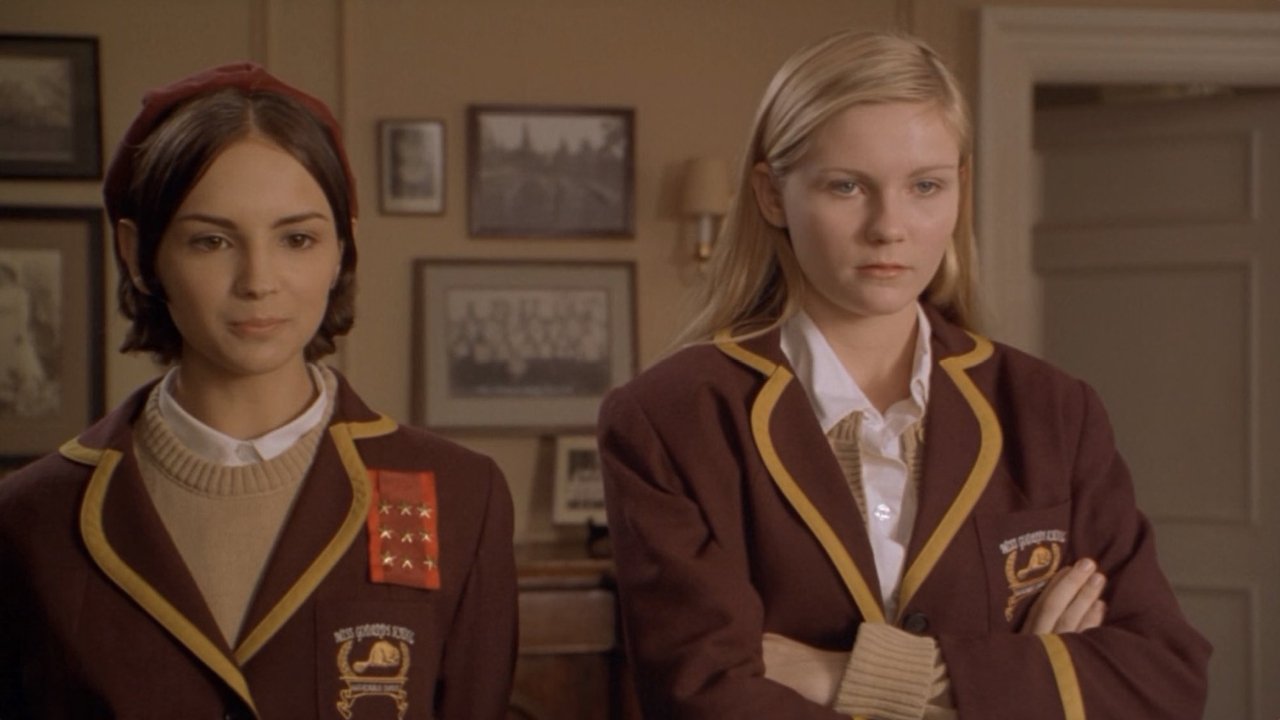
The film transports us to the seemingly idyllic grounds of Miss Godard's School for Girls in the fall of 1963. The air is thick with the traditions of an all-female institution, but also tinged with the nascent energy of impending social change bubbling just beyond the campus walls. Director and writer Sarah Kernochan, who interestingly enough holds two Academy Awards for documentary filmmaking (Marjoe, Thoth), brings a keen observational eye to this environment. She establishes a world both familiar in its high school dynamics – cliques, crushes, anxieties – and specific in its pre-feminist wave setting, where "finishing" often meant preparing for marriage, not necessarily a career. Into this world arrives Odette "Odie" Sinclair (Gaby Hoffmann), a bright but cynical new student dumped there by her parents. It’s through her eyes that we navigate the school's ecosystem and meet the core group of rebellious friends known affectionately (and secretly) as the D.A.R., or Daughters of the American Ravioli.
The Spark of Rebellion
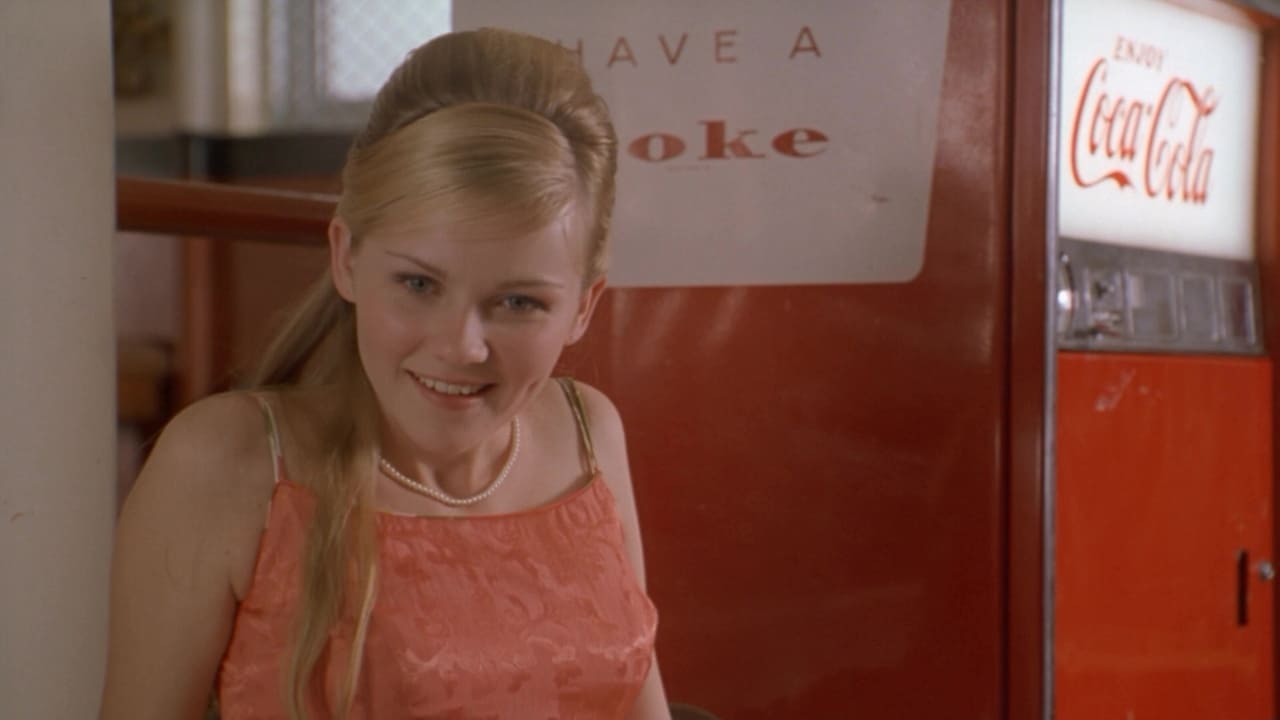
Leading the D.A.R. is the effortlessly charismatic Verena von Stefan (Kirsten Dunst, already showing the screen presence that would define her career after hits like Interview with the Vampire (1994) and Jumanji (1995)). Alongside her are the politically minded Tinka Parker (Monica Keena), the boy-crazy Theresa "Tweety" Goldberg (Rachael Leigh Cook), and the insightful Momo (Merritt Wever in an early role). Their camaraderie feels authentic, a believable tapestry of shared secrets, inside jokes, and fierce loyalty. Gaby Hoffmann, who many of us remembered from films like Field of Dreams (1989) and Now and Then (1995), perfectly embodies Odie’s initial detachment melting into reluctant engagement.
The central conflict ignites when the girls uncover a secret plan by the school's board of trustees – heavily influenced by the pompous Mr. Dewey (Vincent Kartheiser) – to merge Miss Godard's with a nearby boys' academy. This isn't presented as progress, but as a betrayal, a decision made for them, not by them, threatening their sanctuary and autonomy. What follows isn't just teenage angst; it's a cleverly orchestrated campaign of sabotage and protest. The film finds genuine humor and tension in their schemes, but it never loses sight of the underlying principle: their right to have a say in their own future. It poses a question that resonates far beyond the ivy-covered walls: when faced with decisions stripping away your agency, how far do you go to resist?
More Than Just Teen Antics
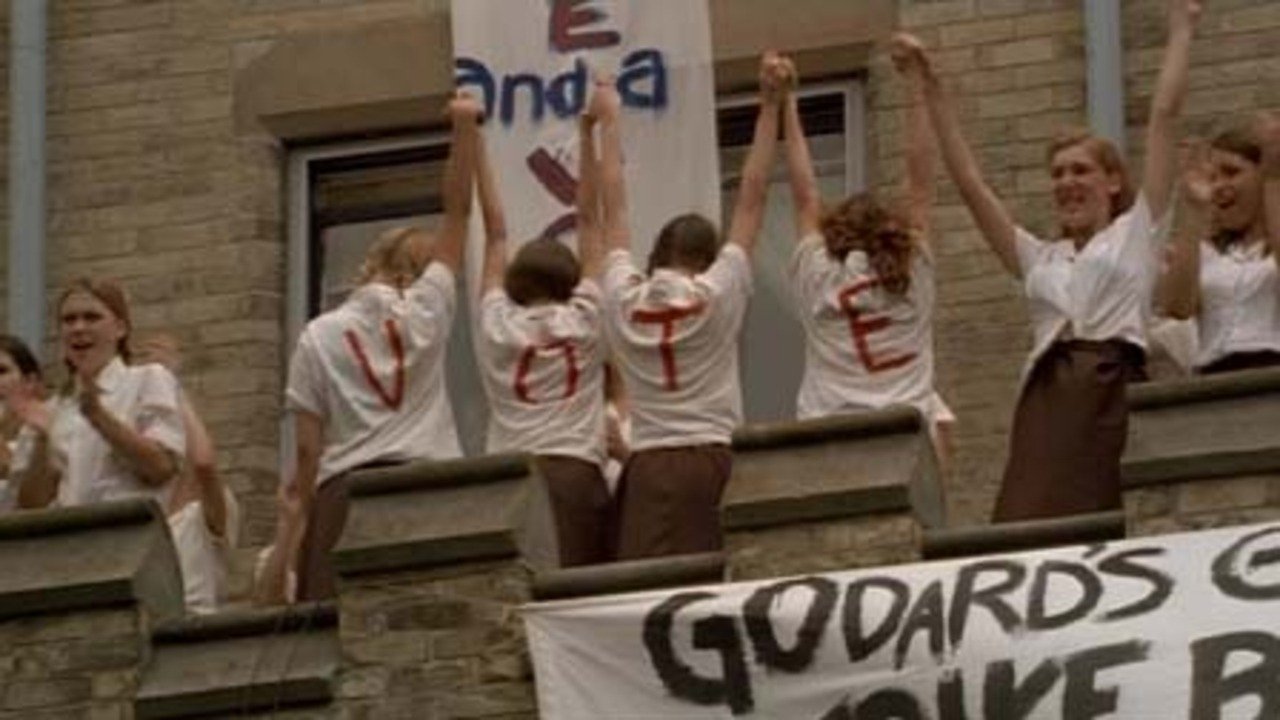
What elevates Strike! beyond standard teen fare is its unapologetic embrace of feminist themes. It tackles issues of sexism, institutional power, and the importance of female solidarity with a surprising directness for a late-90s comedy aimed at a young audience. The girls aren't just fighting co-education; they're fighting the assumption that their institution, their space, is inherently lesser and needs male integration to be legitimized. The presence of the formidable Headmistress, played with wonderful complexity by the late, great Lynn Redgrave, adds another layer. She’s caught between her affection for the girls, the traditions of the school, and the pressures from the board, embodying the difficult compromises women in leadership often faced.
The film's journey itself reflects some of the hurdles films about female experiences sometimes encounter. Originally titled The Hairy Bird (a nickname for a male statue central to the plot), distributors reportedly balked, leading to the more generic All I Wanna Do for its limited US theatrical run under Miramax, who acquired it after positive festival buzz. It ultimately found a wider audience, and perhaps its most fitting title, Strike!, through home video releases in various territories. This tangled release history meant many discovered it almost by accident, a hidden gem waiting on the rental store shelf. I remember picking up the VHS, intrigued by Dunst and Hoffmann, and being utterly captivated by its wit and unexpected depth. It felt like finding a secret handshake amongst films.
Lasting Impressions
While some elements, like the specific slang or occasional broad comedic moments, firmly plant it in its late-90s release context (despite the 1963 setting), the core message remains remarkably potent. The practicalities of the girls' rebellion, the sharp dialogue, and the strength of the performances – particularly from Dunst and Hoffmann – hold up extremely well. Kernochan directs with a light touch that allows the serious themes to land without feeling preachy, balancing the humor and the heart effectively. It’s a film that champions intelligence, questions authority, and celebrates the power found in unity. Doesn't that feel perpetually relevant?
Rating: 8/10
Strike! earns this score for its sharp script, fantastic ensemble cast led by standout performances from Dunst and Hoffmann, its surprisingly nuanced take on feminist themes within a teen comedy framework, and its sheer rewatchability. It navigates its tricky tone admirably, delivering laughs alongside genuine moments of empowerment. The slightly scattered release history and occasional dated comedic touches hold it back from perfection, but its intelligence and spirit shine brightly.
It’s a film that reminds us that sometimes, the most effective way to fight for your place is to stand together and make some noise – a message delivered with wit, charm, and a satisfying dose of righteous rebellion, perfectly preserved on that beloved VHS format.