There's a particular kind of quiet power some films possess, the kind that sneaks up on you long after the VCR has clicked off and the tape sits rewound on the coffee table. The Mighty (1998) is one such film. It arrived relatively late in the VHS era, a poignant counterpoint to the louder blockbusters crowding the shelves. It didn't shout; it resonated, leaving an imprint that, for many of us who caught it back then, feels surprisingly durable. It asks us, gently but persistently, to look beyond the surface, not just in others, but in ourselves.
An Unlikely Alliance
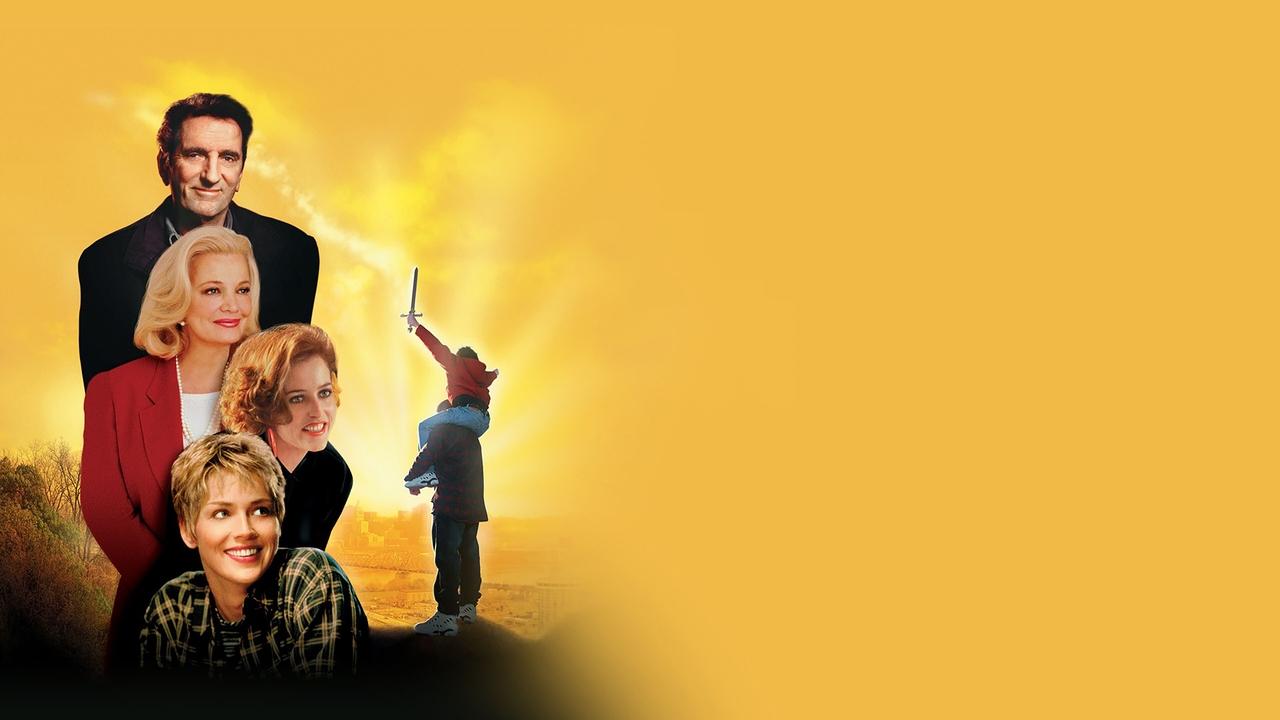
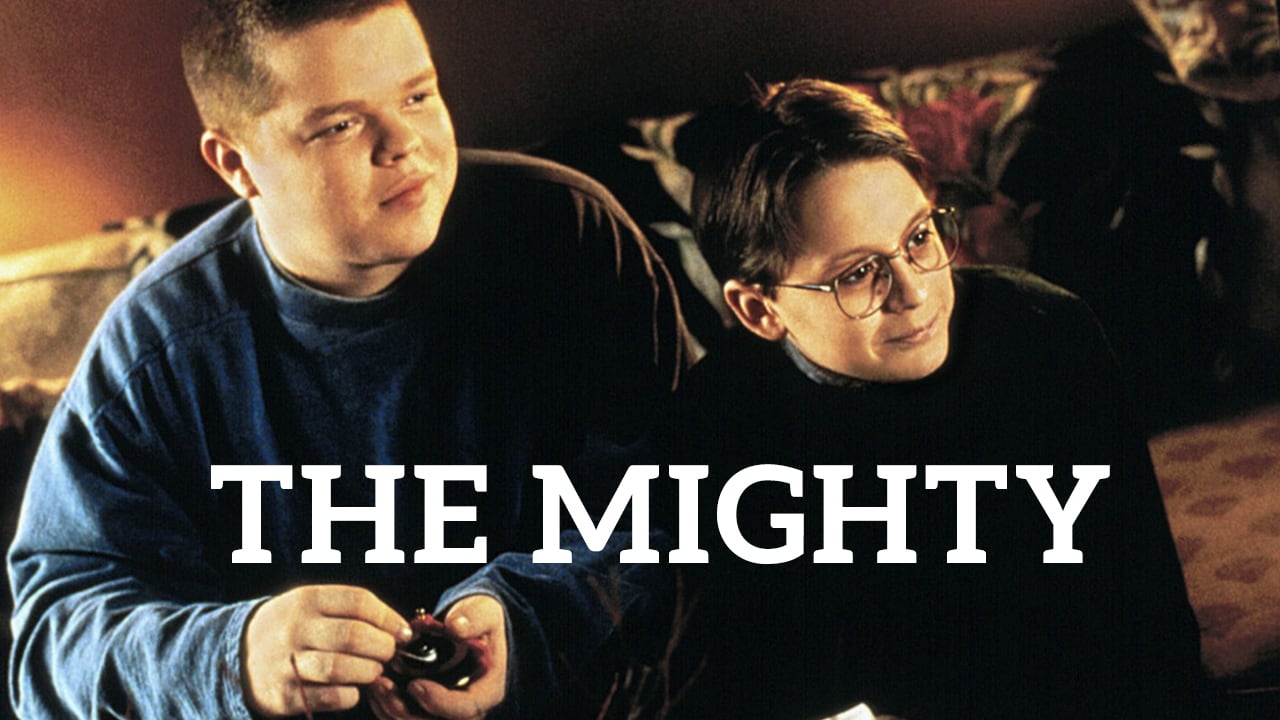
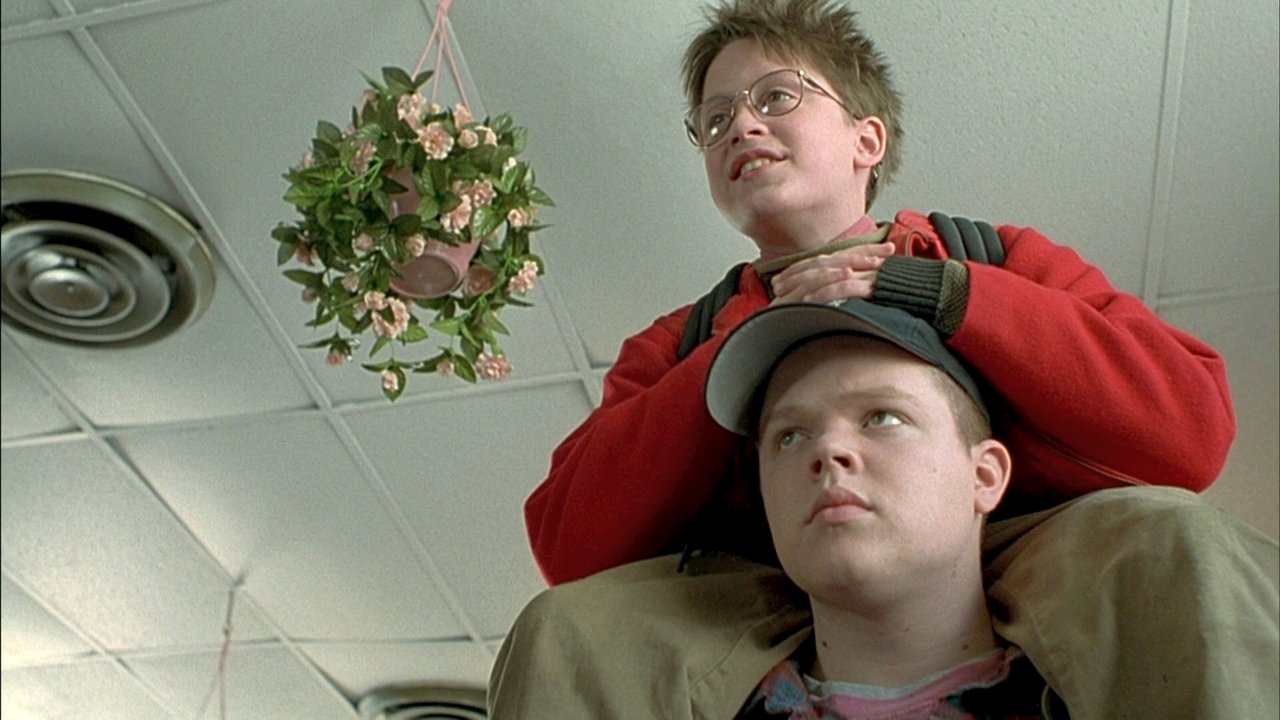
At its heart, The Mighty is the story of two outcasts forging an extraordinary bond. We meet Maxwell "Max" Kane (Elden Henson), a physically imposing but painfully shy and learning-disabled teenager haunted by a dark family past and living under the care of his loving but weary grandparents, Grim (Harry Dean Stanton) and Gram (Gena Rowlands). Into his solitary world comes Kevin Dillon (Kieran Culkin), a boy afflicted with Morquio syndrome, resulting in dwarfism and severe health complications, but possessing a fiercely intelligent mind and a boundless imagination. Kevin’s mother, Gwen (Sharon Stone, in a role that beautifully subverted her glamorous image of the time), moves them in next door. Alone, they are vulnerable targets in the cruel ecosystem of adolescence. Together, with the diminutive Kevin perched atop Max’s broad shoulders, they become "Freak the Mighty" – one formidable, brave entity navigating a world that often misunderstands or dismisses them. It’s a simple, potent image – the fusion of mind and body, compensating for each other’s perceived weaknesses to create something stronger than the sum of its parts. Doesn't this physical metaphor speak volumes about the nature of true friendship itself?
Reality Tempered by Imagination
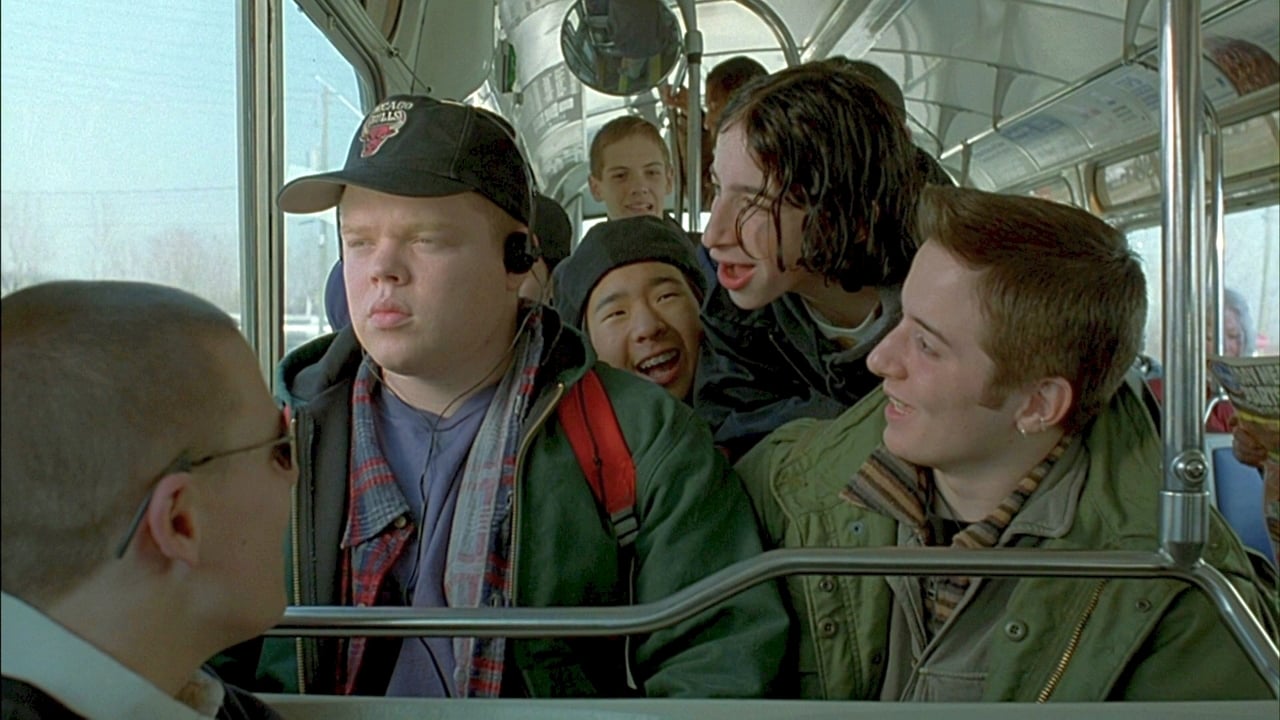
Director Peter Chelsom, who had previously shown a knack for blending melancholy with quirky charm in films like Hear My Song (1991) and Funny Bones (1995), masterfully balances the harsh realities the boys face – bullying, prejudice, the looming shadow of Kevin’s mortality, and the terrifying reappearance of Max’s estranged father, Kenny "Killer" Kane (James Gandolfini, utterly chilling) – with the vibrant escapism fueled by Kevin’s obsession with Arthurian legends. Kevin recasts their mundane suburban landscape as a kingdom full of quests, damsels in distress, and dragons to be slain (often metaphorical, sometimes literal bullies). This imaginative overlay isn't just whimsy; it’s a vital coping mechanism, a way for Kevin to frame his physical limitations not as weakness, but as part of a heroic narrative, and a way for Max to find the courage buried beneath his fear and silence. The film suggests that the stories we tell ourselves can shape the reality we inhabit.
Performances That Ground the Fantastic
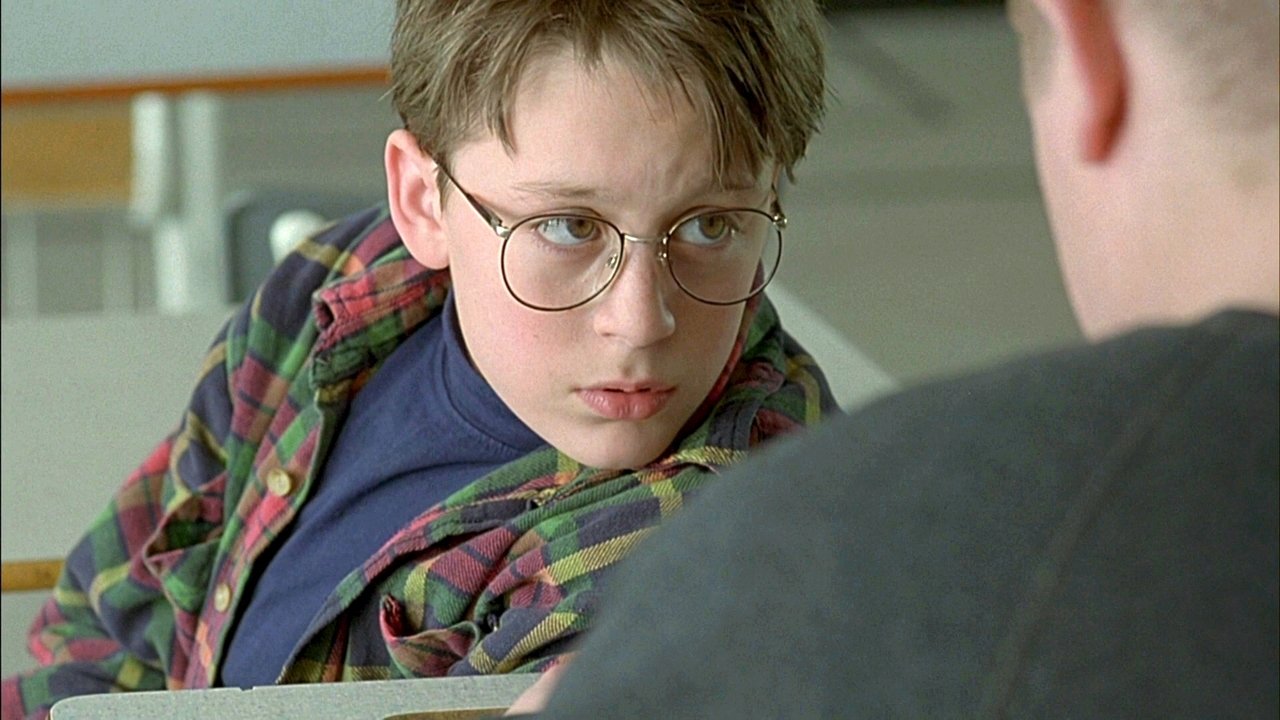
The film rests significantly on the shoulders of its young leads, and they deliver with remarkable authenticity. Elden Henson conveys Max’s gentle nature and deep-seated trauma with minimal dialogue, relying on physicality and expressive eyes. He makes Max’s quiet strength palpable. Kieran Culkin, already showing the spark that would define his later career, is simply brilliant as Kevin. He embodies the character’s sharp wit, fierce determination, and vulnerability without ever slipping into caricature. His delivery of Kevin’s elaborate vocabulary and imaginative pronouncements feels utterly natural. The chemistry between Henson and Culkin is the undeniable core of the film; you believe entirely in their unique, symbiotic friendship.
The supporting cast is equally superb. Sharon Stone is wonderfully grounded and fiercely protective as Gwen, shedding her usual persona for a portrayal of maternal love laced with quiet anxiety. It was a refreshing and effective piece of casting against type. Seeing screen legends Gena Rowlands and Harry Dean Stanton as Max's grandparents adds layers of lived-in warmth and worry; their quiet moments speak volumes about love and endurance. And James Gandolfini, pre-Sopranos but radiating menace, provides a genuinely terrifying antagonist, representing the real-world darkness that imagination struggles to keep at bay.
Echoes of the Source and Screen
Based on Rodman Philbrick’s acclaimed young adult novel Freak the Mighty, the screenplay by Charles Leavitt (who later penned Blood Diamond) successfully translates the book’s blend of heart, humor, and harrowing reality. Philbrick himself was reportedly inspired by the memory of two boys from his own neighborhood who embodied a similar dynamic. While the film understandably streamlines some plot points, it retains the novel's core emotional honesty. It’s interesting to note that while not a massive box office hit (grossing around $2.6 million against a likely modest budget), the film found a dedicated audience on home video – precisely the kind of discovery that made browsing those rental store aisles so rewarding. It became a staple in school libraries and classrooms too, a testament to its enduring message.
Why It Still Matters
The Mighty tackles heavy themes – disability, death, domestic violence, the failures of the justice system – with sensitivity but without shying away from their impact. It trusts its audience, young or old, to grapple with difficult truths. It champions intelligence, empathy, and the transformative power of friendship in the face of overwhelming odds. Watching it again now, decades later, its emotional core feels just as potent. The film doesn't offer easy answers, but it leaves you with a profound sense of the resilience of the human spirit and the importance of seeing the 'mighty' potential hidden within everyone, especially those society might overlook. It’s a reminder that sometimes, the grandest adventures and the deepest connections are found in the most unexpected places.
Rating: 8.5/10
This score reflects the film's powerful emotional core, outstanding lead performances, and sensitive handling of difficult themes. While perhaps occasionally leaning into sentimentality, its sincerity and the unforgettable central relationship shine through. The Mighty is a beautifully crafted film that earns its emotional impact honestly, a true gem from the late 90s home video landscape.
What lingers most isn't just the sadness or the triumphs, but the quiet dignity it affords its young heroes, reminding us that true strength often lies where we least expect it.