It wasn't just another tape on the shelf at Blockbuster back in '99. There was something magnetic about the cover for Girl, Interrupted, wasn't there? Maybe it was Winona Ryder's familiar, expressive eyes peering out, promising something deeper than her usual fare. Or perhaps it was the intense buzz already swirling around a relative newcomer named Angelina Jolie. This film felt different, heavier. It arrived as the decade, and a certain era of cinema, drew to a close, asking uncomfortable questions that lingered long after the VCR clicked off. For Ryder, this wasn't just another role; it was a passion project she’d championed for years after falling in love with Susanna Kaysen's starkly honest memoir, finally bringing it to the screen with director James Mangold (who would later give us drastically different but equally character-focused films like Walk the Line (2005) and Logan (2017)).

Inside Claymoore's Walls
The film drops us, alongside Susanna Kaysen (Ryder), into the claustrophobic yet strangely alluring world of Claymoore Hospital in the late 1960s. Diagnosed with Borderline Personality Disorder after a supposed suicide attempt (a bottle of aspirin and a bottle of vodka – "I was trying to make the shit stop," she clarifies), Susanna enters a world populated by young women navigating their own turbulent internal landscapes. There's the fragile, self-harming Daisy (Brittany Murphy, heartbreakingly effective), the burn survivor Polly (Elisabeth Moss, years before Mad Men), and the fiercely intelligent but deeply troubled Lisa Rowe (Angelina Jolie). Claymoore itself becomes a character – not just a setting, but a microcosm of societal pressures and the often blurry line between perceived sanity and madness. Mangold captures the era authentically, not just in the costumes and soundtrack, but in the pervasive atmosphere of a society unsure how to handle non-conformity, especially in women.
The Orbit of Lisa Rowe
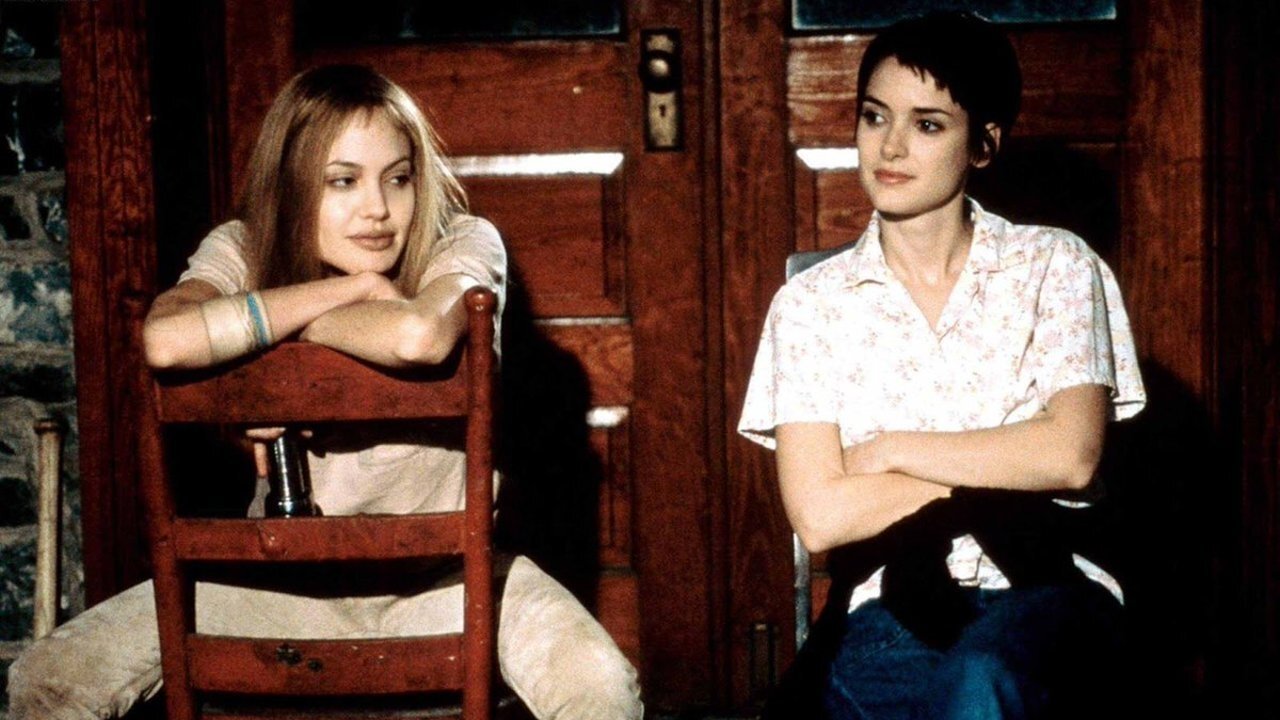
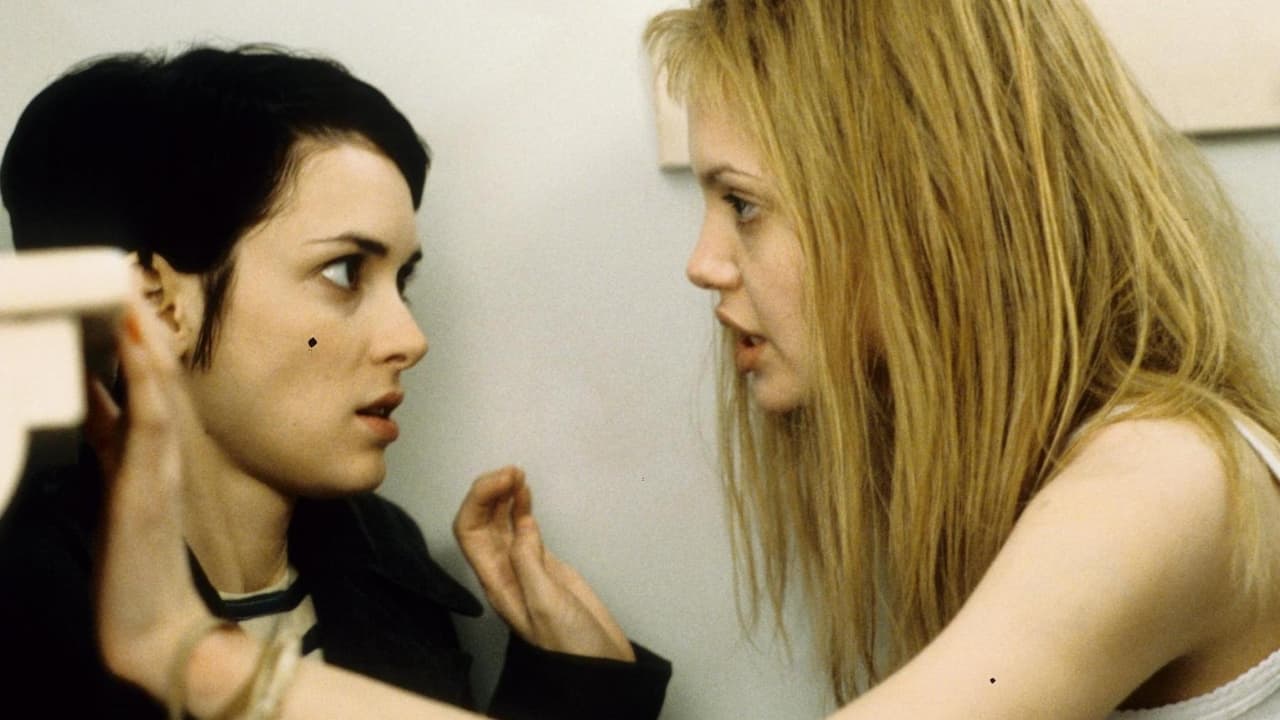
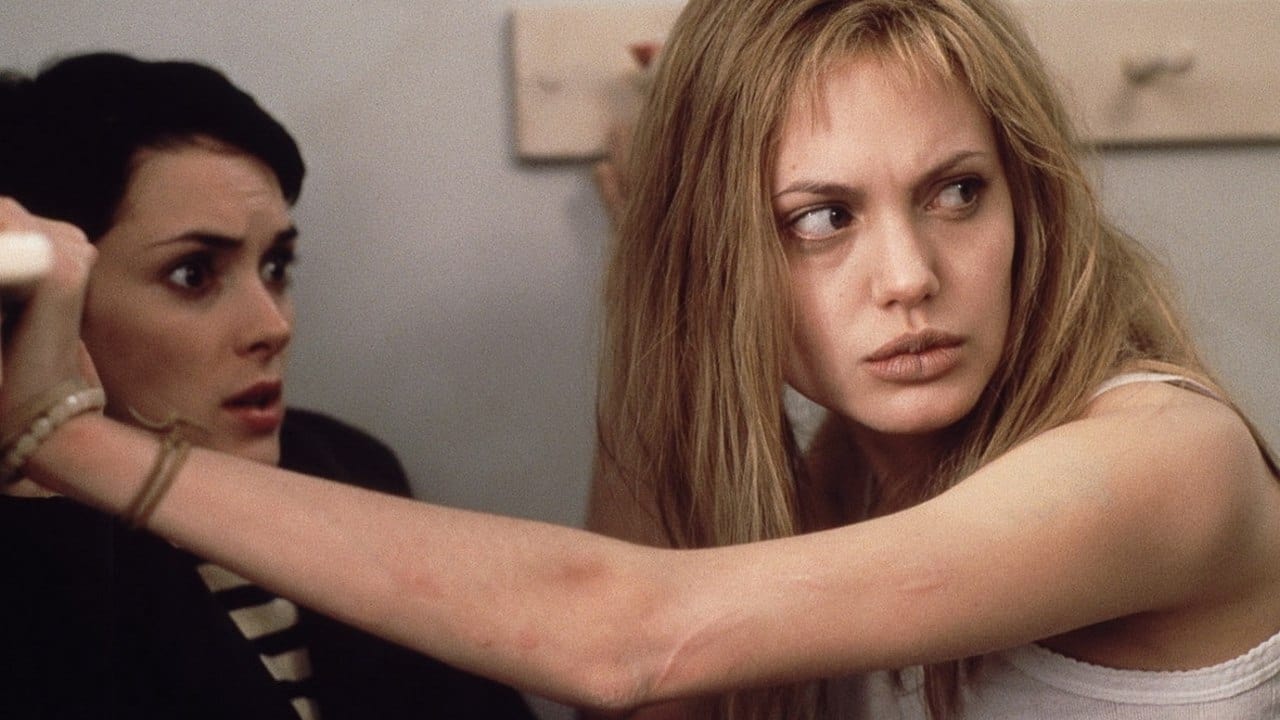
While Ryder provides the film's anchor and point-of-view – her journey from confusion and denial to tentative self-acceptance is the narrative spine – it's impossible to discuss Girl, Interrupted without orbiting the supernova that is Angelina Jolie's performance as Lisa. Charismatic, manipulative, fiercely loyal one moment and terrifyingly cruel the next, Lisa is the institution's unrepentant rebel. Jolie doesn't just play Lisa; she inhabits her with a raw, feral energy that’s both captivating and deeply unsettling. It’s a performance that transcends mere acting; it feels dangerously real. Remember the first time you saw her command the screen here? It was the kind of star-making turn that announces an undeniable force has arrived in Hollywood. The Academy Award for Best Supporting Actress felt less like a surprise and more like an inevitability. The chemistry between Ryder's more introspective Susanna and Jolie's explosive Lisa forms the film's complex, often toxic, core relationship. Their dynamic explores the allure of rebellion, the comfort found in shared "otherness," and the painful process of differentiation needed for true recovery.
Finding Truth in Performance
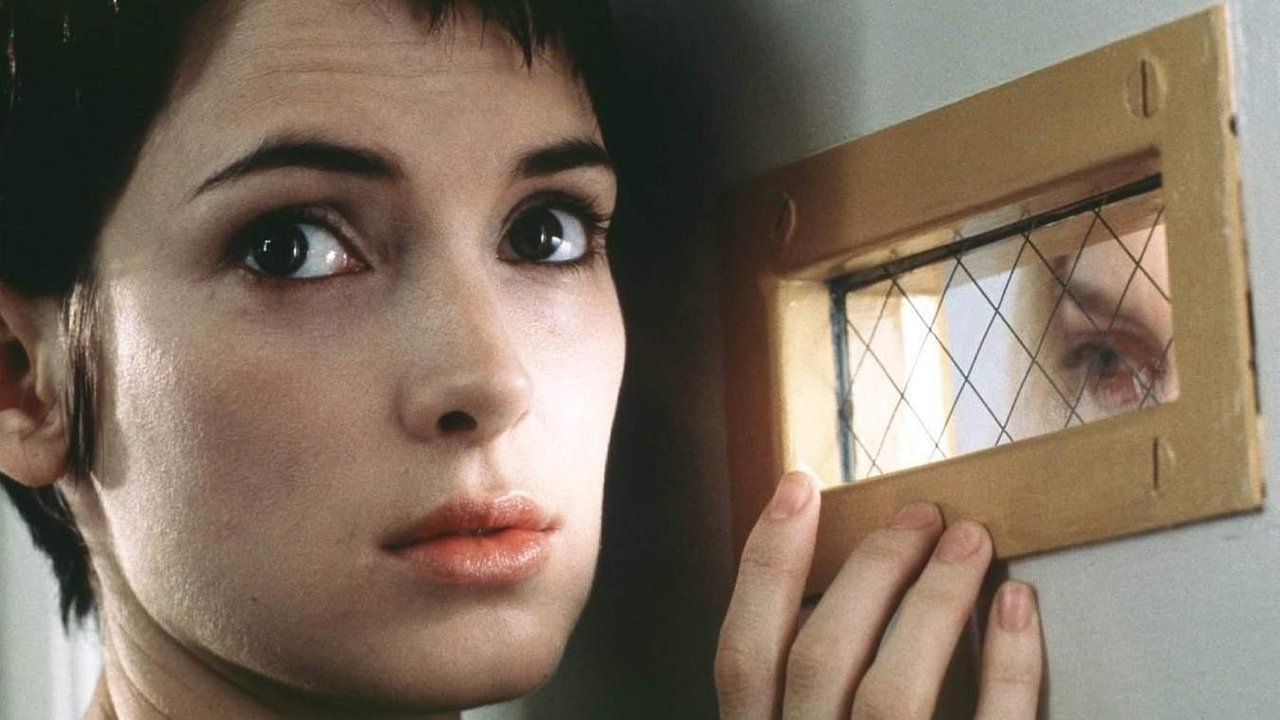
Beyond the two leads, the ensemble cast is remarkably strong. Clea DuVall brings a grounded cynicism and hidden vulnerability to Georgina, Susanna's roommate. Whoopi Goldberg lends gravitas as Nurse Valerie, offering tough love and moments of crucial insight, reminding Susanna (and the audience) that "crazy" isn't a simple label. Vanessa Redgrave is subtly impactful as Dr. Wick, representing the clinical, sometimes detached, face of psychiatry. The authenticity these actors bring prevents the film from tipping into melodrama. They portray the characters' struggles with empathy, showing the humanity beneath the diagnoses. There's a power in watching Ryder subtly shift Susanna's perspective, moving from observing the "craziness" around her to recognizing her own patterns and complicity. It’s a quiet performance that holds its own against Jolie's fireworks.
A Look Behind the Diagnosis
Adapting a memoir like Kaysen's is always a challenge. The film inevitably streamlines some of the book's more internal, fragmented nature for narrative coherence. Some critics at the time felt it simplified complex mental health issues, leaning occasionally on familiar tropes. Yet, it also brought mainstream attention to Borderline Personality Disorder and sparked conversations about the treatment and perception of mental illness, particularly in young women, which was rare for a major studio film in the late 90s. Interestingly, while Ryder was the driving force, Kaysen herself reportedly felt the film captured the spirit if not the precise letter of her experience. Filming took place primarily at the Harrisburg State Hospital in Pennsylvania, adding a layer of authenticity to the Claymoore setting. While the $40 million budget yielded a modest $48.3 million at the box office initially, Jolie's Oscar win and the film's enduring presence on home video (hello, VHS!) cemented its place in popular culture. It became one of those films – the ones you discovered, maybe slightly too young, and felt profoundly affected by.
The Questions That Remain
Girl, Interrupted isn't always an easy watch. It confronts viewers with the messy realities of mental illness, the pain of self-discovery, and the sometimes-suffocating expectations of society. But it does so with compelling performances and a thoughtful, if sometimes conventional, approach. It reminds us of a time when Winona Ryder was searching for challenging material beyond her ingenue image and when Angelina Jolie exploded onto the scene with untamed charisma. Does the film offer easy answers? No. But it forces us to ask important questions: What defines "normalcy"? Who gets to draw that line? And how much of ourselves do we suppress to fit in?
Rating: 8/10
This score reflects the film's undeniable power, driven primarily by the phenomenal performances, particularly Jolie's iconic turn, and Ryder's committed portrayal. The strong ensemble cast, evocative atmosphere, and willingness to tackle difficult subject matter earn it high marks. It loses a couple of points for occasionally simplifying the source material's complexities and relying on some familiar narrative beats within the "mental institution" genre. However, its emotional resonance and the lingering impact of its central questions make it a standout drama from the late VHS era.
It leaves you contemplating the fragile border between conformity and chaos, a theme as relevant today as it was in the corridors of Claymoore back in 1967.