The esteemed halls of Heidelberg University hold centuries of knowledge, tradition, and prestige. But beneath the polished veneer, within the cold, tiled walls of its anatomy department, whispers circulate of something far darker than textbooks and cadavers. It’s here, amidst the clinical gleam of steel instruments and the unsettling stillness of the dissection tables, that Stefan Ruzowitzky’s Anatomy (Anatomie, 2000) invites us into a chilling conspiracy, one that felt unnervingly plausible as the new millennium dawned.

### Beneath the Hallowed Halls
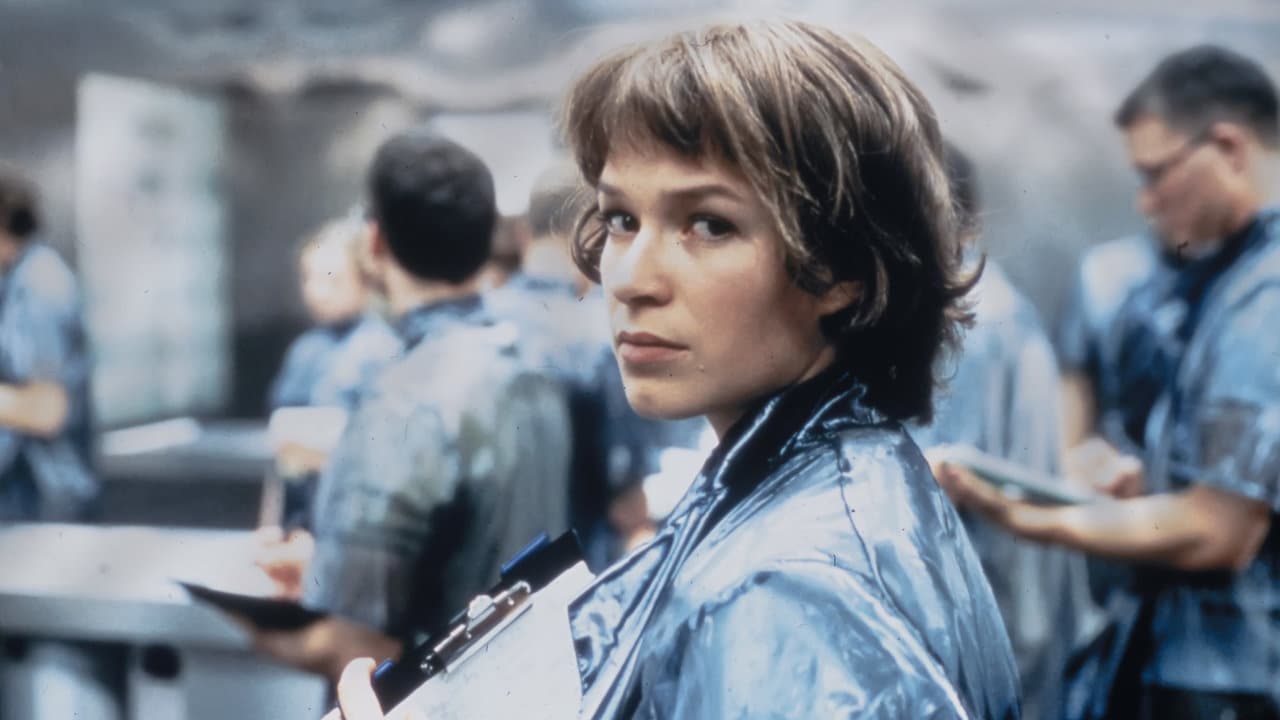
Paula Henning (Franka Potente, fresh off her electrifying international breakthrough in Run Lola Run (1998)) is ambitious, brilliant, and eager to follow in her grandfather's footsteps by gaining acceptance into Heidelberg's elite medical program. She arrives full of hope, ready to prove herself. What she discovers, however, is less about healing and more about a grotesque perversion of medical ethics. When a young man she met briefly turns up dead on her dissection table, bearing strange markings, Paula’s sharp intellect refuses to accept the official explanation. Her investigation pulls her into the orbit of the clandestine "Anti-Hippocratic Society," a secret lodge operating within the university that practices forbidden medical experiments, upholding a twisted legacy that stretches back generations.
Ruzowitzky, who both wrote and directed, crafts a narrative steeped in the unsettling atmosphere of medical unease. The film masterfully contrasts the ancient, almost gothic architecture of Heidelberg – a real location adding immense authenticity and grandeur – with the sterile, modern horror of the anatomy labs. It’s a visual language that speaks volumes: old secrets lurking within modern institutions, the weight of history pressing down on the present. Remember that specific kind of tension found in thrillers from this late 90s/early 2000s period? Anatomy taps right into it, blending procedural investigation with moments of genuine body horror.

### A Cut Above
What truly elevates Anatomy is Franka Potente. She anchors the film with a performance that is both fiercely intelligent and deeply vulnerable. Paula isn't a damsel in distress; she’s proactive, using her medical knowledge to piece together the terrifying puzzle. Potente conveys Paula's growing dread and determination with a conviction that makes the increasingly outlandish plot feel grounded. Opposite her, Benno Fürmann (later seen in films like Joyeux Noël) brings a necessary charisma and ambiguity to his role as a fellow student who might be ally or enemy.
The film’s central concept – the Anti-Hippocratic Society and their pursuit of anatomical "perfection" through plastination (a real preservation technique, though obviously not used for murder!) – is genuinely disturbing. It taps into primal fears about bodily violation and the potential for scientific knowledge to be twisted towards monstrous ends. There's a coldness to the Society's methods, a detachment that feels more chilling than overt gore, though the film doesn't shy away from showing the gruesome results of their work when necessary. Didn't that reveal of their 'trophies' feel particularly grim back then?
### Secrets in the Walls
Digging into the production reveals some interesting nuggets. Anatomy was a significant hit in its native Germany, grossing over $10 million against a budget reported around $4.8 million – a strong showing for a local horror/thriller at the time. Its success wasn't just domestic; it found an international audience hungry for stylish European genre fare, riding a wave that included films like Run Lola Run itself. Filming within the historic University of Heidelberg lent an air of authenticity that manufactured sets could never replicate, although permission likely didn't extend to portraying the institution as a hotbed for murderous secret societies! Ruzowitzky would later gain further international acclaim, winning the Best Foreign Language Film Oscar for The Counterfeiters (2007), showcasing his versatility beyond genre thrills.
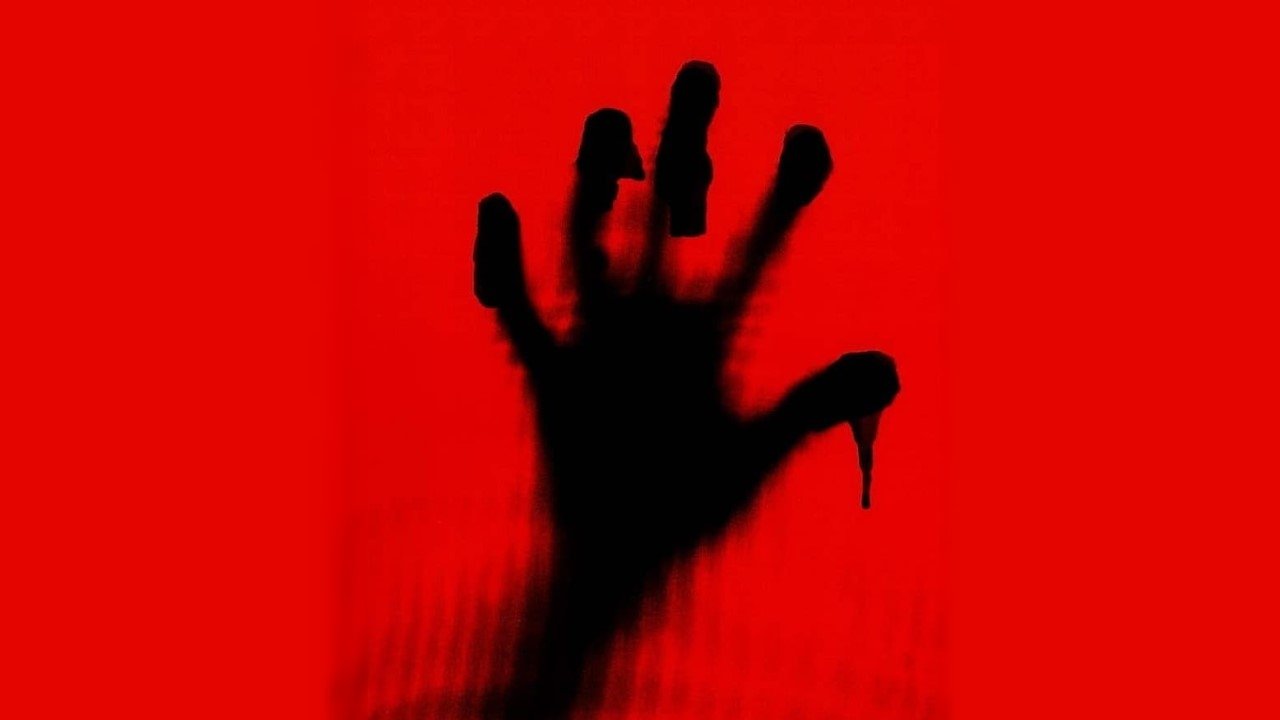
The film arrived at that interesting cusp moment – the tail end of the VHS era and the dawn of DVD dominance. I distinctly remember seeing the Anatomy tape lurking on the shelves at Blockbuster, its clinical cover art hinting at something more sophisticated than your average slasher. It represented a certain kind of European thriller that felt sharp, modern, and a little more cerebral, even amidst the suspense and occasional shocks. While perhaps not as overtly effects-driven as some 80s fare, the practical makeup and anatomical models used hold up surprisingly well, emphasizing realism over fantasy.
### Final Diagnosis

Anatomy isn't without its flaws. The plot occasionally relies on thriller conventions, and some secondary characters feel underdeveloped. However, its strengths – a compelling lead performance from Franka Potente, a genuinely unnerving premise rooted in medical science, and a palpable sense of atmosphere generated by its unique setting and Ruzowitzky's controlled direction – make it a standout German thriller from the turn of the millennium. It successfully blends suspense, mystery, and body horror elements into a cohesive and often deeply unsettling whole. It tapped into anxieties about institutional power and the dark side of progress, leaving a chill that lingered long after the credits rolled on your flickering CRT screen. It even spawned a sequel, Anatomy 2 (2003), though the original remains the more potent dose.
Rating: 7.5/10
Final Cut: A sharp, atmospheric Euro-thriller anchored by a commanding Franka Potente performance and a disturbingly plausible premise. Anatomy skillfully dissects institutional darkness, proving that sometimes the most terrifying monsters wear lab coats, not masks. It remains a compelling watch, a potent reminder from the late VHS/early DVD era that academic prestige can hide truly horrifying secrets.