## An Echo Across the Pacific: Reflecting on Takeshi Kitano's "Brother"
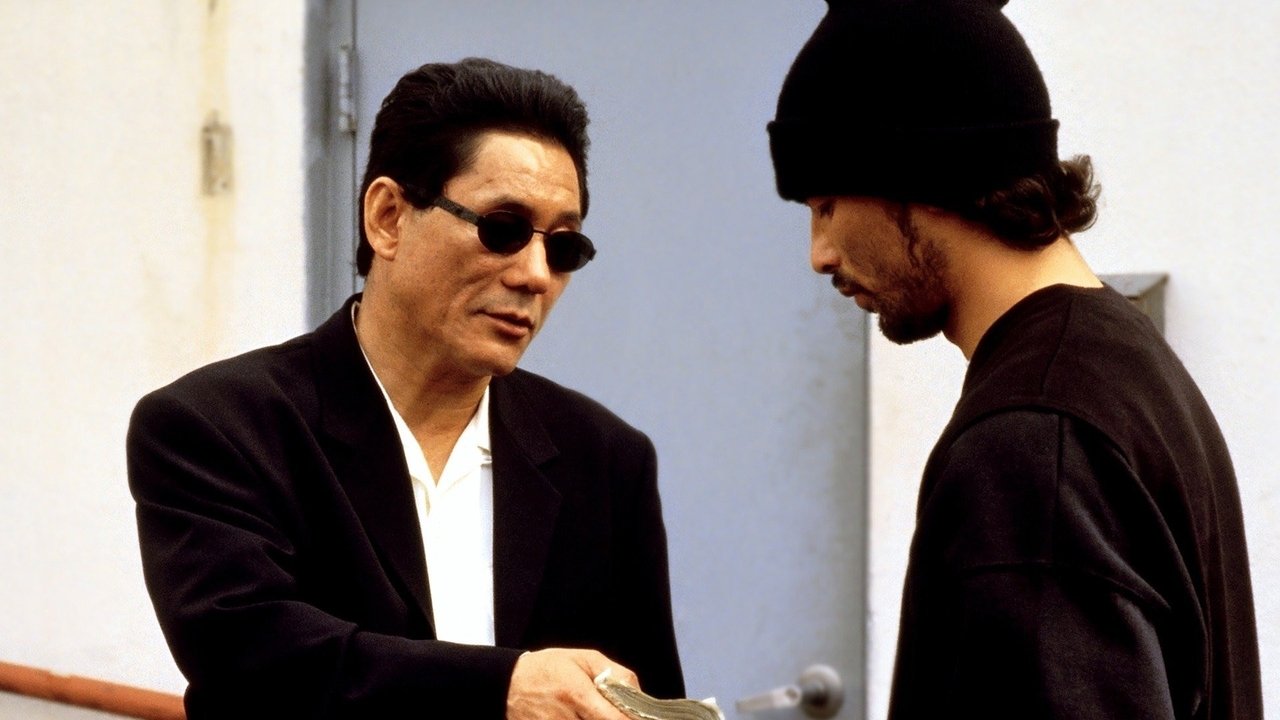
There's a particular kind of quiet that precedes a storm, isn't there? A heavy stillness that hangs in the air, charged with unspoken potential. That’s the feeling Takeshi Kitano so often bottles in his films, and it arrives in Los Angeles with his character Yamamoto at the start of Brother (2000). Seeing Kitano, already a titan of Japanese cinema known for stark beauty and sudden violence in films like Sonatine (1993) and the incredible Hana-bi (1997), bring his signature Yakuza persona to American shores felt like a fascinating, almost dangerous experiment. It wasn't just a character crossing the ocean; it felt like a whole cinematic language attempting translation.
East Meets West, Bullet by Bullet
The setup is deceptively simple: Yamamoto, a mid-level Yakuza whose clan has been wiped out back home, flees Tokyo for Los Angeles, seeking refuge with his estranged younger half-brother, Ken (Claude Maki). Ken, dabbling in petty drug dealing, introduces Yamamoto to his crew, led by the sharp, initially wary Denny (Omar Epps). What follows is classic gangster trajectory – Yamamoto, with his ingrained code of loyalty, ruthless efficiency, and utter fearlessness, quickly imposes the structured violence of the Yakuza onto the more chaotic landscape of LA street crime. Territories are taken, alliances forged in blood, and enemies dispatched with brutal finality. Yet, beneath the surface narrative of empire building, Brother hums with a deeper frequency – the profound alienation of its central figure.
The Unmistakable Stamp of Kitano
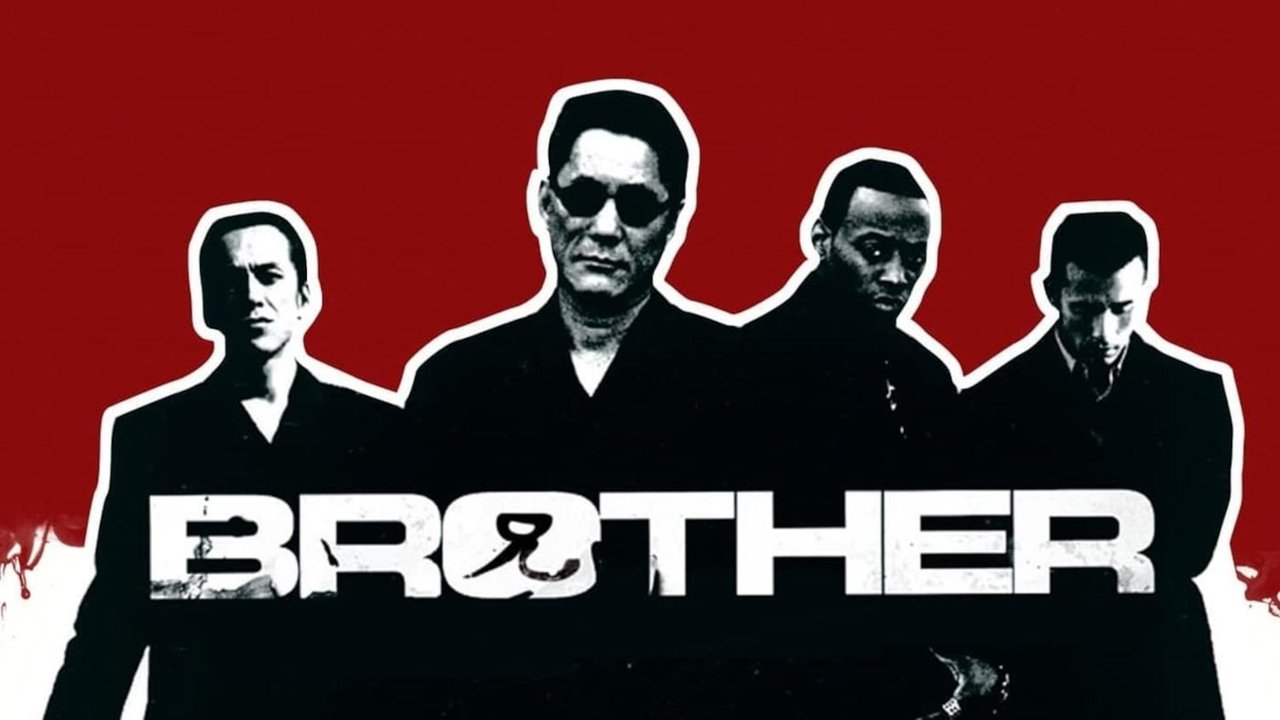
Even transplanted to LA, this is unmistakably a Kitano film. He directs, writes, edits (uncredited, as often), and stars, ensuring his unique vision permeates every frame. The pacing is deliberate, punctuated by those signature long takes where characters simply exist, often staring out at nothing, the weight of their lives settling around them like dust. Then, inevitably, the silence shatters with bursts of shocking, almost matter-of-fact violence. It’s never gratuitous in the Hollywood sense; it feels chillingly functional, the grim punctuation mark at the end of a deadly sentence. Watching Yamamoto calmly slice off his own fingertip in a gesture of apology, or orchestrate brutal executions with barely a flicker of emotion, is deeply unsettling precisely because of its lack of theatricality.
One fascinating aspect of the production was Kitano navigating his first major film outside Japan, working largely in English – a language he barely spoke. He reportedly relied heavily on translators and his own intensely visual style of direction, focusing on action and expression over dialogue. This language barrier perhaps even enhances Yamamoto’s character – his silence isn’t just a personality trait, it’s a reflection of his isolation in this new world, forcing him to communicate through action, often violent action. It's a testament to Omar Epps's performance that Denny’s journey from suspicion to deep, almost familial loyalty towards Yamamoto feels earned. Epps provides the film with much of its external energy, reacting to Yamamoto's quiet intensity in a way that grounds the sometimes surreal proceedings.
Loyalty in a Foreign Land
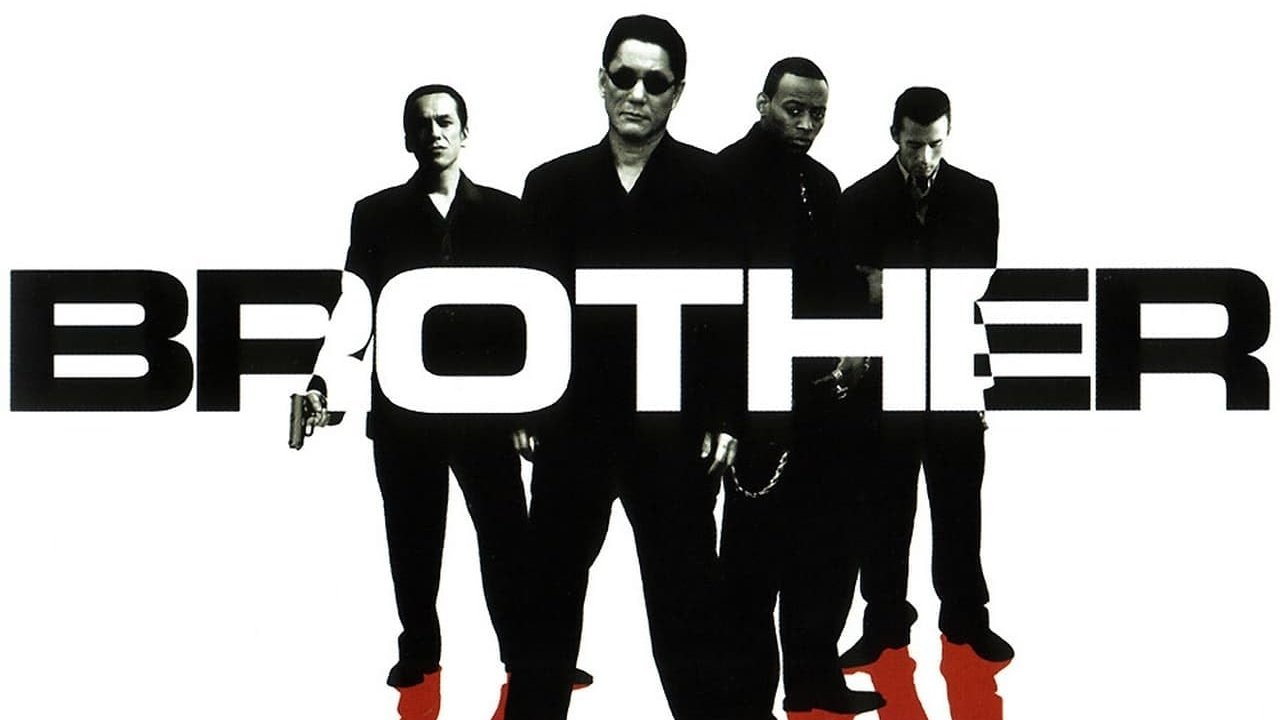
At its core, Brother explores themes Kitano often revisits: loyalty, honour (however twisted), and the inescapable nature of one's past. Yamamoto tries to replicate the Yakuza structure he knows – the brotherhood, the rituals, the rigid hierarchy – but it feels different, hollowed out under the California sun. Can these codes truly be transplanted? Or do they inevitably curdle when removed from their cultural soil? The film suggests the latter. The violence feels less ritualistic, more desperate as the stakes escalate and the inevitable clash with larger, established forces looms.
There's a strain of dark, deadpan humor here too, another Kitano trademark, often emerging from the sheer absurdity of the culture clash or the bluntness of the interactions. A scene involving a fraudulently won basketball game provides a brief, strange moment of levity amidst the mounting dread. These moments are fleeting, though, quickly swallowed by the encroaching darkness. The production itself wasn’t without challenges; working with a larger American studio budget ($12 million) and crew reportedly created friction for Kitano, who was accustomed to tighter control. While commercially successful, particularly in Japan, some critics felt it lacked the poetic depth of his previous masterpieces, perhaps sanding off some of his rougher edges for international appeal.
The Inevitable Fade
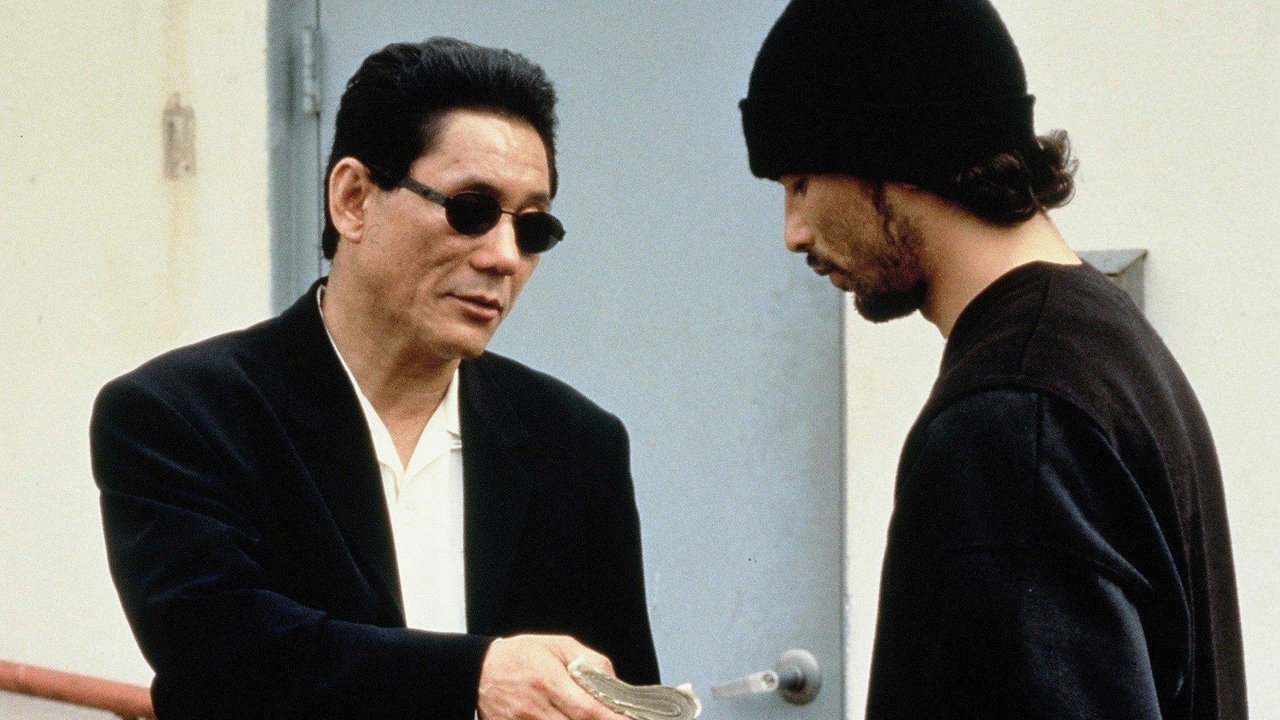
Does the film reach the heights of Hana-bi? Perhaps not. The narrative arc feels somewhat more conventional than his best work, hitting familiar gangster movie beats. Yet, the execution remains uniquely Kitano. The atmosphere is thick with melancholy, the violence impactful, and the central performance by Kitano himself is magnetic in its stoicism. It captures that specific feeling of being adrift, of clinging to the familiar even as the ground shifts beneath your feet. I remember watching this on DVD shortly after release, that stark blue cover art promising something different, and it delivered. It wasn't just another gangster flick; it was a contemplative, brutal poem about displacement.
Rating: 7/10
Brother stands as a compelling, if slightly less profound, entry in Takeshi Kitano's formidable filmography. While the plot might feel familiar, Kitano's singular directorial voice, his magnetic screen presence, and the film's potent atmosphere of alienation and stylized violence make it a powerful watch. The blend of Japanese crime sensibilities with the LA setting creates a unique friction, and the performances, particularly from Kitano and Epps, anchor the bloody proceedings. It might not be his absolute best, but it’s a film that lingers – a stark reminder that you can cross an ocean, but you can never truly outrun yourself or the cycles you belong to. What remains is the silence after the storm, and the echoes of what was lost.