The air hangs thick and stale, smelling faintly of exhaust fumes and desperation. Some cinematic roads lead to glory, others just circle endlessly around soulless industrial estates before ending abruptly in violence. Essex Boys (2000) pulls its battered Ford Granada squarely onto that latter path, offering a journey into the grubby heart of low-level gangsterism, far removed from the slick stylings that often defined turn-of-the-millennium British crime flicks. This isn't about cheeky banter over pints; it's about paranoia simmering in roadside cafes and ambition curdling into brutal inevitability.
Out of the Frying Pan
The setup is classic, almost archetypal. Billy Reynolds (Charlie Creed-Miles, who’d already shown his grit in films like Nil by Mouth (1997)) is fresh out of prison, serving time for his boss, the dangerously charismatic Jason Locke (Sean Bean). Billy expects gratitude, a leg-up, maybe a slice of the burgeoning drug empire Locke has built in his absence. What he finds instead is a landscape shifted, loyalties frayed, and Locke himself transformed into a coked-up, swaggering monster whose paranoia is as sharp as his suits. Billy is our eyes into this world, initially naive, increasingly disillusioned, serving as the driver – both literally and figuratively – propelling us towards the story's grim destination.
Bean's Reign of Terror
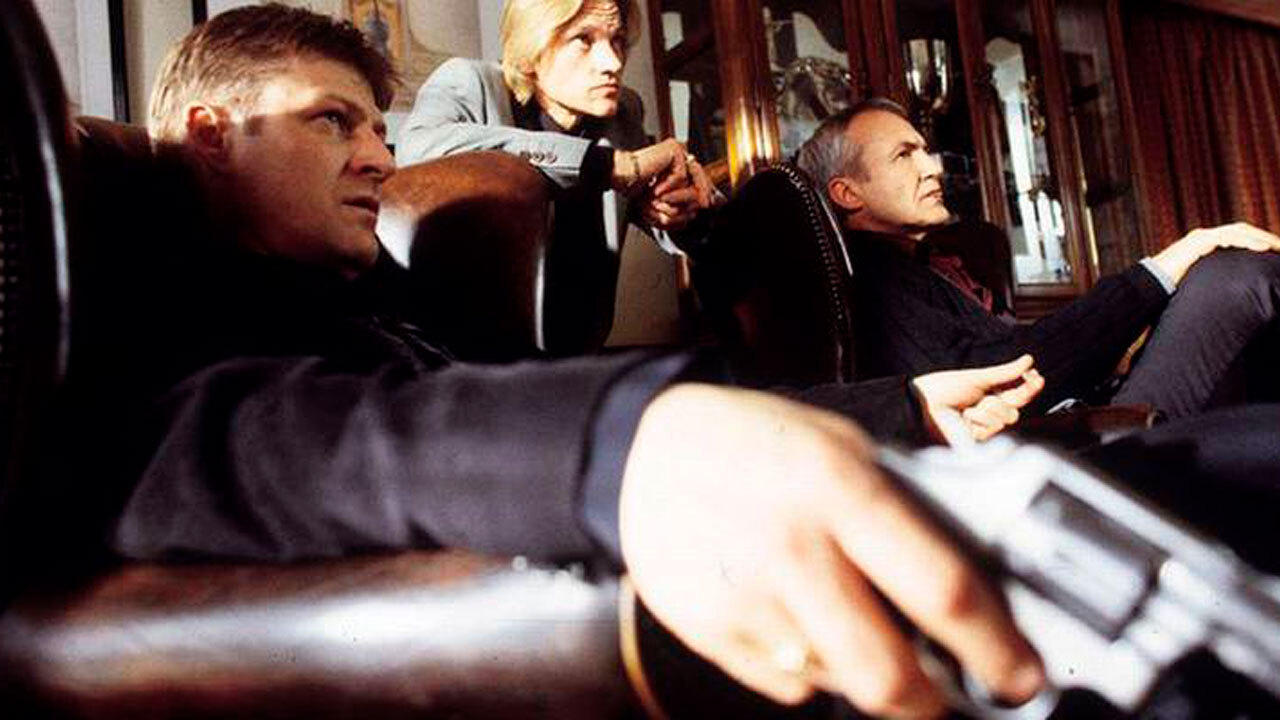
Let's be honest, Sean Bean is the pulsing, volatile core of Essex Boys. Jason Locke isn't just a gangster; he's a black hole of ego and insecurity, radiating menace from beneath a veneer of dodgy charm. Bean, already a reliable screen presence known for roles in Patriot Games (1992) and GoldenEye (1995), leans into Locke's unpleasantness with terrifying conviction. It’s a performance devoid of vanity, capturing the sweaty desperation of a man clawing his way to the top, terrified of falling, and willing to stamp on anyone to maintain his precarious position. His interactions crackle with tension – the forced bonhomie, the sudden flashes of rage, the chilling emptiness behind the eyes. You genuinely believe this man is capable of anything. Supporting players like the ever-reliable Tom Wilkinson as John Dyke, an older, more established criminal figure, provide a necessary counterweight of weary gravitas, highlighting just how out of control Locke truly is.
Grit Over Glamour
Director Terry Winsor, who also co-wrote the script with true-crime specialist Jeff Pope, makes a deliberate choice to deglamorize the gangster lifestyle. Forget the snappy editing and colourful characters of Guy Ritchie's contemporaneous Snatch (2000). Essex Boys opts for a flatter, bleaker aesthetic. The locations are drab service stations, nondescript pubs, and stark suburban homes. The violence, when it erupts, is sudden, clumsy, and ugly – mirroring the pathetic reality of these characters' lives rather than mythologizing them. This commitment to realism, reportedly born from Winsor and Pope's extensive research (including interviews with figures connected to the real events), gives the film its chilling power. It feels less like a movie and more like surveillance footage capturing the banal evil that festers beneath the surface of ordinary life.
The Shadow of Rettendon
It's impossible to discuss Essex Boys without acknowledging its inspiration: the infamous Rettendon Range Rover murders of 1995, where three drug dealers were found shot dead in a remote country lane. While the film takes dramatic liberties, changing names and conflating events, the shadow of that real-life brutality hangs heavy over the proceedings. This connection, heavily emphasized in the film's marketing, lends it a grim authenticity. Jeff Pope would later become renowned for his factual crime dramas like Appropriate Adult (2011), and you can see the seeds of that meticulous, character-focused approach here. The film isn't a documentary, but it strives to capture the psychology behind such violence – the greed, the betrayal, the desperate scramble for status in a world with no moral compass. Apparently, some involved in the production received veiled threats due to the sensitive subject matter, a dark testament to the real-world echoes of the story being told. Filmed on a relatively modest budget (around £2.5 million), it carved out its own niche amidst the flashier crime offerings of the time.
A Bleak Legacy
Essex Boys might not possess the quotable lines or iconic set pieces of some of its genre brethren, but its power lies in its unwavering commitment to its bleak vision. It doesn't ask you to like these characters; it merely asks you to watch their inevitable self-destruction. It’s a film that feels less like entertainment and more like a cautionary tale etched onto gritty celluloid. While other films like Rise of the Footsoldier (2007) would later tackle the same real-life events with even more graphic intensity, Essex Boys retains a specific kind of grim potency through its more character-driven, atmospheric approach. It captures that specific turn-of-the-millennium mood, the fag-end of the 90s bravado turning sour.
Rating: 7/10
Justification: Essex Boys earns its score through Sean Bean's compellingly repellent central performance, its effectively bleak atmosphere, and its unflinching portrayal of the ugliness behind the gangster facade. Director Terry Winsor crafts a tense, grounded crime story that deliberately avoids flashy stylization in favour of grim realism. While perhaps lacking the narrative invention or iconic status of genre landmarks, and occasionally feeling predictable in its trajectory, its connection to real events and its success in creating a palpable sense of dread make it a noteworthy entry in the British crime canon. It successfully captures the specific, grim vibe it aims for.
It’s a film that doesn't leave you exhilarated, but chilled; a stark reminder that sometimes, the most terrifying monsters are tragically, terrifyingly human. It might not have been the tape you rented for a laugh, but it was the kind that lingered long after the VCR clicked off.