It wasn't on a worn VHS tape, truth be told. By the year 2000, the shiny allure of DVD was starting to gleam on rental shelves. Yet, Karyn Kusama’s Girlfight possessed an energy, a raw, unvarnished spirit that felt utterly akin to the best, most impactful dramas discovered tucked away in the "Independent" section of the old video store. It arrived like a jolt, carrying the weight of something vital and new, heralded by a performance that felt less like acting and more like witnessing the birth of a force of nature.

A Different Kind of Ring
We’re dropped into the simmering cauldron of a Brooklyn housing project, where Diana Guzman (Michelle Rodriguez) navigates life with clenched fists and a simmering rage that feels perpetually close to boiling over. School is a battleground, home offers little solace under the roof of her dismissive father, Sandro (Jaime Tirelli). There's a palpable sense of confinement, of potential unrealized and energy misdirected. Then, a chance encounter leads her to a local boxing gym, a dimly lit, sweat-stained sanctuary run by the weary but watchful Hector Soto (Paul Calderón). It’s a space dominated by men, steeped in machismo, yet Diana sees not an obstacle, but an arena where her fury might finally find form and function.
The Arrival of Rodriguez
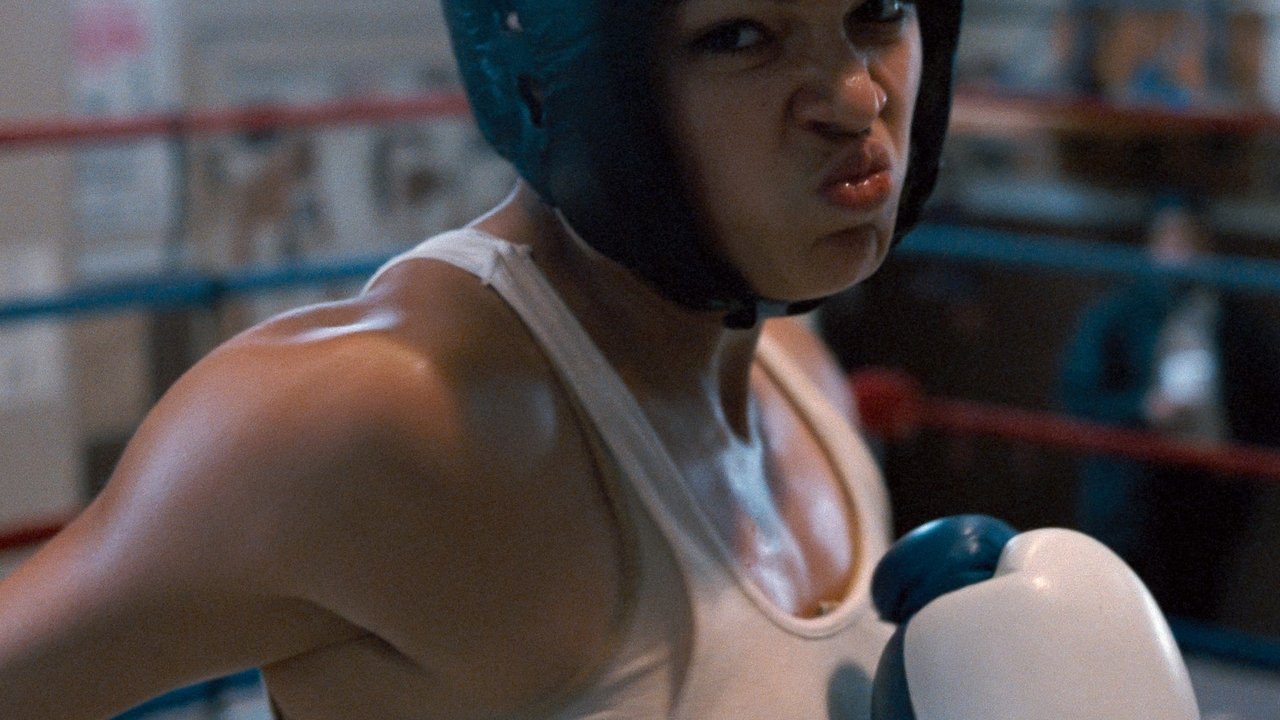
Let's be clear: Girlfight is inseparable from the emergence of Michelle Rodriguez. Before the Fast Saga, before the action heroine persona solidified, there was Diana Guzman. It’s a performance of staggering authenticity. Rodriguez, discovered in an open casting call where she reportedly stood out from hundreds, doesn't just play angry; she embodies a complex tapestry of vulnerability, defiance, simmering intelligence, and explosive power. Watch her eyes – the wary distrust, the flicker of hope when she lands a clean punch, the quiet determination hardening her features. It’s a deeply physical performance, honed by months of intense training, but its true power lies in the emotional truth Rodriguez conveys. You believe her struggle, her pain, and crucially, her burgeoning self-belief. This wasn’t just a role; it felt like an announcement.
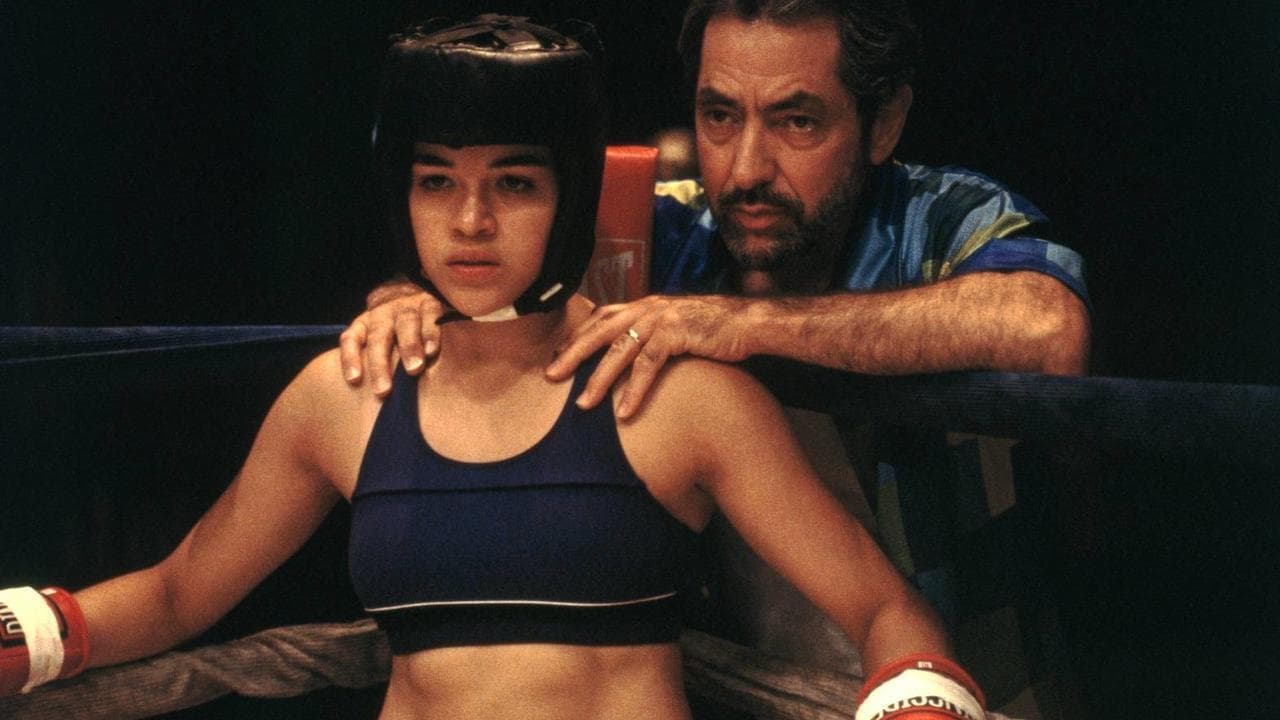
Supporting her, Jaime Tirelli brings a weary complexity to Diana's father, a man whose disapproval masks deeper, perhaps more painful, feelings. And Paul Calderón, a familiar face often lending gritty authenticity (seen in films like Abel Ferrara's King of New York (1990)), is perfect as the reluctant mentor, Hector. He sees the fire in Diana but also the danger, his guidance tempered by years of observing broken dreams in the unforgiving world of boxing.
Kusama Behind the Lens
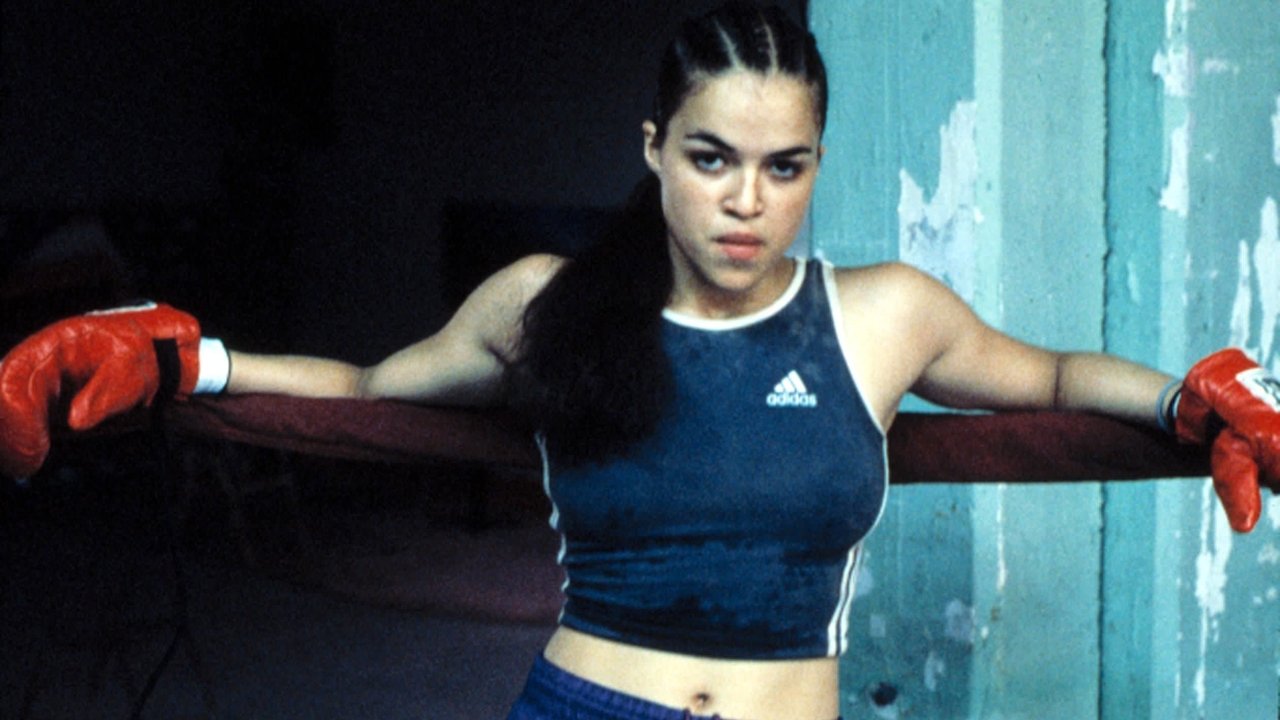

For a debut feature, Karyn Kusama's direction is remarkably assured. She doesn't shy away from the brutality of the sport, but her focus remains squarely on the human drama. The boxing sequences feel visceral and real, eschewing flashy Hollywood choreography for something grittier, more exhausting. You feel the impact of the punches, the gasping for breath, the sheer physical toll. Kusama, who penned the script herself after undertaking some boxing training for research, demonstrates a keen understanding of this world and, more importantly, of her protagonist’s inner life.
It’s fascinating to remember this film emerged from the Sundance Film Festival in 2000, where it deservedly won both the Grand Jury Prize and the Directing Award. Made on a shoestring budget of around $1 million – a fact almost palpable in its raw, unpolished aesthetic – it was a testament to the power of independent vision. Getting a film centered on a young Latina boxer financed and made was no small feat at the time, making its critical success even more significant. Kusama wasn't just telling a story; she was carving out space for narratives often ignored by the mainstream.
More Than Just Punches
Beyond the ropes, Girlfight digs into compelling themes. It's fundamentally about finding discipline and channeling destructive impulses into constructive action. Diana’s journey isn’t just about learning to jab and hook; it’s about learning self-control, respect (both giving and receiving it), and the difficult path to self-worth. The film confronts gender expectations head-on, not through preachy monologues, but through Diana’s sheer persistence in a male-dominated world. Her burgeoning romance with fellow boxer Adrian (Santiago Douglas) adds another layer, exploring tenderness and rivalry in equal measure, questioning if love and ambition can coexist in the ring. Does her success inevitably threaten his ego? The film navigates these questions with sensitivity.
The atmosphere is thick with the textures of urban life – the rumble of the subway, the cramped apartments, the echoing clang of weights in the gym. It feels lived-in, authentic. This isn't a sanitized sports movie; it's a character study grounded in a specific, tough reality.
Lasting Impact
While perhaps not a massive box office hit (grossing around $1.7 million), Girlfight's impact was undeniable. It launched Michelle Rodriguez into superstardom and established Karyn Kusama as a director with a distinct voice (she would later helm genre films like Jennifer's Body (2009) and the tense thriller The Invitation (2015)). It stands as a powerful counterpoint to more conventional sports dramas, celebrated for its unflinching portrayal of female strength and resilience. Even two decades later, watching Diana find her footing, both literally and figuratively, feels potent and necessary. It reminds us that sometimes the toughest fights aren't against an opponent, but against the limitations others – and we ourselves – try to impose.
***
Rating: 9/10
Girlfight earns this high score for its powerhouse central performance from Michelle Rodriguez, Karyn Kusama's confident and empathetic direction, its authentic atmosphere, and its resonant exploration of complex themes. It’s a raw, gripping, and ultimately inspiring piece of independent cinema that punches well above its weight, delivering an emotional knockout that stays with you long after the credits roll. It perfectly captured a specific turn-of-the-millennium indie spirit, feeling both timeless in its themes and distinctively grounded in its era.