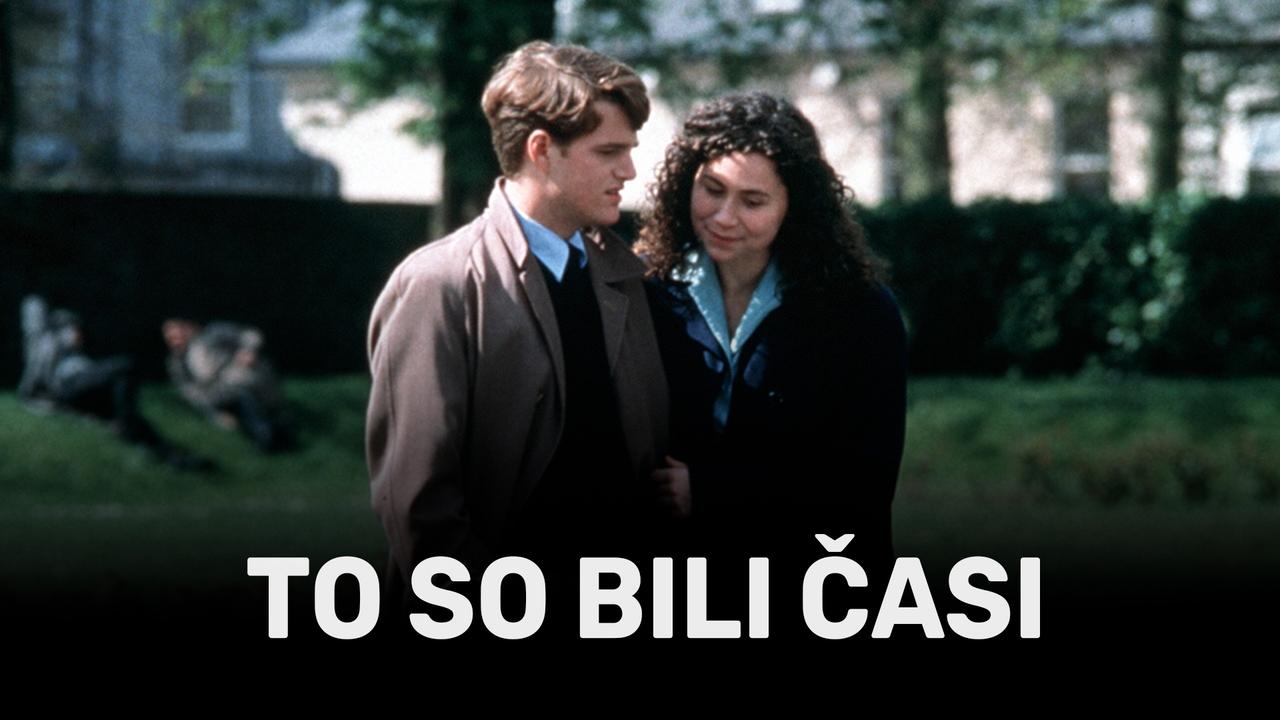
There's a particular kind of quiet yearning captured in those first steps away from home, isn't there? That hesitant footfall onto the path of adulthood, carrying the weight of expectation and the thrill of the unknown. Watching Circle of Friends (1995) again recently, that specific feeling washed over me – the potent blend of hope and naivety that defined Benny Hogan’s journey from the sleepy village of Knockglen to the bustling quads of University College Dublin in the late 1950s. It’s a film that, much like its source material by the beloved Maeve Binchy, wraps you in warmth even as it prepares to touch on life’s sharper edges.
### From Village Lanes to City Lights
Director Pat O'Connor, who previously gave us the evocative Cal (1984), masterfully establishes the contrasting worlds Benny navigates. Knockglen feels cocooned, almost timeless, under the watchful eyes of family and the local church. Dublin, by contrast, pulses with new energy, intellectual debate, and the tempting promise of romantic possibilities. The cinematography captures this beautifully, shifting from the soft greens and greys of the countryside to the more imposing, slightly intimidating stone architecture of the university. It’s 1957 Ireland, a place grappling with tradition and nascent change, and the film breathes this atmosphere – the palpable social constraints, the whispered judgments, the omnipresent influence of Catholicism dictating choices both large and small.
At the heart of it all is Bernadette "Benny" Hogan, brought to life with such radiant authenticity by Minnie Driver in what remains a career-defining breakout role. It’s difficult to overstate how perfectly she embodied Benny’s spirit – her intelligence, her yearning, her fundamental goodness, all bundled with a self-consciousness about not fitting the conventional mould of beauty. It’s a performance built on nuanced reactions and quiet strength, making Benny instantly relatable and someone you fiercely root for.
### The Weight of Authenticity
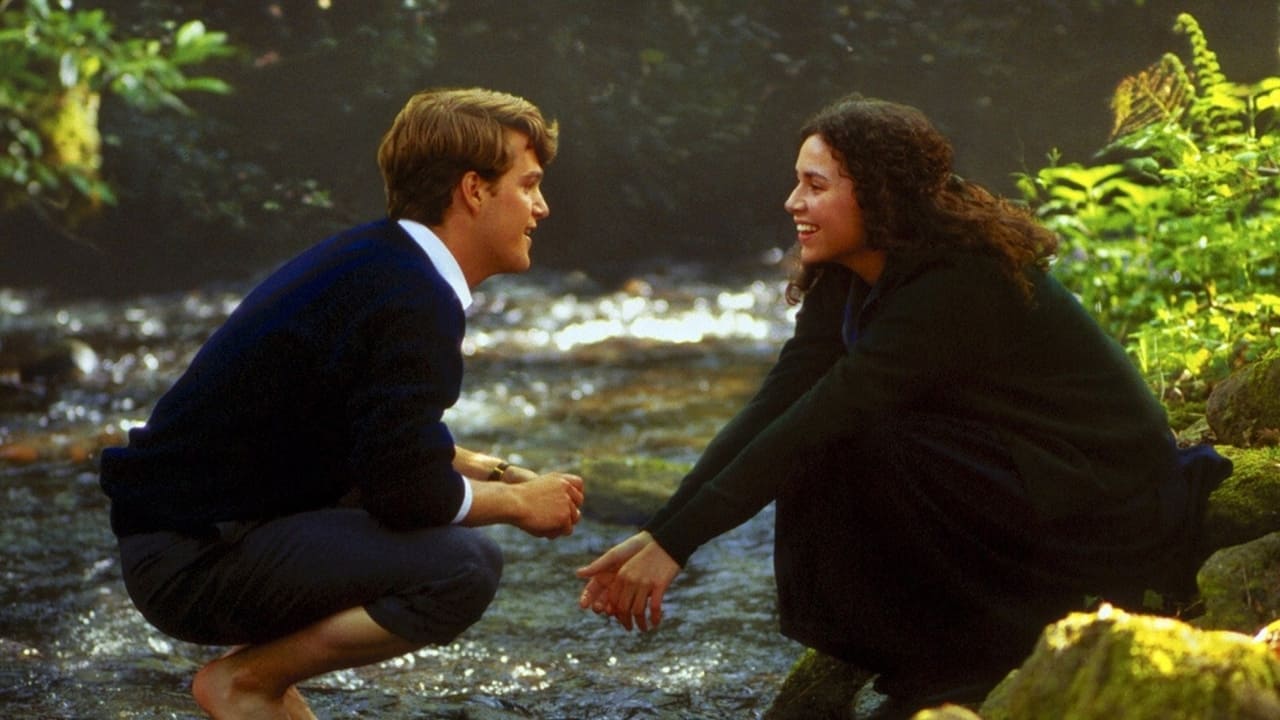
It's well-documented trivia now, but Minnie Driver famously gained considerable weight for the role, a decision that anchors the film's exploration of appearance and self-worth. In an era often dominated by impossibly slender leads, seeing a protagonist like Benny – vibrant, desired, yet grappling with societal standards – felt quietly revolutionary back in '95. This wasn't just a plot point; it was woven into the fabric of her character, influencing her interactions and her initial surprise at attracting the attention of the charming, seemingly perfect Jack Foley, played by Chris O'Donnell. Their chemistry is tentative and sweet, capturing the awkward, exhilarating rush of first love against the backdrop of strict curfews and disapproving glances. O'Donnell, then at the height of his youthful stardom, projects an easy charm that makes Jack's later complexities all the more impactful.
One fascinating bit of casting history involves the character of Simon Westward, the slightly older, wealthier Protestant landowner who represents a different kind of temptation for Benny's friend Nan. He’s played with a reserved intensity by Colin Firth, fresh off his iconic turn as Mr. Darcy in the BBC's Pride and Prejudice which aired the same year Circle of Friends was released. Seeing him here, in a role tinged with moral ambiguity, offers a compelling counterpoint to the romantic hero archetype he was simultaneously cementing in the public consciousness. It adds another layer to the film’s exploration of class and societal divides.
### Friendship Forged and Fractured
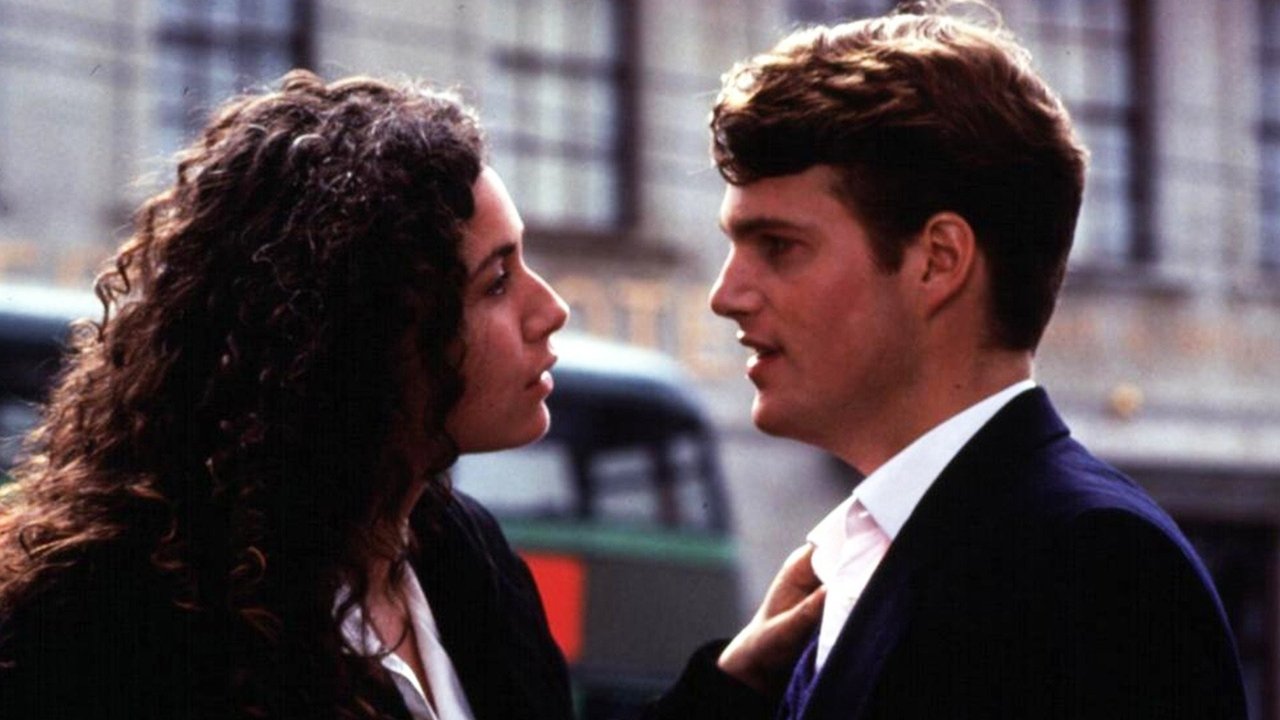
While the romance between Benny and Jack forms the central narrative thread, the film’s title underscores the importance of female friendship. Benny’s bond with the ambitious, beautiful Nan Mahon (Geraldine O'Rawe) and the more pragmatic Eve Malone (Saffron Burrows, in an early role) is initially depicted with warmth and shared confidence. They are navigating university life together, sharing secrets and dreams. However, the screenplay by Andrew Davies (a master adapter, also known for that aforementioned Pride and Prejudice) doesn't shy away from the fissures that ambition, jealousy, and betrayal can create. O'Rawe is particularly effective as Nan, conveying both her desperate desire for escape and the calculating edge that drives her actions. The eventual fracture in their circle feels painful and deeply believable, asking uncomfortable questions about loyalty and the pressures that can test even the strongest bonds. Does ambition inevitably curdle friendship when circumstances become desperate?
It’s worth noting for fans of Maeve Binchy’s novel that the film streamlines the narrative and notably softens some of the book's harsher outcomes, particularly concerning Nan’s fate. While some purists might lament these changes, they arguably make the film adaptation a more accessible, albeit slightly less complex, romantic drama. The core emotional truths, however, remain powerfully intact. This Andrew Davies adaptation truly captures the spirit of Binchy's storytelling – the warmth, the humour, the keenly observed social dynamics, and the underlying resilience of its characters.
### Lasting Impressions
What lingers most about Circle of Friends isn't just the nostalgic glow of a well-told period romance, but the authenticity of its emotions. It remembers what it feels like to be young, hopeful, and occasionally heartbroken. It treats its characters, even those who make poor choices, with a degree of understanding. The film doesn't offer easy answers, acknowledging that life rarely unfolds like a perfect fairytale, even when set against the charming backdrop of 1950s Ireland. The production design and costumes meticulously recreate the era, enhancing the feeling of stepping back in time, making this 90s romantic drama feel both specific and timeless.
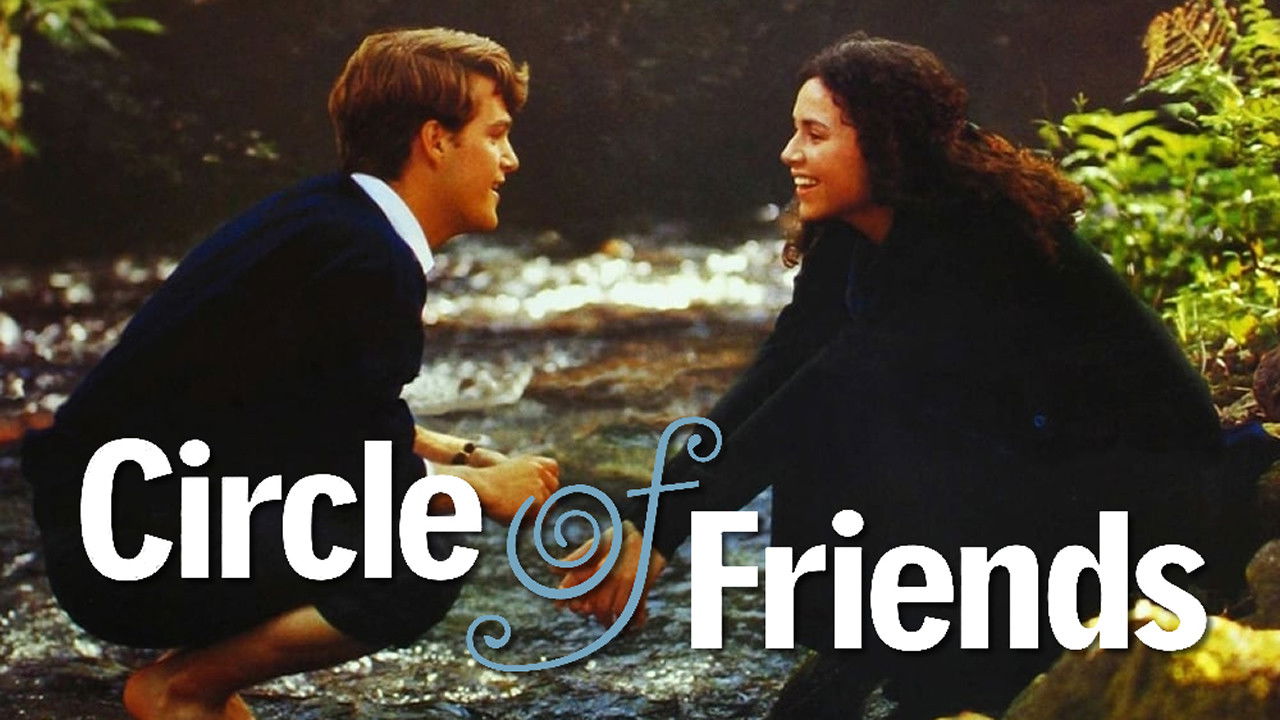
Rating Justification: 8/10
Circle of Friends earns a strong 8 out of 10. It excels through Minnie Driver's absolutely captivating lead performance, the beautifully realised sense of time and place, and its thoughtful exploration of first love, female friendship, and societal constraints. The supporting cast is uniformly strong, and Pat O'Connor's direction sensitively balances warmth with moments of genuine emotional weight. While the adaptation slightly softens the edges of Binchy's novel and Chris O'Donnell's character arc feels perhaps a touch less developed than Benny's, these are minor points against a film that delivers so much heart and charm. It’s a comforting, intelligent, and ultimately moving piece of 90s cinema that holds up remarkably well, particularly for its honest portrayal of burgeoning adulthood.
It leaves you pondering not just the choices Benny makes, but the quiet strength required to navigate a world that doesn't always align with your dreams. A true gem from the video store era, well worth revisiting.