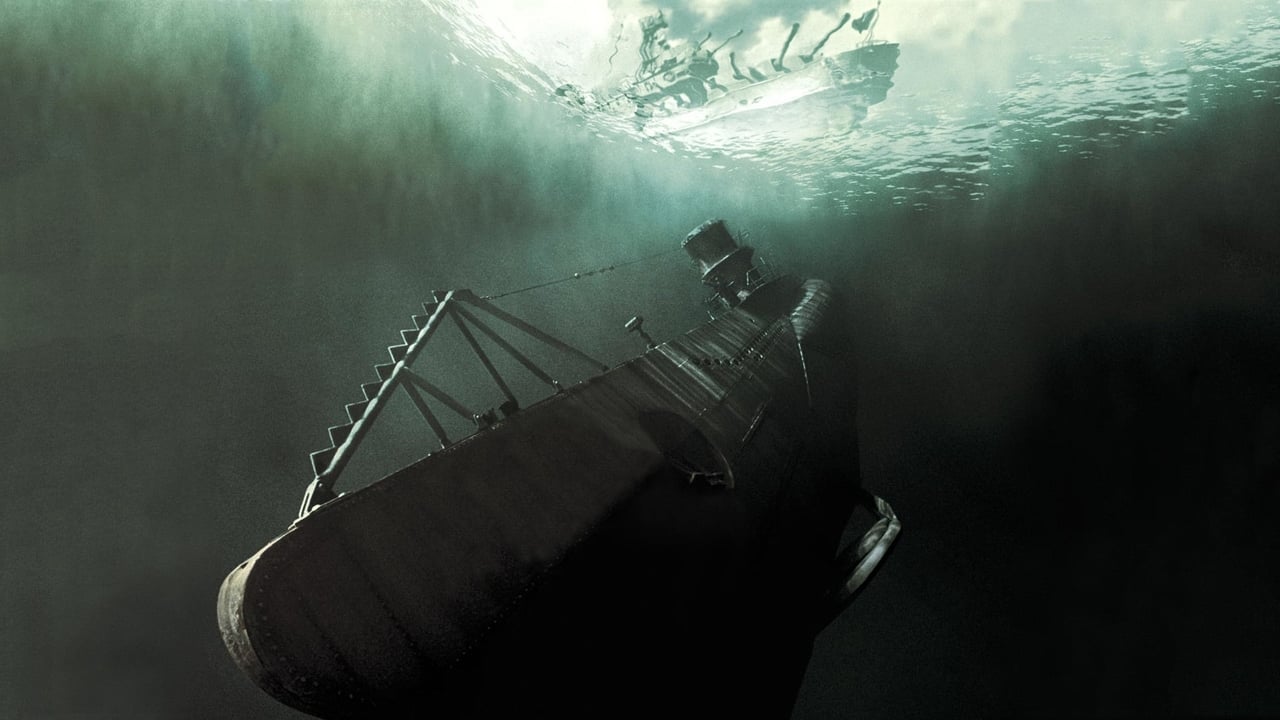
The groan of stressed metal, the rhythmic ping of sonar cutting through the oppressive silence, the sudden, violent concussion of a depth charge – these aren't just sound effects in U-571. They are the very pulse of the dread that director Jonathan Mostow masterfully orchestrates. Released in 2000, right on the cusp of the digital revolution but still breathing that palpable, analog tension we craved on our CRTs, this film doesn't just depict underwater warfare; it submerges you in its cold, crushing embrace. Forget easing in; U-571 throws you straight into the deep end, where the pressure outside is matched only by the rising panic within.
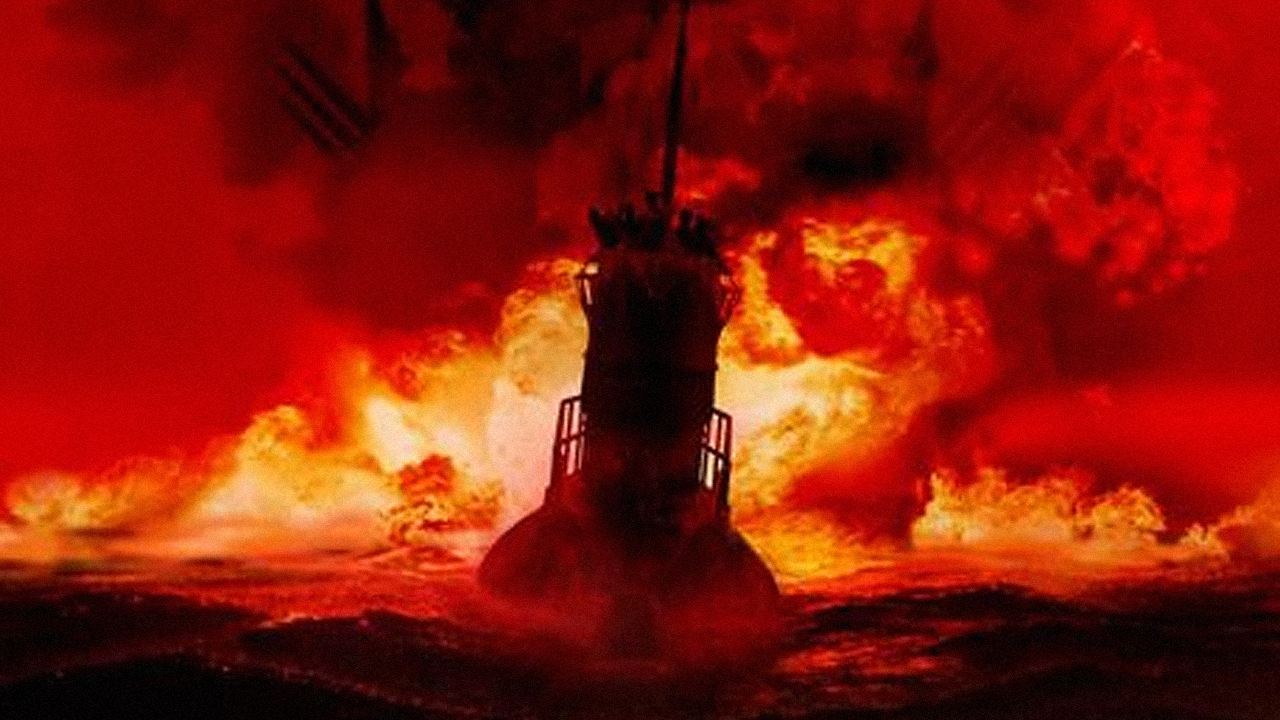
Into the Pressure Cooker
The premise is classic wartime high-stakes: a daring mission by a US submarine crew, disguised as Germans, to capture an Enigma encryption device from a crippled Nazi U-boat. Leading the boarding party is Lt. Andrew Tyler (Matthew McConaughey), an ambitious executive officer initially deemed not ready for command, who finds leadership thrust upon him under the most harrowing circumstances imaginable. The setup is pure, distilled thriller fuel, playing on claustrophobia and the constant threat of unseen enemies in the murky depths. Mostow, who had previously given us the taut highway thriller Breakdown (1997), proves adept at maximizing the inherent tension of the submarine setting. The camera rarely offers escape, lingering in cramped corridors, tight control rooms, and the perpetually damp, echoing confines of the captured German U-boat.
Building a Submarine (and Controversy)
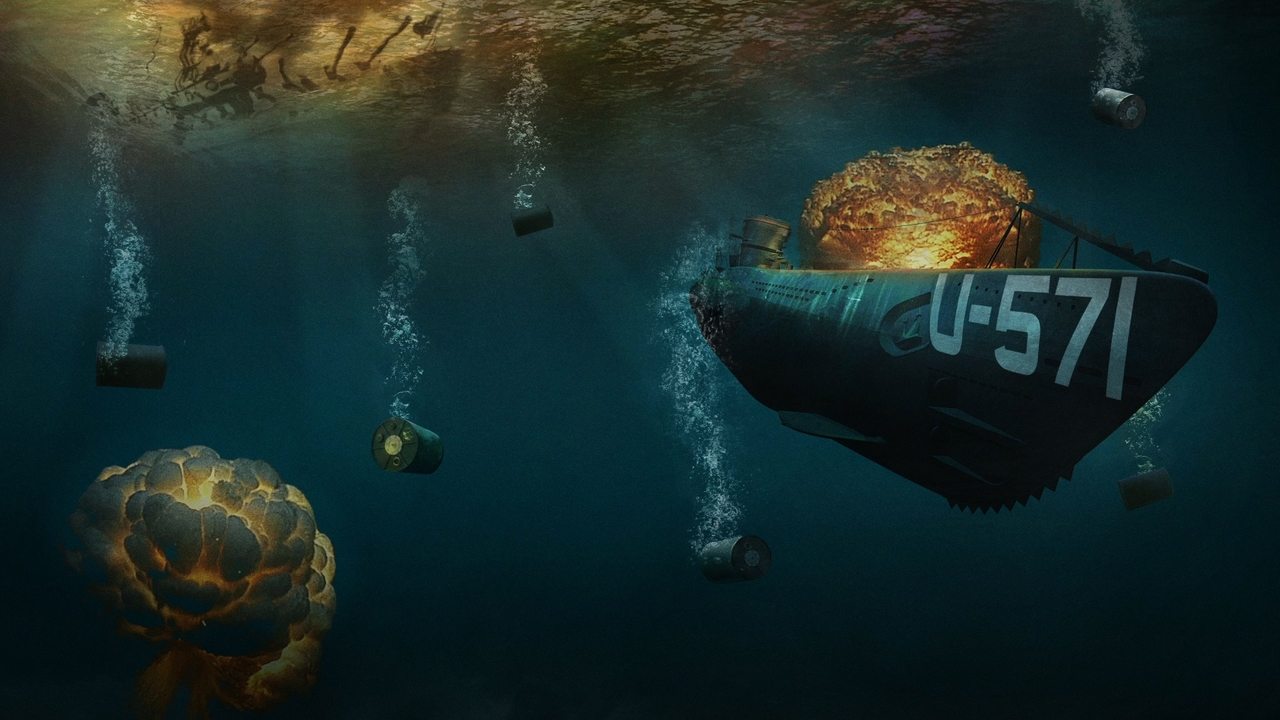
The sense of confinement feels disturbingly real, largely thanks to the incredible production design. Forget CGI vistas; U-571 relied heavily on massive, tangible sets. Multiple full-scale submarine sections were constructed, some mounted on complex hydraulic gimbals capable of simulating the violent rocking and tilting during depth charge attacks. Apparently, these movements were so severe during filming that actors occasionally suffered from seasickness, even on dry land! This dedication to practical immersion pays dividends on screen, lending a weight and authenticity to the chaos that digital effects often struggle to replicate. You feel the impacts, the lurching instability of their steel prison. This commitment extended below the waterline too, with complex underwater filming taking place in large tanks in Malta, adding another layer of gritty realism to the exterior shots and surface breaches.
Of course, you can't discuss U-571 without addressing the historical elephant in the room. The film depicts Americans capturing the crucial Enigma machine, a feat primarily achieved by the British Royal Navy (specifically the capture of Enigma materials from U-110 by HMS Bulldog in May 1941, long before the US even entered the war). This fictionalization caused considerable controversy, particularly in the UK, even prompting then-Prime Minister Tony Blair to condemn the inaccuracies in Parliament. While the filmmakers added a closing credit acknowledging the Royal Navy's vital role, the core narrative remains a Hollywood-ized version of events. It’s a significant liberty, one that undeniably colours the film’s legacy, shifting it from historical document to pure, albeit effective, wartime thriller.
Faces Under Pressure
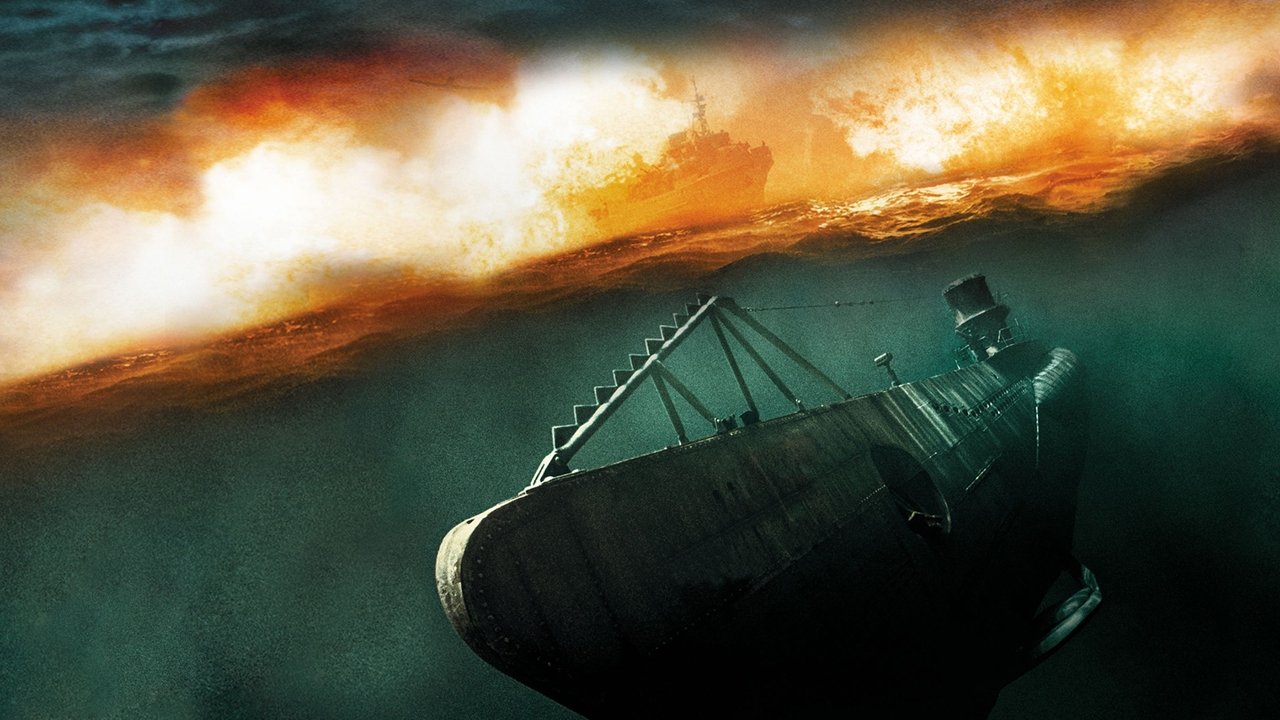
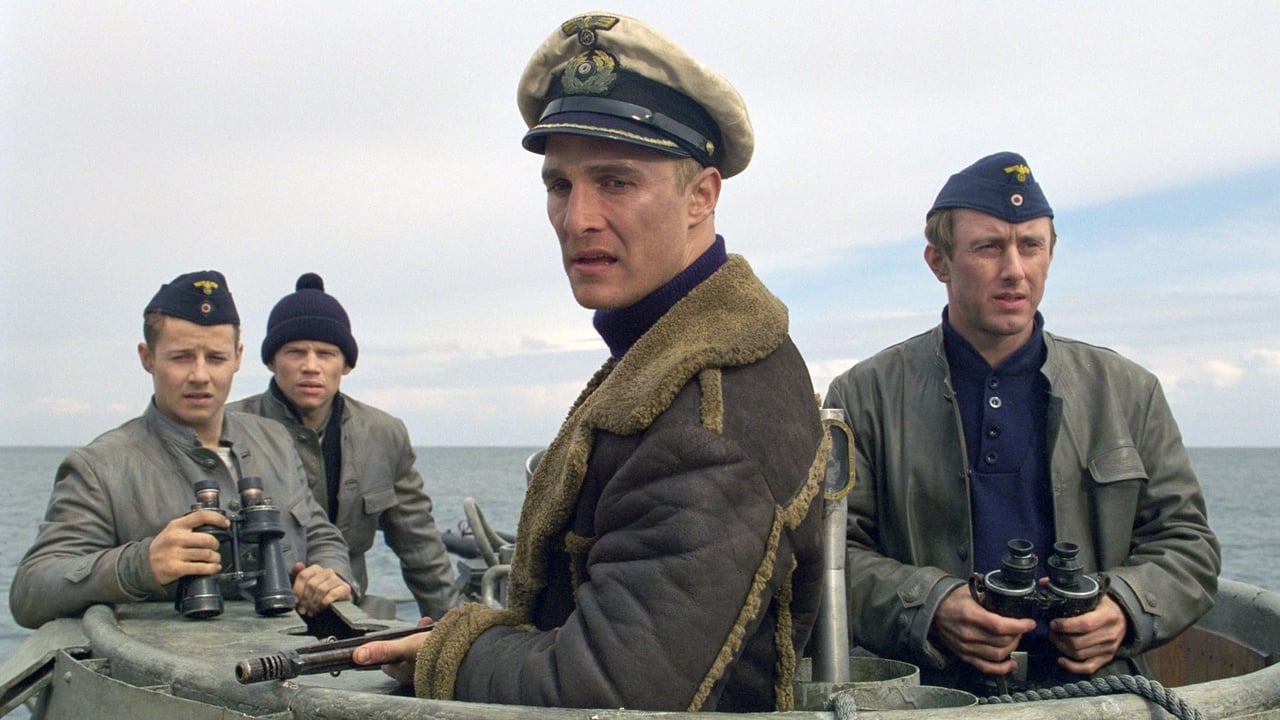
Despite the historical fudging, the cast delivers performances that ground the high-concept premise. Matthew McConaughey, then solidifying his leading man status, effectively portrays Tyler’s steep learning curve from capable officer to decisive commander under fire. His initial anxieties give way to a hardened resolve that feels earned. He’s flanked by stellar character actors who lend crucial gravitas. The late, great Bill Paxton brings his reliable everyman quality to Chief Klough, the seasoned veteran who initially doubts Tyler. And Harvey Keitel provides weathered authority as Chief Gunner's Mate Henry Klough, embodying the experience and sacrifice of the enlisted men. Even Jon Bon Jovi, in a surprising but capable turn as Lieutenant Pete Emmett, adds to the ensemble's desperate energy. Their interactions crackle with the tension of men pushed to their absolute limits.
The Sound of Fear
If the visuals create the claustrophobia, the sound design creates the terror. U-571 deservedly won the Academy Award for Best Sound Editing, and it’s easy to see (or rather, hear) why. The underwater world is rendered with terrifying sonic detail: the chilling ping of enemy sonar searching for them, the groans and creaks of the hull under immense pressure threatening imminent collapse, the muffled explosions of depth charges feeling both distant and terrifyingly close. The score by Richard Marvin complements this perfectly, avoiding bombast for long stretches, instead favouring low, ominous tones that underscore the constant, simmering dread before swelling during moments of intense action. It's a masterclass in using sound to manipulate audience anxiety. Does anyone else remember how profoundly quiet parts of this film felt in the cinema or on a good home setup, making the sudden noises utterly jarring?
Legacy in the Depths
As a piece of historical record, U-571 is undeniably flawed, taking significant liberties for dramatic effect. It sparked legitimate debate about Hollywood’s responsibility when portraying real events. However, judged purely as a submarine thriller – a genre that relies on suspense, confined spaces, and the psychological toll of unseen threats – it remains remarkably effective. Mostow crafts a genuinely tense, often nerve-shredding experience built on strong practical effects, immersive sound design, and committed performances. It captures that specific feeling of being trapped, hunted, and constantly on the verge of catastrophe that defines the best examples of the genre.
### Rating: 7/10
Justification: U-571 earns a solid 7 primarily for its masterful execution as a suspense thriller. The direction, sound design (Oscar-worthy), practical effects, and committed performances create a genuinely gripping and claustrophobic atmosphere that holds up remarkably well. The tension is palpable throughout. However, the significant historical inaccuracies regarding the Enigma capture cannot be ignored and detract from its overall standing, preventing it from reaching higher marks reserved for films that either respect history more faithfully or exist entirely in fiction. It succeeds brilliantly as tense entertainment but stumbles as historical representation.
It remains a potent example of the late-90s/early-2000s approach to the war film – less concerned with nuanced history, perhaps, than with delivering a visceral, high-stakes cinematic experience. It’s a reminder of how effectively practical filmmaking could ratchet up the tension, long before digital dominance, leaving you feeling the pressure long after the credits roll.