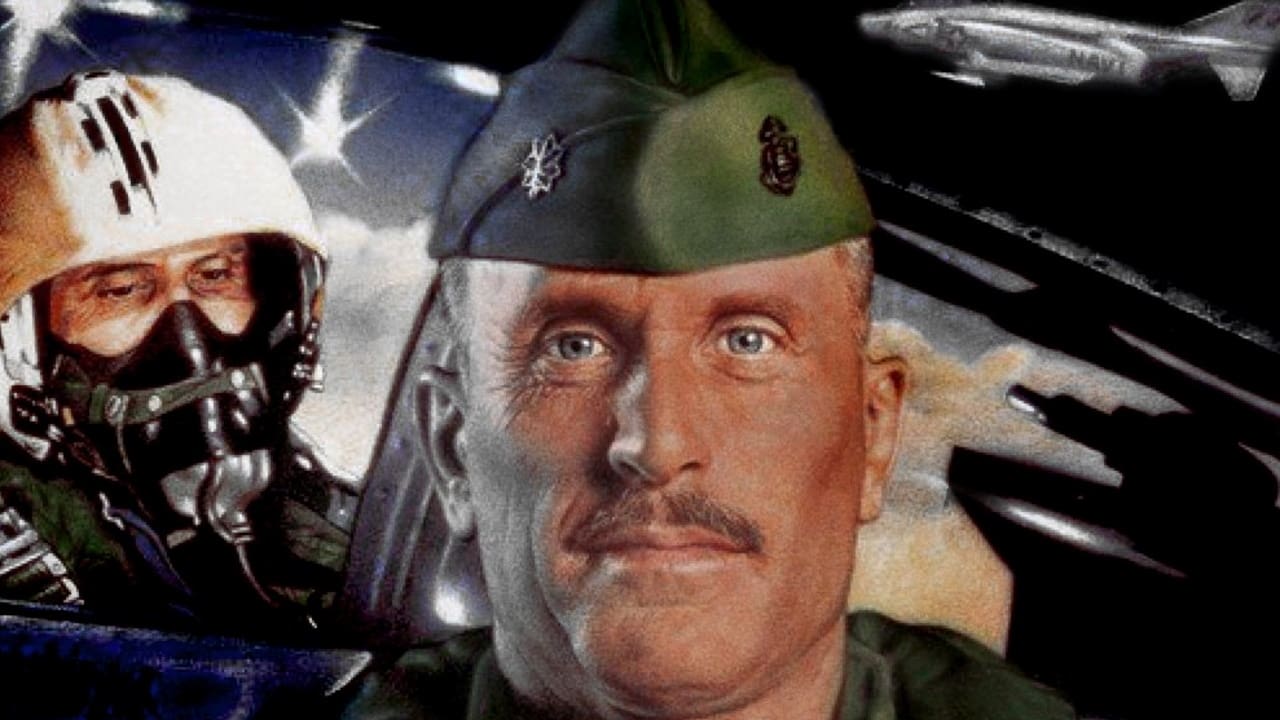
How does a man forged in the crucible of war navigate the quiet battlefields of his own home? The Great Santini doesn't flinch from this question; it stares it down, much like its central character stares down anyone who dares challenge him. Watching it again, decades after first seeing that worn Orion Home Video clamshell on the rental shelf, the film's power hasn't dimmed. If anything, the intervening years have only sharpened the edges of its complex, often painful, portrayal of family life under the command of Lt. Col. Wilbur "Bull" Meechum, a Marine fighter pilot who brings the discipline – and the tyranny – of the barracks into his living room.
A Father's War at Home
Set in Beaufort, South Carolina, in 1962 (the same town where author Pat Conroy grew up and where the film was shot, adding a palpable layer of authenticity), the story follows the Meechum family’s relocation. For Bull (Robert Duvall), it's just another posting. For his wife, Lillian (Blythe Danner), and their children, particularly eldest son Ben (Michael O'Keefe), it’s another turbulent adjustment to life under the thumb of a man who demands excellence, loyalty, and obedience above all else, often confusing love with relentless pressure. Conroy based the novel, of course, on his own relationship with his Marine aviator father, Donald Conroy, Sr. – a fact that lends the narrative an undeniable, often uncomfortable, weight of truth. You feel the lived experience behind the fiction.
Duvall's Towering Storm
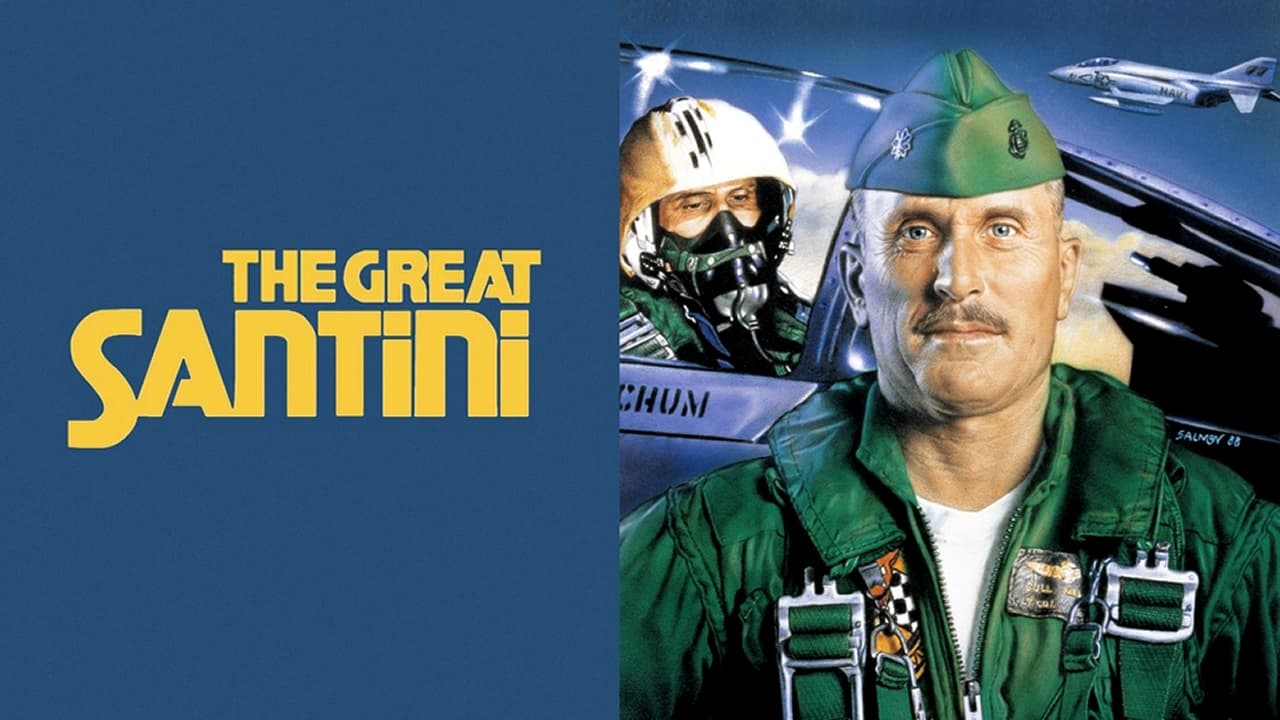
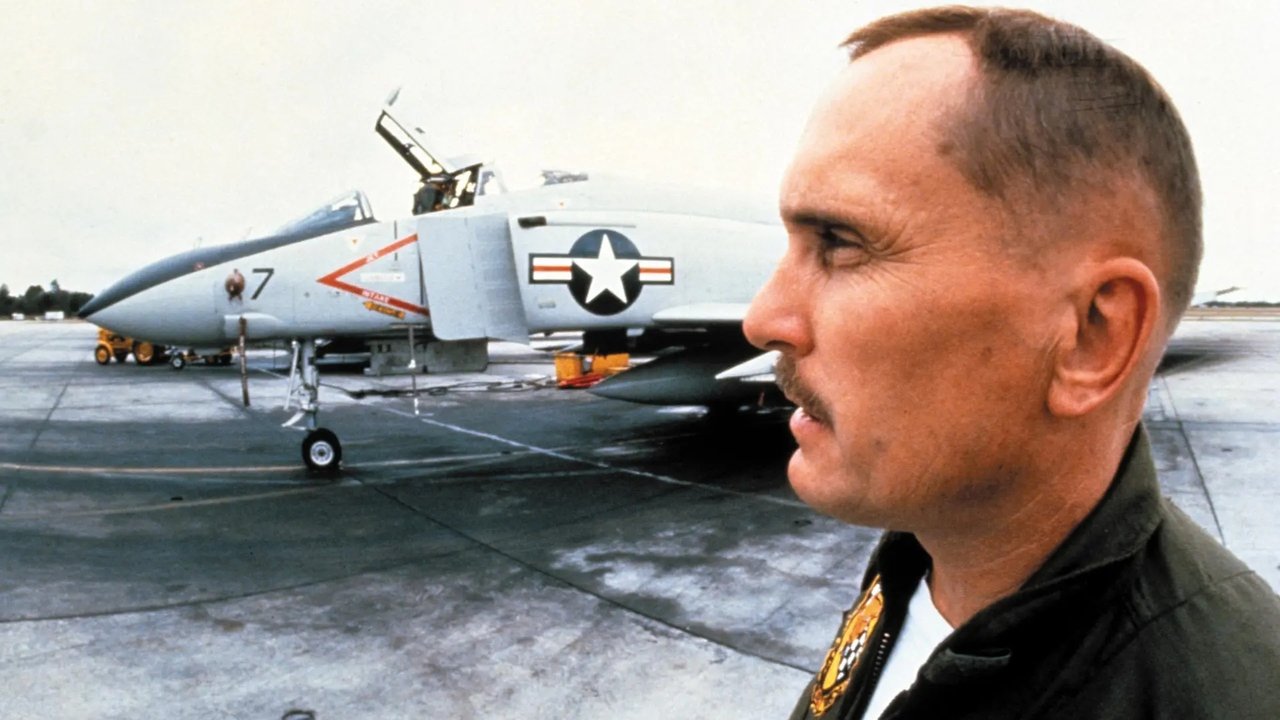
It’s impossible to discuss The Great Santini without focusing on Robert Duvall's monumental performance. Nominated for an Academy Award, his Bull Meechum is magnetic and terrifying in equal measure. He’s the self-proclaimed "Great Santini," a man whose ego fills every room, whose booming pronouncements and aggressive competitiveness dominate his family. Duvall doesn't play him as a simple monster, though. There are glimpses of vulnerability, a desperate need for validation masked by bravado, and even moments of twisted affection. He reportedly spent time with the real Donald Conroy, Sr., absorbing the man's mannerisms and contradictions, and it shows. Duvall embodies the conflict: the warrior struggling with peacetime, the father whose only language for love seems to be combat. Was there ever a more potent portrayal of that specific brand of mid-century, military-bred masculinity, both its strengths and its devastating flaws?
The Family Under Fire
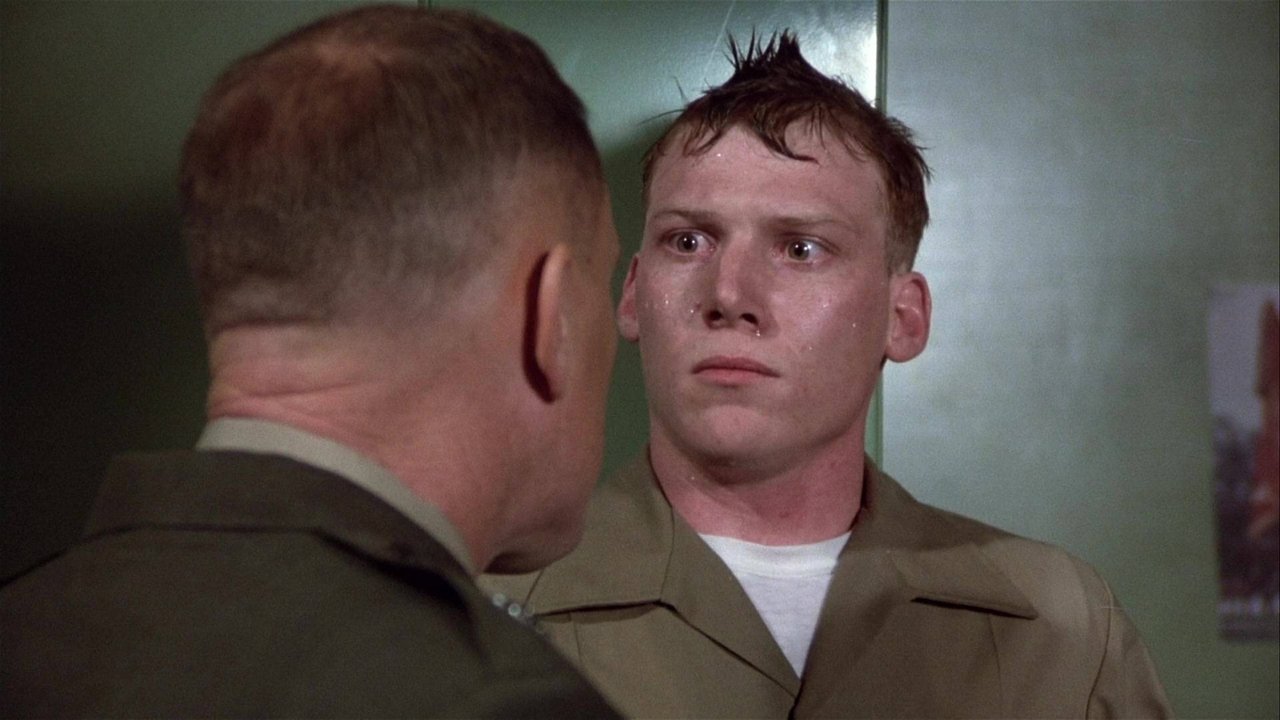
Against this force of nature, the rest of the cast shines. Blythe Danner is heartbreakingly subtle as Lillian, the quintessential Southern steel magnolia, absorbing Bull's emotional shrapnel with a practiced grace that barely conceals the deep wounds beneath. Her quiet resilience, her attempts to mediate and protect her children, are deeply affecting. And Michael O'Keefe, also earning an Oscar nomination, is pitch-perfect as Ben. He captures the agonizing push-pull of adolescence under an oppressive father: the yearning for approval, the simmering resentment, the dawning realization that he must define himself outside his father's shadow. The infamous one-on-one basketball game between father and son remains a masterclass in screen tension, a physical battle that lays bare the emotional war raging between them – a scene reportedly drawn directly from Conroy's own life.
From Page to Screen, A Bumpy Ride
Director Lewis John Carlino, who also adapted Conroy's novel, handles the material with sensitivity and restraint. He lets the performances breathe and trusts the power of the story, avoiding melodrama. The film feels grounded, observational, letting the inherent drama of the family dynamics unfold naturally. It’s a testament to the strength of the film that it overcame a very troubled release. Initially shelved by Orion Pictures, who seemed unsure how to market such an intense family drama, The Great Santini only found its audience after strong critical support and word-of-mouth, significantly boosted by those Oscar nominations. Made for around $4.5 million, it wasn't a box office smash initially, but its reputation grew, cementing its place as a significant, if sometimes overlooked, piece of late-70s cinema – a film many of us likely discovered later, perhaps on a recommendation, tucked away in the 'Drama' section of the video store.
Retro Fun Fact: Pat Conroy famously had a complicated relationship with the book's title, which was imposed by his publisher. He initially hated it, feeling it almost trivialized the difficult subject matter, though he later came to accept it as the world knew his father through that moniker.
What Lingers After the Credits Roll
The Great Santini isn't always an easy watch. It forces us to confront uncomfortable truths about family, abuse, loyalty, and the paradoxical ways love and pain can intertwine. Bull Meechum isn't easily categorized; he's a patriot, a skilled pilot, a man capable of charm, but also deeply damaged and damaging. The film doesn't offer easy answers or neat resolutions. Instead, it leaves you contemplating the complex legacies parents leave their children, the struggle to break cycles, and the quiet heroism often required just to survive family life. Doesn't that complexity feel more real than many simpler screen depictions?
Rating: 9/10
This near-perfect score is earned through the sheer force of Robert Duvall's career-defining performance, strongly supported by Blythe Danner and Michael O'Keefe, and Lewis John Carlino's sensitive, unflinching direction. The film tackles profound themes with honesty and nuance, adapting Pat Conroy's personal story into a universally resonant drama. Its troubled release only adds to its legacy as a film that fought for its audience, much like Ben fights for his own identity.
It's a film that stays with you, a potent reminder from the cusp of the 80s that the most intense battles are often fought not on foreign soil, but within the four walls of home.