It begins, and ends, with Faye Dunaway. There’s simply no discussing Frank Perry’s 1981 adaptation of Christina Crawford’s explosive memoir, Mommie Dearest, without confronting the supernova at its center. Watching it again, decades after first sliding that imposing Paramount VHS tape into the VCR – perhaps rented with the vague notion of a Hollywood tell-all – is to be mesmerized, baffled, and perhaps deeply unsettled all over again by one of the most ferocious and debated performances of the era. Was it a meticulously researched portrayal of a troubled icon, or something that spiraled into operatic camp? Does it even matter? The sheer, unblinking commitment burns itself onto your memory.

Beyond the Wire Hangers
Yes, that scene. The "No wire hangers... EVER!" explosion is undeniably the film's most infamous moment, a cultural touchstone that launched a thousand drag impersonations and cemented the film's reputation as unintentional high camp. And let's be honest, it’s a scene of such startling, Kabuki-esque intensity, it’s impossible to look away. But Mommie Dearest offers more than just quotable rage. Perry, who also co-wrote the screenplay (along with Robert Getchell, Tracy Hotchner, and Frank Yablans, based on Christina Crawford's book), crafts a surprisingly polished, almost classical Hollywood biopic structure around these volcanic eruptions. The cinematography has a glossy sheen, the period details are meticulously recreated, and the narrative traces Joan Crawford's life from ambitious actress to lonely, controlling matriarch.
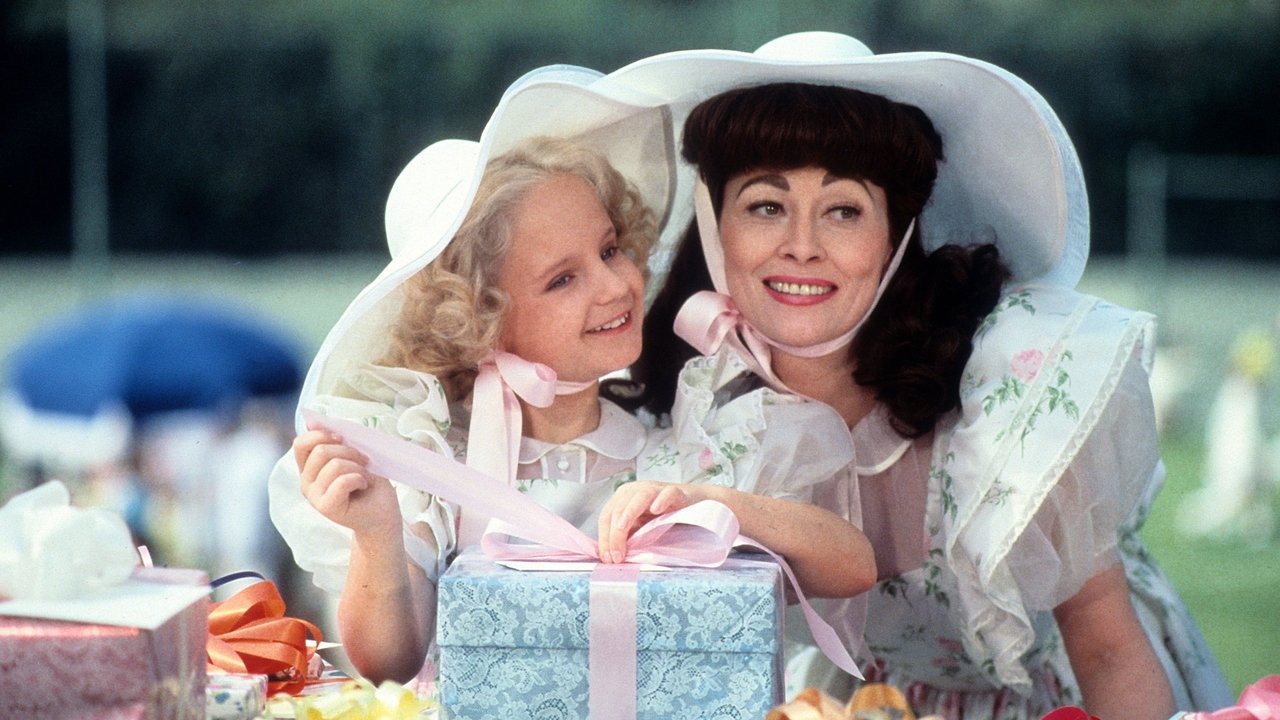
The film is built on the unstable foundation of Christina Crawford's harrowing account of physical and emotional abuse at the hands of her adoptive mother. It presents Joan not just as a movie star, but as a figure consumed by obsession – with cleanliness, control, her career, and the public perception she so desperately manicured. Dunaway, it's said, rigorously researched Joan, watching her films, studying her interviews, even meeting people who knew her. Reportedly, she felt she was Crawford on set, a level of Method immersion that perhaps explains the performance's terrifying conviction. Yet, this dedication led to something so large, so stylized, that it often overshadows the quieter, potentially more insidious moments of manipulation depicted.
A Performance for the Ages (For Better or Worse)
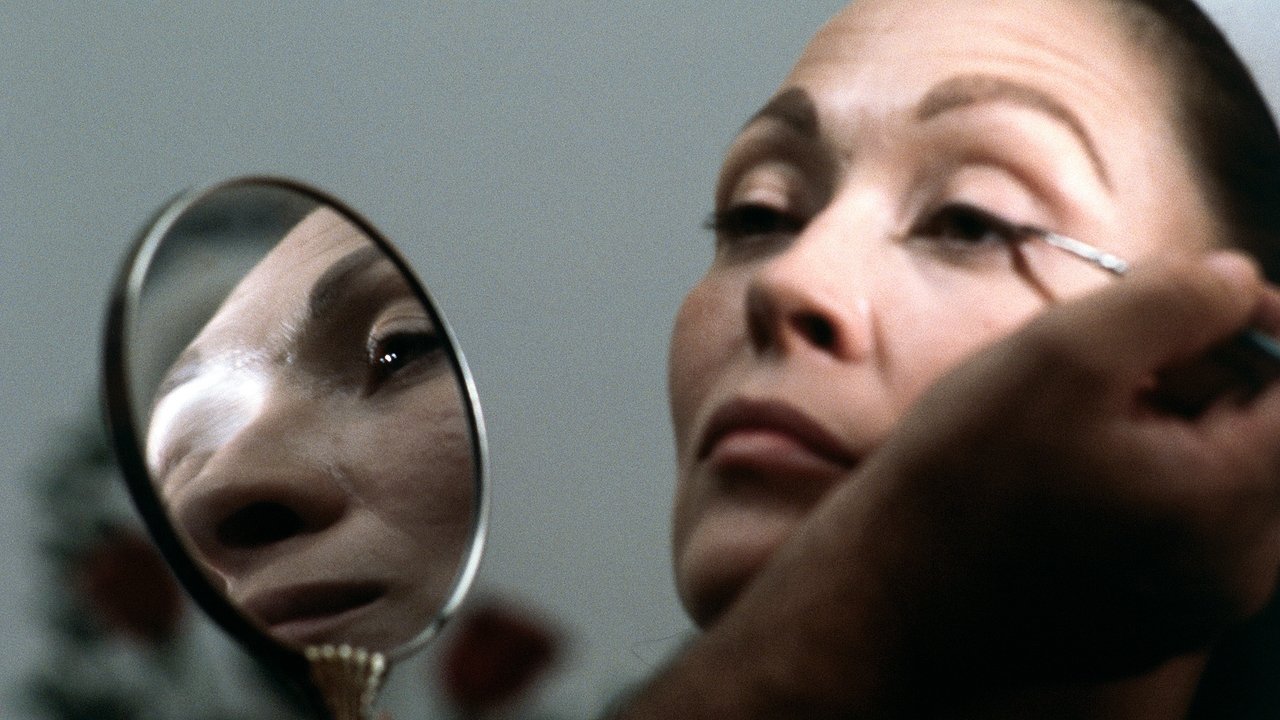
What makes Dunaway’s portrayal so eternally fascinating? It's the unwavering intensity, the way she embodies Crawford's legendary perfectionism right down to the arched eyebrows and the clipped, precise diction. But it’s also the moments where the mask seems to slip, not into vulnerability, but into something primal and terrifying. The infamous cold cream scene, the pool sequence, the horrific nighttime destruction of the rose garden – these aren't just depictions of anger; they feel like seismic events. Dunaway pushes past realism into a realm of heightened emotion that borders on expressionism. You’re not just watching an actress play Joan Crawford; you feel like you’re witnessing an exorcism.
Supporting players like Diana Scarwid as the adult Christina and Steve Forrest as Greg Savitt offer grounded counterpoints, their reactions often mirroring the audience's own mix of fear and disbelief. Scarwid, in particular, carries the weight of the survivor's trauma, though she's inevitably overshadowed by the force of nature playing her mother. It's a tricky balancing act – how do you portray monstrous behaviour without tipping into caricature? The film, perhaps unintentionally, often lands squarely in the latter.
From Prestige Picture to Midnight Movie
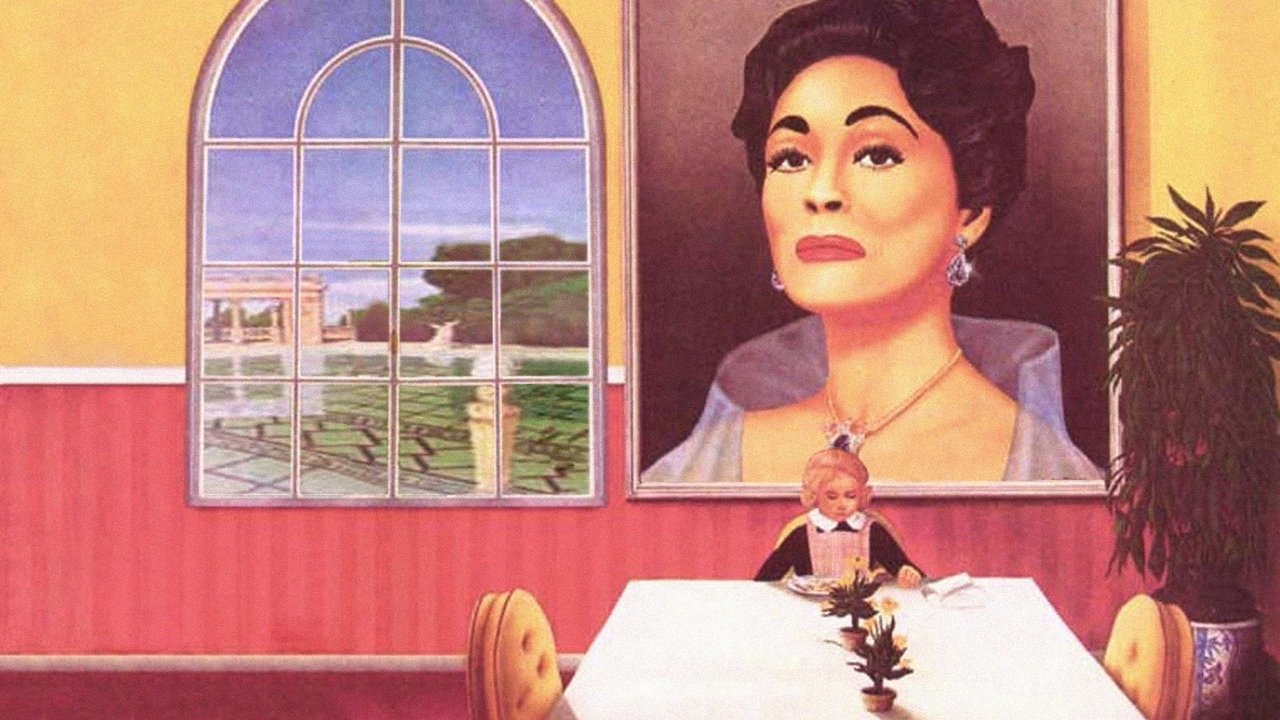
It's fascinating to remember that Mommie Dearest wasn't initially intended as the camp classic it became. Paramount Pictures marketed it as a serious drama, a prestige picture exposing the dark side of Hollywood glamour. Faye Dunaway, an Oscar winner for Network (1976) and iconic in films like Bonnie and Clyde (1967) and Chinatown (1974), was aiming for another awards-worthy role. The initial critical reception was mixed-to-negative, but audiences reacted... differently. Laughter erupted in theatres during the most intense scenes. Paramount, sensing a shift, leaned into the burgeoning cult status, even changing the ad campaign tagline to emphasize the shocking elements ("The biggest mother of them all!"). This trajectory is pure VHS-era gold – the kind of film whose reputation mutated through word-of-mouth at video stores, discussed with a mix of awe and bewildered amusement. Could a film depicting child abuse really be funny? The discomfort of that question is part of its enduring, uneasy legacy. Did the film inadvertently trivialize Christina's experiences through its sheer excess? It's a debate that continues.
The production itself reportedly cost around $5 million, a modest sum even then, but it became a significant box office success, grossing over $39 million worldwide (that's roughly $120 million today, adjusted for inflation). Its financial success, however, came at a cost to Dunaway's career momentum, with the actress later lamenting how the role's notoriety impacted perceptions of her work.
The Verdict from the Couch
Revisiting Mommie Dearest is like unearthing a strangely compelling artifact. It’s technically well-made, features a central performance of undeniable power (regardless of how you interpret it), and tells a story that, at its core, is deeply disturbing. Yet, its tonal inconsistencies and Dunaway's operatic portrayal push it into a unique space between harrowing drama and unintentional, high-gloss camp. It’s a film that demands a reaction, provoking debate about performance, exploitation, and the strange alchemy that turns tragedy into something audiences consume with fascinated horror, and sometimes, uncomfortable laughter. It’s not subtle, it’s not always comfortable, but it is unforgettable.
Rating: 6/10
Justification: The film is technically proficient and anchored by an iconic, albeit controversial, central performance that burns itself into memory. However, its tonal whiplash between serious drama and unintentional camp, alongside the valid questions about whether it sensationalizes or trivializes the alleged abuse, prevents a higher score. It succeeds spectacularly as a cinematic spectacle and a cult object, but less consistently as the nuanced drama it perhaps initially aspired to be.
Final Thought: Mommie Dearest remains a fascinating, flawed, and utterly singular piece of 80s cinema – a film whose reputation became as large and complex as the larger-than-life figure it attempted to portray. Just maybe keep the wire hangers out of reach while watching.