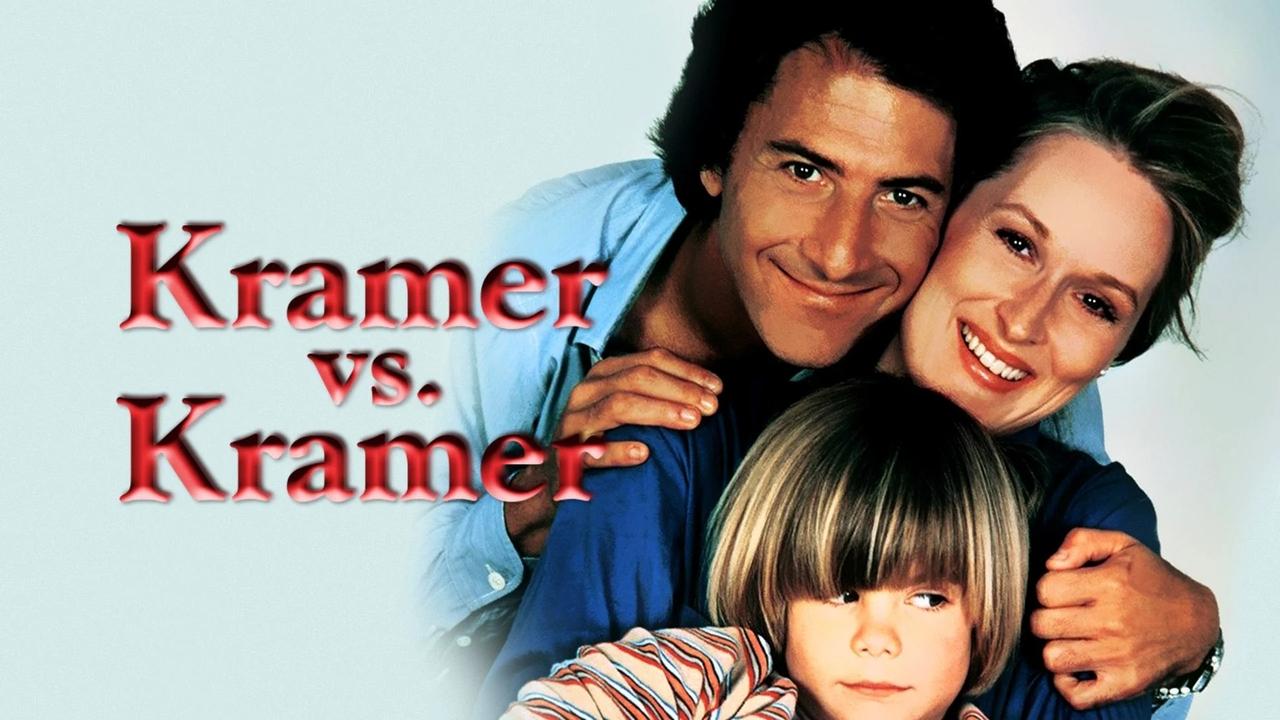
Okay, settle in, maybe dim the lights a bit. Remember pulling this tape off the shelf? Not the usual action flick or sci-fi adventure, was it? Kramer vs. Kramer felt different even then, heavier. It starts not with a bang, but with the quiet closing of a door, and the echo of that sound lingers long after the credits roll. It’s a film that doesn't offer easy escapes, plunging us instead into the messy, heart-wrenching reality of a family dissolving.
### The Unraveling Thread
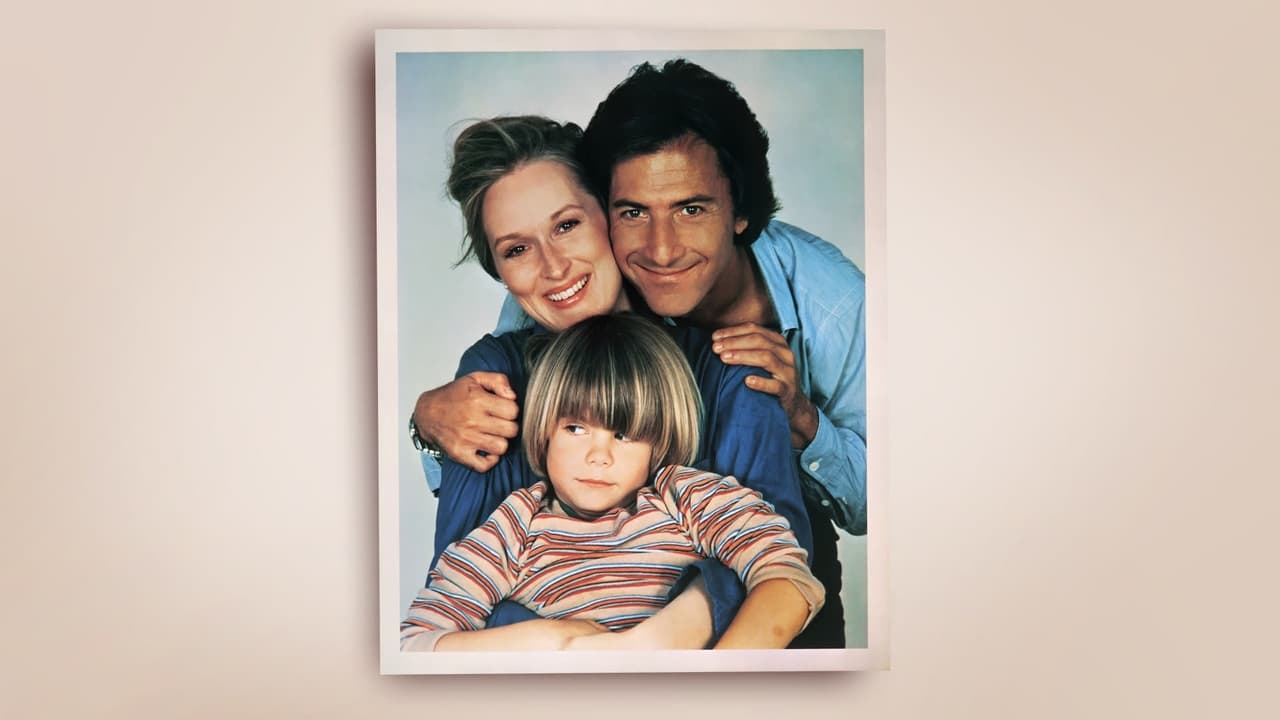
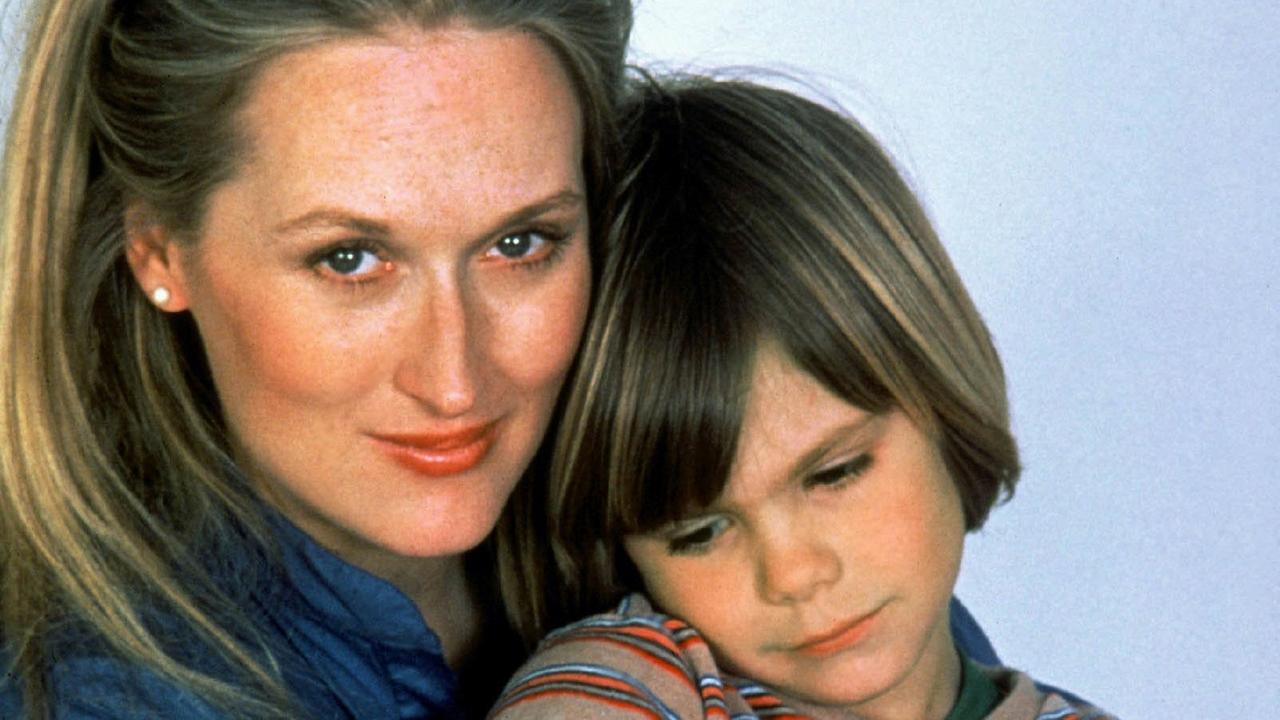
The premise, delivered with blunt force in the opening minutes, is stark: Joanna Kramer (Meryl Streep, in a performance that cemented her arrival as a major force, following her Oscar nod for The Deer Hunter the previous year) leaves her advertising executive husband Ted (Dustin Hoffman) and their young son, Billy (Justin Henry). She needs to find herself, leaving Ted – career-obsessed, largely absent as a father – suddenly adrift in the uncharted waters of single parenthood. What follows isn't a comedic romp of paternal incompetence, but a raw, often painful depiction of adjustment, frustration, and the forging of a new, deeper bond under duress. Director Robert Benton, who also adapted Avery Corman's novel and had previously penned the script for Bonnie and Clyde (1967), crafts something intimate and uncomfortably real. There's no glossy Hollywood filter here; the cramped New York apartments feel lived-in, the struggles feel authentic.
### Learning to Make French Toast, Learning to Be a Father
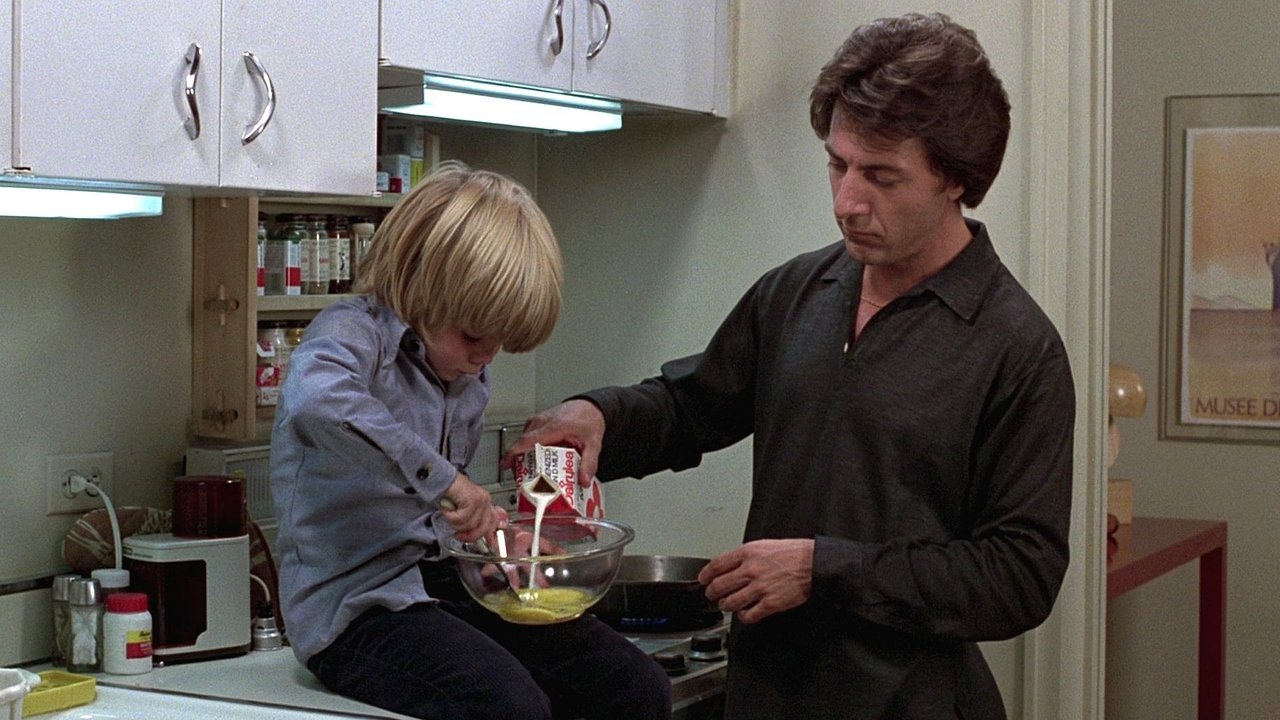
Much of the film's power lies in the evolving relationship between Ted and Billy. Dustin Hoffman, already a screen giant known for transformative roles like Midnight Cowboy (1969), delivers a performance of staggering vulnerability. We see Ted's initial panic, his fumbling attempts at domesticity – the disastrous French toast scene is iconic for a reason, capturing humour born from sheer desperation. But beneath the surface struggles, Hoffman charts Ted's gradual transformation from a self-absorbed workaholic into a genuinely devoted father. He learns patience, sacrifice, and a fierce, protective love for his son. Young Justin Henry, in a debut performance that remains the youngest ever nominated for a Best Supporting Actor Oscar, is simply astonishing. There’s no hint of precociousness or ‘acting’; his confusion, his tears, his moments of quiet understanding feel utterly genuine, grounding the film’s emotional core. Benton reportedly worked closely with Henry, often setting up situations to elicit natural reactions rather than relying on line readings, a technique that paid off beautifully.
### When Absence Returns
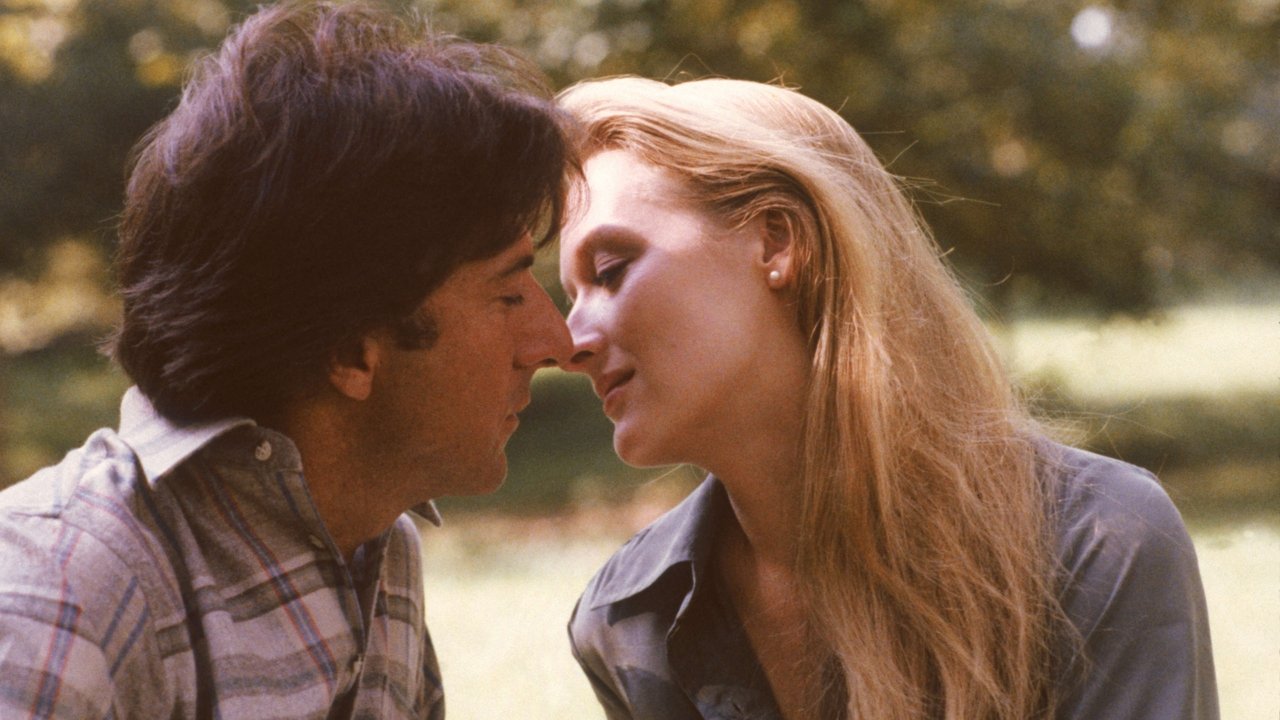
Just as Ted and Billy find their rhythm, Joanna returns, healthier, employed, and wanting custody. This pivot shifts the film into its second act: the titular legal battle. What elevates Kramer vs. Kramer is its refusal to paint Joanna as a villain. Meryl Streep imbues her with a quiet strength and palpable pain. Her reasons for leaving, initially unclear, gain nuance. She wasn't abandoning her son maliciously; she was drowning. It’s a testament to Streep’s skill, and reportedly her own input – she famously rewrote her pivotal courtroom speech to give Joanna more depth and justification, feeling the original script leaned too heavily against her character. Benton wisely agreed, recognizing the power of her interpretation. This complexity forces us, the audience, into an uncomfortable position: who deserves custody? The film bravely suggests there are no easy answers, only devastating choices with lasting consequences.
### Raw Edges and Real Sparks
The authenticity wasn't just on the page. Tales from the set often highlight the intense atmosphere, particularly between the leads. Dustin Hoffman, known for his immersive methods and going through his own divorce at the time, sometimes pushed boundaries. The famous restaurant scene, where Ted smashes a wine glass against the wall in anger, reportedly caught Streep completely by surprise – her shocked reaction is real, shards apparently even landing in her hair. While such methods are debatable, the undeniable rawness they generated translated powerfully onto the screen, adding another layer to the friction between Ted and Joanna. This commitment to realism, despite the personal toll it might have taken, contributed significantly to the film's impact. Made for a modest $8 million, Kramer vs. Kramer became a cultural phenomenon and a box office smash, grossing over $106 million domestically (that's well over $400 million adjusted for inflation today) and sweeping the major Oscars: Best Picture, Director, Actor (Hoffman), Supporting Actress (Streep), and Adapted Screenplay (Benton). It clearly struck a nerve.
### More Than Just a Movie
Watching Kramer vs. Kramer today, decades removed from its initial release, its power hasn’t diminished. It captured a specific cultural moment – the rising divorce rates, the shifting conversations around gender roles and parental responsibilities – but its core themes are timeless. It asks profound questions about what constitutes a family, the sacrifices inherent in love, and the emotional wreckage left by conflict, particularly on children caught in the middle. The film doesn't offer neat resolutions or triumphant victories, opting instead for a bittersweet, realistic conclusion that acknowledges the enduring pain even amidst attempts at civility. Remember finding this on the 'Drama' shelves at the video store? It stood out because it felt less like escapism and more like life, reflected back at us on that flickering CRT screen.
Rating: 9/10
This rating reflects the film's exceptional, authentic performances, particularly from Hoffman, Streep, and Henry, Benton's sensitive direction, and its brave, nuanced exploration of difficult themes. It avoids easy sentimentality, earning its emotional impact through raw honesty. While undeniably a product of its time in some ways, its core human drama remains incredibly potent and relevant.
It leaves you contemplating not just the story, but the very definition of parenthood and the deep, often messy, complexities of love and loss within a family. A truly significant film from the era, one that resonates long after the VCR clicked off.