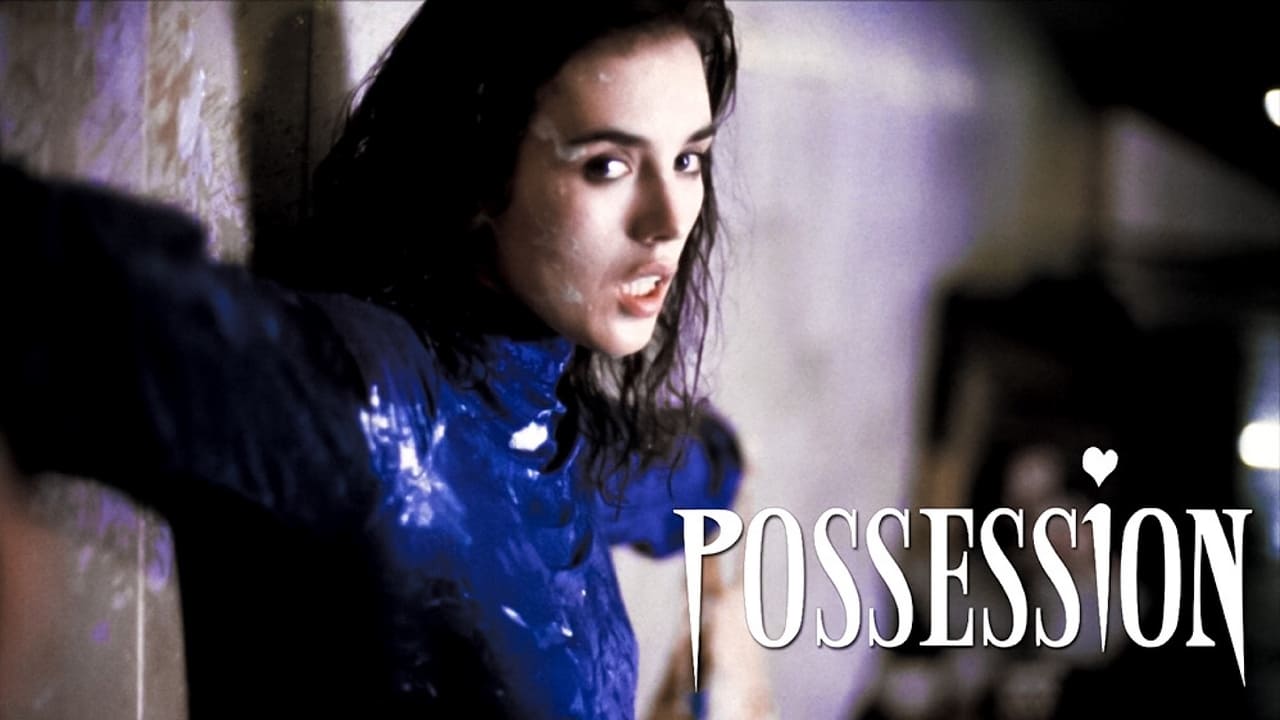
It begins not with a bang, but with a suffocating stillness. A couple sits opposite each other, the air thick with unspoken words, the weight of finality pressing down. Mark (Sam Neill) has returned home to West Berlin, to his wife Anna (Isabelle Adjani), only to find the relationship fractured beyond repair. But Possession isn't just a breakup movie. It's a descent into a uniquely harrowing abyss, a cinematic nervous breakdown captured on celluloid that feels less like a story being told and more like a raw nerve being exposed. Watching it, especially back in the dim glow of a CRT, felt like witnessing something forbidden, something intensely, dangerously personal.
Berlin: A City Divided, A Psyche Split
The choice of Cold War-era West Berlin isn't accidental. The city itself, bisected by the Wall, mirrors the fractured psyches of its characters. Director Andrzej Żuławski, pouring the anguish of his own recent divorce into the screenplay penned with Frederic Tuten, uses the oppressive, grey architecture and the palpable tension of the divided city as a canvas for profound emotional disintegration. The apartment shared by Mark and Anna feels less like a home and more like a battleground, then eventually, a tomb. The camera rarely sits still, mirroring the characters' escalating hysteria with frantic movements, unsettling close-ups, and dizzying pans. It’s a style that refuses to let you settle, constantly keeping you on edge, much like the characters themselves.
The Unforgettable Fury of Adjani

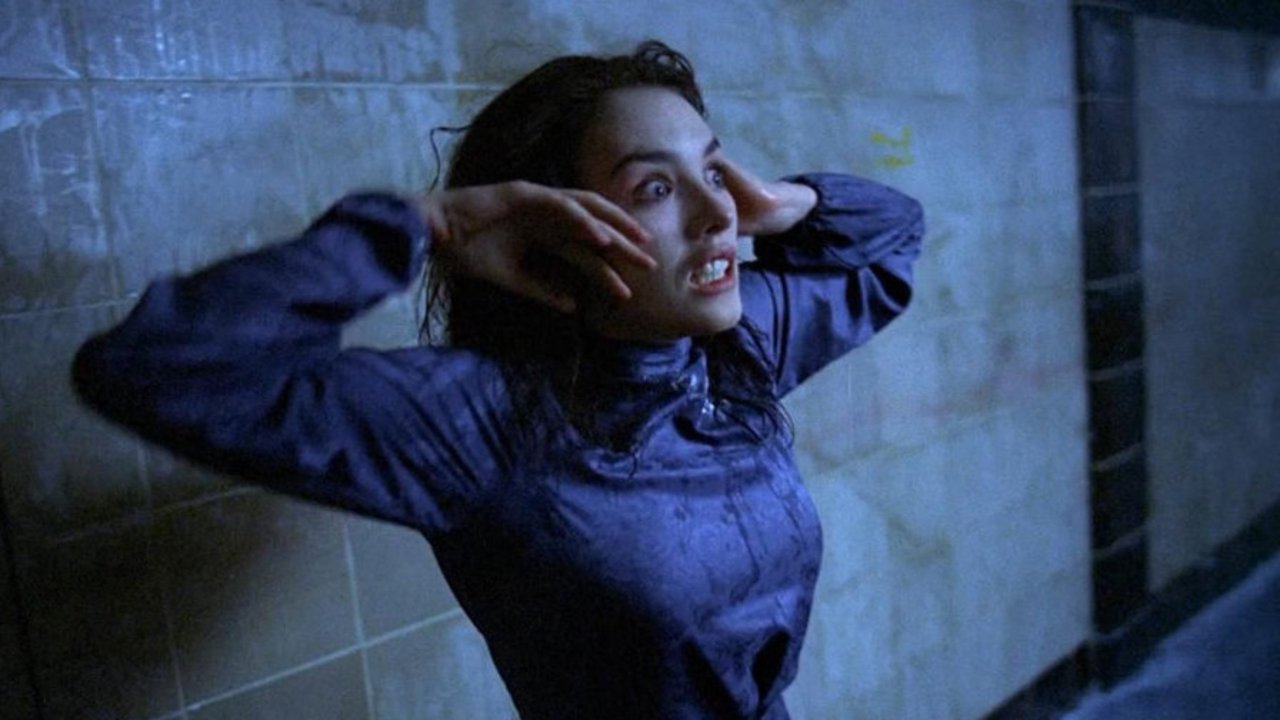
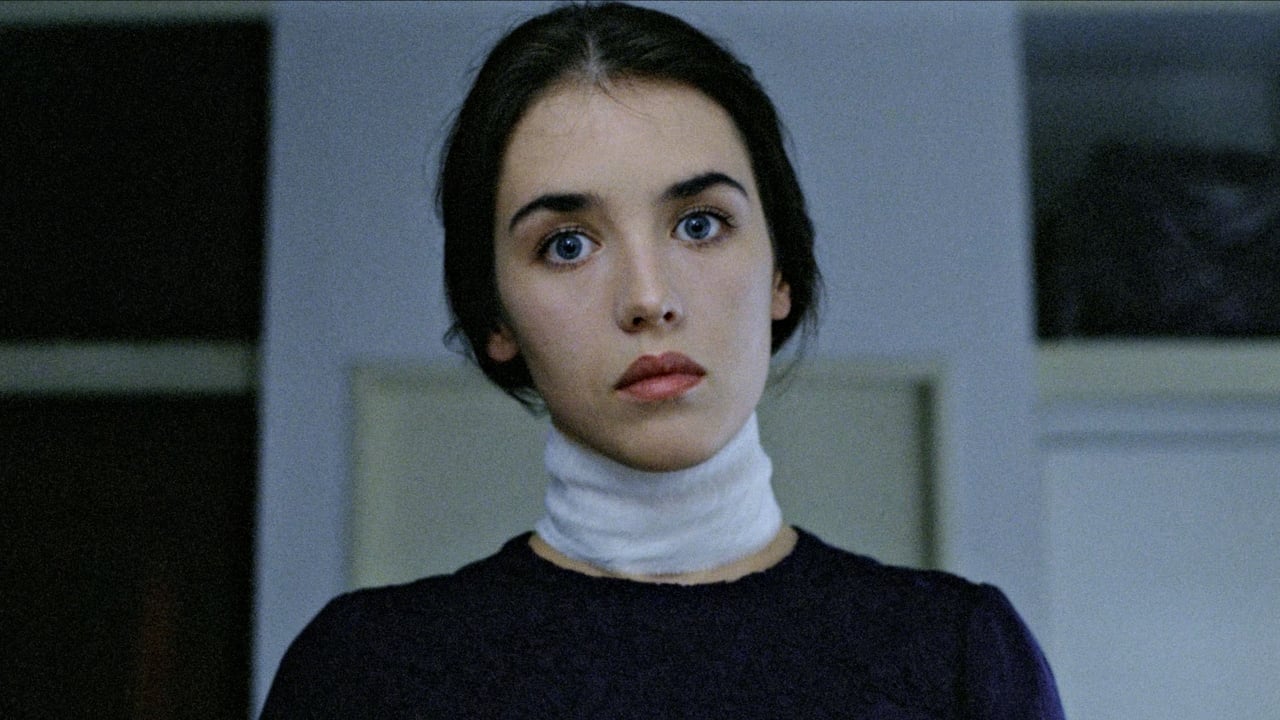
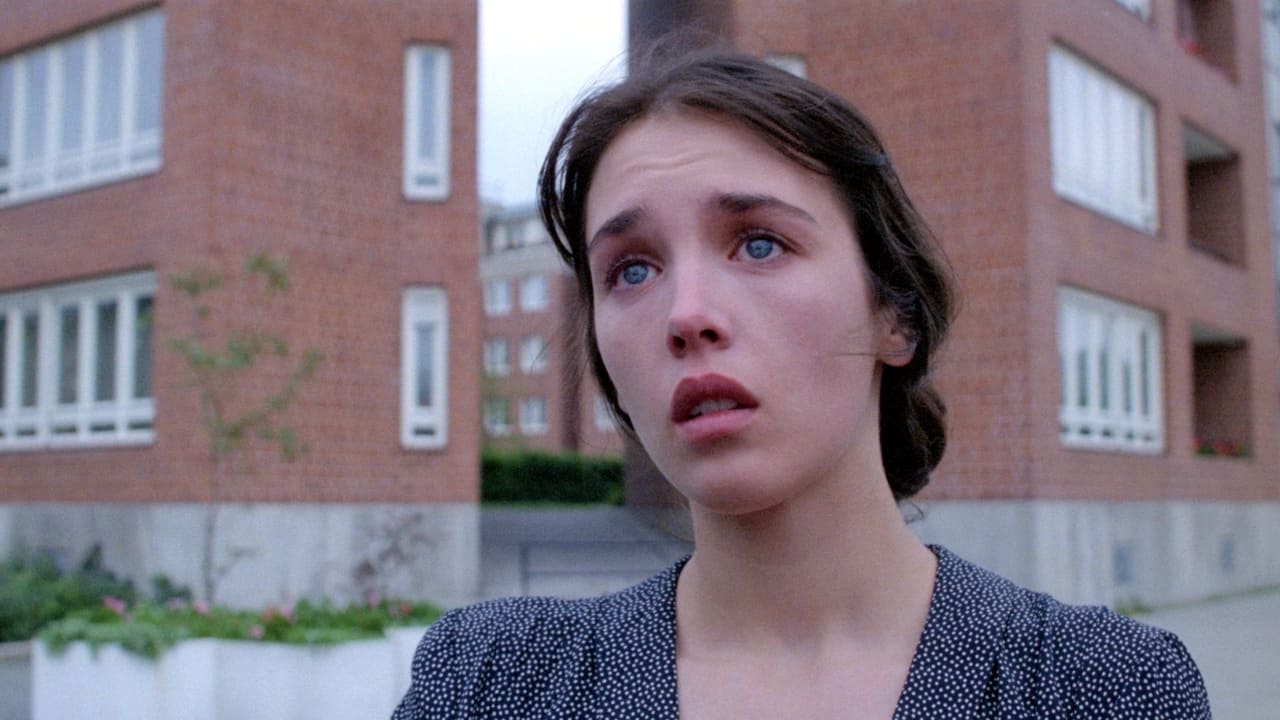
Let's be blunt: you cannot discuss Possession without discussing Isabelle Adjani. Her performance isn't just acting; it's a physical and emotional exorcism that remains one of the most staggering feats ever committed to film. As Anna unravels, torn between her husband, a new lover, and something far stranger and more sinister lurking in a squalid second apartment, Adjani throws herself into the abyss. The infamous subway miscarriage scene – reportedly performed in a single, grueling take – is the film's raw, bleeding heart. It's pure, primal anguish, a moment so visceral it’s almost unbearable to watch. Adjani herself has spoken about the immense toll the role took, admitting it took years to recover emotionally. It’s a performance fueled by something terrifyingly real, something Żuławski clearly tapped into, and it earned her a deserved Best Actress award at the Cannes Film Festival, even amidst the film's controversy. Sam Neill, fresh off Omen III: The Final Conflict and years before Jurassic Park, matches her intensity with his own downward spiral, portraying Mark's desperate, violent confusion with unnerving conviction. His breakdown, though less operatic than Anna's, is just as potent.
Beyond the Human Drama
While the marital psychodrama is potent enough, Żuławski pushes further into the realm of the bizarre and the grotesque. Anna's secret involves... something else. Something growing. The creature effects, designed by Carlo Rambaldi (the very same craftsman who brought the gentle E.T. the Extra-Terrestrial to life just a year later!), are deliberately unsettling, slimy, and tentacled. Seeing Rambaldi's name attached lends a strange layer – the mind behind one of cinema's most beloved aliens also conjured this pulsating nightmare. This isn't just about infidelity; it's about creation and destruction on a horrifying, elemental level. What exactly is the creature? A manifestation of Anna's desires? A literal demon? A metaphor for the monstrous aspects of love and obsession? The film offers no easy answers, preferring ambiguity that gnaws at you long after the credits roll.
A Troubled Past, A Lasting Scar
Possession didn't exactly have an easy journey. Its bleakness, violence, and sheer strangeness made distributors nervous. In the US, it was infamously butchered, shedding nearly 45 minutes of runtime to emphasize the creature/horror elements, losing much of the crucial character development and thematic depth. For years, many viewers in the Anglosphere only experienced this truncated, confusing version, often relegated to the "video nasty" shelves. Finding a complete cut on VHS felt like uncovering a lost, dangerous text. Thankfully, restorations have allowed modern audiences to see Żuławski's full, harrowing vision. The film's initial budget was reportedly around $2.4 million (a respectable sum then, maybe $8 million today), and while not a mainstream hit, its cult status has only solidified over the decades. It remains a touchstone for art-house horror, influencing filmmakers drawn to its unflinching portrayal of emotional extremes.
Final Judgment
Possession is not an easy watch. It’s demanding, upsetting, and at times, deeply disturbing. It weaponizes melodrama, pushes performances to their breaking point, and blends genres with reckless abandon. It’s a film that gets under your skin and stays there, pulsating with a dark, chaotic energy. The atmosphere is thick with dread, the visuals are unforgettable, and Adjani's performance is simply legendary. It's a portrait of disintegration – of love, of sanity, of the self – rendered with terrifying artistry. Does it still feel unnerving? Absolutely.
Rating: 9/10
Why this score? For its sheer audacity, its unforgettable central performance, its masterful creation of atmosphere, and its unflinching exploration of extreme emotional states. It loses a point perhaps for its deliberate obtuseness, which can be frustrating, and the sheer unrelenting intensity might alienate some viewers expecting traditional horror. But as a piece of challenging, visceral, and utterly unique filmmaking from the era, it's almost peerless.
Possession is more than just a horror film or a relationship drama; it's an experience, a primal scream captured on tape that echoes long after the VCR clicks off. It’s one of those films that, once seen, is never truly forgotten.