Okay, fellow tape-heads, let’s rewind to a sunny slice of Italian cinema that might have slipped past your radar unless you haunted the 'Foreign Films' shelf with particular dedication back in the day. Pop the kettle on, settle into that comfy chair, because we're digging out 1982's Count Tacchia (or Il Conte Tacchia if you snagged an import copy), a delightful surprise from a director usually associated with grit, dust, and deadly quick-draws.
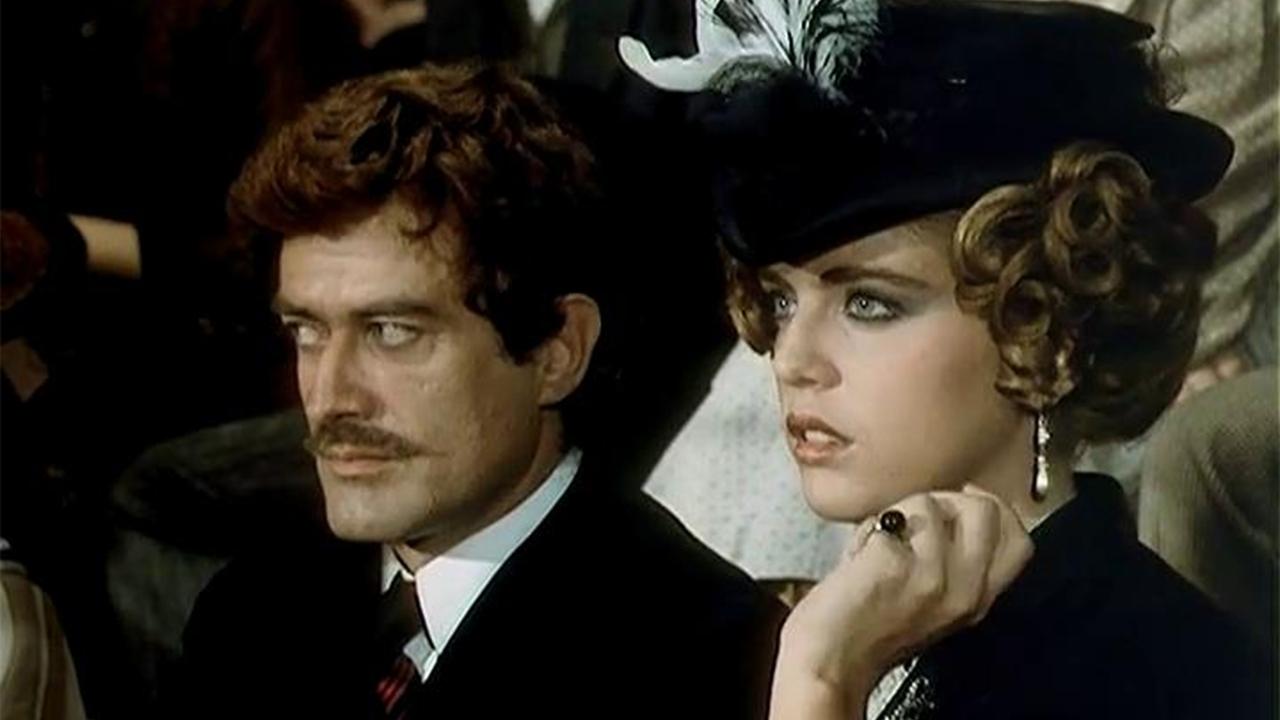
Imagine pulling this tape, maybe with slightly worn cover art depicting bustling old Rome, and discovering it was directed by none other than Sergio Corbucci. Yes, that Sergio Corbucci, the maestro behind ultra-violent Spaghetti Western landmarks like Django (1966) and the bleak, snow-covered masterpiece The Great Silence (1968). Finding him at the helm of a lighthearted, almost folkloric comedy set in early 20th-century Rome? That alone is worth the rental fee. It's like finding out Clint Eastwood directed a Muppet movie – unexpected, intriguing, and you just have to see how it plays out.
### From Carpenter to Count
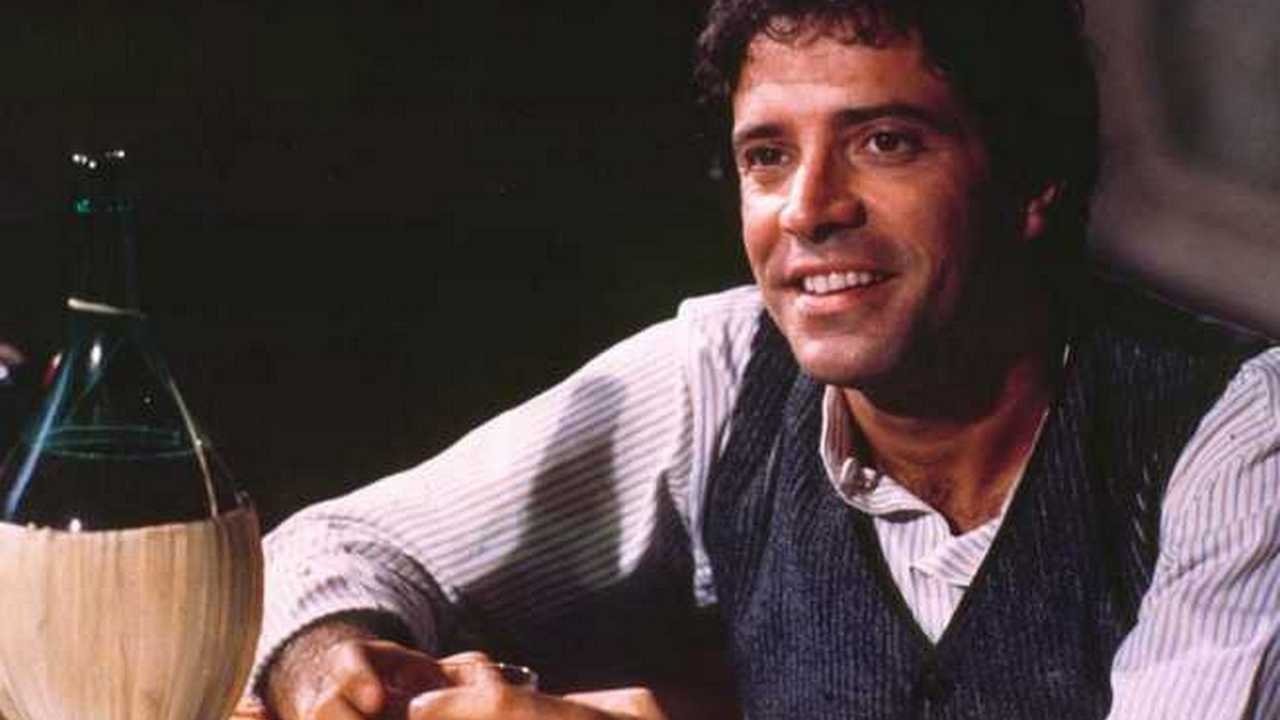
Our story follows Francesco Puricelli, nicknamed "Checco," played with infectious, boundless energy by the wildly popular Italian comedian Enrico Montesano. Checco is a humble carpenter in Rome around 1910, but he dreams bigger. He’s obsessed with the aristocracy, painstakingly mimicking their manners, their dress, their gait – adopting the self-styled title of "Conte Tacchia" (Count Woodchip, roughly). Montesano is the movie; his physical comedy, expressive face, and sheer gusto carry the narrative. He embodies that universal desire to be someone more, someone grander, even if it’s built on charming delusion. Retro Fun Fact: The character was loosely inspired by a real Roman figure, Adriano Bennicelli, a carpenter known for his aristocratic airs and the nickname "Tacchia," adding a layer of local legend to the cinematic tale.
### When Nobility Meets Naivety
The film truly sparkles when Checco’s path crosses with the genuine article: the aging, cynical, but ultimately good-hearted Prince Terenzi, portrayed by the legendary Vittorio Gassman. Gassman, a towering figure in Italian cinema (think Il Sorpasso (1962)), brings effortless gravitas and impeccable comic timing. His interactions with the aspirational Checco are the heart of the film – a masterclass in understated reaction versus exuberant ambition. It’s the classic setup of the experienced old hand mentoring (or perhaps just tolerating) the eager upstart, but filtered through a distinctly Roman sensibility. Their dynamic feels authentic, a warm portrayal of unlikely friendship across class divides. And seeing Gassman, often known for intense dramatic roles, navigate this lighter fare with such ease is a joy.
### Corbucci's Roman Holiday
So, how does the gritty Western auteur handle comedy? Surprisingly well, actually. Corbucci trades dusty plains for bustling Roman piazzas, captured with a lived-in, practical feel. You won't find CGI filling out these streets; it's location shooting and detailed production design creating the atmosphere. While there aren't exploding squibs or elaborate stunt falls here, Corbucci brings a certain visual flair and pacing learned from his action days. The comedy often lands through sharp editing and well-staged scenes rather than just relying on Montesano's charisma. Retro Fun Fact: Adding to the surprising pedigree, the script boasts contributions from Luciano Vincenzoni and Sergio Donati, screenwriters who penned some of the most iconic Spaghetti Westerns ever, including The Good, the Bad and the Ugly (1966) and Once Upon a Time in the West (1968) respectively! Talk about an unexpected reunion for a period comedy.
The supporting cast adds wonderful texture, including the familiar face of Ninetto Davoli, often remembered for his collaborations with Pier Paolo Pasolini. He brings his unique energy to the ensemble. The whole production feels grounded, capturing the spirit of the era and the specific rhythm of Roman life. Complementing the visuals is a lovely, evocative score by Armando Trovajoli, another legend of Italian film music, perfectly capturing the film's blend of humour and heart.
### A Charming Relic
Watching Count Tacchia today feels like unearthing a warm, slightly faded photograph. It’s undeniably a product of its time – the pacing is leisurely compared to modern comedies, the humour broad but good-natured. If you stumbled upon a dubbed VHS back in the day, you might have missed some nuances, but the physical comedy and the core story of aspiration and friendship shine through universally. I remember finding a copy in a dusty corner of a video store, intrigued by Corbucci's name, and being utterly charmed by its warmth and Montesano's performance. It wasn't the high-octane thrill ride of his Westerns, but it had its own distinct, infectious energy. It might not have made huge waves internationally, but in Italy, combining Montesano's star power with Corbucci's direction and Gassman's prestige made it a notable success.
Rating: 7.5 / 10
Justification: This score reflects the film's undeniable charm, terrific lead performances from Enrico Montesano and Vittorio Gassman, and the fascinating context of Sergio Corbucci directing against type. It's a genuinely warm, funny, and well-crafted period piece that captures a specific time and place beautifully. It loses a couple of points for pacing that might feel slow to some modern viewers and humour that's deeply rooted in its specific Italian cultural context, potentially lessening the impact slightly for international audiences unfamiliar with the nuances. However, its heart and craft make it a worthwhile discovery for retro film fans.
Final Thought: Count Tacchia is a sun-drenched stroll through old Rome powered by pure charisma; a reminder that sometimes the most surprising cinematic delights come from creators stepping delightfully outside their expected wheelhouse. Definitely worth seeking out if you crave a feel-good trip back in time, Italian style.