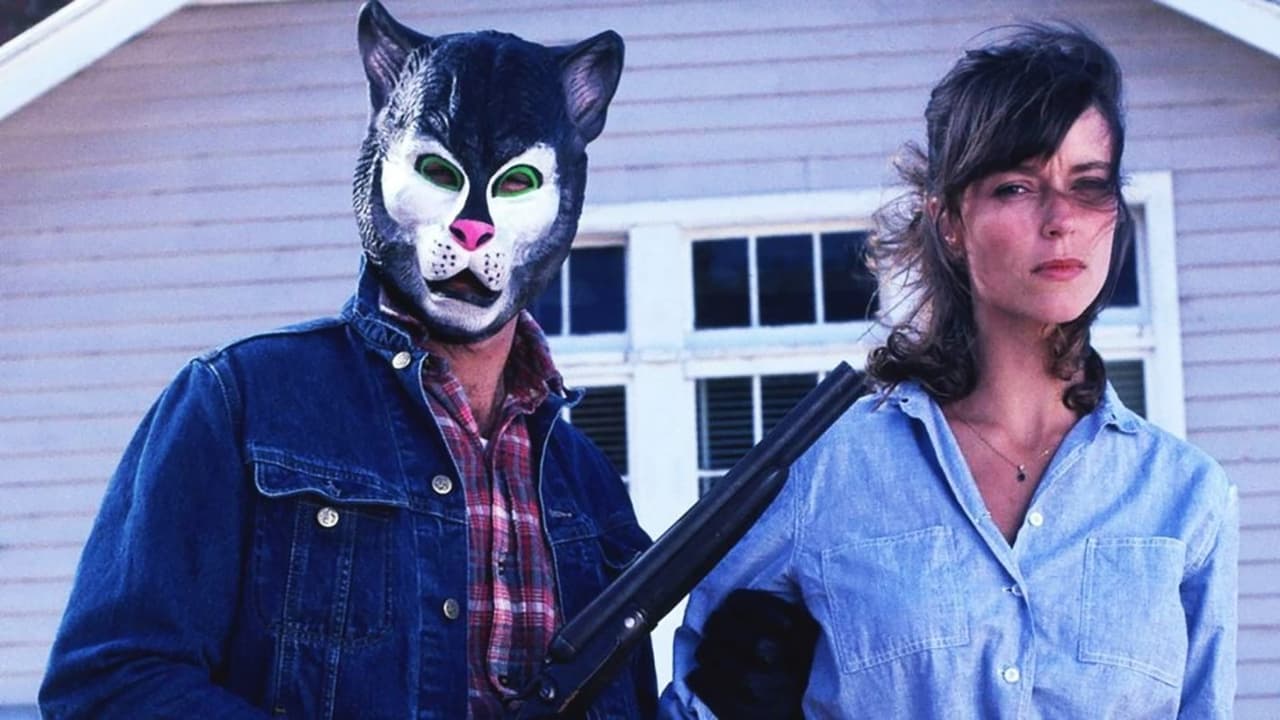
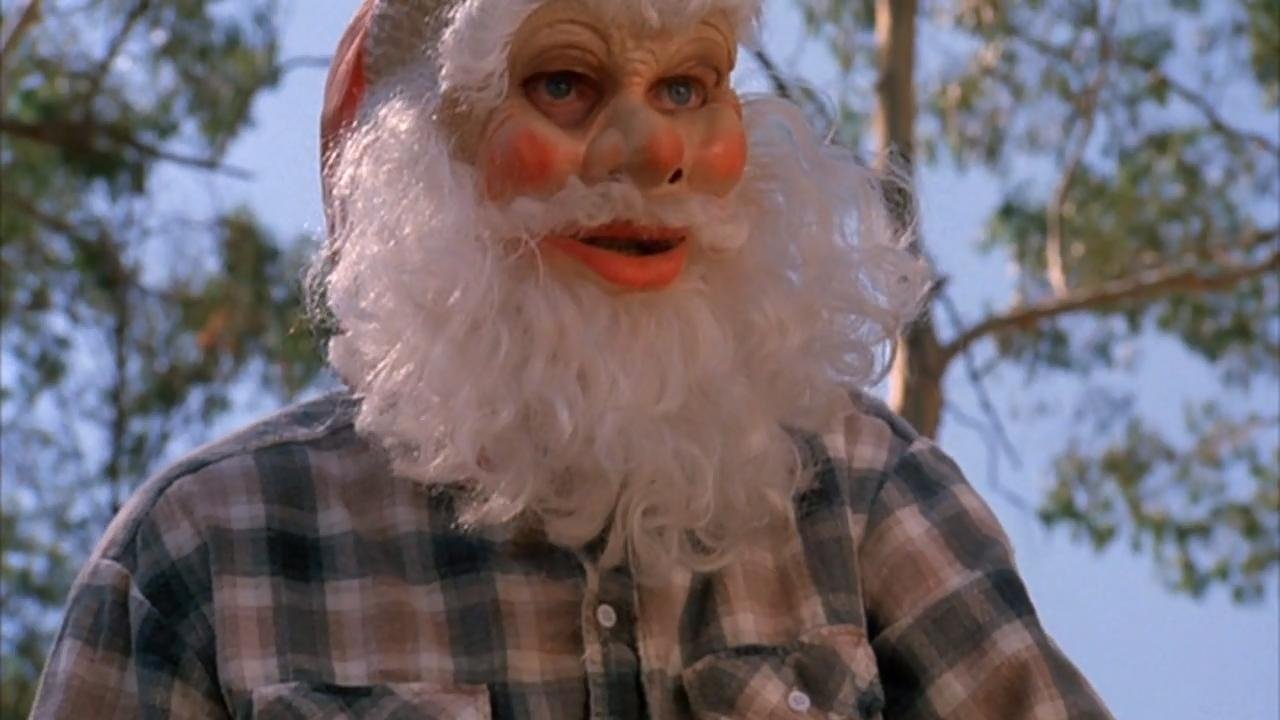
It starts with a jarring image, one that burrows under your skin long after the tape has rewound: childish masks – Father Christmas, Easter Bunny, Daffy Duck – hiding faces contorted not with holiday cheer, but with chilling brutality. This stark contrast, the violation of innocence symbolized by those masks invading a tiny, isolated Australian schoolhouse, is the cold heart of Fortress, a 1985 thriller that remains surprisingly potent. It's a film that likely caught many off guard in the video store aisles, promising perhaps a standard chase movie but delivering something far more primal and unsettling.
Outback Nightmare
The premise, penned by the reliable Australian genre scribe Everett De Roche (who gave us the eerie Long Weekend (1978) and Patrick (1978)), is terrifyingly simple. Teacher Sally Jones (Rachel Ward) and her handful of students, sequestered in their one-room school miles from anywhere, are abducted by four masked gunmen. What begins as a kidnapping quickly devolves into a desperate fight for survival when Sally and the children manage a daring escape into the unforgiving wilderness. The vast, beautiful, yet utterly indifferent Australian landscape becomes both their potential salvation and a relentless pursuer, second only to the men hunting them.
The Teacher as Tigress
At the centre of this ordeal is Rachel Ward. Fresh off major roles in glamorous productions like The Thorn Birds (1983) and Against All Odds (1984), seeing her here as the initially unprepared Sally Jones is compelling. Ward masterfully charts Sally's transformation. She isn't an action hero; she's an ordinary woman pushed to extraordinary lengths by the fierce, protective instinct that ignites within her. There's a grounded authenticity to her fear, her desperation, and finally, her hardening resolve. You believe her terror, and crucially, you believe her courage when she realizes that passivity means death for her and her charges. It’s a performance stripped of vanity, raw and affecting.
Children of the Dust
Equally impressive, and perhaps the film's greatest strength, are the performances of the young cast, including Sean Garlick as the resourceful older boy Sid, and Rebecca Rigg as one of the terrified but resilient students. Director Arch Nicholson elicits remarkably naturalistic portrayals from them. These aren't Hollywood kids delivering quips; they react with genuine fear, confusion, and eventually, a chillingly pragmatic understanding of their situation. Their vulnerability is palpable, making the stakes feel terrifyingly real. The film avoids sentimentality, focusing instead on their shared trauma and the grim necessity of their actions. I remember first watching this on a grainy VHS, rented from a local store, and being struck by how real the kids felt compared to many American films of the era.
Grit and Atmosphere
Fortress cultivates an atmosphere of sustained dread. Nicholson uses the stark beauty of the Victorian locations (where the film was shot) to emphasize the group's isolation. There are no easy escapes, no convenient plot devices to rescue them. The film has a lean, almost documentary-like feel at times, which makes sense when you learn it was originally produced as a U.S. cable movie for HBO before getting theatrical releases elsewhere, including its native Australia. This might explain its directness and lack of gloss – qualities that actually enhance its gritty impact. De Roche's script is economical and brutal, focusing squarely on the mechanics of survival and the psychological toll it takes. The kidnappers' absurd masks only heighten the sense of surreal menace; faceless threats embodying chaos unleashed upon innocence.
Echoes in the Dark
(Mild Spoilers Ahead regarding the film's tone and ending implications)
What truly sets Fortress apart, especially for its time, is its refusal to offer easy comfort. This isn't a film that wraps things up neatly. The experience fundamentally changes Sally and the children. The final confrontation, when they turn the tables on their pursuers in a hidden cave system they dub their 'fortress', is not triumphant in a conventional sense. It’s desperate, brutal, and deeply unsettling. The film dares to suggest that survival sometimes requires embracing the very darkness you are fleeing. The loss of innocence isn't just mourned; it's depicted as a grim necessity, leaving a scar that won't easily fade. It asks a difficult question: How far would you go to protect those in your care, and what piece of yourself might you lose in the process?
Rating and Final Thoughts
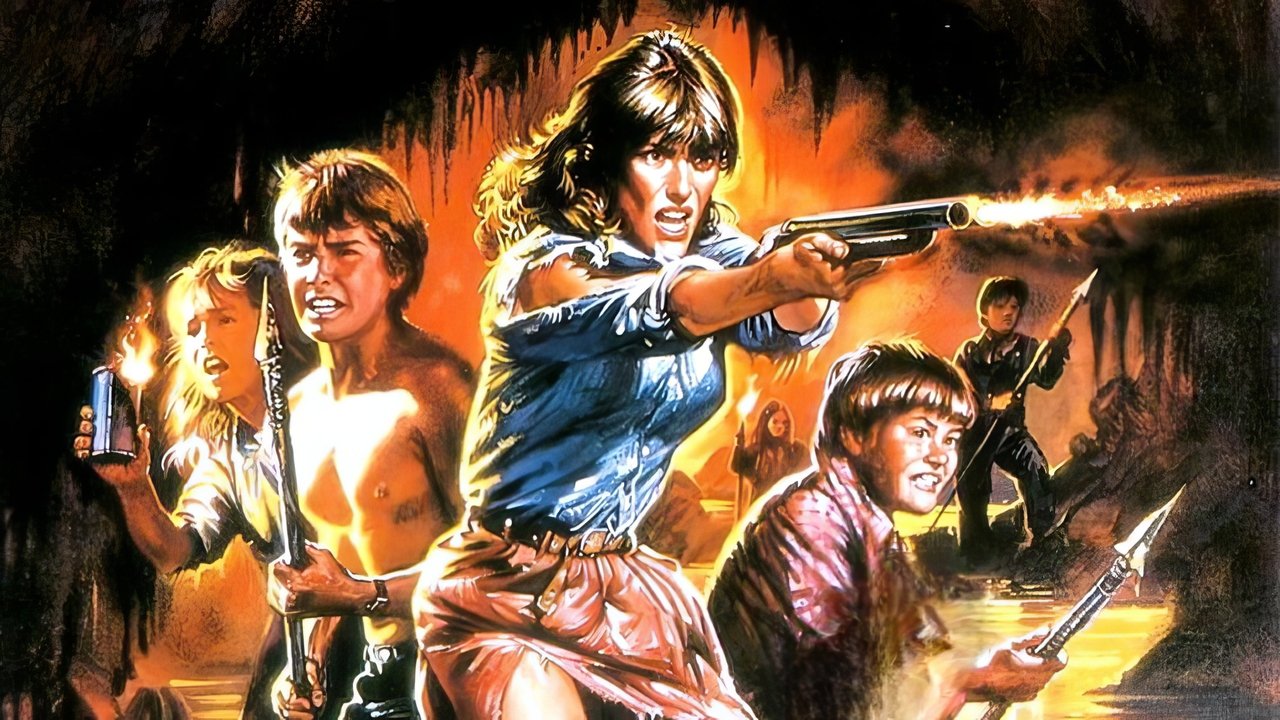
Fortress isn't necessarily an easy watch, but it's a remarkably effective and gripping piece of Australian genre filmmaking. Its power lies in its raw authenticity, the strength of Rachel Ward's central performance, the believable child actors, and its unflinching look at the dark necessities of survival. While perhaps lacking the polish of bigger-budget contemporaries, its gritty realism and sustained tension make it a standout thriller from the VHS era. It might not be as well-remembered as some blockbusters, but its chilling premise and execution leave a lasting impression.
Rating: 8/10 - A taut, well-acted, and genuinely suspenseful survival thriller that earns its darkness. Its grounded performances and relentless tension overcome any budgetary limitations, making it a hidden gem deserving of rediscovery.
What lingers most about Fortress isn't just the fear, but the quiet resilience etched on the faces of its young survivors, forever marked by their time in the wilderness, both outside and within. It's a stark reminder of the thin veneer of civilization and the primal strength that can awaken when it's stripped away.