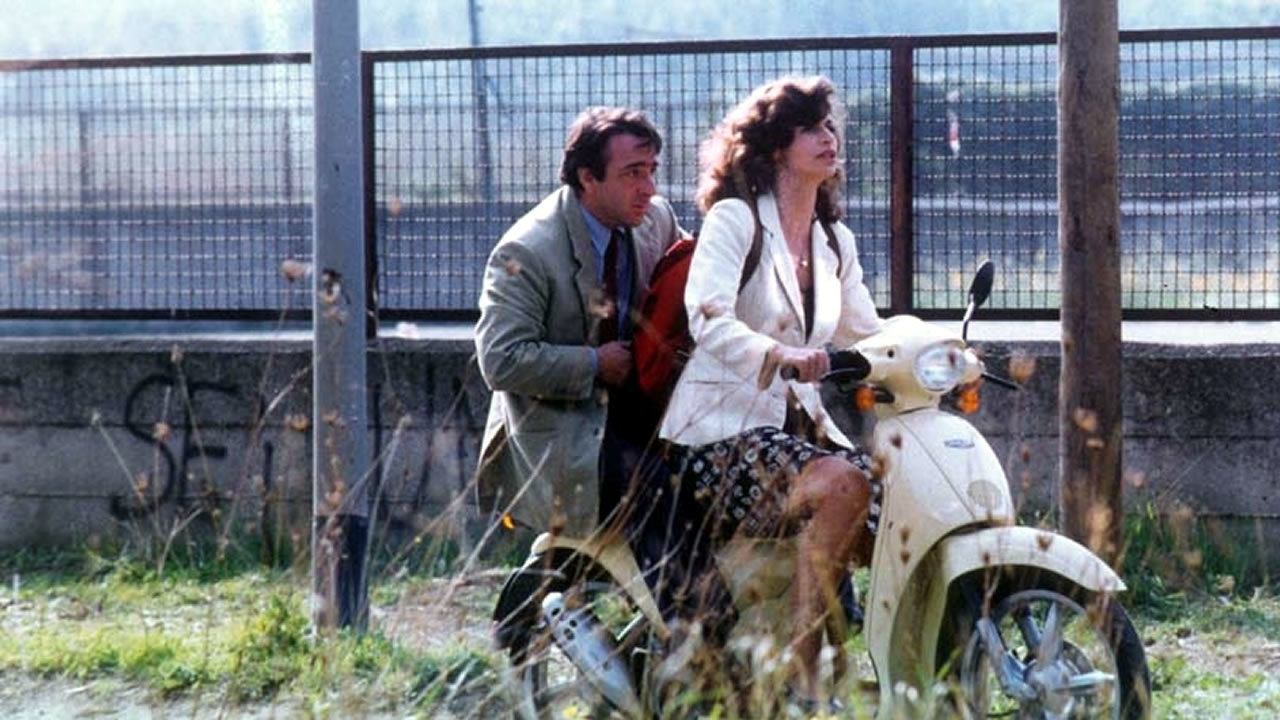
It begins not with a bang, but with the familiar, chaotic symphony of the last day of school. The frantic energy of students desperate for release, the weary sighs of teachers facing the final hurdle of assessments, the very air thick with a sense of impending closure. This is the world of Daniele Luchetti's La scuola (1995), a film that captures the bittersweet reality of secondary education with a warmth and honesty that feels remarkably enduring, even decades later. It's less a traditional narrative and more a snapshot, a poignant immersion into the microcosm of a slightly dilapidated Roman technical high school teetering on the edge of summer break.
The Weary Heart of the Classroom
At the centre of this swirling vortex of adolescent hormones and bureaucratic absurdity stands Professor Vivaldi, brought to life with unforgettable nuance by Silvio Orlando. This isn't the inspirational, desk-standing movie teacher of Hollywood convention. Vivaldi is tired. He’s disillusioned by the system, frustrated by apathy, yet beneath the cynical exterior beats the heart of someone who genuinely cares. Orlando, in what became a defining role for him, masterfully portrays this internal conflict. We see it in the slump of his shoulders as he navigates pointless staff meetings, the flash of passion when he connects with a struggling student, the quiet resignation as he marks final papers. It’s a performance devoid of theatrics, grounded in the lived reality of countless educators who pour themselves into a demanding, often thankless, profession. He embodies the film's central question: how do you maintain hope and purpose when faced with systemic indifference and fleeting moments of connection?
A School That Breathes
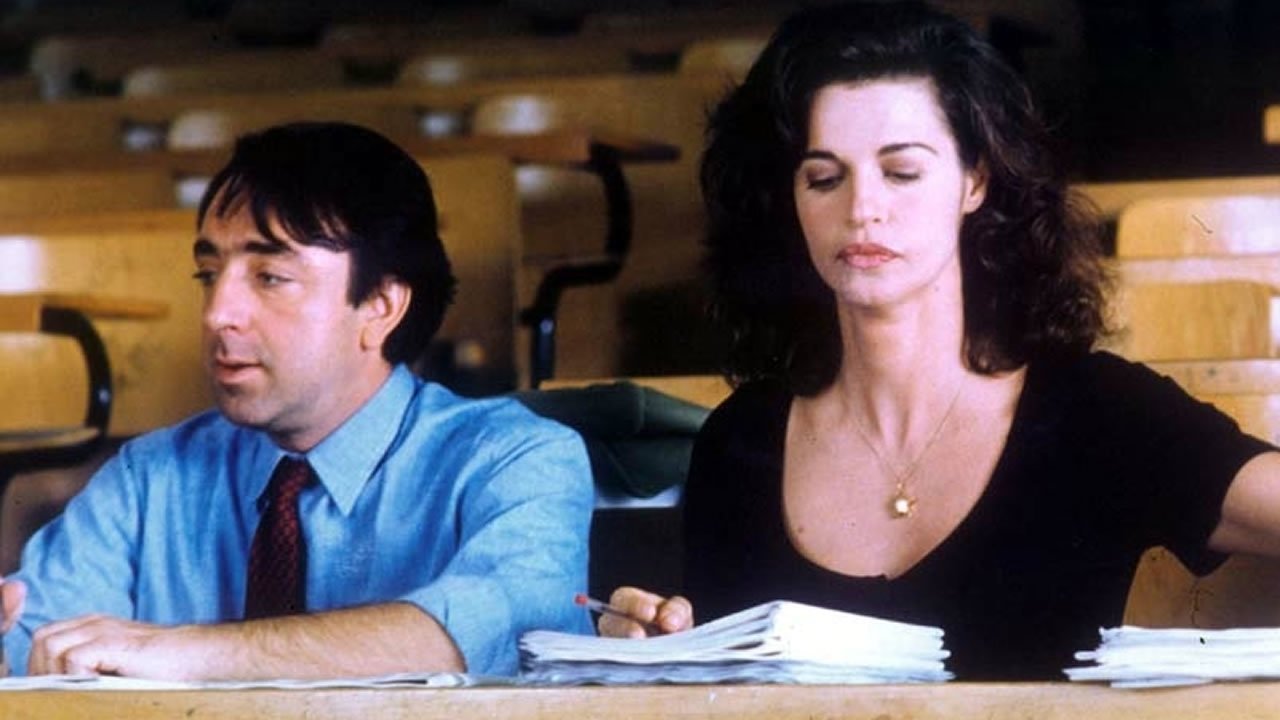
Luchetti, working alongside screenwriters Sandro Petraglia, Stefano Rulli, and the source author Domenico Starnone, crafts an environment that feels utterly authentic. The school itself, filmed on location at the Istituto Tecnico Statale Livia Bottardi in Rome, is practically a character – its peeling paint, worn desks, and echoing corridors reflecting the state of the institution it houses. The teaching staff are a collection of recognisable types: the ambitious climber (Fabrizio Bentivoglio), the empathetic but perhaps naive newcomer (Anna Galiena as Majello), the utterly checked-out veteran. Their interactions, often revolving around the crucial final student assessments (scrutini), are laced with petty rivalries, fleeting moments of camaraderie, and the shared burden of deciding young futures based on often incomplete information.
The film cleverly avoids focusing solely on one 'problem student' or 'star pupil'. Instead, we get glimpses into various lives – the anxieties, the crushes, the small rebellions, the quiet triumphs. It mirrors the reality of teaching, where a class is a complex ecosystem, not a simple narrative arc. This verisimilitude is a testament to the film's origins; it's adapted from two semi-autobiographical books by Domenico Starnone, Ex Cattedra and Sottobanco, drawing directly from his own experiences in the Italian school system. This grounding in reality resonated powerfully in Italy, making La scuola a significant box office success (reportedly grossing over 10 billion Lire) and earning it the prestigious David di Donatello award for Best Film in 1995.
Finding Truth in the Everyday
What elevates La scuola beyond a simple slice-of-life drama is its masterful blend of observational humour and poignant reflection. Luchetti finds comedy not in contrived situations, but in the inherent absurdity of bureaucratic rituals and the sometimes-surreal logic of teenagers. Yet, these lighter moments never undermine the film's underlying melancholy. There's a palpable sense of time slipping away, of potential unrealised, of the fragile connections formed within these walls that might dissolve once the final bell rings. It doesn't offer easy answers or triumphant resolutions. Instead, it presents the teaching experience, and indeed adolescence itself, as a complex, often contradictory, mix of frustration and reward, cynicism and hope.
Does the specificity of the Italian education system depicted limit its appeal? Perhaps slightly for viewers unfamiliar with its particularities. But the core themes – the struggle to make a difference, the challenge of connecting with young minds, the bittersweet nature of endings and beginnings – are profoundly universal. Watching Vivaldi navigate the final day, you can't help but reflect on the teachers who shaped your own path, or perhaps, if you've stood at the front of a classroom yourself, recognise the familiar weight of responsibility and the fleeting sparks of joy.
Rating: 8.5/10
La scuola earns its high marks for its exceptional realism, the deeply authentic performances (especially Silvio Orlando's), and its ability to capture the complex emotional landscape of school life without resorting to clichés. It’s a film that doesn’t shout its message but lets its quiet observations resonate long after the credits. It might lack the flashy drama of some school-set films, but its strength lies in its truthfulness, making it a standout example of 90s Italian cinema that feels both specific to its time and place, yet universally relatable.
It leaves you not with a grand statement, but with a lingering feeling – the echo of that final bell, the image of Vivaldi walking away, a quiet acknowledgment of the small battles fought and the uncertain futures stretching ahead. It's a film that reminds us that sometimes the most profound stories are found in the everyday, within the worn walls of places like La scuola.