What happens when the unthinkable occurs, and the world refuses to believe you? This chilling question sits at the heart of Fred Schepisi's 1988 drama, Evil Angels (released internationally, perhaps more famously, as A Cry in the Dark). Watching it again recently, spooling back the years on that well-worn VHS tape in my mind, I was struck not just by the harrowing true story it depicts, but by how unsettlingly relevant its themes of media frenzy, public prejudice, and the distortion of truth remain. This isn't escapist 80s fare; it's a stark, compelling look at a tragedy compounded by injustice.
### Echoes in the Wilderness
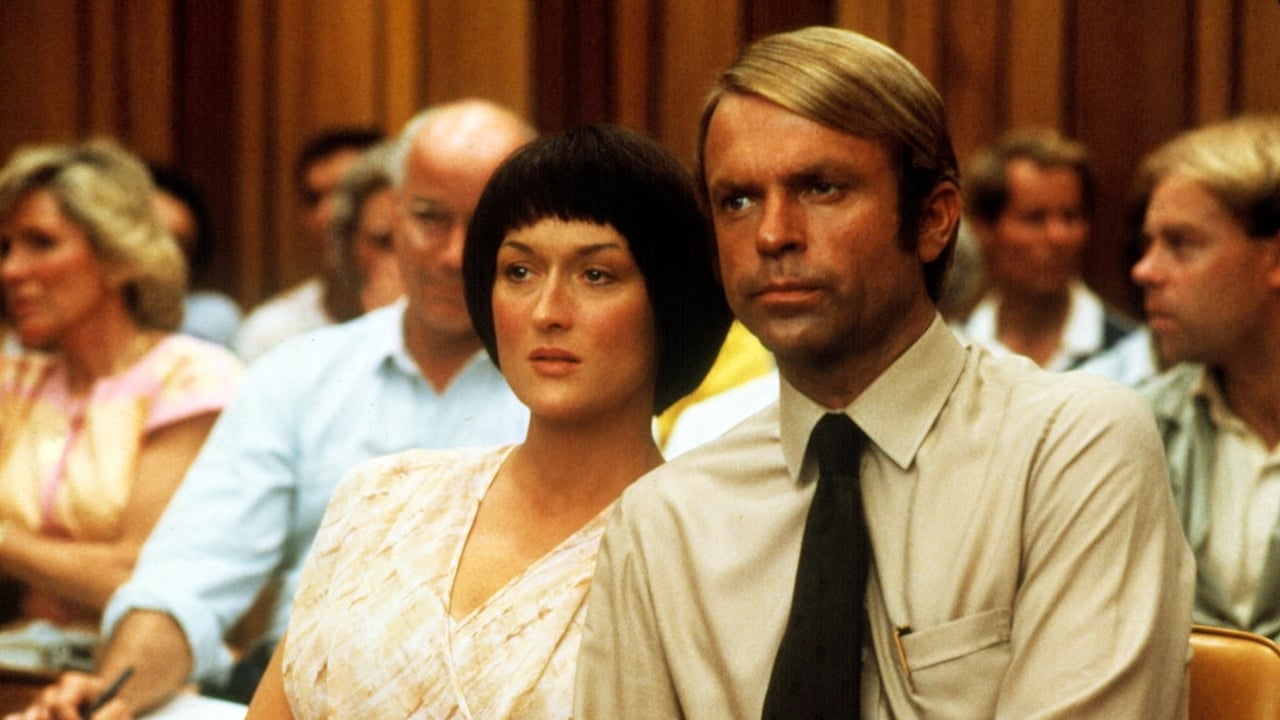
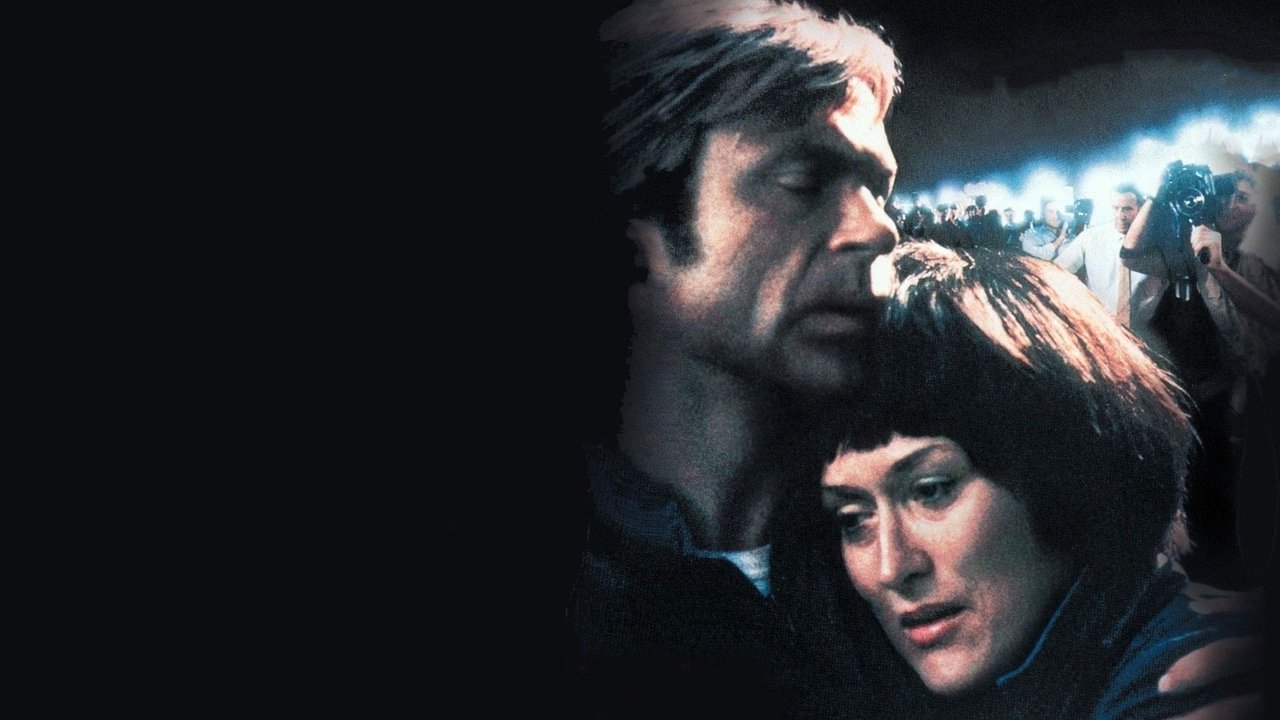
The film plunges us into the vast, dusty landscape of the Australian Outback in 1980. We meet Lindy Chamberlain (Meryl Streep) and her husband Michael (Sam Neill), Seventh-day Adventist ministers camping near Uluru (then known as Ayers Rock) with their children. The inciting incident is swift, brutal, and infamous: their nine-week-old baby, Azaria, disappears from their tent. Lindy's immediate, desperate cry – that a dingo took her baby – becomes the focal point of a storm of disbelief and suspicion that would consume their lives. Schepisi, who also co-wrote the script based on John Bryson's book, directs with a meticulous, almost documentary-like precision. He doesn't sensationalize the horror but grounds it in the terrifyingly mundane reality of a family picnic turned nightmare. The atmosphere isn't one of manufactured suspense, but of creeping dread and the oppressive weight of public judgment.
### The Unblinking Eye of the Media
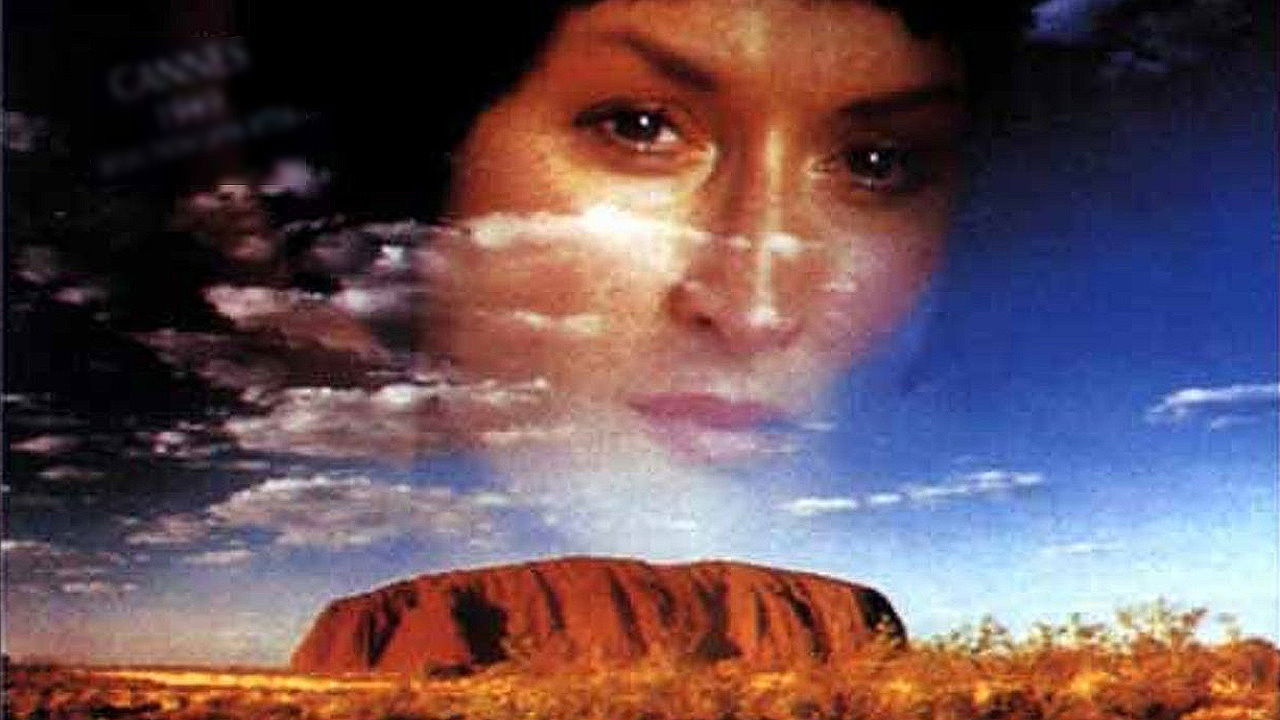
Evil Angels masterfully portrays how quickly personal tragedy can become public spectacle. Schepisi intercuts the Chamberlains' private grief and legal battles with snippets of news reports, talk shows, and pub gossip, illustrating the tidal wave of rumour and innuendo that engulfed the couple. The film becomes a powerful indictment of trial by media, showing how Lindy's perceived lack of conventional emotion, her religious beliefs, and even her choice of clothing were twisted into evidence of guilt. Remember those whispers, those headlines? The film captures that escalating, often irrational, public conviction with chilling accuracy. It forces us to ask: how much has really changed in the age of social media echo chambers?
### Streep's Fierce Stillness
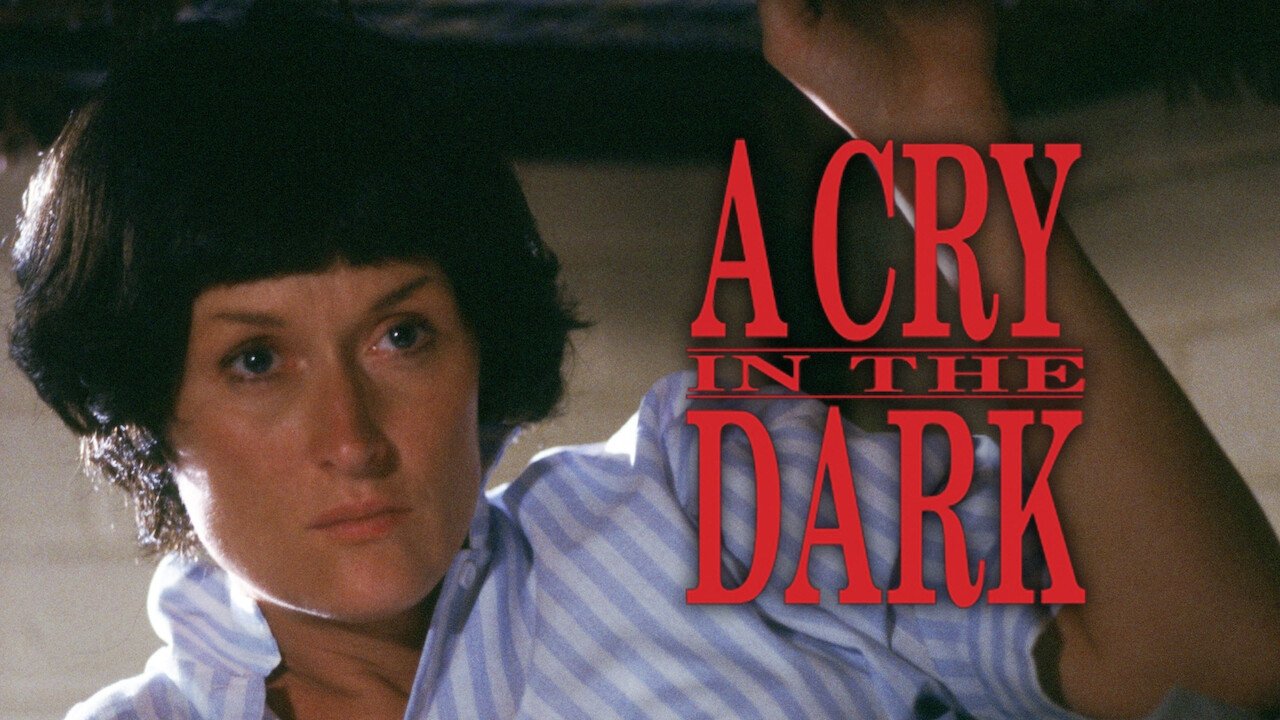
At the centre of this storm is Meryl Streep's towering performance as Lindy Chamberlain. It's a portrayal that remains etched in memory, not for histrionics, but for its disciplined control and unsettling ambiguity. Streep, ever the chameleon, adopted a specific Australian accent (reportedly working meticulously with a dialect coach) and embodied Lindy's stoicism – a quality born perhaps of shock, faith, or personality, but fatally misinterpreted by the public as coldness or guilt. Streep doesn’t beg for sympathy; she presents Lindy as a complex, sometimes prickly individual fighting for her truth against overwhelming odds. It's a performance of immense technical skill but also profound empathy, earning her a deserved Academy Award nomination. Sam Neill, often the sturdy presence in films like Jurassic Park (1993), is equally affecting as Michael, conveying the quiet devastation of a man watching his wife be vilified and his faith tested to its absolute limit. His mounting desperation provides a crucial counterpoint to Lindy's reserve.
### Behind the Headlines
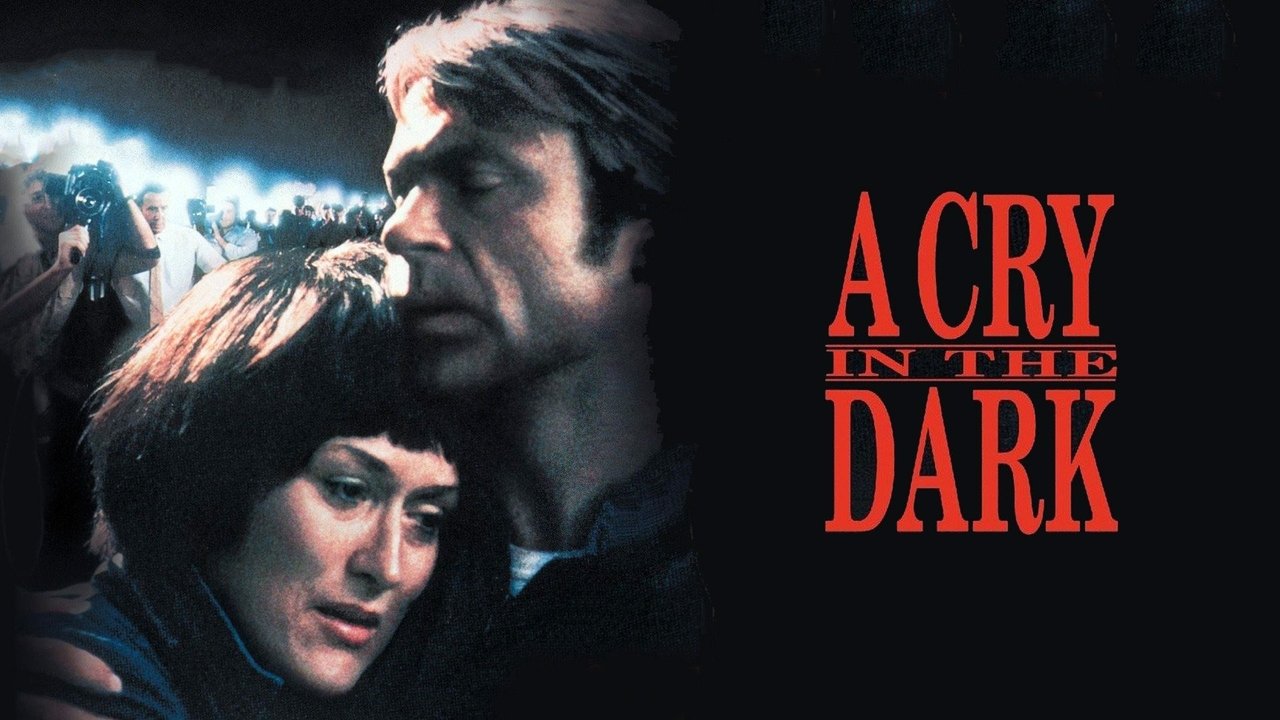
Pulling back the curtain slightly, the production itself navigated tricky territory. Bringing such a raw, recent, and divisive true story to the screen was ambitious. Schepisi and Streep actually met with Lindy Chamberlain before filming, aiming for authenticity over exploitation. One fascinating piece of trivia is the title change. While Evil Angels was the title of Bryson's book and used in Australia and New Zealand, Warner Bros. opted for A Cry in the Dark for international markets, perhaps deeming it less ambiguous or more commercially appealing.
And then there's that line. Pop culture has often caricatured Lindy Chamberlain with the phrase "A dingo ate my baby!" but the film – and Streep's delivery – treats the moment with the harrowing gravity it deserves. She cries, "The dingo's got my baby!" – a raw, panicked exclamation, not the punchline it sadly became for some. The film, in its accuracy, subtly rebukes the trivialization of the tragedy. Despite critical acclaim, particularly for Streep, the film wasn't a box office smash, grossing around $6.9 million in the US against a $15 million budget. Perhaps the subject matter, still painfully fresh for many, proved too confronting for mainstream audiences seeking lighter fare.
### The Lingering Shadow
Evil Angels doesn't offer easy answers or catharsis. It presents the evidence, the public reaction, and the bewildering legal proceedings, leaving the audience to grapple with the implications. It explores how fear, prejudice (against the Chamberlains' religion), and a hunger for simple narratives can lead to profound injustice. The film’s power lies in its refusal to simplify Lindy or the situation. It trusts the viewer to see the cracks in the prosecution's case and the humanity beneath the headlines. Watching it today, it feels less like a period piece and more like a timeless cautionary tale about the dangers of rushing to judgment.
Rating: 9/10
This rating reflects the film's exceptional craftsmanship, Fred Schepisi's sensitive direction, and, above all, Meryl Streep's unforgettable, Oscar-nominated performance. Its unflinching look at a real-life miscarriage of justice, fueled by media sensationalism and public prejudice, is expertly rendered. While perhaps not an 'easy' watch, its power and relevance are undeniable, making it a standout drama from the era.
It leaves you pondering the nature of truth, the fallibility of perception, and the chilling ease with which a dingo's cry in the dark can be drowned out by the roar of the crowd.