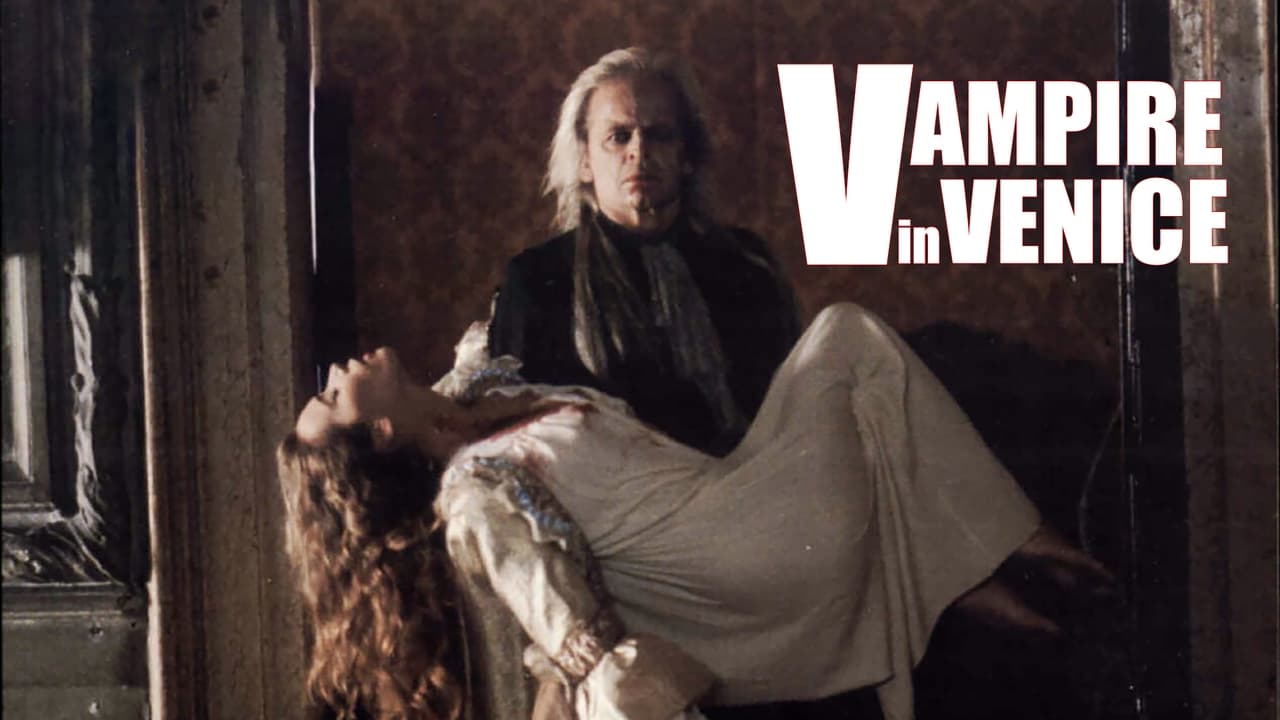
The fog hangs thick over the canals, mirroring the miasma of rumour and chaos that surrounds this film's very existence. Seeing Klaus Kinski's name attached to a Nosferatu project post-Werner Herzog's haunting 1979 Nosferatu the Vampyre felt, back in the late 80s, like a fever dream promise glimpsed on a dusty VHS cover. What awaited inside Nosferatu in Venice (also known, fittingly perhaps, as Vampire in Venice), however, wasn't just a continuation, but a descent into a uniquely fractured, strangely compelling kind of cinematic madness. This wasn't Herzog's ethereal dread; this was something wilder, more unpredictable, much like its star.
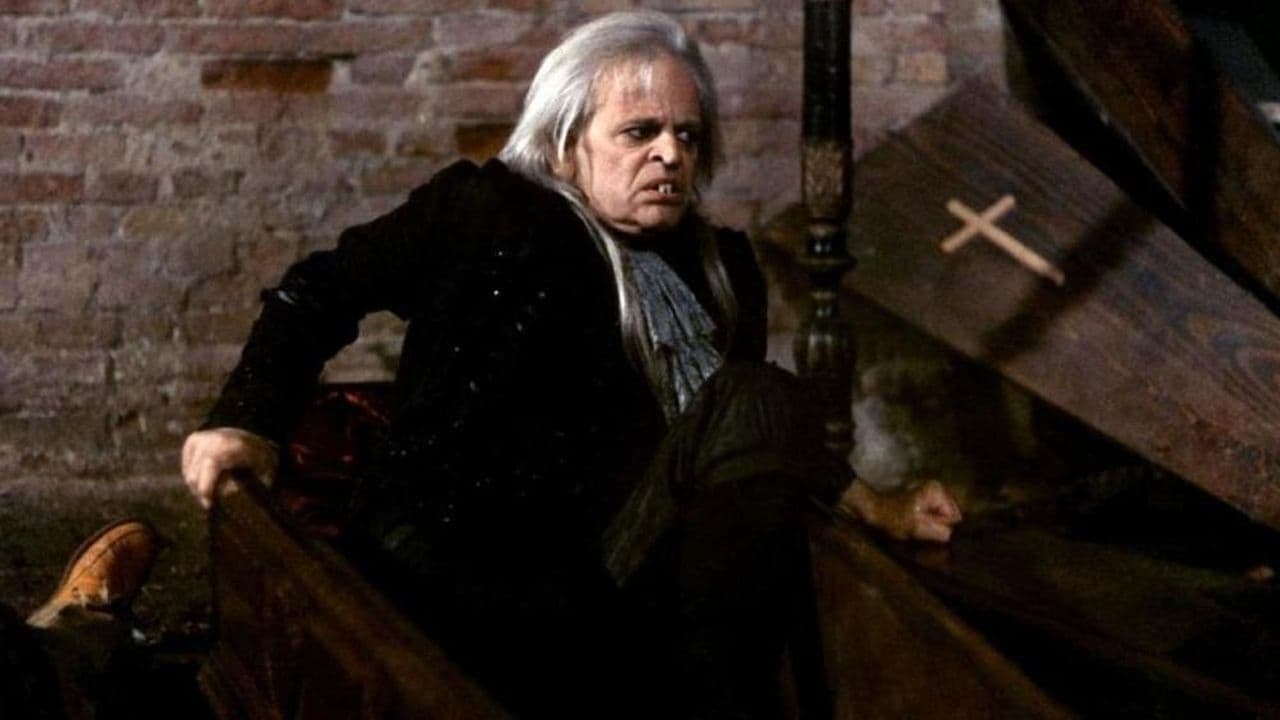
### Venetian Nightmare Fuel
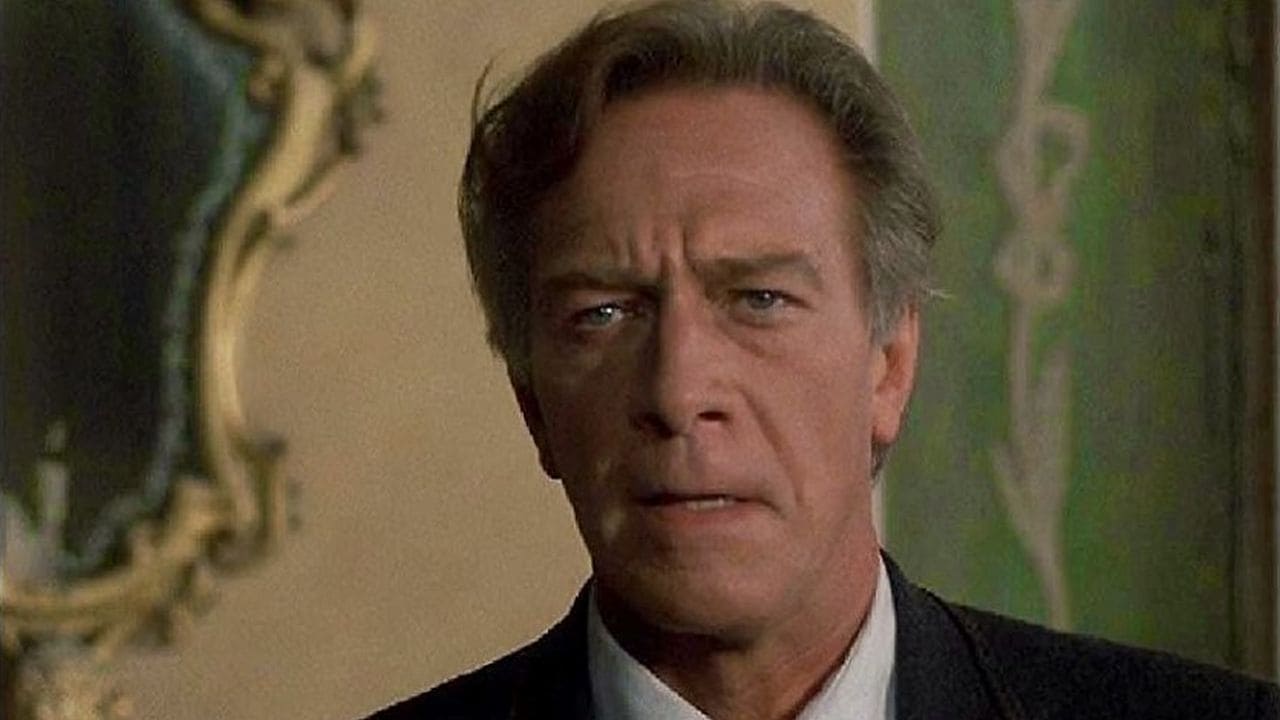
The premise is deceptively simple: Professor Paris Catalano (Christopher Plummer, bringing a weary gravitas that feels entirely earned given the circumstances) travels to Venice hoping to hunt down the legendary vampire Nosferatu (Klaus Kinski), believing him responsible for deaths resembling those from centuries past. He seeks the creature, who now drifts through the decaying grandeur of the city, seemingly more weary than predatory, drawn to the enigmatic Helietta Canins (Barbara De Rossi). But narrative coherence takes a backseat to atmosphere and, frankly, to the sheer force of Kinski’s presence. The canals, crumbling palazzos, and fog-draped piazzas become less a setting and more a reflection of the vampire's ancient ennui and the film's own troubled soul. You can almost feel the damp chill seeping through the screen, the kind that clings long after the VCR clicks off.
The film leans heavily on its visuals, and cinematographer Tonino Nardi captures Venice with a painterly eye for both its romantic beauty and its inherent melancholy. There are sequences here – Kinski gliding through deserted streets, spectral gondolas cutting through black water – that possess a genuine Gothic poetry. It’s a shame the connective tissue often feels frayed, a direct result of the legendary production turmoil. Original director Augusto Caminito, also a producer and writer, famously clashed with Kinski, leading to a revolving door of directors including Mario Caiano and reportedly even uncredited work by others trying to salvage the project. This chaotic genesis is palpable; scenes sometimes feel stitched together, motivations blur, and the plot occasionally evaporates into the Venetian mist.
### The Kinski Enigma
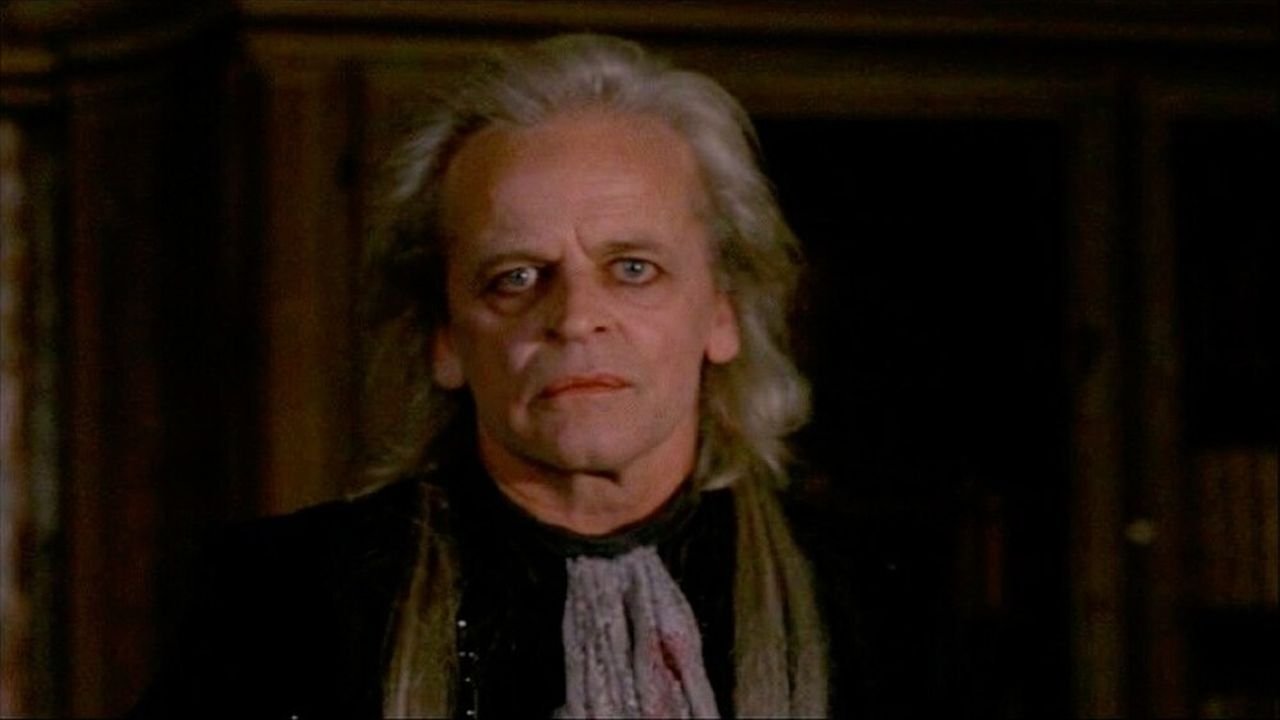
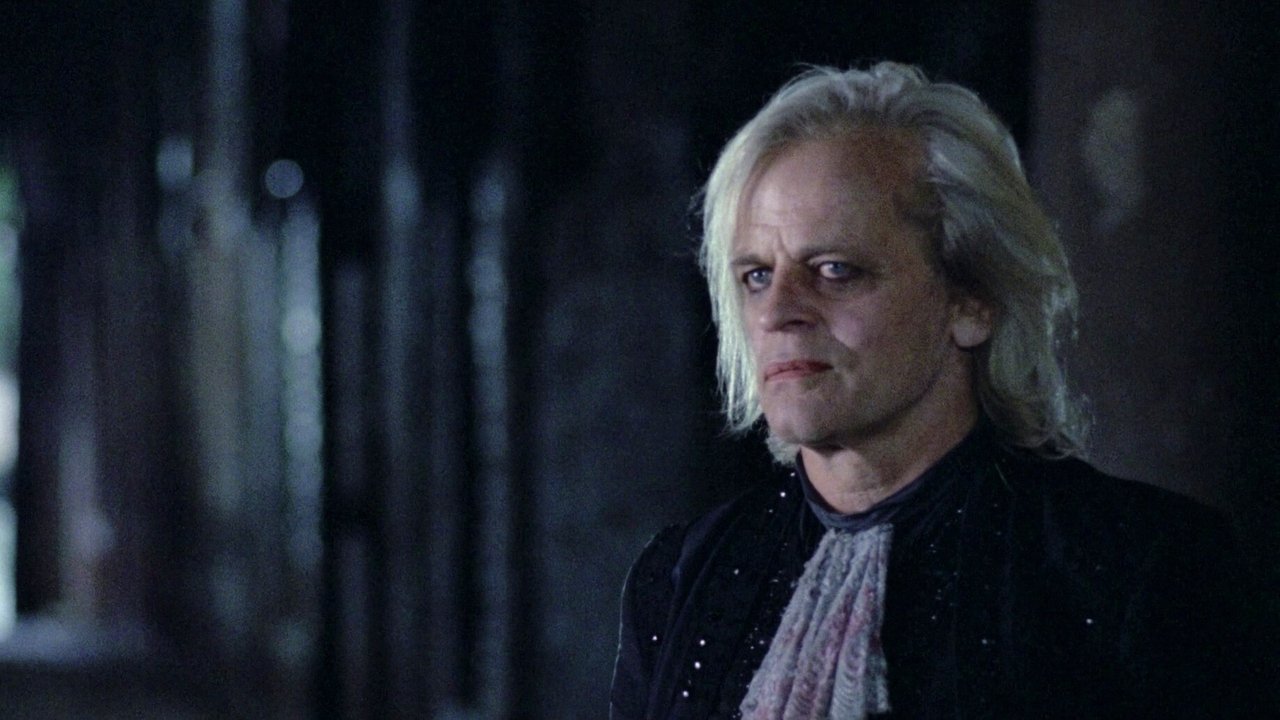
And then there’s Klaus Kinski. Forget Herzog's meticulously crafted, rat-like creature. This Nosferatu is pure, undiluted Kinski – feral, intense, radiating a palpable sense of danger that feels entirely unscripted. His infamous on-set behaviour is the stuff of dark legend, but it undeniably translates to the screen. He reportedly refused to wear the iconic fangs or the extensive makeup associated with the character, forcing the filmmakers to suggest vampirism through lighting, performance, and the reactions of others. Does it work? In a bizarre way, yes. Stripped of traditional vampire iconography, Kinski becomes something more primal, a force of nature barely contained within human form. His confrontations, particularly with Plummer's stoic professor, crackle with genuine tension, likely fuelled by the real-life friction. You watch him not just as a character, but as this unpredictable element threatening to tear the film apart at any moment. Doesn’t that volatile energy itself become a unique kind of horror?
Adding another layer of seasoned character acting is Donald Pleasence as Don Alvise, a priest whose path crosses Catalano's hunt. Pleasence, a veteran of horror from Halloween (1978) onwards, does what he does best: injects a dose of eccentric gravity into the proceedings. He and Plummer feel like anchors attempting to hold steady against the whirlwind that was Kinski and the production itself. Their presence lends the film a veneer of respectability that it desperately clings to.
### Echoes in the Decay
Despite its fractured narrative, Nosferatu in Venice possesses a strange, lingering power. Perhaps it's the potent combination of Kinski's raw magnetism and the inherently haunting Venetian backdrop. Perhaps it’s the score by Luigi Ceccarelli (with contributions from Vangelis's earlier work), which manages moments of ethereal beauty amidst the chaos. Or perhaps it's simply the morbid curiosity factor – witnessing a film visibly struggling against its own star and circumstances. I remember renting this tape, likely drawn by Kinski's face on the box, expecting gothic horror and getting... well, this. A beautiful mess, an atmospheric enigma, a testament to cinematic struggle. It wasn't scary in the traditional jump-scare sense, but its pervasive mood of decay and the unsettling energy of its lead actor left a distinct impression. The practical effects, when they appear, have that late-80s Italian horror grittiness, less polished than Hollywood fare but possessing a certain visceral punch.
It’s a film that defies easy categorization. It’s not a sequel to Herzog, despite Kinski’s presence. It’s not entirely successful as a narrative horror film. But as a mood piece, a showcase for a legendary actor at his most dangerously untamed, and a fascinating artifact of troubled filmmaking, it’s unforgettable. It’s the kind of movie you discover late at night on a grainy tape and find yourself thinking about days later, wondering exactly what you just witnessed.
Rating: 5/10
Justification: The score reflects the film's profound flaws – narrative incoherence, visible production struggles – but acknowledges its undeniable strengths: Kinski's mesmerizingly unhinged performance, the stunning Venetian atmosphere captured beautifully, and the welcome presence of Plummer and Pleasence. It's a fascinating failure, a beautiful wreck that offers moments of genuine Gothic mood even as it falls apart.
Final Thought: Nosferatu in Venice remains a bizarre footnote in vampire cinema, less a coherent film and more a captivating collision of ego, location, and thwarted ambition – a true VHS oddity worth seeking out for the curious and the brave.