Some films arrive quietly, without the fanfare of exploding helicopters or quipping heroes, yet leave an indelible mark long after the VCR has whirred to a stop. Claude Chabrol's 1988 drama Story of Women (original title: Une affaire de femmes) is such a film. It doesn’t offer easy comforts or escapism; instead, it presents a stark, meticulously observed portrait of desperation and opportunism under the grim shadow of Occupied France, anchored by one of cinema's most compelling actresses. Finding this on the shelf, perhaps nestled in the foreign language section of the local video store back in the day, felt like discovering something potent and unsettlingly real amidst the usual Hollywood fare.
A Harsh Reality, A Pragmatic Choice
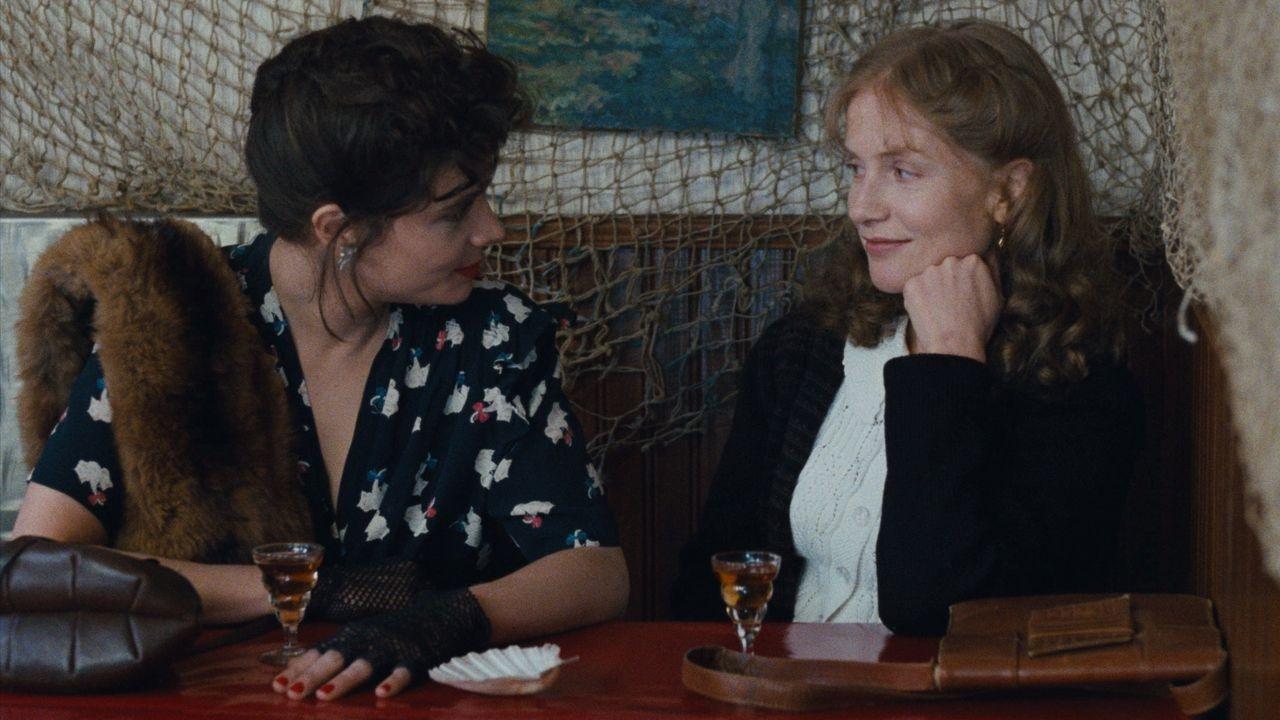
The film immerses us immediately in the daily grind of survival during World War II. Marie Latour (Isabelle Huppert) is struggling. Her husband Paul (François Cluzet) is away at war (and returns injured and unable to work), leaving her to care for their two young children in a cramped apartment with little money. Chabrol, often called the French Hitchcock but whose gaze here feels more like meticulous social critique, doesn't sentimentalize Marie's poverty. He simply presents it. When a neighbour confides about an unwanted pregnancy and Marie performs a rudimentary, successful abortion using soap and water, a path inadvertently opens. What begins as a desperate act to help another woman soon becomes a source of income, then a clandestine business.
The Unflinching Gaze of Huppert
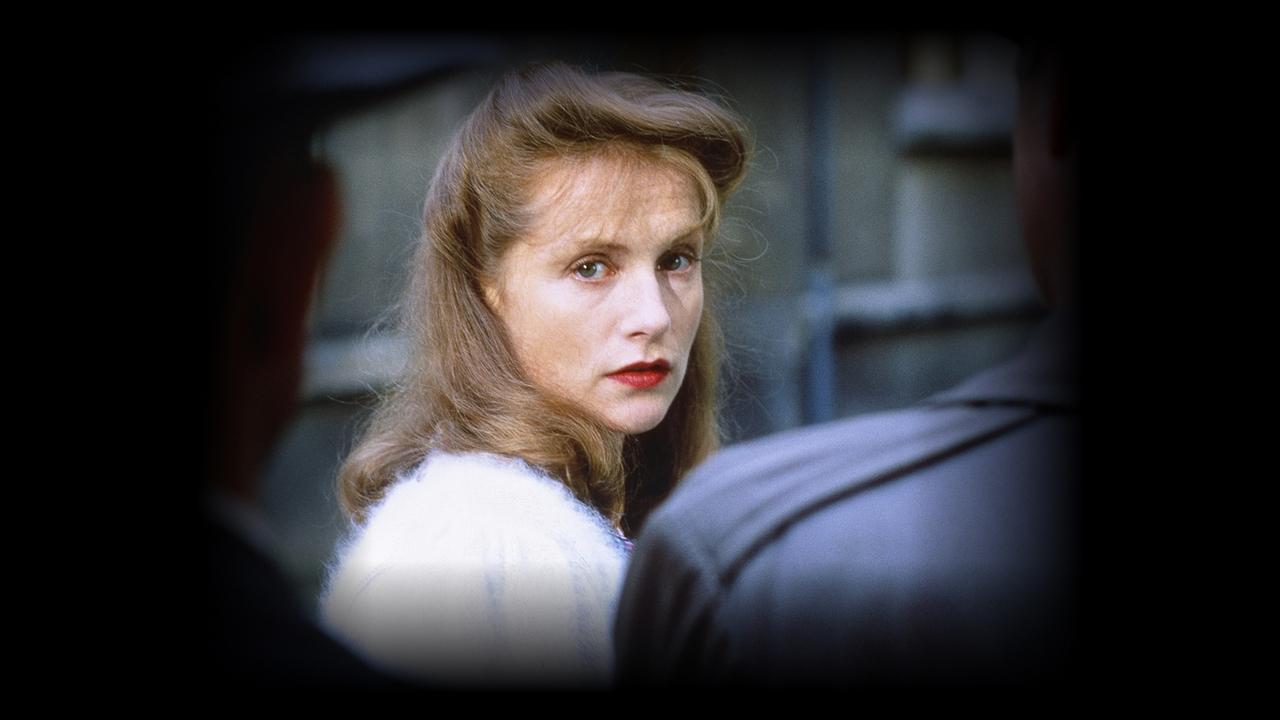
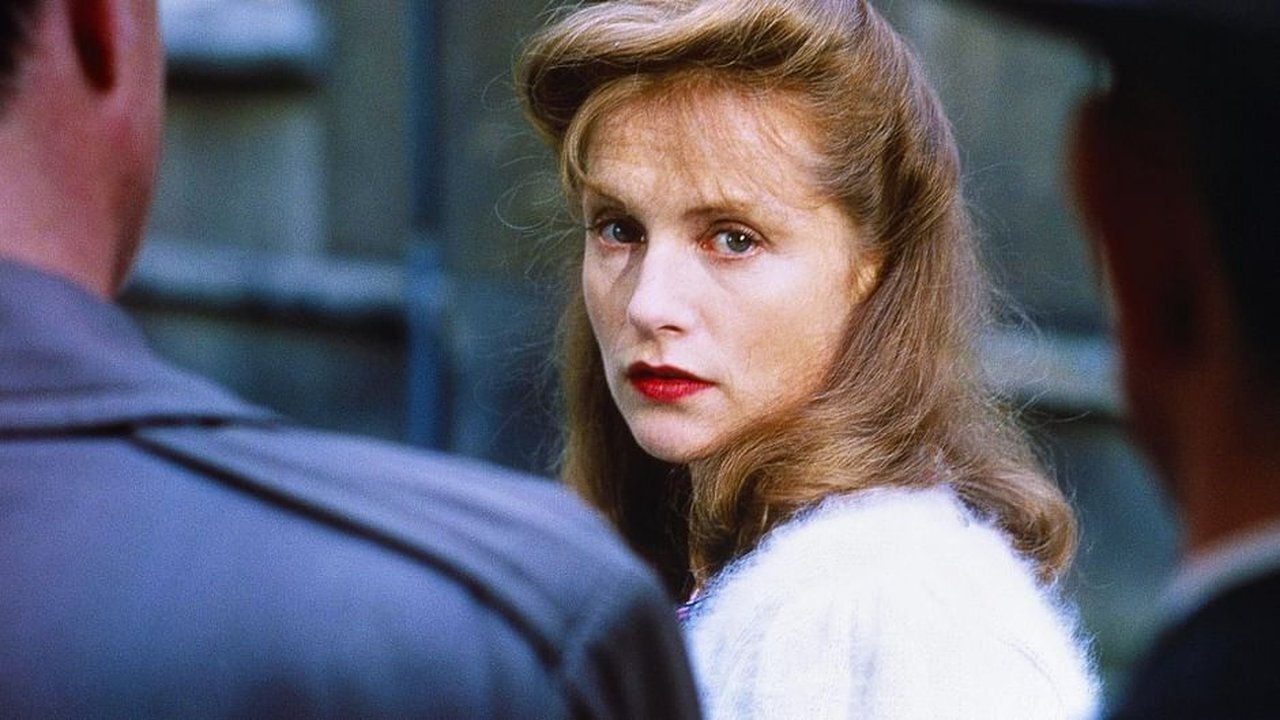
At the heart of Story of Women lies Isabelle Huppert's extraordinary performance, which rightfully earned her the Best Actress award at the Venice Film Festival. It's a masterclass in controlled complexity. Huppert doesn't ask for sympathy for Marie, nor does she condemn her outright. She portrays Marie's transformation from a harried mother to a shrewd, pragmatic operator with chilling clarity. We see her enjoy the newfound comforts – better food, nicer clothes, a larger apartment, even taking a lover. There’s a flicker of ambition, a desire for agency in a world that offers women little. Yet, Huppert subtly infuses moments with vulnerability, a fleeting awareness of the danger, a brittleness beneath the increasingly confident facade. She isn’t presented as a monster, but as a complex human being shaped, and ultimately warped, by her circumstances and choices. Is it greed? Is it survival? Is it simply seizing a rare opportunity for control? Huppert forces us to confront these questions without easy answers.
Chabrol's Measured Hand
Claude Chabrol, working from a script co-written with Colo Tavernier O'Hagan, directs with his signature cool precision. There’s no melodrama here, no soaring music telling us how to feel. The camera often observes Marie almost clinically, allowing her actions and Huppert’s nuanced expressions to carry the weight. The atmosphere is thick with the oppression of the Occupation – the rationing, the fear, the pervasive sense of compromise. Chabrol is less interested in the mechanics of the abortions (which are handled discreetly) than in the societal hypocrisy and moral ambiguities they expose. Marie operates in a world where collaboration, black markets, and infidelity are commonplace beneath a veneer of propriety. Supporting performances, like François Cluzet as the emasculated, resentful husband and the late, luminous Marie Trintignant as a prostitute who becomes Marie’s friend and client, further enrich this bleak tapestry.
Based on a Chilling Truth
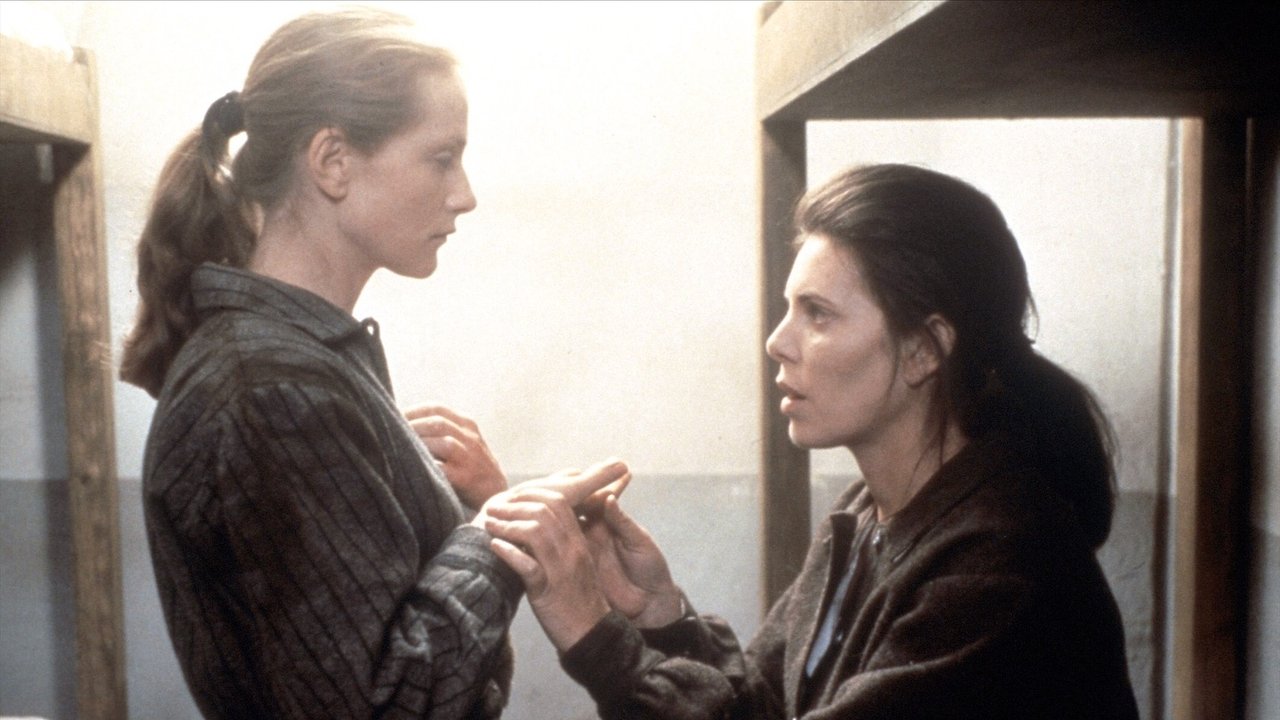
What lends Story of Women an extra layer of devastating weight is its basis in fact. Marie Latour is based on Marie-Louise Giraud, who was indeed executed by guillotine in 1943 for performing abortions under the Vichy regime – the last woman to be guillotined in France. Knowing this historical context deepens the film's impact. Chabrol isn't just crafting a fictional drama; he's examining a specific, tragic moment born from a confluence of war, restrictive laws, and societal desperation. The film sparked controversy upon release, particularly from religious groups who saw it as pro-abortion, but Chabrol's focus seems far broader: an exploration of flawed humanity navigating impossible choices within a repressive system. It's less a political tract and more a profound character study set against a backdrop of moral compromise.
A Heavyweight Find from the Video Store Era
Encountering Story of Women on VHS might have felt like a jolt. It lacked the immediate gratification of an action flick or the warm fuzzies of a nostalgic comedy. Instead, it offered something denser, more challenging – a film that demanded attention and provoked thought long after the credits rolled. It’s a reminder that the video rental era wasn’t just about blockbusters; it was also about access to powerful world cinema, films that could broaden horizons and confront uncomfortable truths. This wasn't a tape you'd casually pop in for background noise; it commanded your focus.
---
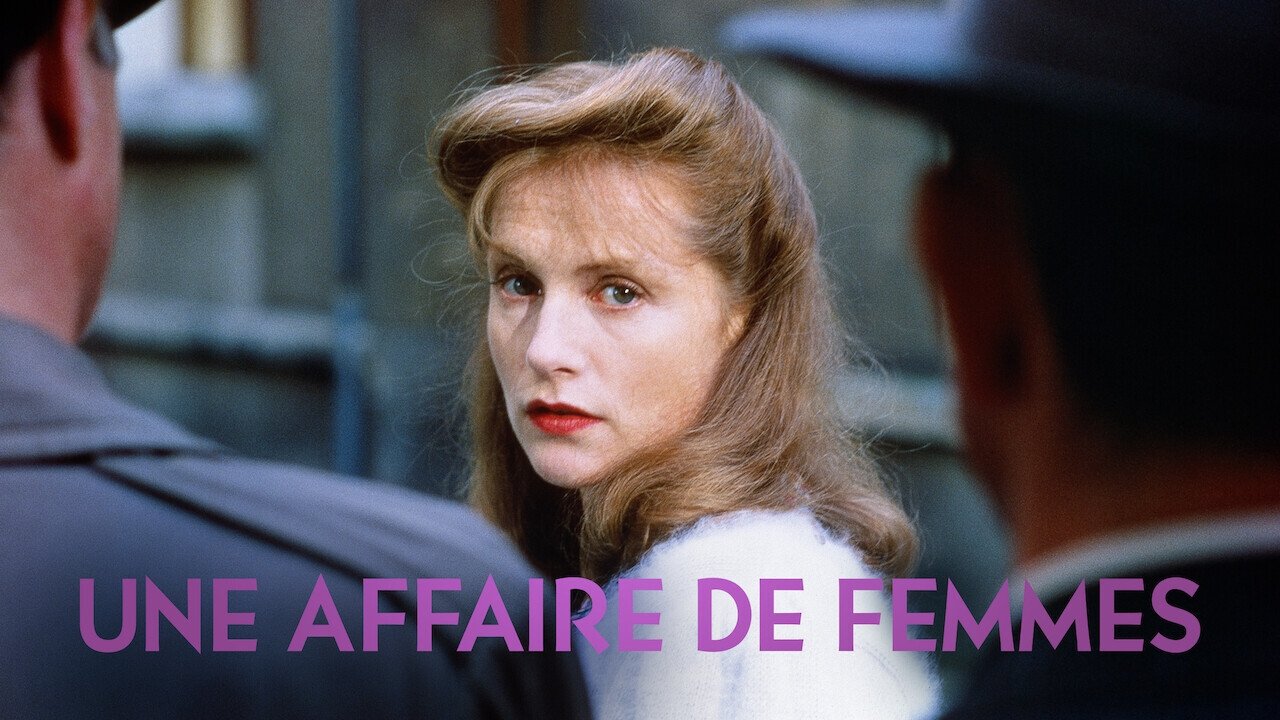
Rating: 9/10
This score reflects the film's exceptional execution, Isabelle Huppert's monumental performance, and Claude Chabrol's masterful, unflinching direction. It's a near-perfect realization of its grim subject matter, offering profound insights into human nature under duress. The film is deliberately paced and its tone is bleak, which might not appeal to all viewers seeking lighter fare, preventing a perfect score in the context of pure rewatchability for some, but its artistic merit and impact are undeniable.
Story of Women remains a powerful, unsettling film that lingers in the mind. It doesn’t offer easy judgments, but instead leaves you contemplating the complex web of circumstance, choice, and consequence in a world stripped bare by war. A truly significant piece of filmmaking from the late VHS era.