Childhood is often painted in strokes of pure sunshine, a time sealed off from the harsher realities looming just beyond the backyard fence. But what happens when those realities – poverty, trauma, the echoes of distant battles – refuse to stay away? When the games children play start reflecting the very adult conflicts they barely comprehend? Jon Avnet's 1994 film The War delves into this murky territory, presenting a sun-drenched Mississippi summer pierced by shadows, all drawn from the deeply personal childhood experiences of screenwriter Kathy McWorter. It’s a film that didn't shout from the multiplex rooftops upon release, often overshadowed by flashier fare, but one that found a quiet, resonant life on the shelves of video stores, waiting to be discovered by those seeking something more substantial than typical family entertainment.

Summer Days, Heavy Hearts
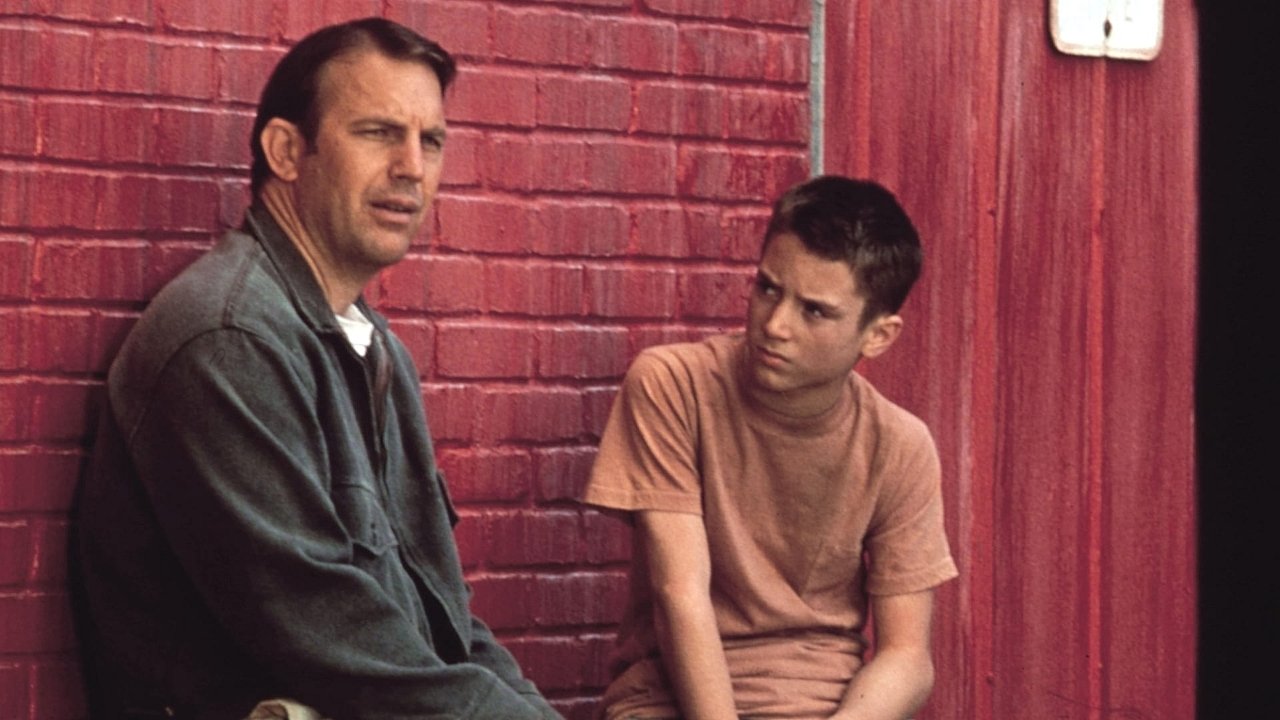
Set in rural Mississippi in 1970, the film introduces us to the Simmons family, struggling to keep their heads above water. At the center is Stephen Simmons, played by Kevin Costner in a role that felt like a deliberate pivot from his reigning superstar status earned through hits like Field of Dreams (1989) and Robin Hood: Prince of Thieves (1991). Here, Costner embodies a Vietnam veteran haunted by his experiences, battling PTSD long before it was a common household term. He’s a man trying desperately to reconnect with his family and find steady work, yet constantly tripped up by the invisible wounds he carries. His presence is a quiet storm – capable of warmth and fierce love, but also sudden, terrifying flashes of darkness rooted in his past trauma. It’s a performance marked by its restraint; Costner conveys Stephen’s inner turmoil often through weary eyes and burdened posture, making his struggle feel achingly real.
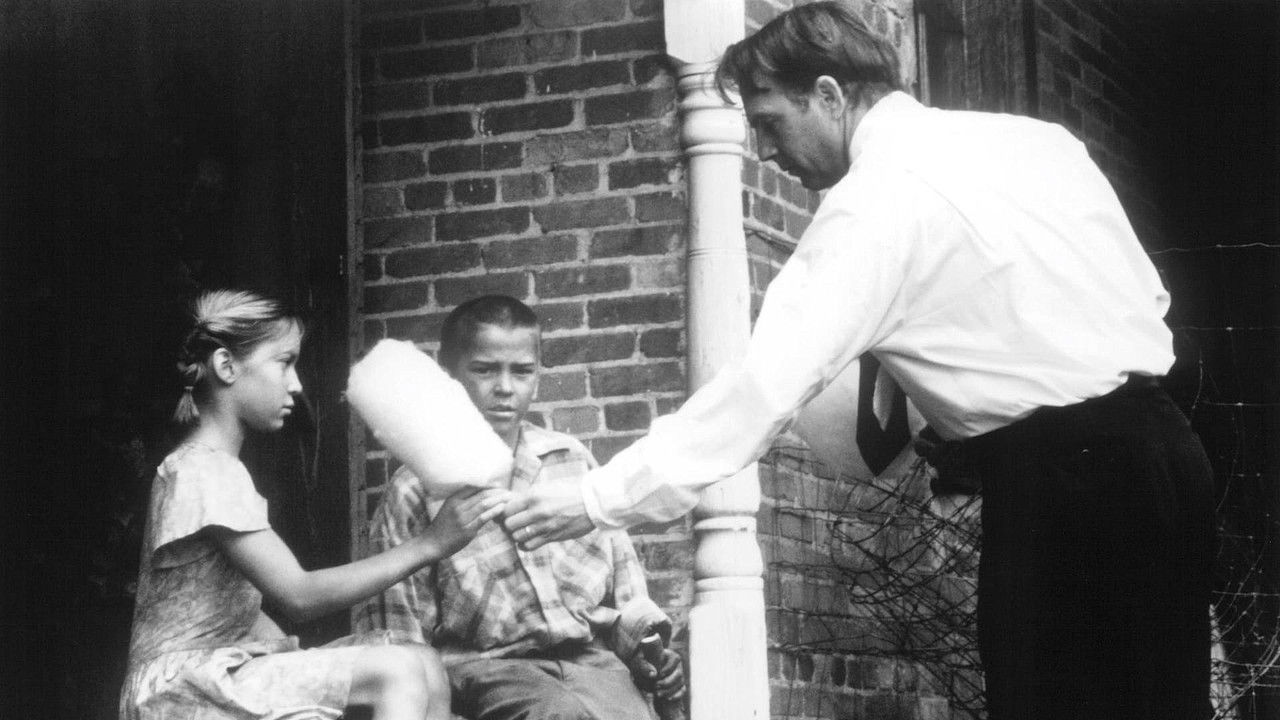
Against this backdrop of adult hardship, the Simmons children – Stu (Elijah Wood), Lidia (Lexi Randall), and their younger twin siblings – navigate their own world. This world finds its focal point in a magnificent, sprawling treehouse built by the kids from scavenged materials. It’s their castle, their sanctuary. But this haven becomes contested ground when the Lipnicki kids, a rough-and-tumble neighboring family led by the bullying Arliss (Christopher Fennell), lay claim to it. What begins as typical childhood squabbling escalates, mirroring the adult conflicts surrounding them, forcing Stu in particular to confront difficult questions about courage, violence, and the nature of war itself.

The Young Warriors
While Costner provides the film's grounding emotional weight, it's the young cast, particularly Elijah Wood, who carry the narrative thrust. Wood, already showing the depth that would later define his career in films like The Lord of the Rings trilogy, is remarkable as Stu. He portrays the character's journey from a sensitive, somewhat timid boy to someone forced to make incredibly difficult choices with compelling nuance. You see the conflict warring within him – the desire for peace clashing with the perceived need to fight for what’s theirs, the influence of his father’s struggles weighing heavily on his young shoulders. Lexi Randall as Lidia is also wonderful, offering a perspective of fierce loyalty and burgeoning understanding. The dynamic between the Simmons kids and the Lipnickis feels authentic, capturing that blend of bravado, vulnerability, and cruelty that can mark childhood disputes. Their 'war' over the treehouse becomes a microcosm of larger conflicts, stripped bare of political justification and revealing the raw, human cost.
Director Jon Avnet, who previously helmed the similarly Southern-set and emotionally rich Fried Green Tomatoes (1991), brings a gentle, observant touch. He allows the sweltering Mississippi atmosphere, beautifully captured by cinematographer Geoffrey Simpson, to seep into the narrative. You can almost feel the humidity, hear the cicadas buzz. Avnet doesn't shy away from the ugliness – the poverty, the lingering effects of war, the casual cruelty children can inflict – but he also finds moments of grace, resilience, and profound love, particularly in the steadfast presence of the family matriarch, Lois, played with understated strength by the always reliable Mare Winningham.

Echoes in the Attic
Watching The War today, it feels like a film somewhat out of time, even for 1994. It lacks cynicism, opting instead for earnest emotion and a straightforward exploration of complex themes. It doesn’t offer easy answers. Stephen Simmons’ battle with PTSD isn’t magically resolved; the poverty the family endures feels like a tangible weight. The film acknowledges that sometimes courage isn’t about winning the fight, but about how you choose to engage with it, or even walk away. Reportedly, McWorter's script drew heavily on her own upbringing, lending the interactions and setting an air of lived-in truth. Filmed on location in Georgia (standing in for Mississippi), the production captured that specific sense of place crucial to the story. While perhaps not a box office juggernaut (earning around $17 million against its budget), its availability on VHS gave it a second life, allowing its poignant story to connect with viewers seeking drama with genuine heart.
The film asks us to consider: how do the battles fought by one generation shape the landscape for the next? What does it truly mean to protect the things—and people—we love? There's a quiet power in its refusal to simplify these questions.
Rating: 8/10
The War earns its rating through its powerful, authentic performances (especially from Costner and Wood), its sensitive handling of difficult themes like PTSD and poverty, and its evocative Southern atmosphere. It avoids easy sentimentality, grounding its emotional core in believable characters and situations. While the pacing might feel measured to some, it allows the weight of the family's struggles and the children's conflict to resonate deeply. It's a thoughtful, moving piece of 90s drama that might have slipped under the radar but remains impactful.
It leaves you contemplating the invisible wars fought daily, both external and internal, and the enduring strength found in family, even when faced with the harshest of realities. A true gem from the video store era worth revisiting.