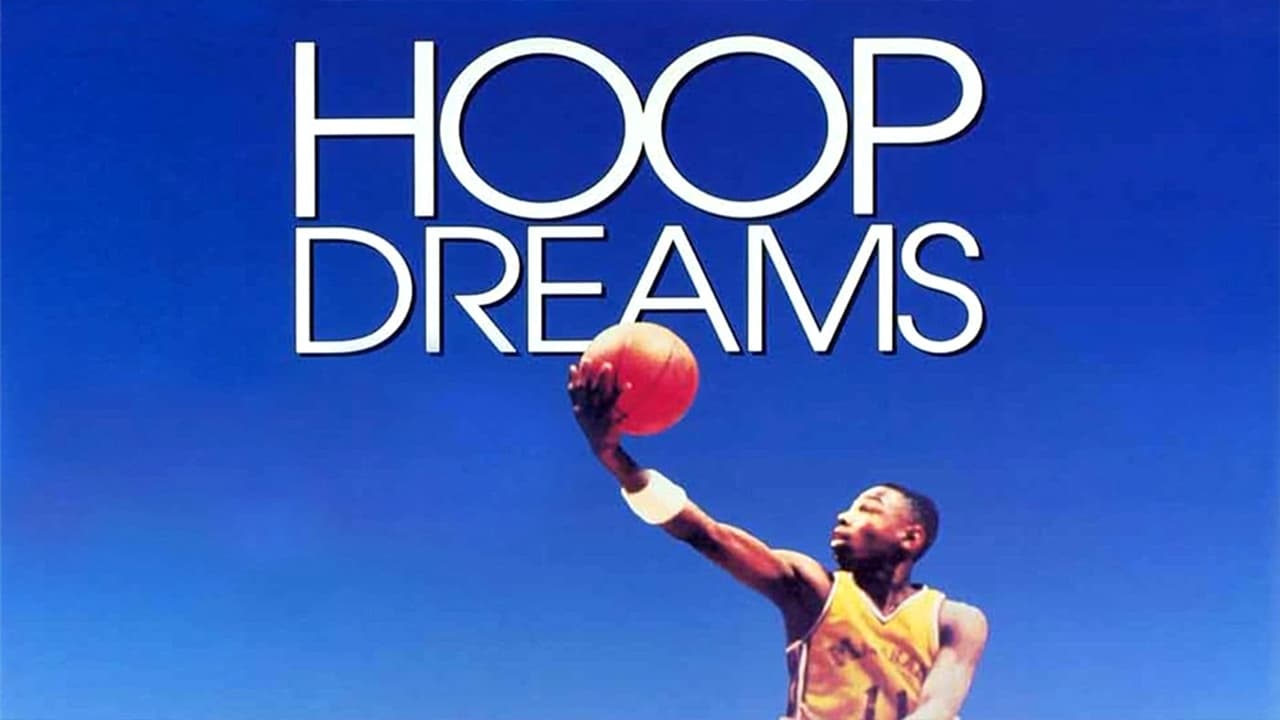
Okay, pull up a chair, maybe grab a soda—remember those glass bottles?—because we need to talk about a film that transcended the screen, a tape that felt heavier in the hand than just plastic and ribbon. We're diving into Steve James's monumental 1994 documentary, Hoop Dreams. This wasn't just another movie you rented on a Friday night; finding this one often felt like unearthing something vital, something profoundly real amidst the usual blockbuster fare lining the video store shelves. It arrived not with explosions or quippy one-liners, but with the quiet, grinding weight of reality and the soaring, fragile hope of the human spirit.
### More Than Just a Game
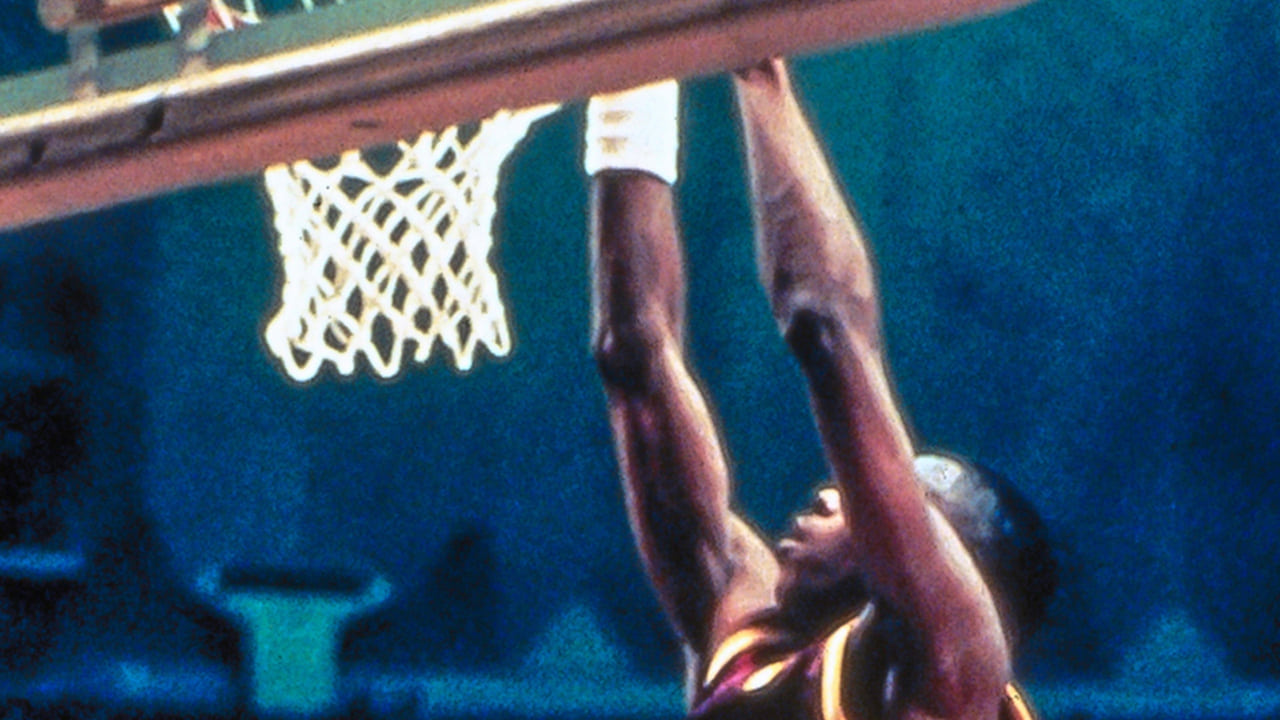
From the outset, Hoop Dreams announces itself as something different. What began as a planned 30-minute short film about playground basketball morphed, over five long years, into an epic chronicle following two African American teenagers, William Gates and Arthur Agee, from inner-city Chicago. Both possess prodigious basketball talent, seen by many—including themselves and their families—as the only viable ticket out of poverty and towards a brighter future. The film follows their journey as they are recruited by St. Joseph High School, a predominantly white suburban school famed for producing basketball stars (most notably Isiah Thomas), navigating the intense pressures of academics, athletics, family struggles, and the ever-present, often crushing weight of expectation.
The power lies in its unflinching intimacy. Steve James, along with collaborators Frederick Marx and Peter Gilbert, embedded themselves in the lives of these families. Armed with Betacam cameras—giving it that distinct, slightly grainy, incredibly immediate 90s documentary look—they captured not just the triumphant swish of the net, but the exhausting commutes, the financial anxieties whispered in kitchens, the injuries that threatened everything, and the complex dynamics with coaches and recruiters. Watching it again, you're struck by how raw and unguarded it feels, a stark contrast to the often more polished, structured documentaries common today.

### Portraits of Resilience and Reality
The "performances" here are life itself, laid bare. William Gates carries an almost stoic burden, the pressure palpable in his quiet determination. You see the intelligence behind his eyes, the awareness of the precariousness of his situation. Arthur Agee, initially perhaps overshadowed by William's potential, reveals an infectious charisma and a heartbreaking vulnerability as he faces setback after setback. His journey, perhaps even more than William's, underscores the systemic obstacles—financial hardship forcing a return to his local public school, the challenges of navigating adolescence under immense stress.
And the families. Oh, the families. Emma Gates, William's mother, is a pillar of quiet strength and support, her pride and worry etched onto her face. Arthur's parents, Bo and Sheila Agee, grapple with their own struggles—job loss, addiction, separation—while fiercely championing their son. Their honesty is profound, offering a window into the daily realities faced by so many families striving for something better against long odds. These aren't side characters; they are integral parts of a story about community, sacrifice, and the complex web of familial love and expectation.

### Behind the Dream: The Grind and the Craft
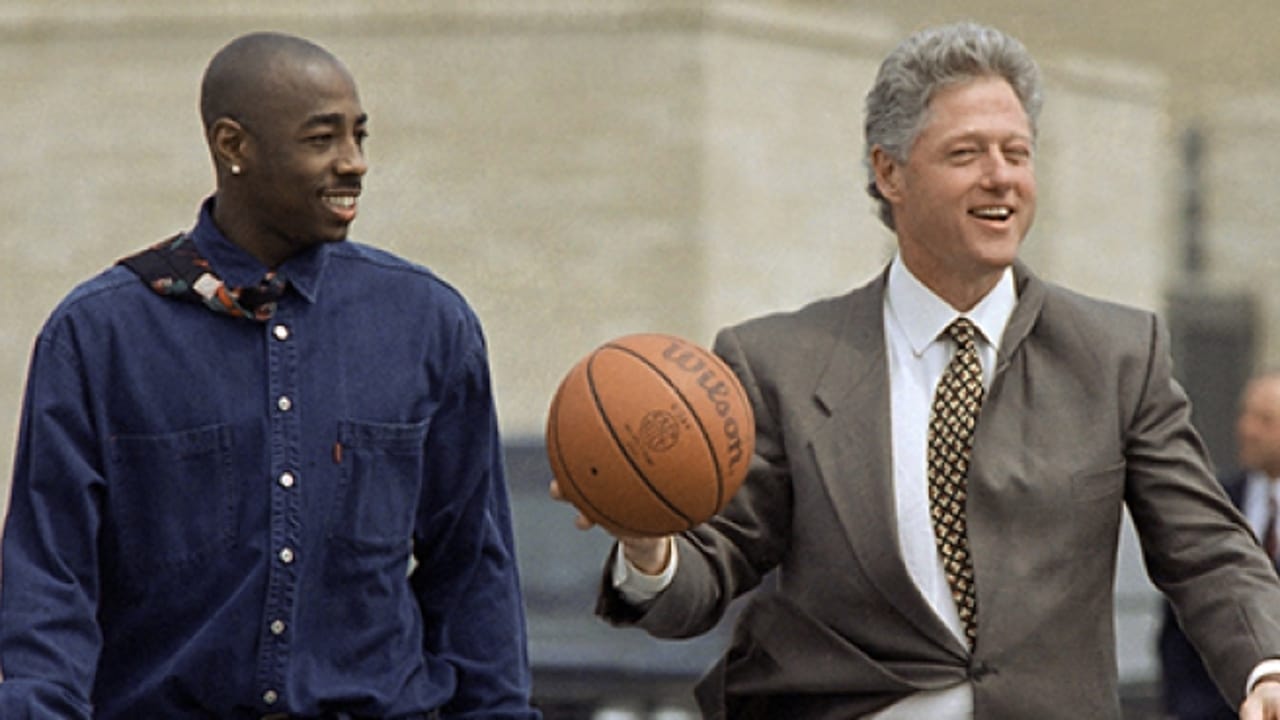
The making of Hoop Dreams is a story in itself. Filmed over five years, accumulating over 250 hours of footage, the project was a labor of love sustained by grants, personal credit cards, and sheer belief in the importance of the story. The editing process alone took years, shaping the vast material into a compelling, near three-hour narrative that never feels bloated. Think about that dedication—capturing lives unfolding in real-time, unsure of the outcome, committing years to characters the world didn't yet know. This wasn't just filmmaking; it was ethnography with a heart.
Its release was a phenomenon. Premiering at the 1994 Sundance Film Festival, it won the Audience Award for Best Documentary and garnered widespread critical acclaim. Roger Ebert famously championed it, calling it one of the best films of the decade. Yet, its subsequent snub for a Best Documentary nomination at the Oscars remains one of the Academy's most infamous controversies (though it did secure a nod for Best Film Editing). This oversight sparked outrage and led to changes in the documentary nomination process, highlighting the film's undeniable impact even in its perceived rejection by the establishment. It truly felt like a 90s documentary classic that shifted perceptions.
### The Echoes of the Dream
What makes Hoop Dreams endure, beyond the gripping narrative and the incredible access? It’s the questions it forces us to confront, questions that remain startlingly relevant. It masterfully exposes the complex, often exploitative intersection of race, class, and the American education system. Is sport truly a level playing field, or is it another system that chews up young talent, particularly young Black men, offering fleeting hope while demanding immense sacrifice with no guarantees? The film doesn't offer easy answers but lays bare the systemic pressures and the human cost.
Watching it now, nestled perhaps in memories of seeing it on a bulky CRT TV via a well-worn VHS tape, the film’s power hasn’t diminished. If anything, the intervening decades have only sharpened its observations about opportunity, inequality, and the sheer resilience required to chase a dream against overwhelming odds. It’s a potent reminder of the stories unfolding all around us, often unseen, unheard.
Rating: 10/10
Justification: Hoop Dreams is a landmark achievement in documentary filmmaking. Its unprecedented scope, intimate access, profound empathy, and powerful social commentary make it utterly compelling and essential viewing. The filmmakers' dedication, combined with the raw honesty of its subjects, creates an epic, moving, and deeply human story that transcends sports. Its technical craft (especially the monumental editing) and its lasting cultural impact solidify its perfect score.
Final Thought: More than just a film about basketball, Hoop Dreams is a vital portrait of American life, a challenging reflection on the promises we make and the systems that often break them. It stays with you long after the credits roll, not just as a memory of a great documentary, but as a lingering question about the fairness of the game itself.