Here we are, back in the glow of the cathode ray, thinking about a film that carries the weight of a humid Southern summer and the sharp edges of unresolved pain. Barbra Streisand's 1991 adaptation of Pat Conroy's sprawling novel, The Prince of Tides, wasn't just another tape on the rental shelf; it felt substantial, demanding. It’s a film that burrows deep into the landscape of memory, forcing us to confront the ghosts that linger long after the screen fades to black. What is it about the families we come from that shapes us so irrevocably, sometimes tragically?
### Where the River Meets the Sea of Memory
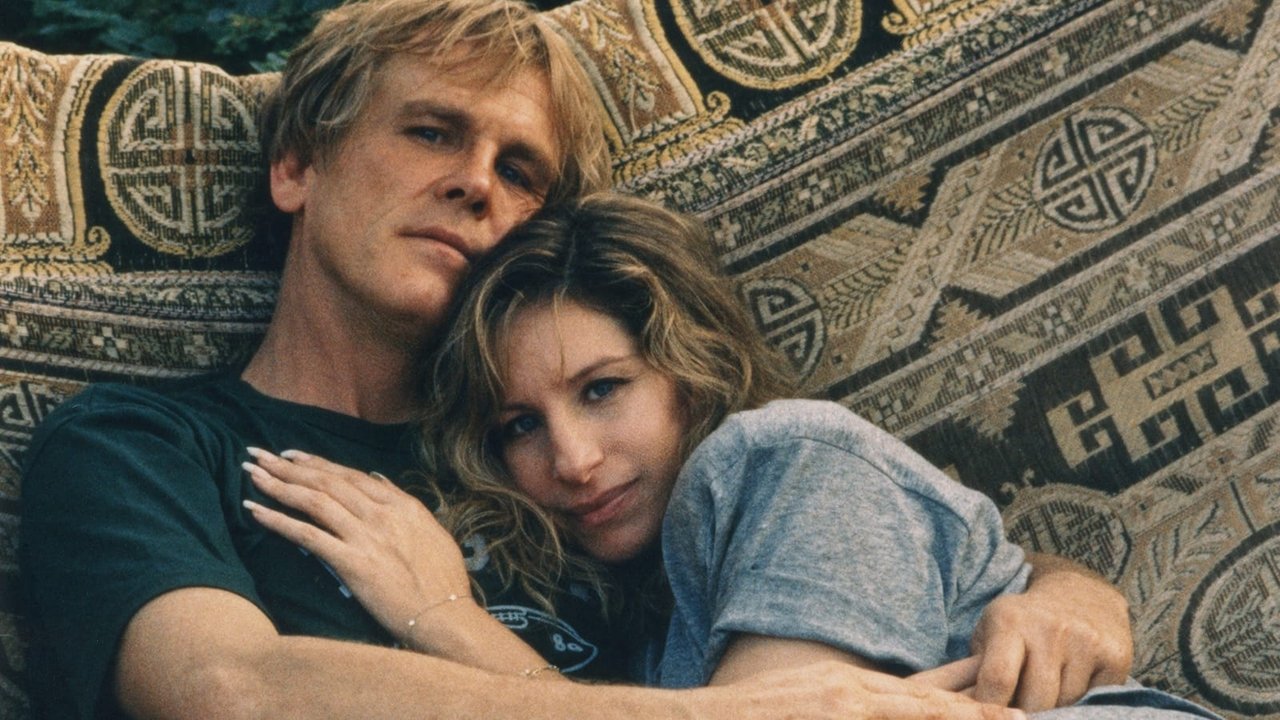
The story pulls us into the fractured world of Tom Wingo (Nick Nolte), a South Carolina teacher and football coach adrift in his own life, seemingly numb to the quiet desperation of his wife, Sallie (Blythe Danner). He’s summoned to New York City by Dr. Susan Lowenstein (Barbra Streisand), the psychiatrist treating his twin sister, Savannah (Melinda Dillon, seen mostly in flashback and distressed states), following her latest suicide attempt. Lowenstein believes understanding Tom's deeply troubled family history is key to unlocking Savannah's trauma, forcing Tom to dredge up memories he’s spent a lifetime trying to suppress – memories steeped in the lush, menacing beauty of the South Carolina lowcountry.
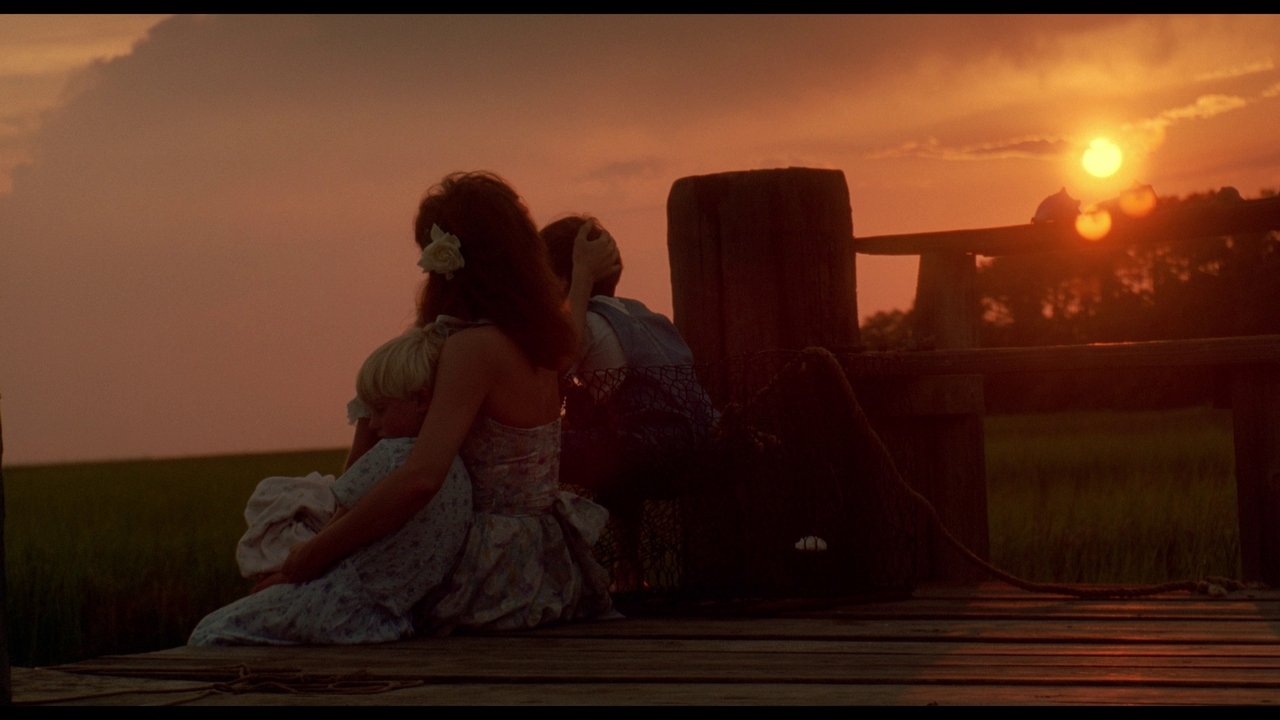
Streisand, pulling double duty as director and star, masterfully contrasts the oppressive, almost mythical atmosphere of Tom's Southern past with the cool, analytical environment of Lowenstein's Manhattan practice. The flashbacks aren't just exposition; they are visceral, sensory experiences, beautifully shot by cinematographer Stephen Goldblatt (who brought starkly different palettes to films like Batman Forever (1995) and the Lethal Weapon series). You can almost feel the marsh mud between your toes, the oppressive heat, the ever-present tension within the Wingo household, ruled by a volatile father and an eccentric, image-obsessed mother (a hauntingly memorable Kate Nelligan as Lila Wingo).
### An Actor Laid Bare
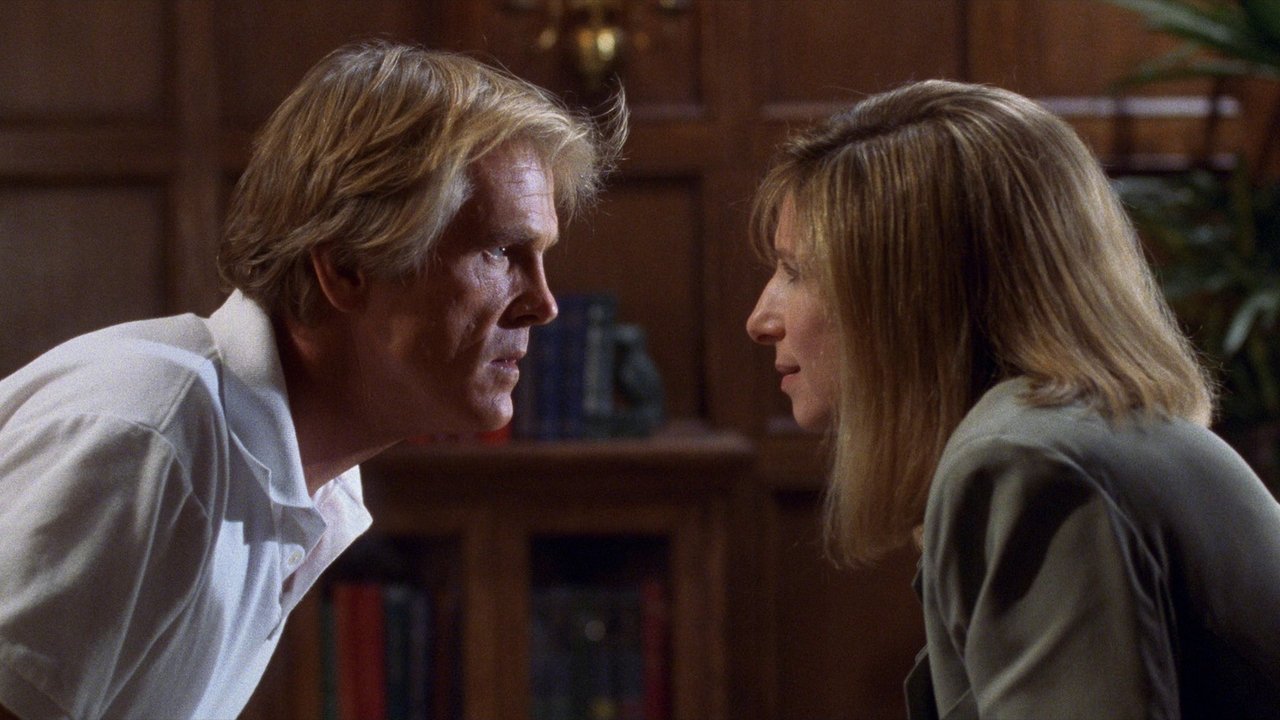
At the heart of the film's enduring power is Nick Nolte's towering performance as Tom Wingo. It’s a raw, physical portrayal of a man suffocating under the weight of unspoken grief and toxic masculinity learned at his father’s knee. Nolte reportedly gained nearly 50 pounds for the role, and that heft feels integral – Tom carries his past physically, his charm a thin veneer over deep wells of pain and rage. His scenes unpacking traumatic memories with Lowenstein are electrifying, showcasing a vulnerability rarely seen with such force in a male lead of that era. It earned him a well-deserved Best Actor Oscar nomination, and watching it again reminds you just how potent that performance remains. It feels less like acting and more like witnessing – a man carefully, painfully dismantling the defenses built over a lifetime.
Streisand, as Lowenstein, provides a steady, intelligent counterpoint. Her performance is more reserved, fitting for the character, but her connection with Nolte crackles with intellectual and emotional energy. Their scenes together form the core of the film, a therapeutic relationship that inevitably, perhaps controversially, deepens into something more personal. Some critics at the time found this veer into romance undercut the film's serious themes, but it also speaks to the profound, messy ways human beings connect through shared vulnerability. Blythe Danner, too, is quietly devastating as the wife realizing her husband has emotionally checked out long ago.

### Directing Against the Tide
Taking on Conroy's dense, beloved novel was ambitious, and Barbra Streisand faced considerable scrutiny stepping behind the camera for such a complex drama. Despite generating significant buzz and earning seven Oscar nominations, including Best Picture, Streisand was famously overlooked for a Best Director nomination – a snub that sparked considerable debate about sexism in the industry at the time. It’s worth noting that Pat Conroy himself, who co-wrote the screenplay with Becky Johnston, publicly defended Streisand’s interpretation, even the changes made to his novel's ending, feeling she captured the emotional truth. That collaboration speaks volumes.
The film wasn't made on a shoestring; its $30 million budget (a respectable sum in '91, roughly $67 million today) is evident in the gorgeous location work in Beaufort, South Carolina, and the authentic feel of its contrasting worlds. It paid off, becoming a significant box office success, grossing over $74 million domestically and $110 million worldwide. It proved that audiences were hungry for complex, adult-oriented dramas, even amidst the usual blockbuster fare crowding the multiplexes – and video store shelves. I distinctly remember this tape having a certain prestige feel, the kind you rented when you were ready to engage with a movie, not just passively watch it. Interestingly, the role of Tom Wingo was apparently first offered to Robert Redford, who turned it down, paving the way for Nolte's career-defining performance.
### Ripples That Remain
The Prince of Tides isn't a perfect film. Its length (132 minutes) might test some viewers, and the romantic subplot can feel like a concession to Hollywood convention for others. Yet, its emotional honesty, particularly regarding the long shadow of childhood trauma and the difficult path towards healing, resonates deeply. It asks profound questions: How much of our parents' damage do we inevitably carry? Can we truly understand our present without confronting the darkest corners of our past? The film doesn't offer easy answers, preferring instead to sit with the complexity of memory and the courage it takes to finally speak the unspeakable.
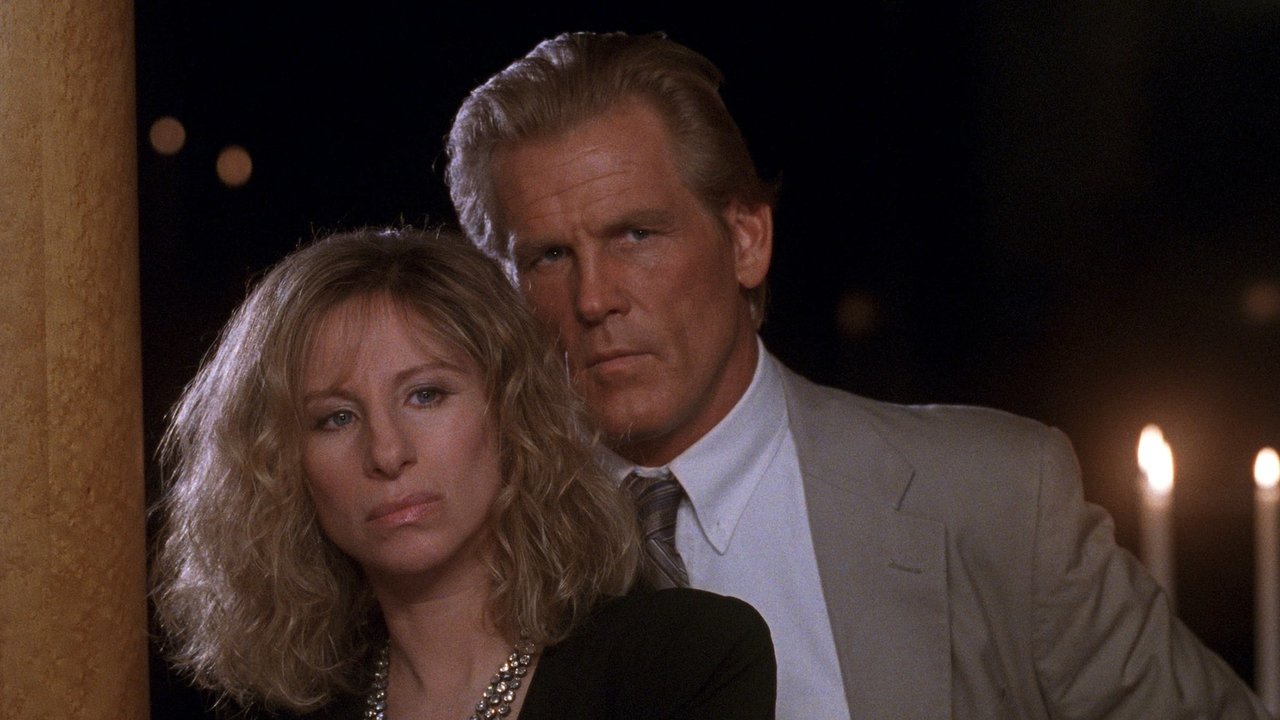
Watching it now, decades removed from its initial release, the film feels like a powerful reminder of a time when mainstream Hollywood was more willing to invest in character-driven stories tackling difficult, adult themes without flinching. It's a film that stays with you, much like the indelible images of the lowcountry tide, forever pulling back to reveal what lies beneath the surface.
Rating: 8.5/10
This score reflects the film's towering central performance from Nick Nolte, Barbra Streisand's ambitious and sensitive direction (despite the controversies), its unflinching exploration of trauma, and its sheer emotional weight. While some narrative choices might divide viewers, its impact is undeniable. It's a dense, rewarding film that earns its tears and leaves you contemplating the intricate, often painful, ties that bind families together. A true heavyweight from the golden age of VHS dramas.