Remember drifting through the 'World Cinema' or 'Drama' aisles of the video store? Past the explosive covers, sometimes you’d find a quieter box, promising something different. Claude Sautet's A Heart in Winter (Un cœur en hiver) felt like such a discovery back in 1992 – a film radiating a cool, precise elegance, hinting at turbulent emotions held rigidly beneath a placid surface. It wasn't about easy comforts; it was an invitation into a complex, often unsettling, study of human connection, or its stark absence. This wasn't your typical Friday night rental fodder, perhaps, but it was the kind of film that burrowed under your skin, leaving you pondering its chilly beauty long after the tape rewound.

The Stillness of the Workshop
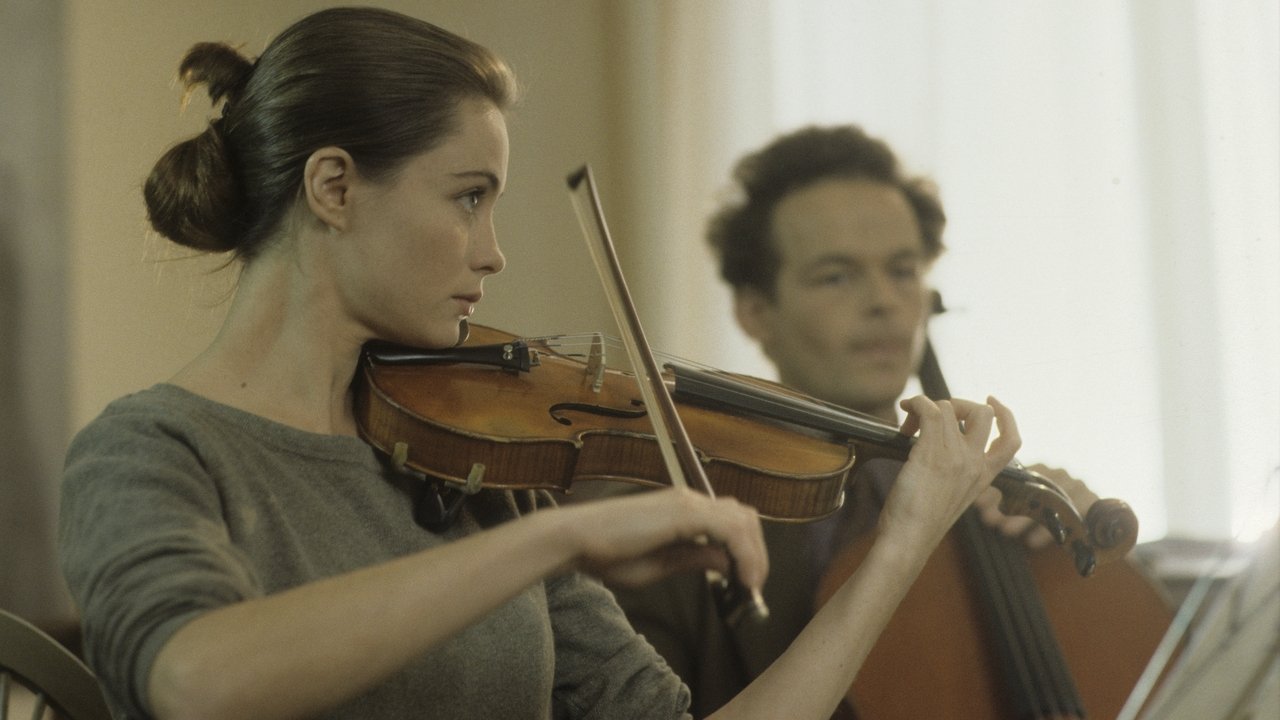
The film centers on Stéphane (Daniel Auteuil) and Maxime (André Dussollier), partners in a prestigious Parisian workshop specializing in the repair and restoration of violins and cellos. Their world is one of meticulous craft, hushed concentration, and the scent of old wood and varnish. Maxime is the outgoing face of the business, comfortable with clients and life's pleasures. Stéphane, however, is the master craftsman, the quiet observer, a man who seems to pour all his passion into the inanimate instruments, leaving little for the human world. This delicate equilibrium is disrupted by the arrival of Camille (Emmanuelle Béart), a gifted and strikingly beautiful young violinist who is also Maxime's lover.
A Study in Restraint: Auteuil's Enigma
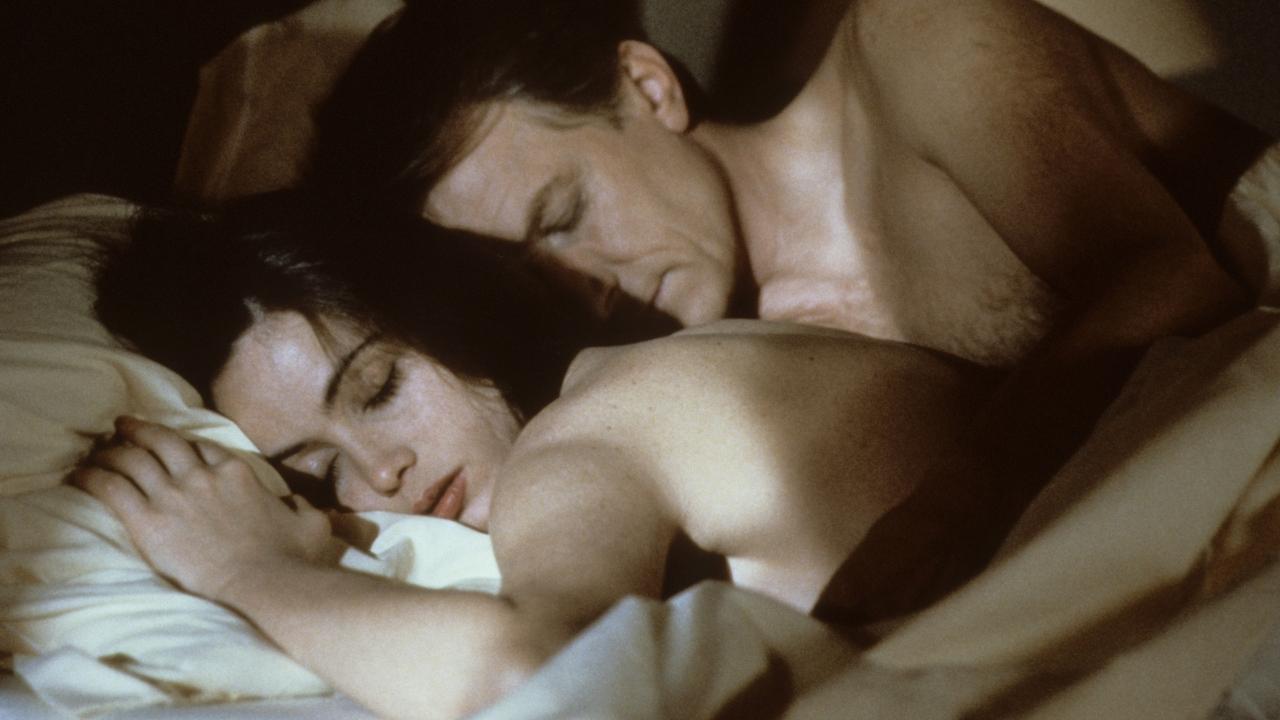
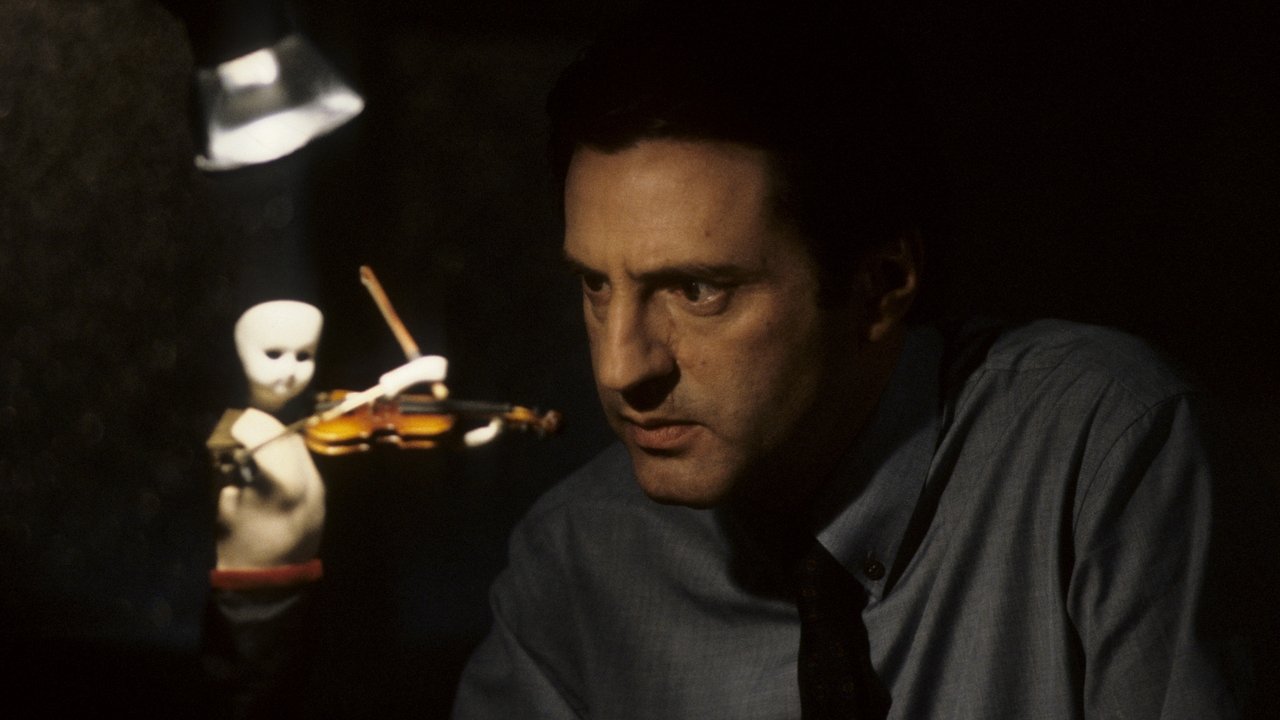
What makes A Heart in Winter so utterly compelling is the central performance by Daniel Auteuil. His Stéphane is a marvel of contained energy and unnerving stillness. He watches, he listens, he analyzes, but he rarely participates emotionally. Is his detachment a shield, a wound, or simply an essential emptiness at his core? Auteuil conveys volumes with the slightest flicker of his eyes or the subtle tension in his shoulders. It's a performance devoid of easy tells, forcing us, like Camille, to try and decipher the man behind the immaculate facade. We see the intelligence, the skill, but the emotional landscape remains deliberately opaque. Is there warmth beneath the ice, or is the coldness absolute? The film, much like Stéphane himself, refuses to provide simple answers.
The Intrusion of Life: Béart's Radiance
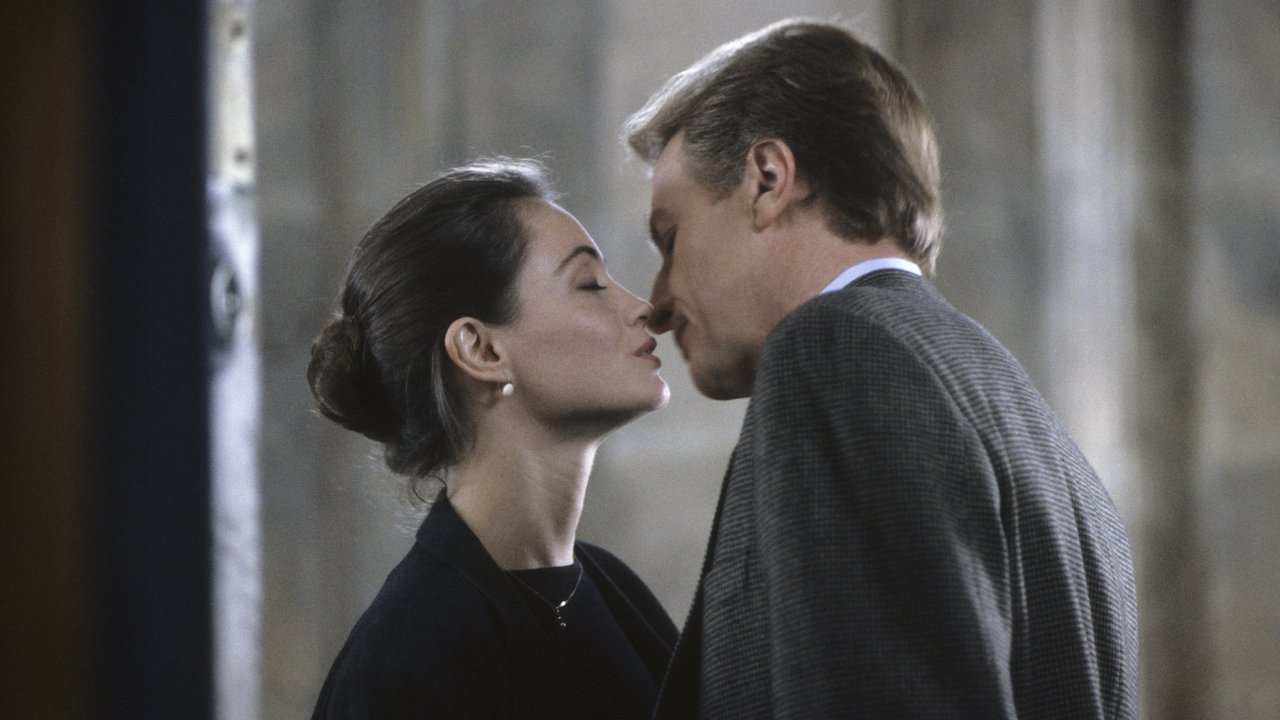
Against Stéphane's reserve, Emmanuelle Béart's Camille is a force of nature. She is vibrant, talented, emotionally direct, and possessed of a fierce intelligence that sees through pretence. Intrigued and perhaps provoked by Stéphane's apparent indifference, she finds herself drawn to him, testing his boundaries, seeking a reaction, any reaction. Béart embodies Camille's passion – both for her music (her performances of Ravel are central to the film's mood) and, increasingly, for the enigmatic luthier. André Dussollier provides perfect counterpoint as Maxime, sophisticated and charming, yet ultimately representing a more conventional, perhaps less challenging, form of connection. Adding another layer of intrigue, particularly for those of us who followed celebrity pages back then, Daniel Auteuil and Emmanuelle Béart were a real-life couple during filming, a dynamic Claude Sautet reportedly encouraged them to subtly infuse into their performances, adding an almost uncomfortable intimacy to their characters' guarded interactions.
Beneath the Surface: Themes and Atmosphere
Claude Sautet, a master director known for his nuanced explorations of French bourgeois life (César et Rosalie, Vincent, François, Paul et les autres), directs with an exquisite, almost surgical precision that mirrors Stéphane's own craft. The camera often observes from a slight distance, emphasizing Stéphane's position as an outsider looking in. Silence speaks volumes in this film; conversations are laden with subtext, and unspoken emotions charge the air between the characters. The meticulous depiction of violin repair isn't just background detail; it serves as a potent metaphor for Stéphane's approach to life – fixing, perfecting, controlling, but perhaps never truly engaging with the soul within. Few might have realised while pulling the tape from the shelf, but the film finds its roots in Mikhail Lermontov's 19th-century Russian novel, A Hero of Our Time, specifically the 'Princess Mary' section, transposing that classic tale of calculated emotional indifference to contemporary Paris.
A Lasting Chill
A Heart in Winter isn't a film that provides catharsis in the traditional sense. It doesn't offer easy resolutions or condemn its characters. Instead, it presents a haunting portrait of emotional paralysis and the devastating consequences of choosing observation over participation. It forces us to question the nature of love, attraction, and the invisible walls we build around ourselves. Garnering widespread acclaim upon release, including the Silver Lion at the Venice Film Festival and multiple César Awards (France's Oscar equivalent), this 90s French drama wasn't just a quiet success; it was recognized as a masterwork of subtle power. Watching it again now, perhaps streamed rather than slotted into a VCR, its quiet intensity remains undimmed.
Rating: 9/10
The score reflects the film's exceptional craftsmanship, the powerhouse performances (especially Auteuil's masterful restraint), Sautet's confident direction, and its enduring, unsettling thematic depth. It achieves exactly what it sets out to do with profound elegance. While its deliberate pace and emotional coolness might not appeal to everyone seeking overt drama, its psychological acuity is undeniable.
A Heart in Winter lingers not with warmth, but with a resonant chill – a poignant reminder of the profound isolation that can exist even amidst connection, and the quiet tragedies born from hearts that remain stubbornly, inexplicably, closed.