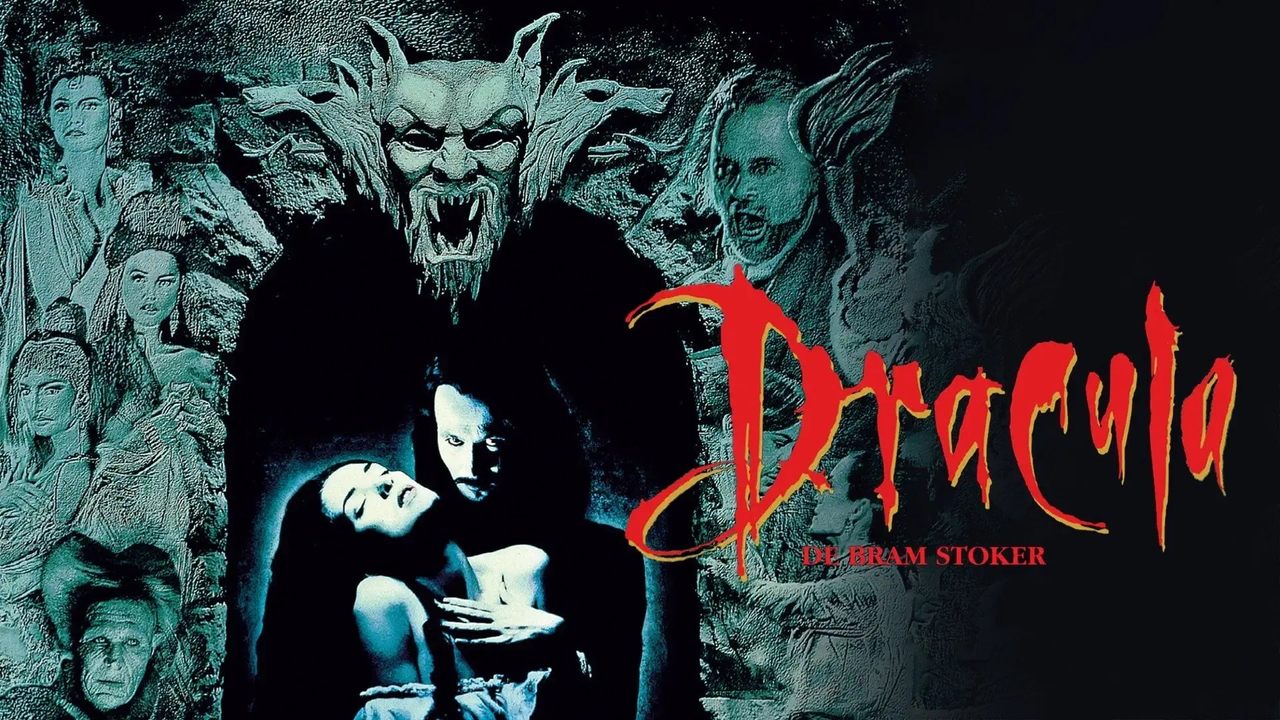
Okay, settle in. Dim the lights, ignore the creaks from the house settling. Remember that specific weight of a freshly rented VHS tape in your hand? The slightly worn cardboard sleeve, the promise of something dark and captivating within? That’s the feeling Francis Ford Coppola’s 1992 fever dream, Bram Stoker’s Dracula, still evokes. This wasn't just another vampire flick; it felt like an event, a reclaiming of the source material wrapped in velvet, shadows, and oceans of… well, you know.
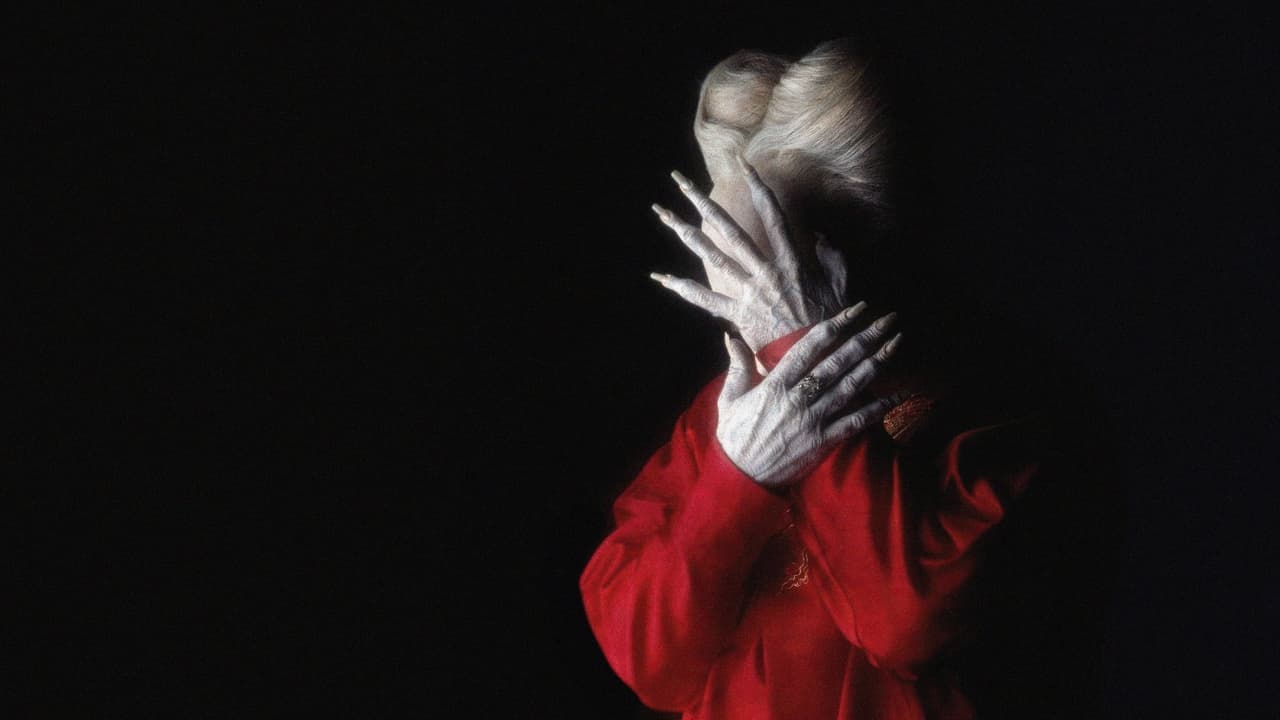
The very title, emphasizing "Bram Stoker," was a statement. Coppola, a titan known for epics like The Godfather and the nightmarish Apocalypse Now, wasn't interested in the suave, caped Counts of yesteryear. He, along with screenwriter James V. Hart, aimed to restore the tragic romance and gothic horror often diluted in previous adaptations. The result is less a straightforward horror film and more an opera painted in blood and tears, a visual feast that felt both ancient and startlingly new on our flickering CRT screens back in '92.
### Crimson Dreams and Ancient Evil
From the opening battle sequence, drenched in crimson and silhouette, Coppola establishes a unique visual language. This is a film driven by imagery, often prioritizing mood and Freudian undertones over narrative coherence. We witness the fall of Vlad the Impaler, his grief-stricken renunciation of God, and his cursed transformation into the creature of the night. The film pulses with a dark, tormented romanticism. Dracula isn't just a monster; he's a heartbroken warrior cursed by eternal life, seeing his long-lost love, Elisabeta, reincarnated in Mina Murray (Winona Ryder, fresh off iconic roles in Edward Scissorhands and Heathers).
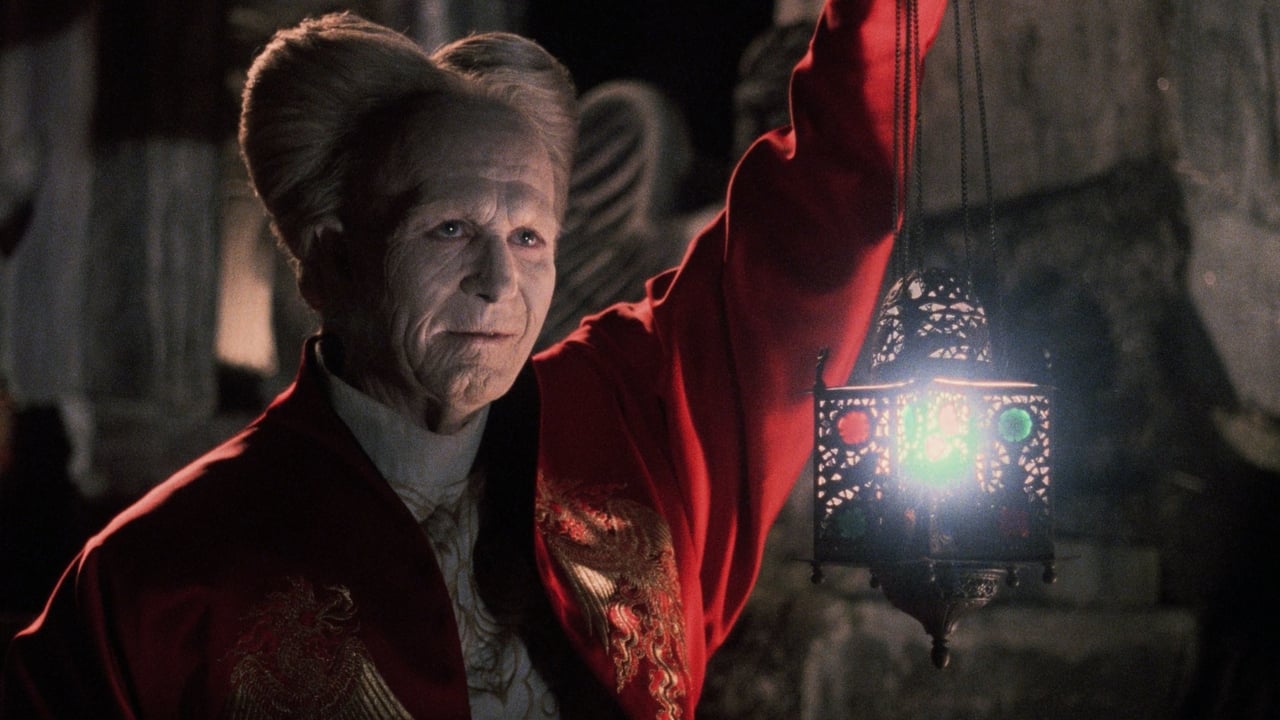
And Gary Oldman… what can you say? His Dracula is a chameleon of dread. From the ancient, almost Kabuki-inspired creature with that hairstyle (reportedly inspired by traditional samurai looks blended with decay), to the sophisticated, yet subtly ‘off’, Prince Vlad wooing Mina in London, Oldman is utterly captivating. He embodies the sorrow, the menace, and the seductive power of the Count. Forget the charming Lugosi or the feral Lee; Oldman gives us a Dracula driven by centuries of loneliness and a desperate, possessive love. It's a performance that reportedly saw Oldman isolating himself on set to maintain the character's otherworldliness, adding to the film's already intense atmosphere.
### A Symphony of Shadows and Practical Magic
What truly cemented Bram Stoker’s Dracula in my memory, pulling that tape out of the VCR with a sense of awe, was its commitment to practical, almost archaic, filmmaking techniques. Dissatisfied with the prevailing digital effects of the early 90s, Coppola famously fired his initial visual effects team, opting instead for in-camera illusions, forced perspective, reverse photography, and elaborate matte paintings – techniques harking back to the earliest days of cinema, the era of Murnau's Nosferatu. Remember Dracula's shadow moving independently across the wall? Pure, chillingly effective stagecraft. Or the ethereal green mist slithering under Lucy Westenra's door? These weren't slick CGI; they were tangible illusions, possessing a tactile, dreamlike quality that digital effects often lack. This dedication to craft, while demanding (Coppola’s son Roman often acted as second unit director specifically for these effects sequences), gives the film its unique, hypnotic texture.
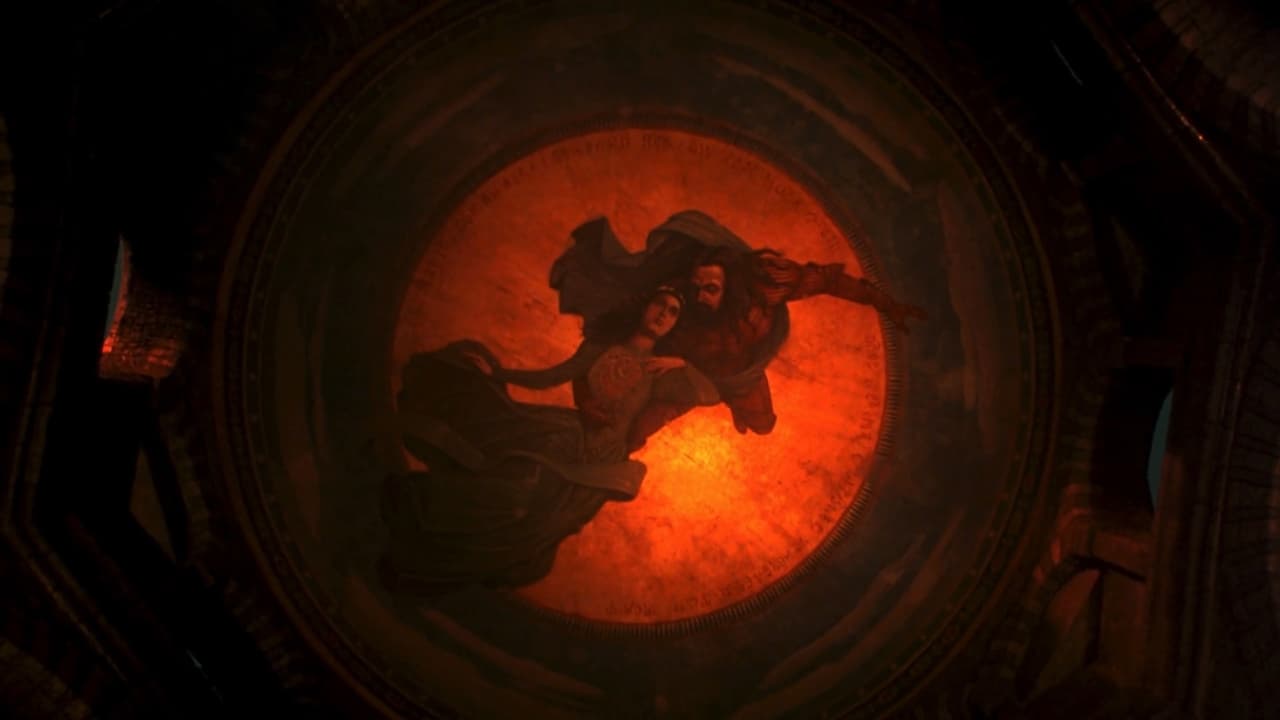
The production design is equally breathtaking. Eiko Ishioka’s Oscar-winning costumes are characters in themselves – Dracula’s blood-red armor, Mina’s Victorian gowns evolving as she falls under his spell, Lucy’s tragically diaphanous burial shroud. They are extravagant, symbolic, and utterly unforgettable. Paired with Thomas E. Sanders's production design – the decaying grandeur of Castle Dracula, the gaslit menace of London – and Wojciech Kilar's haunting, powerful score, the film achieves a level of sensory immersion that few horror films attempt, let alone achieve. It’s pure gothic overload, in the best possible way.
### Eccentric Hunters and Lingering Questions
Of course, the film isn't without its debated elements. Anthony Hopkins, hot off his chilling turn as Hannibal Lecter in The Silence of the Lambs, delivers a Van Helsing who is less stoic academic and more eccentric, slightly unhinged warrior against the darkness. It’s a performance that borders on camp, yet feels weirdly appropriate within the film’s heightened reality. And then there’s Keanu Reeves as Jonathan Harker. His earnest, somewhat stiff performance often feels out of sync with the operatic intensity around him. While some find it distracting, others argue it provides a necessary anchor of normality amidst the supernatural chaos. Did his struggle with the accent pull you out of the film, or did his sheer terror in the castle scenes feel genuine enough?
One piece of trivia that always added to the film's dark allure for me was the story that Coppola hired a real Romanian Orthodox priest to perform the wedding ceremony between Oldman and Ryder's characters on set, leading some (including Ryder herself, apparently) to wonder if they were technically married for a time! Whether strictly true or a fantastic piece of set folklore, it perfectly captures the film’s dedication to blurring the lines between performance and reality, dream and nightmare. Made on a budget of around $40 million, its global haul of over $215 million (that's roughly $460 million today!) proved audiences were thirsty for this kind of lavish, adult horror spectacle.
---
VHS Heaven Rating: 9/10
Bram Stoker's Dracula earns this high score for its sheer artistic audacity, its unforgettable visual design, Gary Oldman's tour-de-force performance, and its commitment to practical, dreamlike effects. It's an operatic, passionate, and genuinely unsettling take on the mythos. While some performances might divide viewers and the pacing occasionally languishes in its own gothic beauty, the film's strengths are overwhelming. It’s a sensory experience – beautiful, terrifying, and deeply romantic in its darkness.
Watching it again, the visuals hold up remarkably well, possessing a richness and texture often missing in modern, CGI-heavy horror. It remains a high watermark for gothic cinema in the 90s, a film that dared to treat its monster not just as a creature of fear, but as a figure of tragic, timeless longing. It’s a tape definitely worth rewinding.