It arrives not with a creeping dread, but with a thunderclap and a torrential downpour – a fitting entrance for a film as ambitious, operatic, and, let's be honest, occasionally overwhelming as Kenneth Branagh's 1994 epic, Mary Shelley's Frankenstein. Seeing that title card felt like a declaration back then, didn't it? A bold promise of faithfulness to the source, a direct challenge to the iconic, yet vastly different, Universal Monsters legacy cemented by Boris Karloff decades earlier. This wasn't just Frankenstein; this was Mary Shelley's, presented with the full force of 90s cinematic maximalism.

A Vision Writ Large (Perhaps Too Large?)
Fresh off his acclaimed Shakespeare adaptations like Henry V (1989) and Much Ado About Nothing (1993), Branagh threw himself into this gothic tragedy with the same theatrical energy, acting as both director and the obsessed Victor Frankenstein. The result is a film bursting at the seams with visual grandeur. From the sweeping, ice-bound Arctic vistas that frame the narrative to the grimy, pulsating laboratory where life is violently sparked, the production design is immense, tangible. Patrick Doyle's score swells and crashes like the stormy seas Victor navigates, underlining the high emotional stakes. There’s a relentless, almost frantic energy to the filmmaking – swooping cameras, rapid cuts, intense close-ups – mirroring Victor’s own feverish mania. It’s undeniably impressive, a spectacle designed to fill the screen (and, back in the day, our bulky CRT TVs).
But does this relentless intensity serve the story? Branagh’s Victor is a whirlwind of emotion – driven, passionate, but often teetering on the edge of hysteria. It's a performance of immense physical commitment; you can almost feel his exhaustion, his desperation. Yet, sometimes it feels like too much. The quiet moments of philosophical horror inherent in Shelley's novel occasionally get lost in the sheer sound and fury. Was this a conscious choice to externalize Victor's inner turmoil, or did the scale of the production simply demand an equally large central performance?
The Thinking Monster
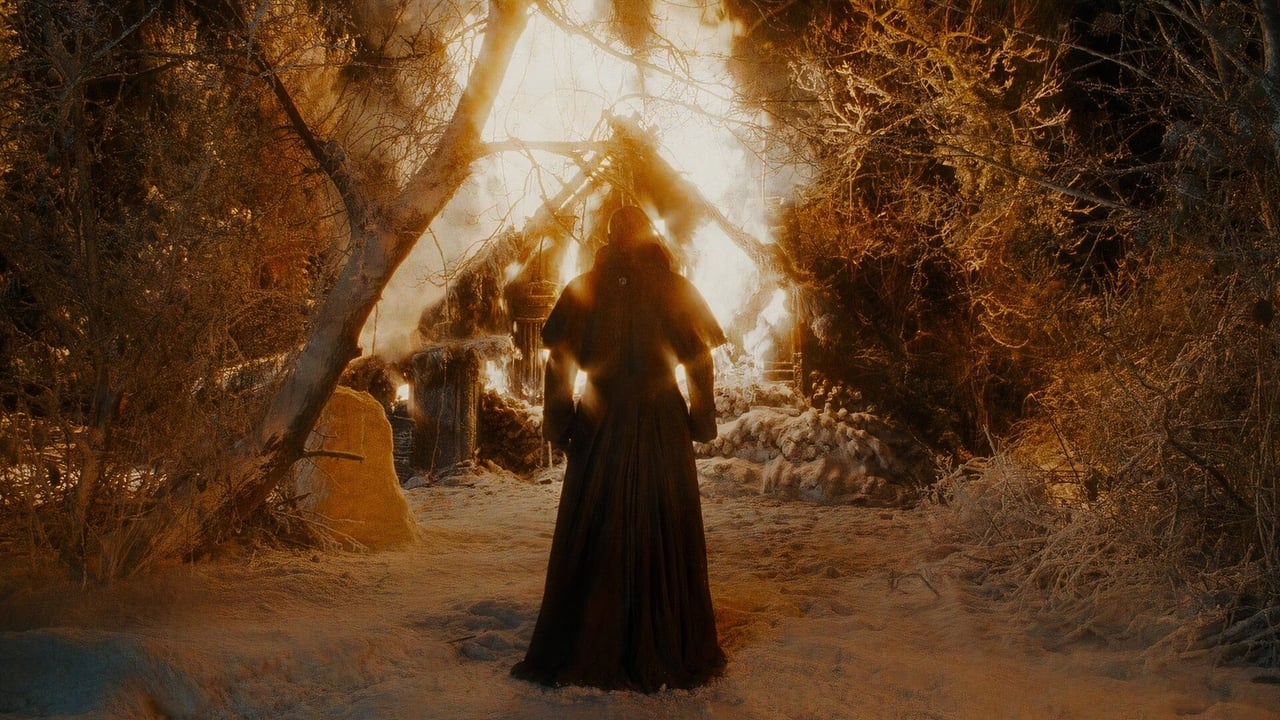
Then there's the Creature. Casting Robert De Niro, arguably the greatest screen actor of his generation, was a masterstroke of intention. This was never going to be a grunting, lumbering brute. De Niro, buried under Daniel Parker’s Oscar-nominated (and reportedly grueling, four-to-six-hour application) makeup, imbues the Creature with a profound sense of tragedy, intelligence, and aching loneliness. We see the world through his eyes – the initial wonder, the pain of rejection, the dawning horror of his own existence and his creator's abandonment. It’s a deeply physical performance; De Niro famously studied stroke victims to capture the awkward, re-learning movements of a reanimated body. His Creature feels, perhaps more deeply and authentically than Victor himself. The scenes where he learns to speak, to read, to understand the cruelty and kindness of humanity, are the film's most powerful and resonant moments, staying truest to Shelley's vision of the Creature as a thinking, feeling being pushed to monstrosity.
Fidelity and Frustration
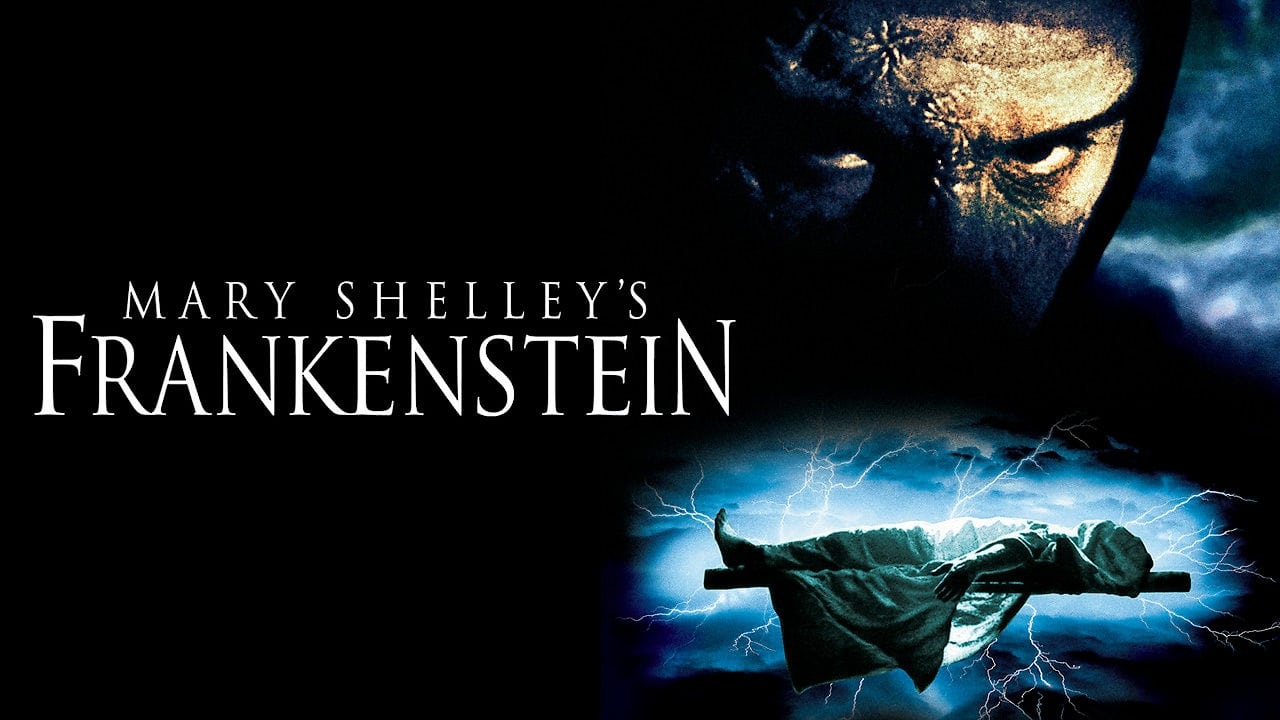
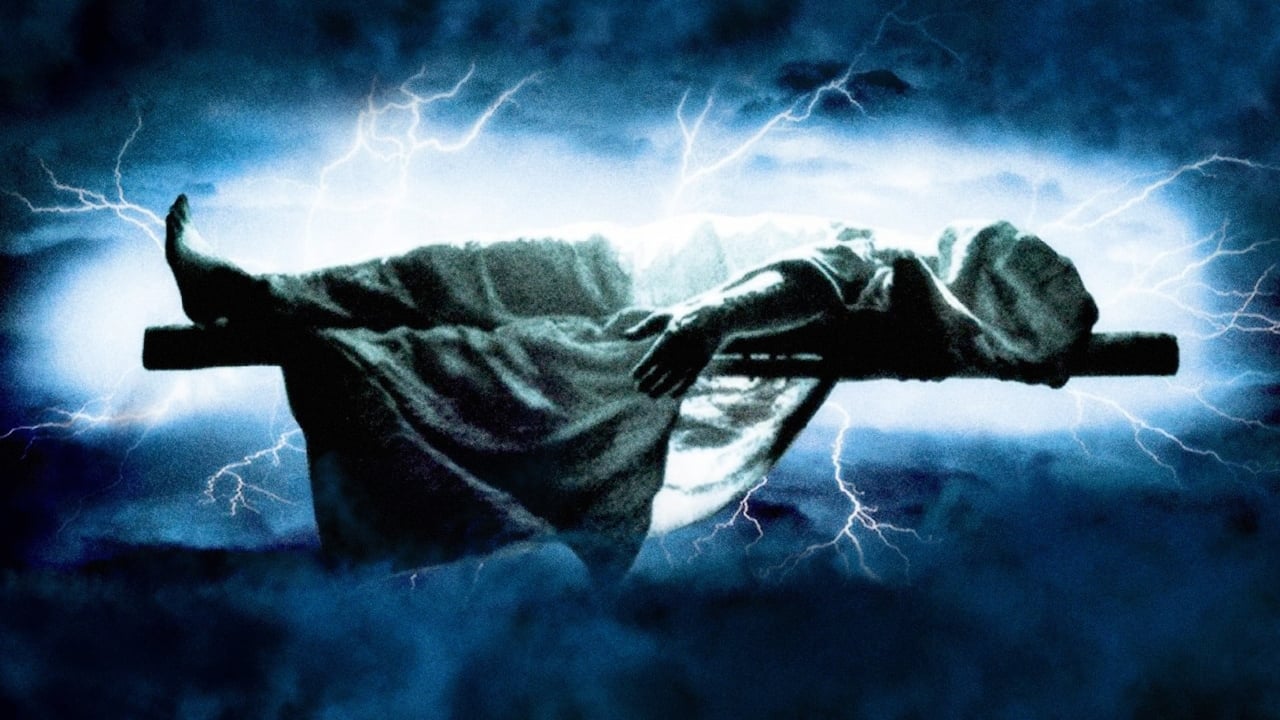
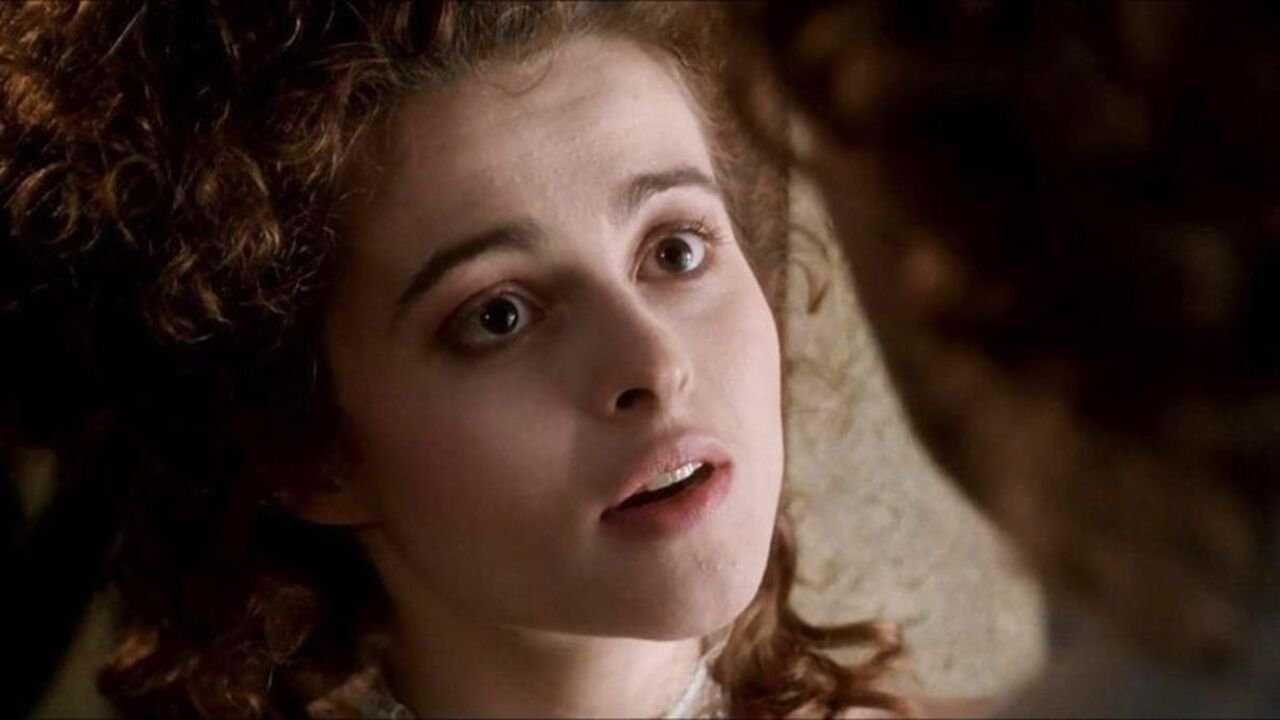
The screenplay, notably worked on by Frank Darabont (who gave us The Shawshank Redemption the very same year, quite a double feature!), aims for closer adherence to the novel than many previous adaptations. We get Victor's loving family, his close bond with Henry Clerval (Tom Hulce, bringing earnest energy) and Elizabeth (Helena Bonham Carter, radiating warmth before tragedy strikes), grounding the story before the obsession takes hold. The inclusion of Captain Walton's framing narrative adds a layer of existential reflection. However, some narrative choices, particularly in the frantic third act (Spoiler Alert! especially the reanimation of Elizabeth Spoiler Ends!), deviate significantly and feel more driven by cinematic shock value than thematic necessity. It’s in these moments the film feels less like Mary Shelley's and more like Kenneth Branagh's.
Retro Fun Facts Woven In
- The film carried a hefty $45 million budget (around $94 million today), aiming for prestige blockbuster status. It grossed about $112 million worldwide ($234 million today) – respectable, but perhaps not the unqualified smash TriStar Pictures hoped for, especially following the similar gothic literary splash of Coppola's Bram Stoker's Dracula two years prior.
- While Steph Lady received first screenplay credit, Frank Darabont's contribution is widely acknowledged as substantial. He allegedly felt his vision was ultimately compromised by Branagh's more operatic take.
- Remember the marketing? The tagline "Be warned. It's alive." played cleverly on the classic line while promising something new and intense.
- A key sequence from the novel, where the Creature observes and learns from the De Lacey family (often featuring a blind old man), was reportedly filmed but ultimately cut, removing a significant portion of the Creature's sympathetic development arc found in the book.
Legacy of Ambition
Watching Mary Shelley's Frankenstein today is a fascinating experience. The ambition is still palpable, the scale impressive. De Niro's performance remains a compelling, tragic anchor. Yet, the film's relentless energy can also be draining, its emotional tenor sometimes pitched too high for too long. It doesn't quite achieve the seamless blend of spectacle and substance it strives for, occasionally letting the former overwhelm the latter. It feels very much like a product of its time – the mid-90s push for bigger, louder literary adaptations. I recall renting this VHS, the oversized clamshell case promising something epic, and it certainly delivered on scope. The sheer physicality of the creation sequence, the mud and electricity, felt visceral and raw on a home television screen.
It’s a film that swings for the fences, and while it doesn’t always connect cleanly, the sheer force of the attempt is something to behold. It demands attention, provokes debate, and features one of the most thoughtfully realized portrayals of Shelley's creation ever put to screen.
Rating: 7/10
Justification: The score reflects the film's undeniable ambition, stunning production values, and Robert De Niro's powerful, nuanced performance as the Creature. Points are deducted for Kenneth Branagh's occasionally overwrought direction and lead performance, pacing issues in the latter half, and moments where spectacle overshadows the novel's deeper philosophical and emotional currents. It's a flawed but fascinating and visually rich adaptation that earns respect for its serious attempt to grapple with the source material on a grand scale.
Final Thought: More than just a monster movie, it’s a grandiose, operatic tragedy that, despite its imperfections, still resonates with the profound sadness at its core – the tragedy of creation abandoned. What lingers most, perhaps, is the echo of the Creature's plea for companionship, a haunting question about connection and responsibility that never truly fades.