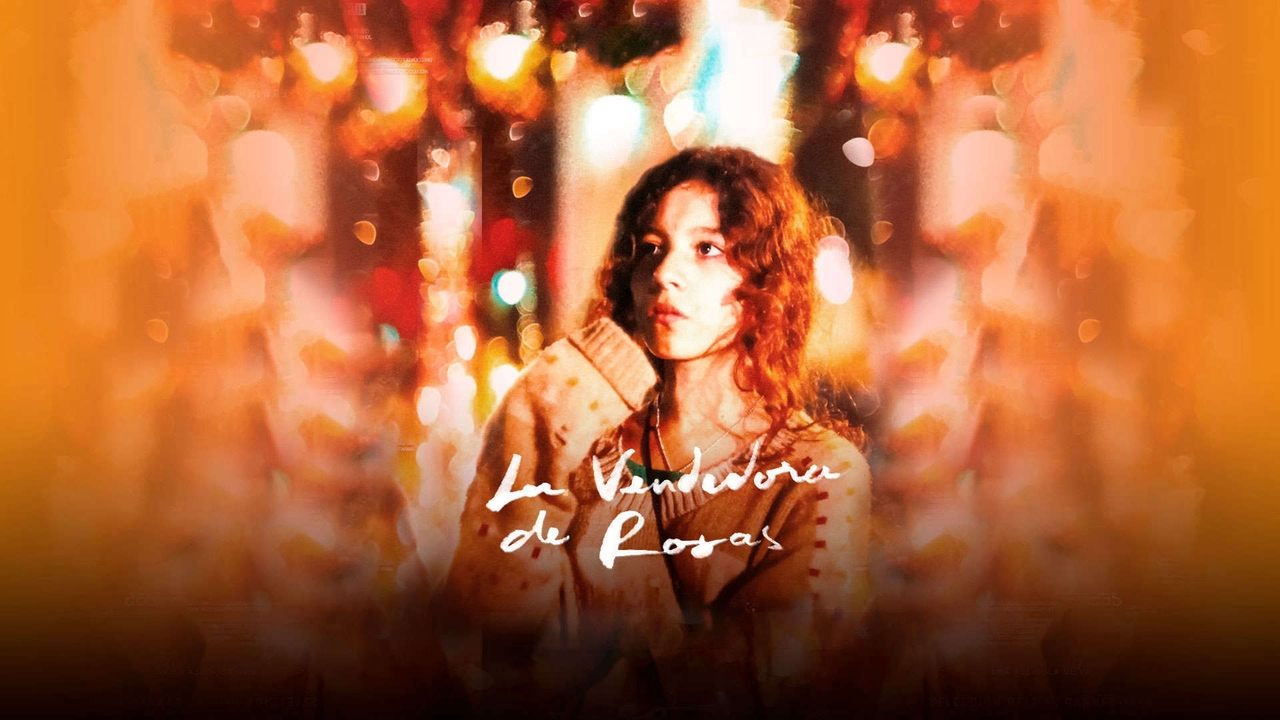
There are faces in cinema you simply don't forget. The eyes of Mónica, the young protagonist selling roses on the unforgiving streets of Medellín in Víctor Gaviria's The Rose Seller (La Vendedora de Rosas) from 1998, are among them. They hold a universe of desperate hope and crushing despair, a reflection of a world rarely captured with such raw, unflinching honesty on screen. Finding this film on a video store shelf back in the day, perhaps tucked away in a foreign film section often overlooked, felt like uncovering something potent, something leagues away from the polished narratives we usually consumed. It wasn't escapism; it was immersion, brutal and unforgettable.

Medellín's Unsentimental Streets
Set during the Christmas season, The Rose Seller immediately establishes a stark, gut-wrenching contrast. While the city nominally prepares for festivities, the lives of Mónica and her fellow street children unfold amidst poverty, glue-sniffing, petty crime, and the constant threat of violence. Gaviria, who also penned the script after extensive immersion in this world, doesn't romanticize or sensationalize their plight. He presents it with a neorealist's eye, reminiscent perhaps of De Sica or Buñuel's Los Olvidados (1950), but filtered through a distinctly Colombian lens of the late 90s, a period marked by social turbulence. The narrative follows Mónica (Lady Tabares) after her grandmother kicks her out. She dreams of buying new clothes and attending a party, a simple desire that feels monumental in her circumstances. Her journey intersects with other children navigating the same perilous existence, forming fragile bonds amidst shared trauma.
Life Inhabiting Performance
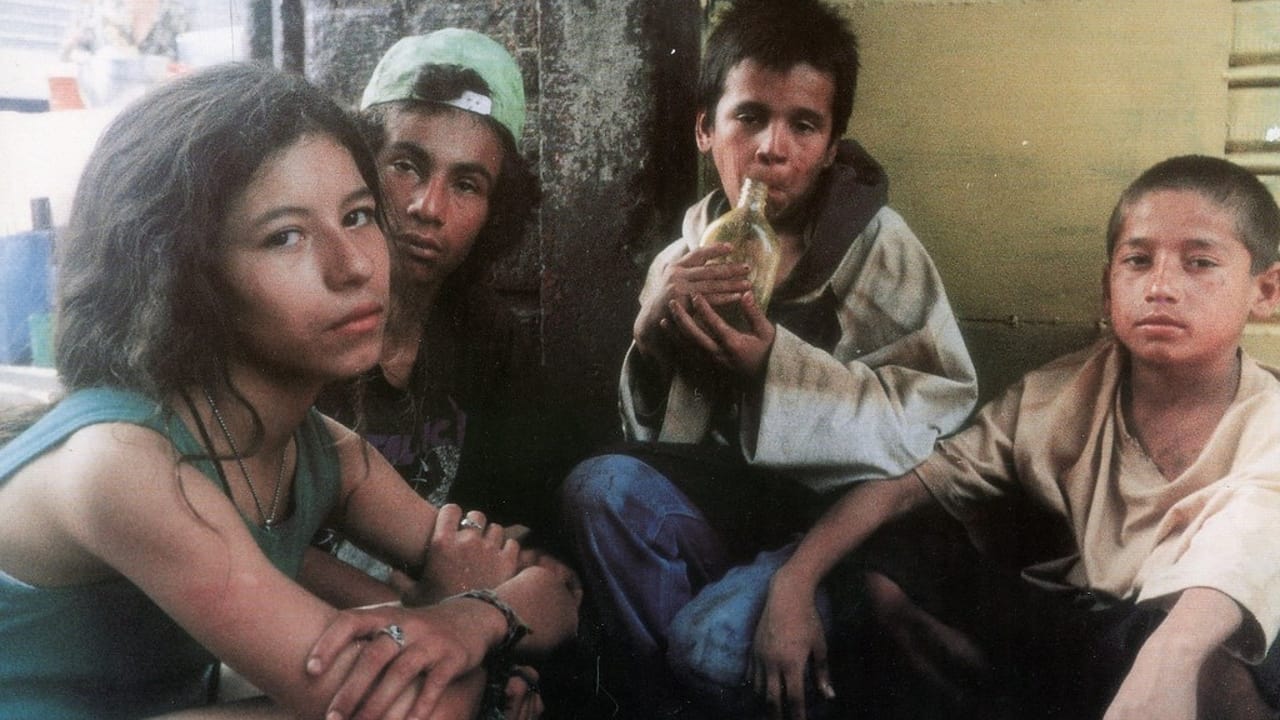
What elevates The Rose Seller beyond a grim social document is the staggering authenticity of its performances. Gaviria famously cast real street children, not professional actors, to portray characters terrifyingly close to their own lives. Lady Tabares as Mónica is a revelation. There's no artifice, no visible technique – just a raw, lived-in presence that transcends acting. Her defiance, vulnerability, and fleeting moments of childlike joy feel utterly genuine because, in many ways, they were. The line between character and person blurs, creating an intimacy and immediacy that is both powerful and deeply unsettling. Supporting players like Marta Correa (as Judy, Mónica's friend grappling with her own tragic path) and Mileider Gil (as Andrea, clinging fiercely to her baby sister) bring the same unvarnished truth to their roles. Watching them, you aren't just observing characters; you feel like you're witnessing real lives unfold.
Behind the Rawness: Gaviria's Method
Achieving this level of realism wasn't simple. Gaviria spent years researching and building trust within these communities. Filming on location in Medellín's toughest neighbourhoods presented immense challenges, logistical and ethical. The director's approach was deeply collaborative, incorporating the children's own language, experiences, and improvisations into the script. This commitment to authenticity earned the film significant acclaim, including a Palme d'Or nomination at the 1998 Cannes Film Festival – a rare feat for Colombian cinema at the time. It’s a testament to Gaviria’s vision that he could channel such chaotic reality into a coherent, impactful narrative structure without sacrificing its inherent rawness. It's filmmaking as social testimony, a world away from studio gloss.
A Lingering Shadow
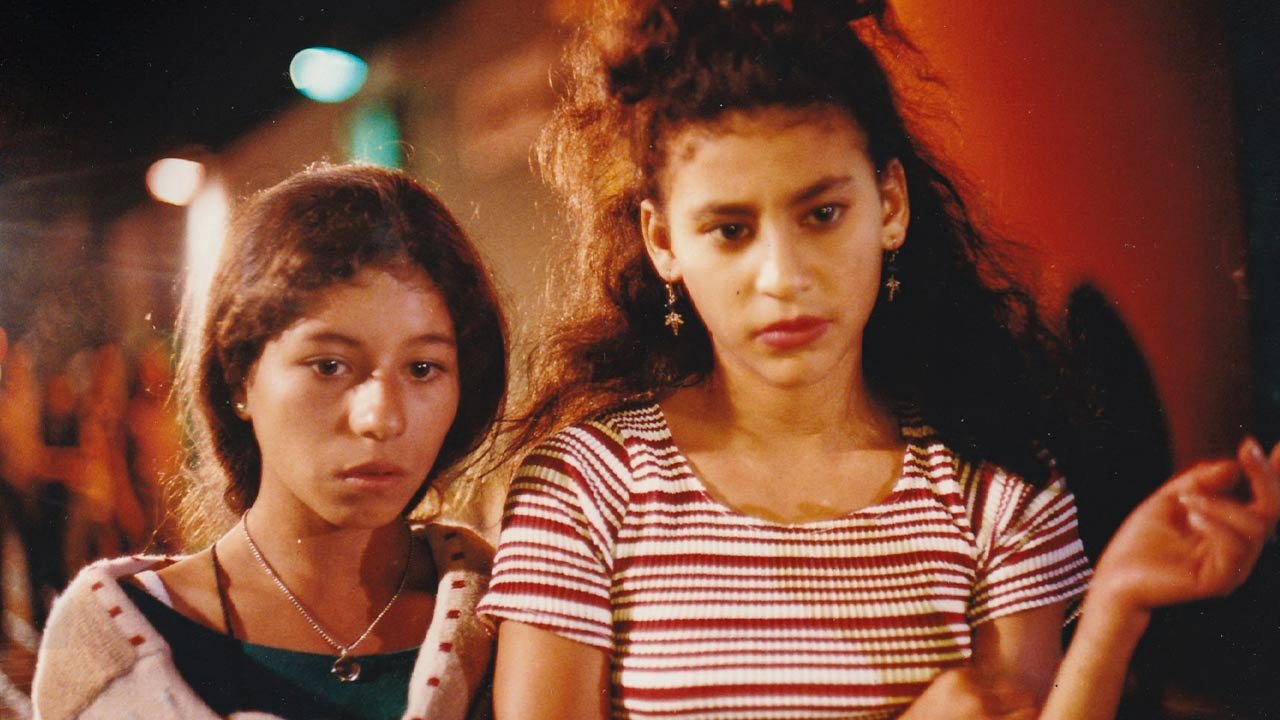
The story behind the film is as poignant as the one on screen. The use of non-actors, while lending unparalleled authenticity, also casts a long shadow. Tragically, the lives of some cast members mirrored the bleakness depicted. Giovanni Quiroz, who played El Zarco, was murdered shortly after filming, and Lady Tabares herself faced significant legal troubles and imprisonment years later, a stark reminder that the film's desperate world wasn't just a performance. Does this knowledge change how we view the film? Perhaps it deepens the sense of urgency and the weight of responsibility Gaviria undertook in giving these voices a platform, however fleeting. It certainly makes the viewing experience even more emotionally complex. This wasn't just a movie role for these kids; it was a brief intersection with a different kind of world, one that ultimately couldn't save them from the realities they returned to.
Why It Stays With You
The Rose Seller isn't an easy film. It doesn't offer simple solutions or comforting resolutions. Its power lies in its unwavering gaze, its refusal to look away from the harsh realities faced by marginalized youth. The atmosphere is thick with desperation, punctuated by moments of fragile camaraderie and the haunting sounds of the city. It forces us to confront uncomfortable truths about poverty, neglect, and the resilience – and vulnerability – of the human spirit in the face of overwhelming adversity. What lingers most after the credits roll? For me, it's those eyes – Mónica's, Judy's, Andrea's – challenging us, pleading with us, refusing to be forgotten. This wasn't a tape you'd pop in for a casual Friday night viewing, but discovering it felt vital, a necessary shock to the system delivered via the humble VHS.
---
Rating: 9/10
Justification: The Rose Seller is a landmark of Colombian cinema and a searing piece of social realism. Its power derives directly from Víctor Gaviria's uncompromising vision and the astonishingly authentic performances he elicited from his non-professional cast, particularly Lady Tabares. While its raw, unpolished aesthetic and bleak subject matter make it a demanding watch, its emotional impact and unwavering honesty are undeniable. The film's bravery in confronting harsh truths, combined with its historical context and tragic real-life echoes, elevates it beyond mere filmmaking into a vital, unforgettable human document. The high rating reflects its artistic achievement and profound impact, acknowledging its challenging nature prevents a perfect score for general audiences, but its importance is immense.
Final Thought: Decades later, The Rose Seller remains a devastatingly powerful experience, a stark reminder of the lives lived in the shadows, delivered with a truth that only reality itself can truly convey.