The air hangs thick and still, shimmering over cracked asphalt somewhere between nowhere and oblivion. A car radio crackles about a killer dubbed the "Hatchet Man," loose in the arid California landscape. Then, two strangers collide – one smooth and cagey, the other weathered and coiled tight – both nursing secrets as heavy as the million dollars simmering in a briefcase between them. This isn't just a setup; it's the opening move in Nature of the Beast (1995), a nasty little game of psychological chess played out under a relentless desert sun, the kind of film that felt right at home glowing from a CRT in the dead of night.
High Desert Paranoia
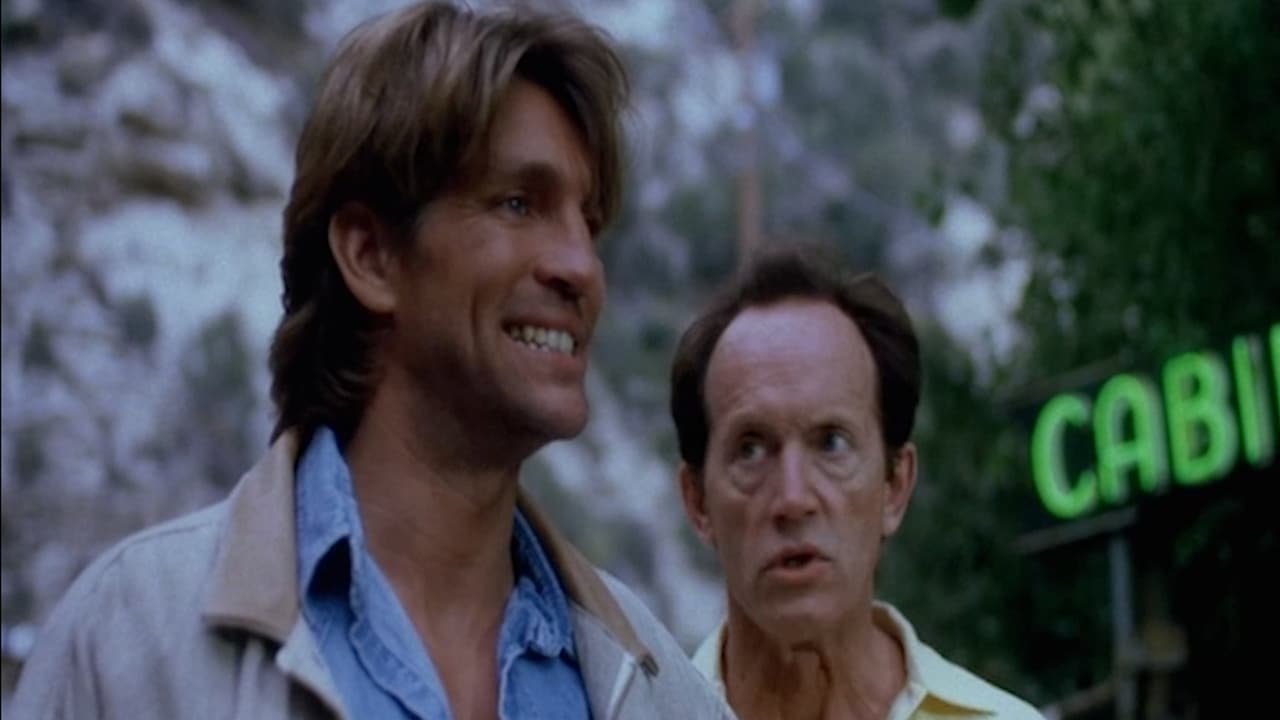
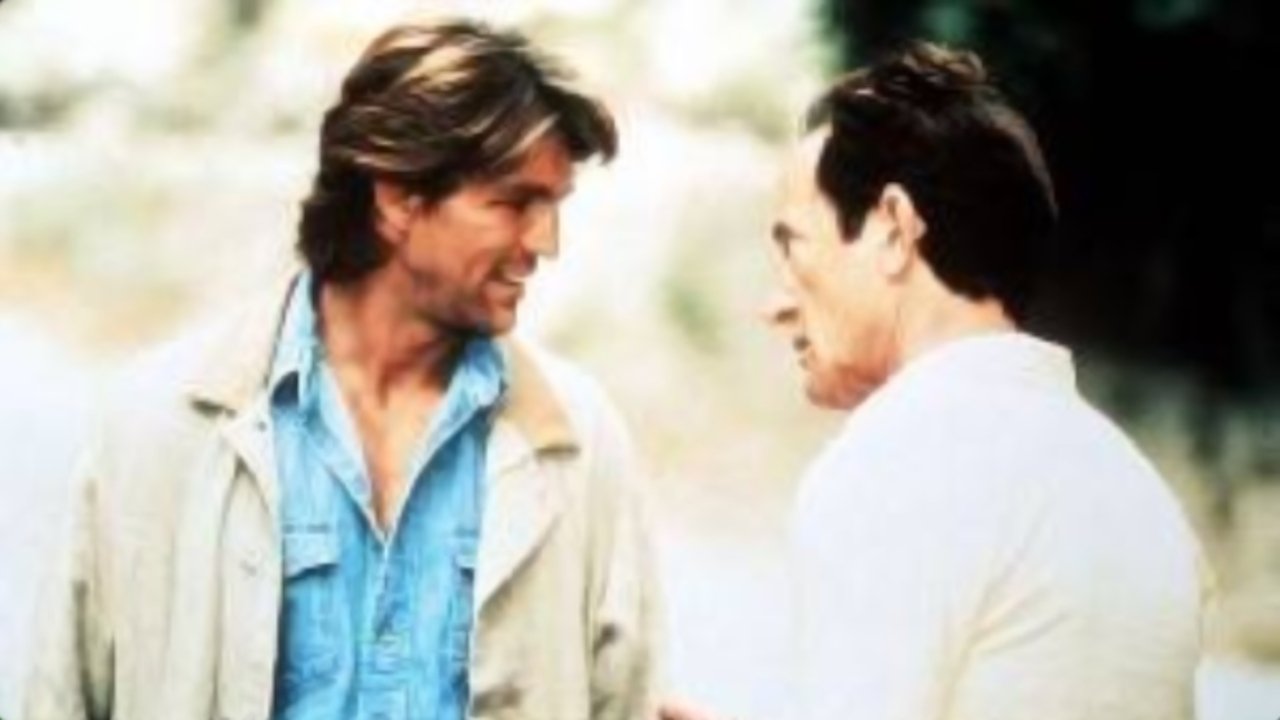
Forget sprawling action set pieces. Director Victor Salva (Powder, Jeepers Creepers), working from a tight script by Larry Brand, understands that true tension often festers in confined spaces and suspicious glances. Much of the film unfolds in greasy spoon diners, rundown motels, and the suffocating intimacy of a car shared by two men who fundamentally distrust each other. Adrian (Eric Roberts) is slick, maybe a little too talkative, with a nervous energy that borders on mania. Jack (Lance Henriksen) is his opposite: stoic, world-weary, radiating a quiet menace that suggests banked fires within. Who has the stolen casino money? Who is the mysterious Hatchet Man the news keeps mentioning? The film masterfully throws suspicion back and forth, forcing the audience to constantly re-evaluate who they fear more. It’s a masterclass in using the desolate, sun-bleached California locations (primarily around Ridgecrest) not just as backdrop, but as an active participant in the characters' isolation and paranoia. You can almost feel the grit under your fingernails.
A Duel of DTV Titans
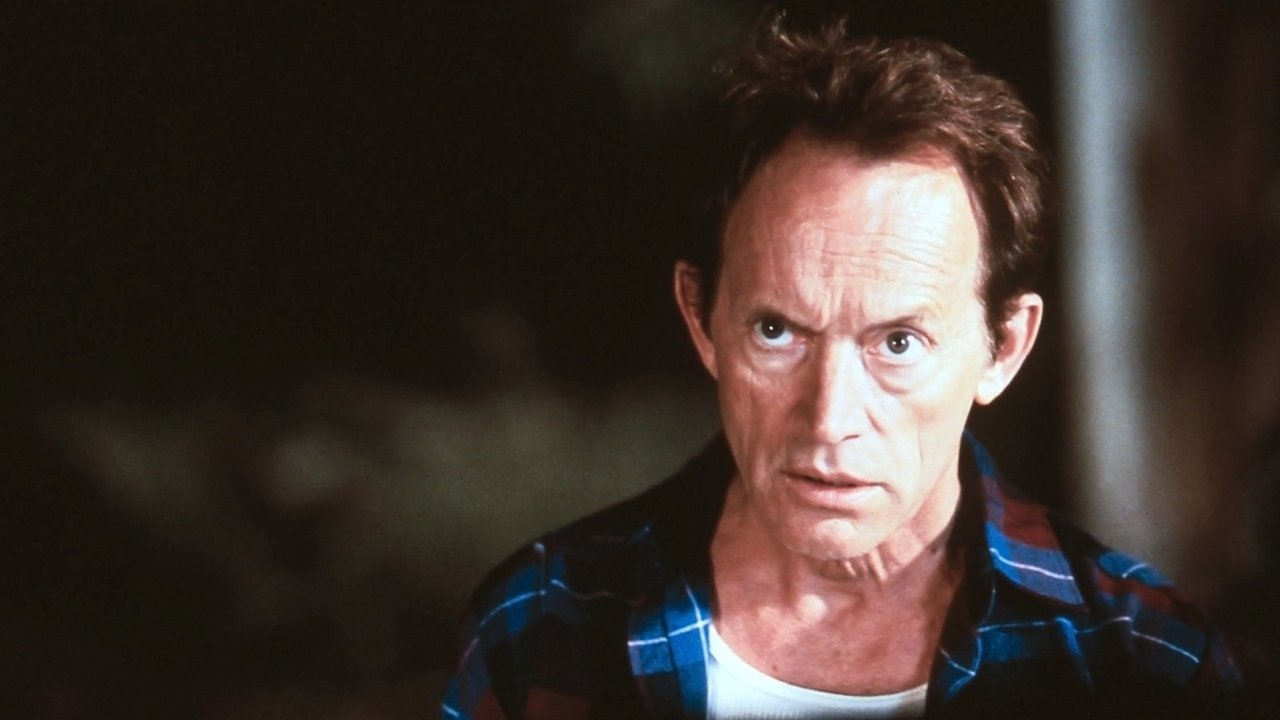
What elevates Nature of the Beast beyond standard direct-to-video fare is the electric pairing of its leads. Eric Roberts, already a prolific force known for his intense screen presence, brings a fascinating volatility to Adrian. Is he a desperate con man, a psychopath, or something else entirely? Roberts keeps you guessing, his charm weaponized. Opposite him, Lance Henriksen, forever etched in our minds from roles like Bishop in Aliens (1986), embodies weary danger. His Jack is a man pushed to the edge, his silences often speaking louder than Adrian's frantic chatter. The palpable friction between them is the engine driving the narrative. It’s a casting coup that pays dividends, turning dialogue-heavy scenes into gripping standoffs. Fun fact: both actors were incredibly busy during this era, churning out multiple films a year, many destined straight for the video store shelves where gems like this could be unearthed. Their professionalism shines through, grounding the increasingly wild narrative. And let's not forget a brief but memorable turn from the legendary character actor Brion James (Blade Runner, The Fifth Element) as a doomed Sheriff, adding another layer of grizzled authenticity before his untimely passing in 1999.
The Slow Burn and the Sharp Turn
This isn't a film that relies on cheap jump scares. Instead, Salva builds dread through atmosphere and character interaction. The score is sparse but effective, underscoring the simmering unease. The pacing is deliberate, allowing the paranoia to build organically. We learn details piecemeal, through loaded conversations and ambiguous actions. Is the Hatchet Man even real, or just a phantom conjured by guilt and circumstance? The film cleverly plays with this ambiguity. It’s a testament to Larry Brand’s script, which apparently kicked around for a while before finding its moment, prioritizing psychological suspense over flashy gore. It feels like a throwback to tougher, leaner thrillers, making the most of its estimated $1.5 million budget by focusing squarely on performance and mood.
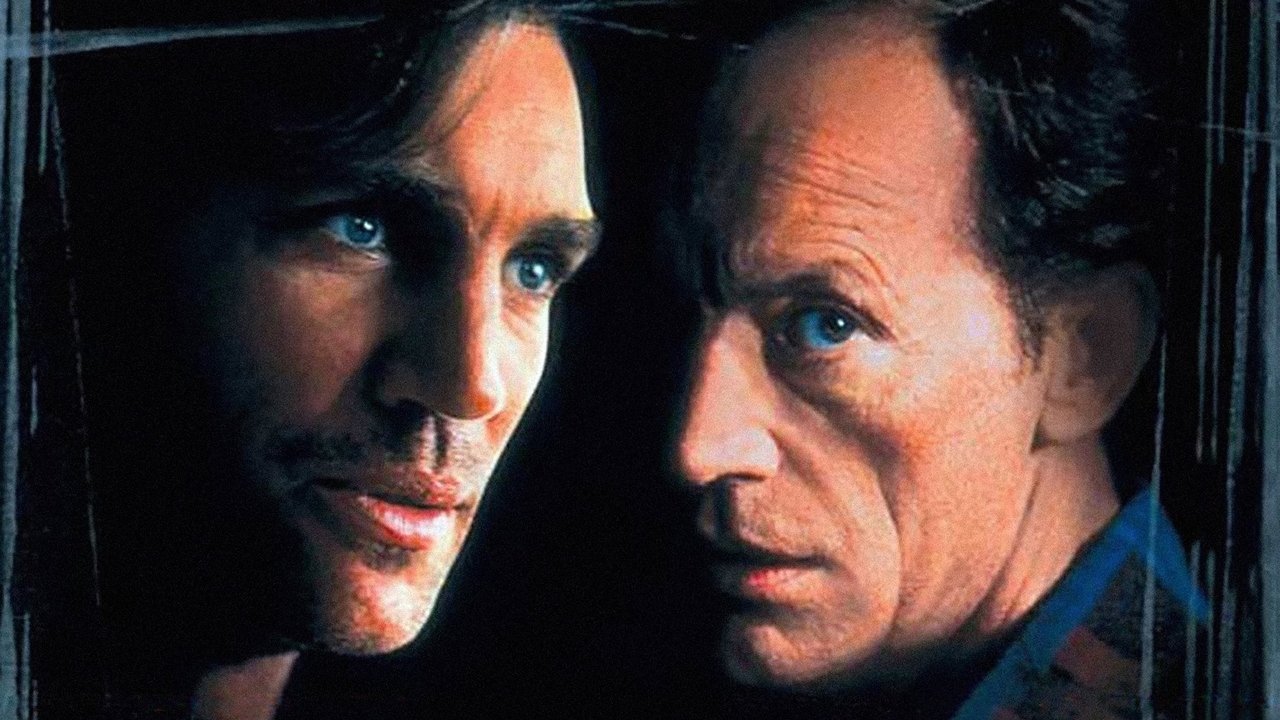
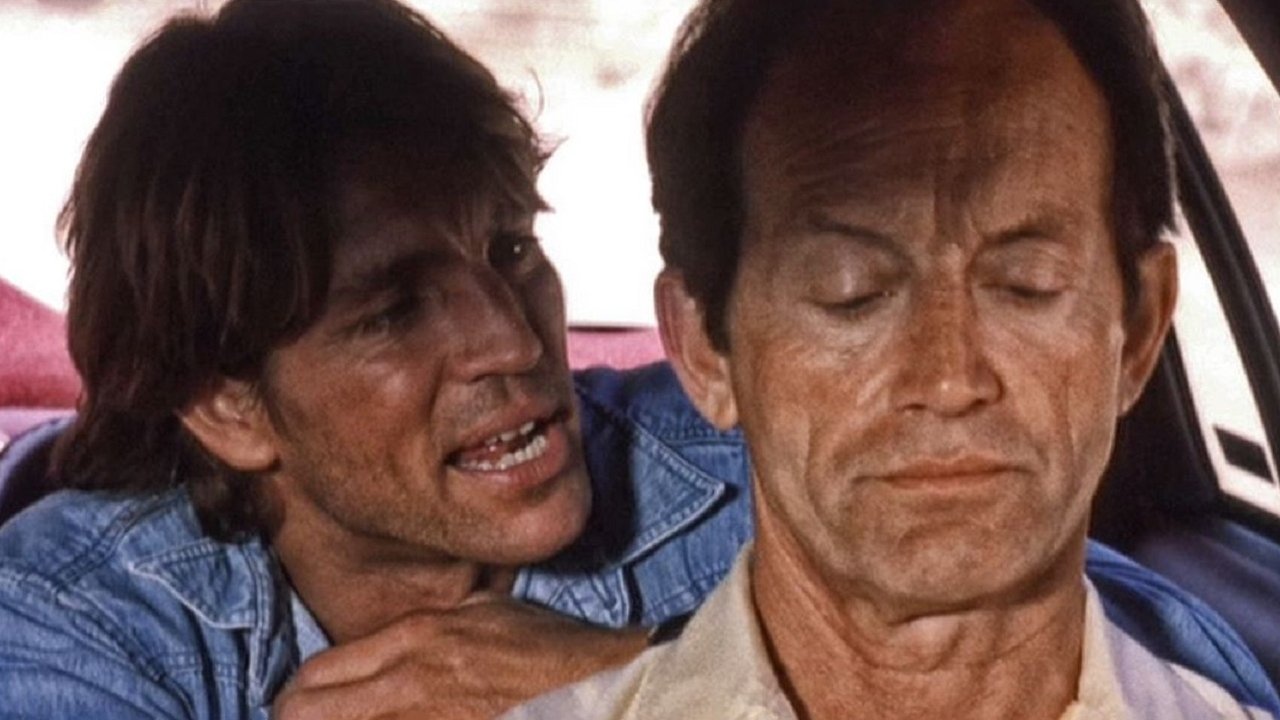
Then there's the ending. (Vague hints ahead, but no direct spoilers) Nature of the Beast possesses a twist that, back in the mid-90s, could genuinely floor you if you didn't see it coming. It forces a complete reinterpretation of everything that came before, casting the interactions between Jack and Adrian in a starkly different, and arguably much darker, light. Does it entirely hold up under scrutiny? Perhaps not perfectly, but its audacity is undeniable. For many who stumbled across this film on late-night cable (it premiered on HBO) or plucked the distinctive VHS box from the rental shelf, that final reveal was likely the moment that burned Nature of the Beast into their memory. Didn't that final reel just leave you reeling back then?
Final Reckoning
Nature of the Beast isn't a flawless masterpiece, but it's a damn effective thriller that punches well above its weight class. It perfectly captured that mid-90s DTV vibe – gritty, character-driven, and willing to take narrative risks. The claustrophobic atmosphere, the desolate setting, and the powerhouse performances from Henriksen and Roberts make it a compelling watch even today. The twist ending, while perhaps divisive for some, remains a bold and memorable narrative gamble. It’s a film that understood how to create genuine unease, a creeping dread that lingered long after the tape stopped rolling.
Rating: 7.5 / 10
Justification: The strong central performances, palpable atmosphere of dread, and effective use of its desert setting earn high marks. The tension between the leads is exceptional. It loses a few points for occasional pacing lulls and a twist that, while impactful, might stretch credulity for some viewers on reflection. However, for fans of taut, character-driven 90s thrillers, it delivers admirably.
Final Thought: In the vast landscape of 90s video store thrillers, Nature of the Beast stands out as a sharp, nasty piece of work anchored by two actors firing on all cylinders, leaving a lingering chill of sun-baked paranoia.