There's a particular ache that comes with watching innocence crumble, especially when viewed through the soft lens of memory. It’s a feeling captured with heartbreaking clarity in José Luis Cuerda’s 1999 film, Butterfly (originally La lengua de las mariposas), a film that arrived just as the curtains were closing on the millennium and, for many of us, the golden age of physical media rentals. It might not have the neon glow of an 80s blockbuster or the grunge cool of a 90s indie darling, but its power resonates with the quiet intensity of a half-forgotten treasure rediscovered on a dusty shelf – a poignant reminder of how personal stories illuminate the darkest corners of history.
The Whispers Before the Storm
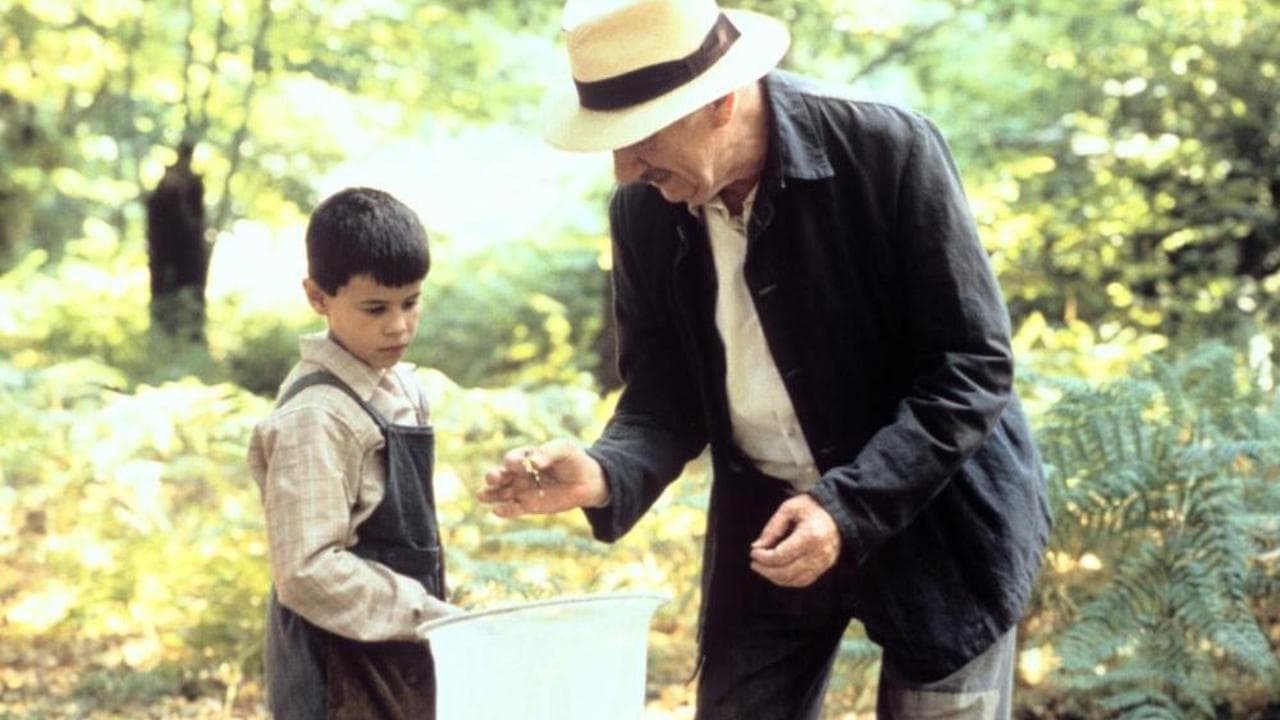
Set in a small Galician town in the spring and summer of 1936, Butterfly unfolds just months before the outbreak of the Spanish Civil War. We see this world through the eyes of Moncho (Manuel Lozano), a young boy initially terrified of starting school. His fear stems from the common threat that teachers hit children, a fear quickly dispelled by the gentle wisdom of his elderly teacher, Don Gregorio (Fernando Fernán Gómez). Don Gregorio is a man of the Republic – rational, atheist, deeply passionate about nature, knowledge, and fostering curiosity in his students. He teaches Moncho about the intricate beauty of the natural world, symbolized by the delicate spiraling tongue of a butterfly, and ignites in him a love for learning. Their bond forms the gentle, beating heart of the film, a relationship built on respect and shared discovery against a backdrop of burgeoning political tension that the adults whisper about, tensions Moncho barely understands.
A Masterclass in Quiet Dignity
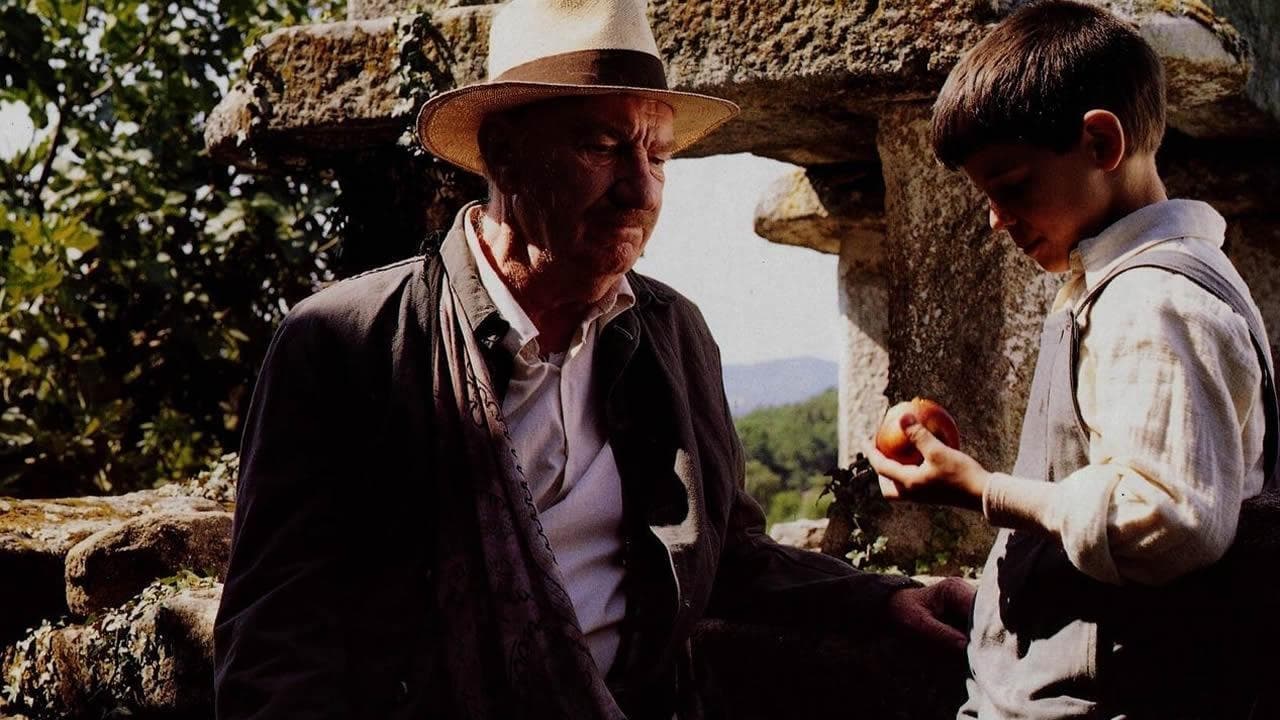
The soul of Butterfly undoubtedly resides in the towering performance of Fernando Fernán Gómez as Don Gregorio. A true legend of Spanish cinema, Fernán Gómez embodies the aging teacher with such profound warmth, intelligence, and weary idealism that it feels less like acting and more like witnessing a life fully lived. His interactions with the young Manuel Lozano, whose portrayal of Moncho is remarkably natural and affecting, are filled with genuine tenderness. Watch the scene where Don Gregorio explains the butterfly's tongue – it’s a masterclass in conveying passion and patience. Lozano, in his debut role, captures that wide-eyed wonder of childhood discovery, making the film’s eventual trajectory all the more devastating. The supporting cast, including Moncho’s pragmatic father Ramón (Gonzalo Uriarte) and devout mother Rosa (Uxía Blanco), paint a believable portrait of a family navigating uncertain times, their personal beliefs subtly clashing with the political tides.
Sunlight and Shadows
Director José Luis Cuerda, working from a script co-written with the legendary Rafael Azcona (known for his collaborations with greats like Luis García Berlanga and Carlos Saura) and based on short stories by Manuel Rivas, masterfully contrasts the idyllic, sun-drenched beauty of the Galician countryside with the growing darkness of political extremism. The cinematography often lingers on the lush landscapes, mirroring Moncho’s fascination with nature, creating a sense of peace that feels increasingly fragile. Cuerda avoids overt political speechifying for much of the film, instead allowing the tension to build through overheard conversations, pointed glances, and the subtle shifts in community dynamics. It’s a choice that makes the encroaching dread feel organic and deeply unsettling. The film reportedly faced some initial challenges securing funding, perhaps due to its sensitive historical subject matter, making its eventual success and critical acclaim in Spain (including winning a Goya Award for Best Adapted Screenplay) even more notable.
The Unraveling
(Minor Spoilers Ahead regarding the film's climax)
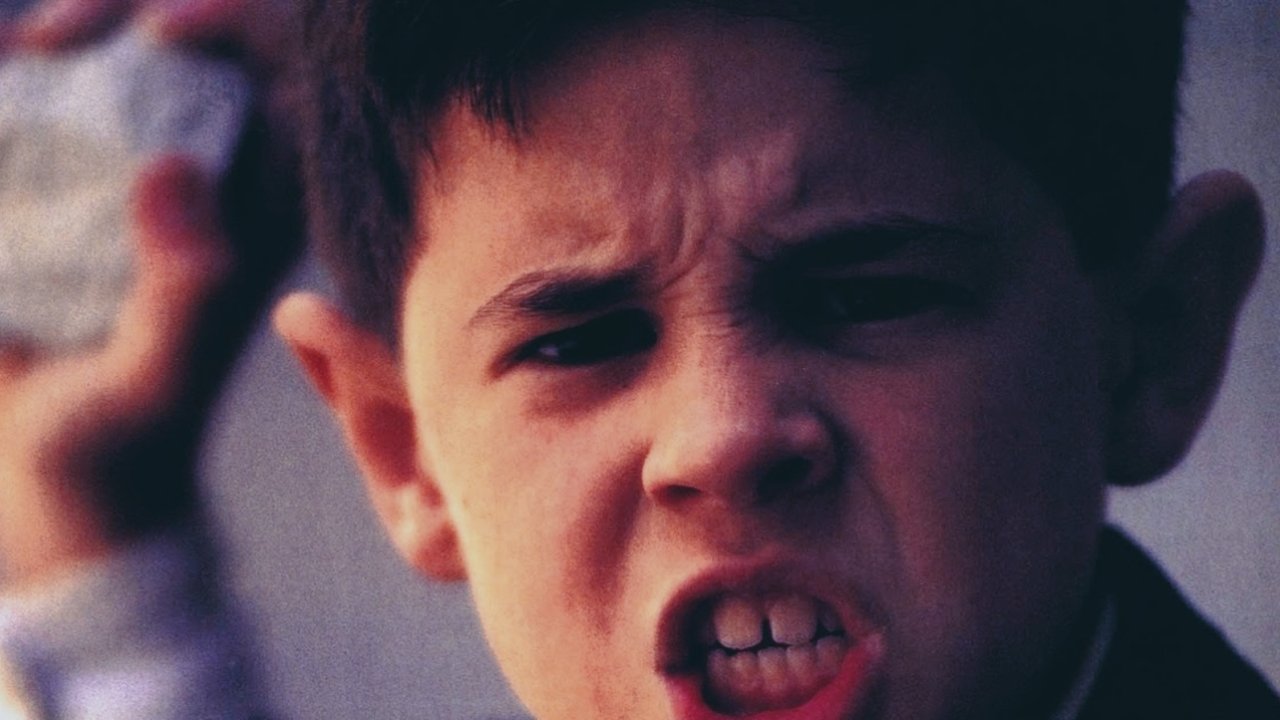
The film’s power culminates in its unforgettable final sequence. As the Nationalist coup fractures the town, allegiances shift violently, and fear compels ordinary people towards acts of betrayal. The scene where the townspeople, including Moncho's family, are forced to denounce the Republicans, particularly Don Gregorio, is agonizing to watch. Cuerda doesn't shy away from the raw ugliness of fear and conformity. Moncho, urged on by his desperate mother trying to protect her family, shouts insults at the man who opened his world. But the final word he screams – supposedly an insult – is actually one of the first words Don Gregorio taught him, a word connected to the natural world they both loved. Does the boy truly turn, or is it a confused, heartbreaking cry born of terror and a desperate, unconscious loyalty? It's a moment of profound ambiguity that stays with you long after the credits roll. What does a child understand of political betrayal when his world is collapsing?
A Lasting Echo
Butterfly isn't a film filled with action or special effects; its impact is quieter, more insidious. It’s a lament for lost innocence, not just Moncho’s, but Spain’s. It explores the fragility of enlightenment in the face of brute force and the terrifying speed at which fear can poison a community. Watching it today, possibly on a format far removed from the VHS tapes of our youth (though perhaps some lucky collectors have a treasured copy!), its themes feel disturbingly relevant. It reminds us how easily ideology can sever human connections and how vital figures like Don Gregorio – teachers who champion curiosity and critical thinking over dogma – truly are. I remember finally catching this on DVD years after its release, having heard whispers of its quality, and feeling that familiar thrill of discovering something truly special, something that felt both timeless and deeply rooted in a specific, tragic history.
Rating: 9/10
This score reflects the film's masterful storytelling, the unforgettable performances (especially Fernán Gómez), its poignant atmosphere, and its devastating emotional impact. It skillfully uses a personal story to explore complex historical themes without resorting to easy answers. It earns its emotional weight through character development and subtle observation, making its conclusion all the more powerful.
Butterfly is a film that settles in your bones, a beautiful yet heartbreaking look at the moment the light began to fade, leaving behind questions about courage, conformity, and the echoes of words whispered just before the world changed forever. What does it truly take to hold onto one’s humanity when the storm breaks?