It starts, often, with a song. A melody drifting from a cheap cassette player, instantly familiar, instantly comforting in a strange new world. For Li Xiao-Jun and Li Qiao, two mainlanders arriving in the neon-drenched, bewildering Hong Kong of 1986, the shared love for the Taiwanese singer Teresa Teng becomes an unexpected tether. But Peter Chan’s 1996 masterpiece, Comrades, Almost a Love Story (also known widely by its evocative Chinese title, Tian Mi Mi), is far more than just a romance underscored by nostalgic pop tunes. It's a profound meditation on time, displacement, identity, and the elusive, often accidental nature of connection in a world constantly in flux.

Strangers in a Strange Land
The film introduces us to the earnest, slightly naive Li Xiao-Jun (Leon Lai), newly arrived from the Mainland with dreams of earning enough money to bring his fiancée over. He soon crosses paths with the street-smart, fiercely pragmatic Li Qiao (Maggie Cheung), who initially sees him as just another potential customer for her various hustles. She teaches him Cantonese, helps him navigate the city, and slowly, inevitably, they bond. Their shared origins, their outsider status, and that mutual fondness for Teresa Teng’s Mandarin love songs create an intimacy that blossoms amidst the relentless pace of Hong Kong life.
What unfolds over the next decade is less a conventional love story and more a chronicle of near-misses, divergent paths, and enduring affection. They drift apart, find other partners, chase different dreams – Qiao seeking financial security, Xiao-Jun striving for stability. Yet, fate, circumstance, and that undeniable pull keep bringing them back into each other's orbits, often at the most inconvenient or poignant moments. Chan captures the vibrant, sometimes overwhelming energy of Hong Kong in the late 80s and early 90s, a city itself grappling with change under the shadow of the impending 1997 Handover. This backdrop isn’t just scenery; it shapes the characters' anxieties, their ambitions, and their constant sense of being adrift.
Performances For the Ages
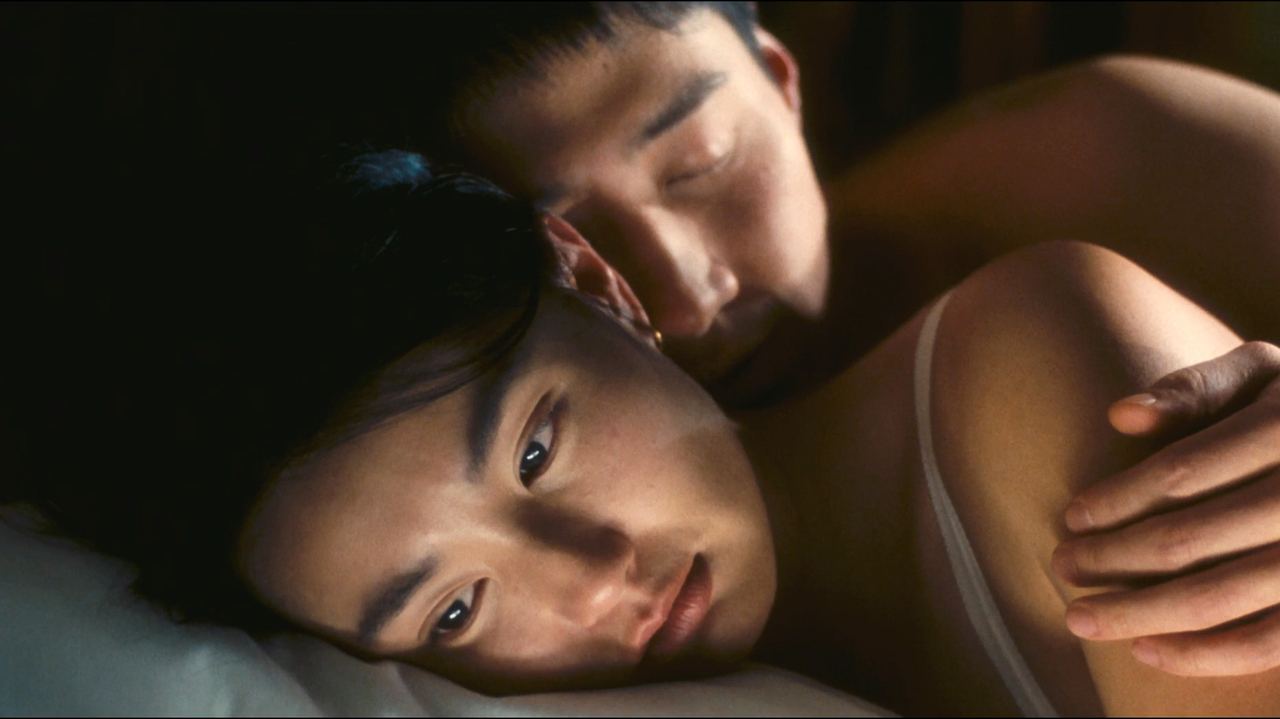
At the heart of Comrades are two extraordinary performances. Leon Lai, then a massive Cantopop idol, sheds his pop star persona to deliver a beautifully understated portrayal of Xiao-Jun. He embodies a fundamental decency, a quiet yearning that makes his decade-long emotional journey utterly convincing. You see the hope, the disappointment, and the enduring flicker of love in his expressive eyes.
But it's Maggie Cheung as Li Qiao who delivers a performance that rightfully cemented her status as one of the finest actors of her generation. It's a role that could easily slip into cliché – the tough cynic with a hidden heart of gold – but Cheung imbues Qiao with breathtaking complexity. We see her sharp intelligence, her fierce ambition born of necessity, her vulnerability carefully masked by bravado, and the gradual softening brought about by love and loss. Reportedly, Cheung initially had reservations about playing Qiao, feeling perhaps too established for the character's early scrappiness, but Peter Chan persisted. Thank goodness he did. Her transformation over the film's timespan is subtle, heartbreaking, and utterly believable. The chemistry between Lai and Cheung is palpable, built not on grand declarations but on shared glances, comfortable silences, and the unspoken understanding of two souls navigating the same turbulent waters.

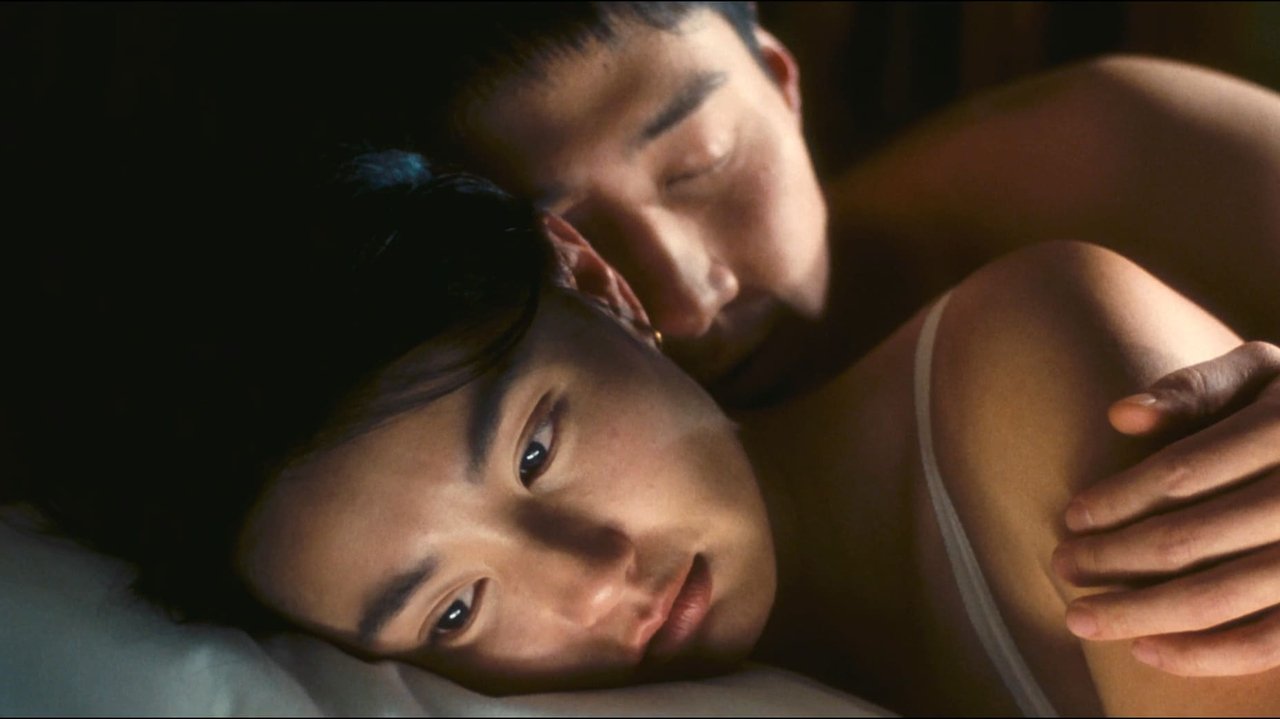
We also cannot overlook Eric Tsang as Pao, Qiao's eventual lover and a charismatic triad boss. Tsang brings warmth, humor, and a surprising tenderness to a potentially stereotypical role, adding another layer of emotional complexity to Qiao’s journey and providing some of the film's most unexpectedly moving moments.
More Than Just Nostalgia
Director Peter Chan and writer Ivy Ho craft a narrative that feels both epic in scope and deeply intimate. The passage of time is handled beautifully, marked by subtle shifts in fashion, technology (beepers giving way to mobile phones!), and the changing Hong Kong skyline. The use of Teresa Teng's music is masterful – her songs aren't just background decoration; they are woven into the very fabric of the characters' lives, signifying home, hope, shared memory, and ultimately, fate itself. The film swept the Hong Kong Film Awards, winning nine prizes including Best Picture, Best Director, Best Screenplay, and Best Actress for Cheung – a testament to its immediate impact.
Watching Comrades today, perhaps on a well-worn VHS tape pulled from the back of the shelf or a streaming service rediscovery, its power hasn't diminished. If anything, its themes of migration, the search for belonging, and the struggle to maintain connection in a rapidly changing world feel even more resonant. I remember first seeing this film, likely on a slightly fuzzy VCD rented from a Chinatown shop, and being struck by how real it felt, how deeply it understood the bittersweet ache of almost-love and the currents of history that carry us along, sometimes together, sometimes apart. It avoids easy sentimentality, opting instead for a more truthful, complex portrayal of love shaped by circumstance and time.
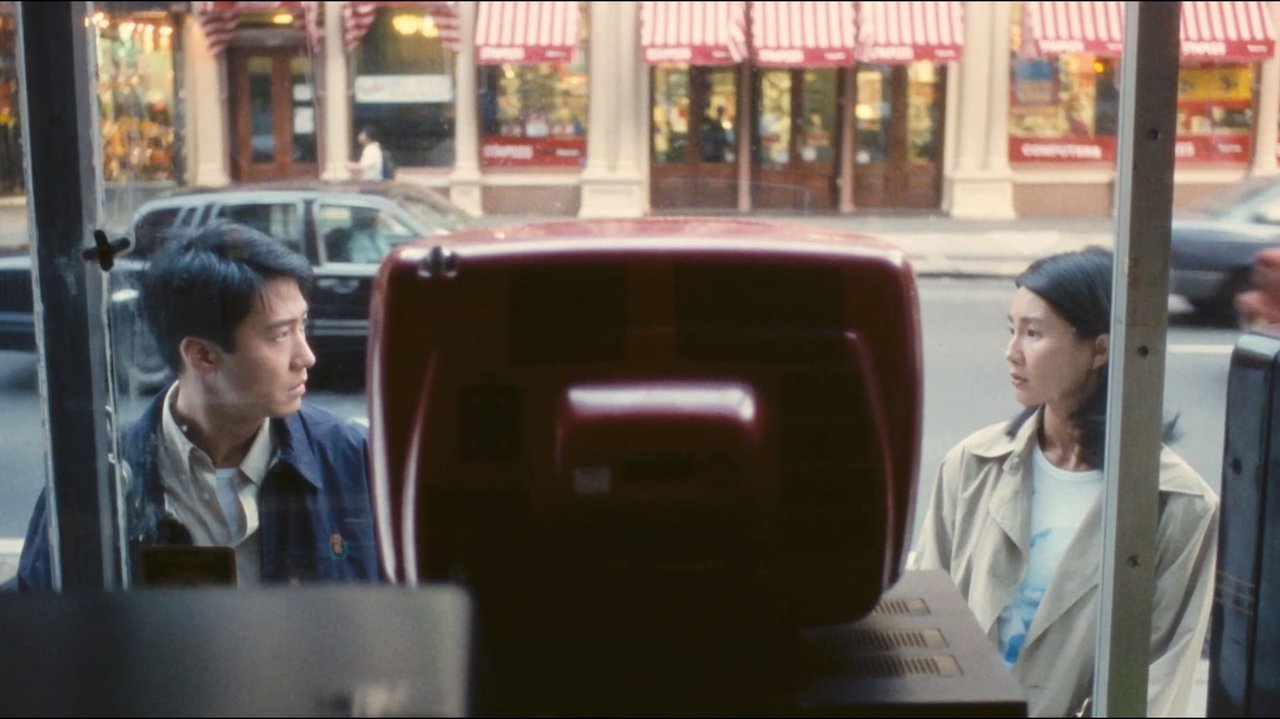
Does the film rely on coincidence? Perhaps. The final act, (Spoiler Alert!) which finds Xiao-Jun and Qiao drawn together once more by the news of Teresa Teng's sudden death in 1995 while continents apart in New York, could be seen as stretching credulity. Yet, within the film's carefully constructed universe, it feels less like contrivance and more like destiny, a final, poignant echo of the force that first brought them together.
VHS Heaven Rating: 9.5/10
This rating reflects the film's near-perfect execution. The performances are phenomenal, particularly Maggie Cheung's career-defining turn. The direction is sensitive and intelligent, the script is beautifully nuanced, and the integration of music and historical context is masterful. It’s a film that captures a specific time and place with authenticity while exploring universal themes of love, loss, and the search for home. The slight reliance on coincidence in the final act is the only minor point holding it back from absolute perfection, but it serves the film's thematic core so well it barely registers as a flaw.
Comrades, Almost a Love Story remains one of the high watermarks of 90s Hong Kong cinema, a deeply moving, unforgettable film that lingers long after the credits roll. It asks us to consider the connections that shape our lives – how many are truly chosen, and how many are simply... almost?