What haunts us more: the memory of love lost, or the nagging suspicion that it might never have been real in the first place? Lou Ye’s Suzhou River (2000) doesn't offer easy answers. Instead, it plunges the viewer into the murky, swirling waters of its titular Shanghai waterway, mirroring the currents of memory, obsession, and identity that pull its characters under. Arriving just as the millennium turned, this wasn't your typical turn-of-the-century blockbuster fare; it felt like a transmission from another world, a fever dream captured on grainy film stock, whispering tales of love and illusion in the shadow of China's rapid modernization. It might sit just outside our usual 80s/90s hunting ground, but its spirit – that of raw, independent filmmaking grappling with profound questions – feels intimately connected to the kind of discoveries we cherished finding tucked away on video store shelves.

Into the Labyrinth
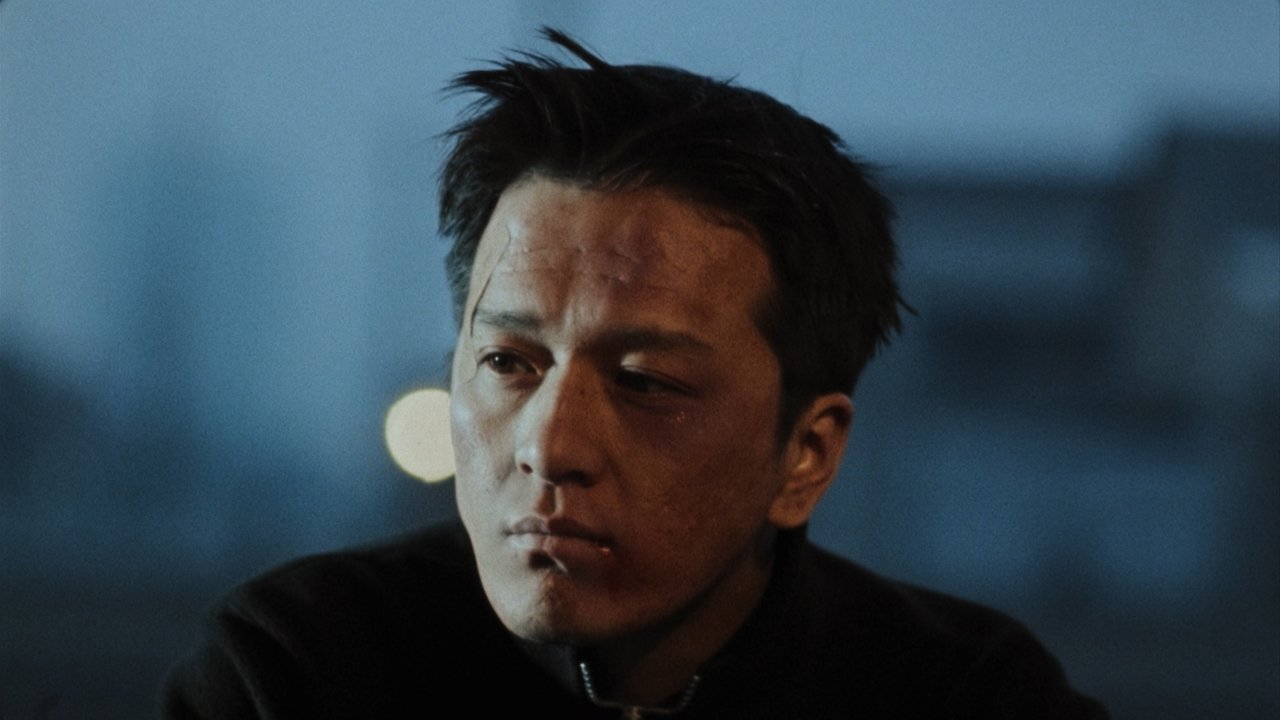
The film unfolds through the eyes (and lens) of an unnamed videographer (played with detached curiosity by Hua Zhongkai), a man who documents the lives teeming along the polluted Suzhou River. He introduces us to Mardar (Jia Hongsheng), a motorcycle courier haunted by a past love, Moudan, who leaped into the river after he betrayed her trust in a misguided kidnapping plot. Years later, released from prison, Mardar encounters Meimei, a nightclub performer who dances in a mermaid costume in a giant fish tank. Meimei is the spitting image of Moudan. Is she Moudan, miraculously survived and reinvented? Or is she merely a reflection, an echo that tortures Mardar with possibilities? The videographer, falling for Meimei himself, becomes entangled in this web of uncertainty, his camera attempting to capture a truth that remains stubbornly elusive.
A Star is Born (Twice?)
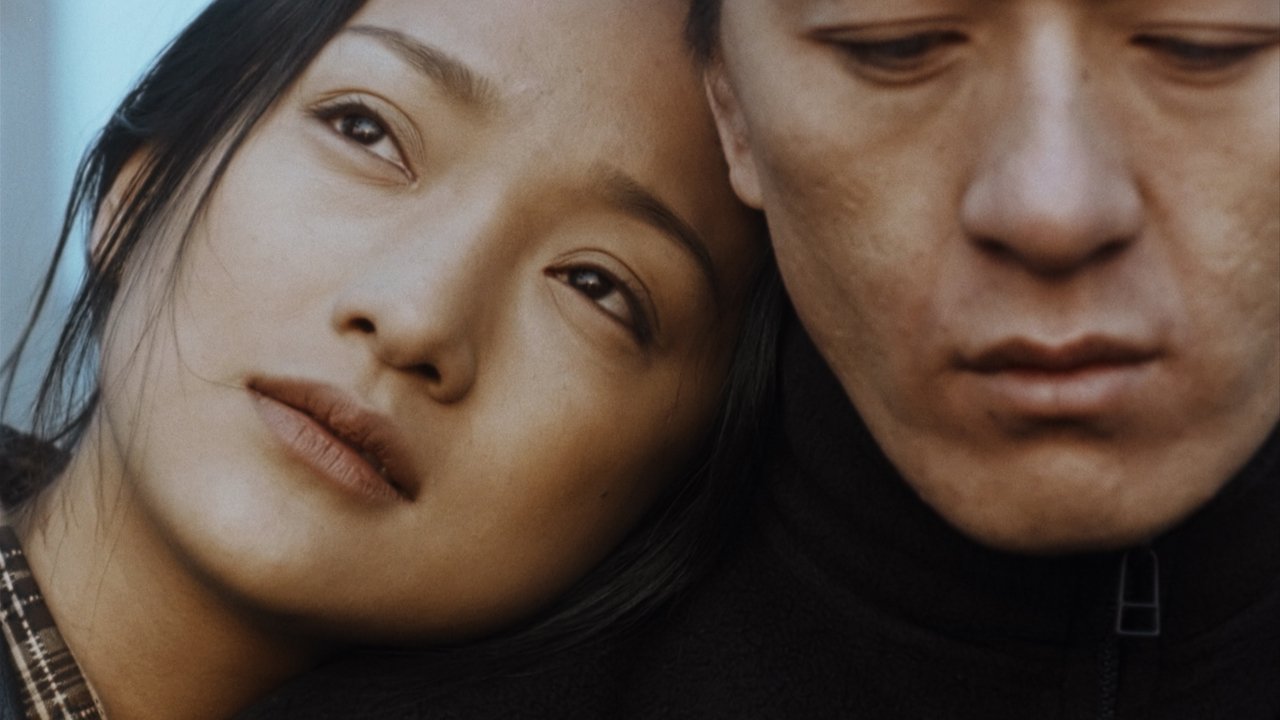
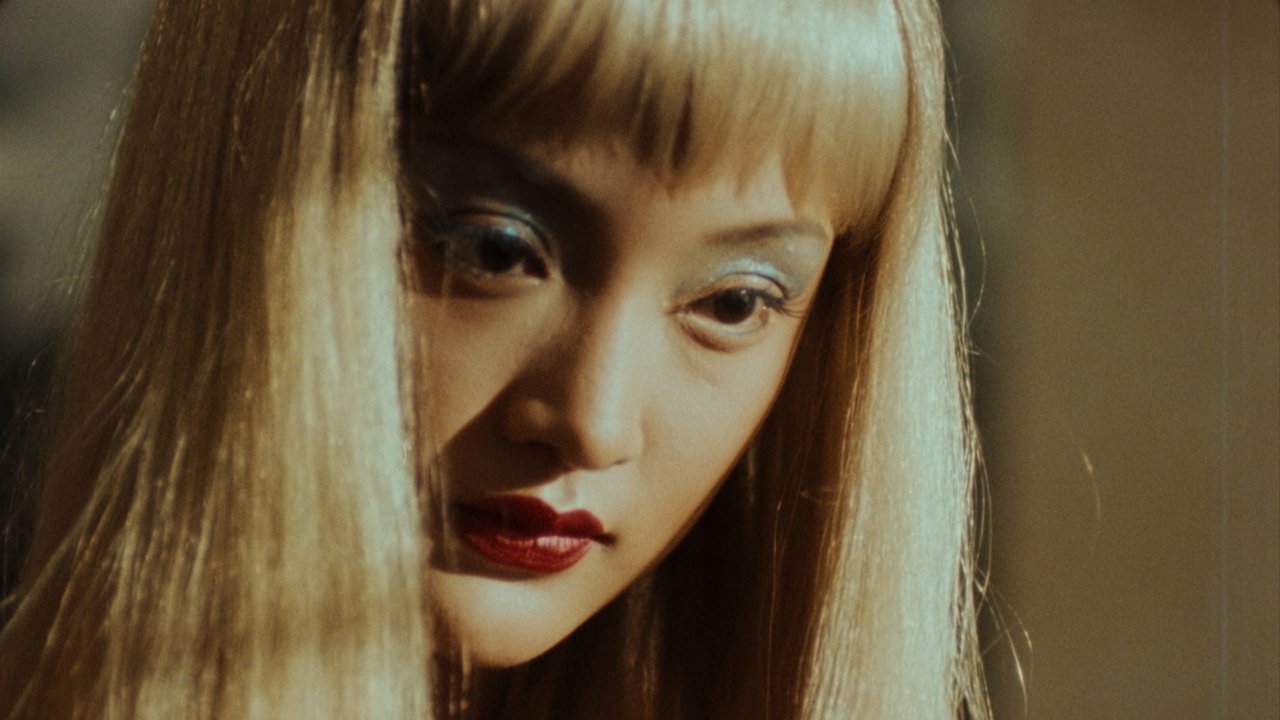
At the heart of Suzhou River's hypnotic pull is the astonishing dual performance by Zhou Xun as Meimei and Moudan. It’s a turn that announced her as a major talent on the international stage. She doesn’t just play two identical-looking women; she embodies two distinct energies. Moudan is youthful innocence betrayed, her vulnerability palpable even in flashback. Meimei is guarded, cynical, a performer adept at constructing and shedding identities. Yet, beneath Meimei's hardened exterior, Zhou hints at a shared fragility, a flicker of the lost girl. Is the resemblance merely physical, or does some deeper current connect them? The ambiguity is the point, and Zhou navigates it with breathtaking subtlety. Her performance isn't just acting; it's a physical manifestation of the film's core themes – the fractured self, the elusive nature of identity in a world constantly in flux. Opposite her, Jia Hongsheng (whose own tragic life story adds another layer of poignancy to the film retrospectively) delivers a performance of raw, desperate intensity as Mardar, a man consumed by guilt and a love that borders on delusion.
Shanghai Noir Dreams
Visually, Lou Ye crafts a Shanghai that feels both hyper-real and dreamlike. Forget polished tourist vistas; this is a city of decaying industrial landscapes, neon-lit dives, and rain-slicked streets, all seen through a restless, often handheld camera operated by cinematographer Wang Yu. The style owes a clear debt to the kinetic energy of Wong Kar-wai, particularly Chungking Express (1994), but Suzhou River filters that energy through a grittier, more melancholic lens. There’s a pervasive sense of unease, a feeling that the city itself is a character, breathing and watching, its secrets hidden just beneath the surface of the polluted water. The narrative structure, with its unreliable narrator and fragmented timeline, even echoes classic noir and the obsessive doubling found in films like Alfred Hitchcock's Vertigo (1958), asking us constantly: whose story are we really seeing?
Art That Bites Back
The film's production story is as dramatic as its plot. Suzhou River was screened internationally, winning the Tiger Award at the Rotterdam Film Festival, without official permission from Chinese authorities. Its unvarnished look at contemporary urban life, its melancholic tone, and its morally ambiguous characters were deemed problematic. The result? Lou Ye received a five-year ban from filmmaking within China. This act of defiance, this insistence on artistic vision over state approval, imbues the film with an added layer of urgency. It's a testament to the power of independent cinema to capture truths, however uncomfortable, that larger systems might prefer to ignore. Knowing this backstory deepens the viewing experience; you feel the risks taken, the commitment to telling this story, this way.
Lingering Questions
What stays with you long after the credits roll on Suzhou River? It's the atmosphere – thick, evocative, and deeply sad. It’s Zhou Xun’s unforgettable face, mirroring hope and despair. And it's the questions, left deliberately unanswered. Does love conquer all, or does it merely trap us in cycles of longing and illusion? Can we ever truly know another person, or even ourselves? In its refusal of easy resolution, the film achieves a profound resonance, mirroring the beautiful, messy, and often inexplicable nature of life itself. It's a film that doesn't just tell a story; it evokes a feeling, a mood that settles in your bones like the damp Shanghai air.
Rating: 9/10
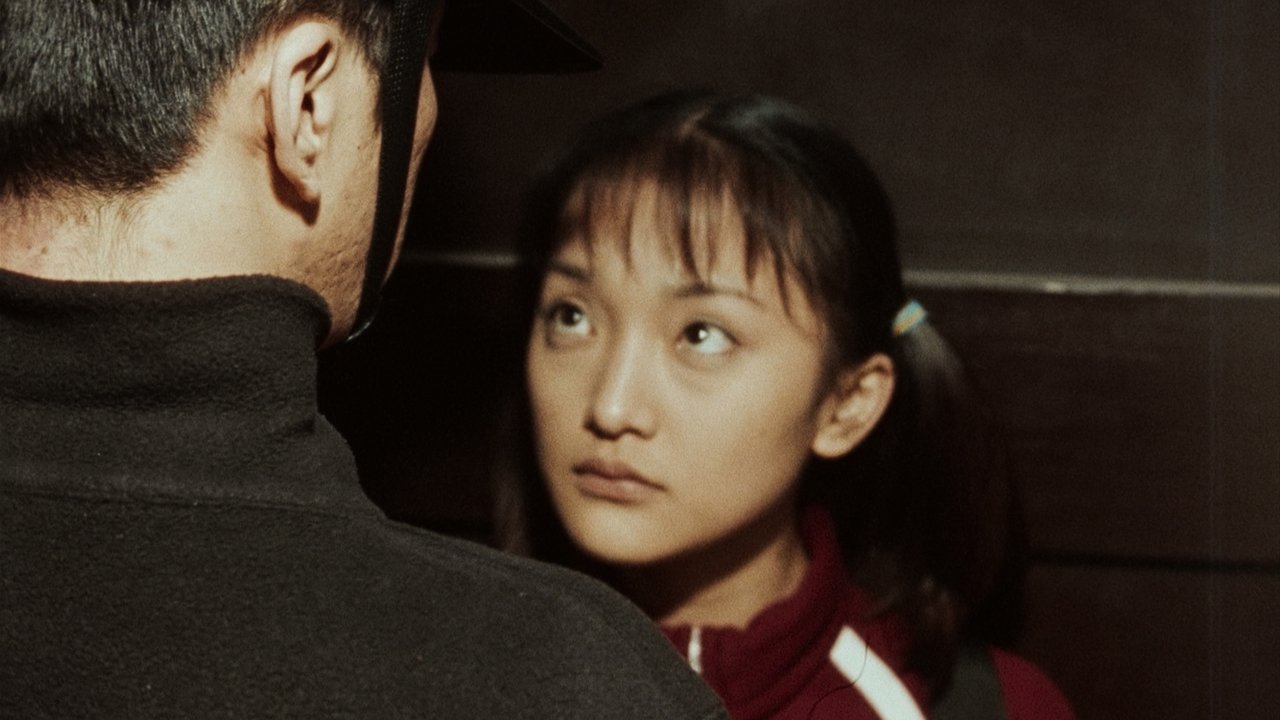
Suzhou River earns this high mark for its stunning central performance, its evocative atmosphere, its daring narrative structure, and its courage as a piece of independent filmmaking. While its deliberate ambiguity might frustrate some, its power lies precisely in its haunting refusal to provide simple answers. It's a film that burrows under your skin, a neo-noir love story adrift on the currents of memory and doubt.
It remains a potent reminder that sometimes the most compelling mysteries aren't about whodunit, but about who we are, who we love, and whether any of it can truly last.