Okay, rewind your minds back to 1996. Blockbuster shelves were groaning under the weight of Hollywood gloss, but tucked away, perhaps in a slightly dodgy import section or circulating on copied tapes with questionable subtitles, was something raw, electric, and utterly captivating from Hong Kong. I’m talking about Young and Dangerous (古惑仔之人在江湖), a film that didn't just depict the triad underworld; for a generation, it felt like it. Forget finding this pristine on streaming first time around – discovering this felt like uncovering forbidden knowledge, a window into a neon-soaked world of brotherhood, betrayal, and brutal street justice.
### More Than Just a Gangster Flick
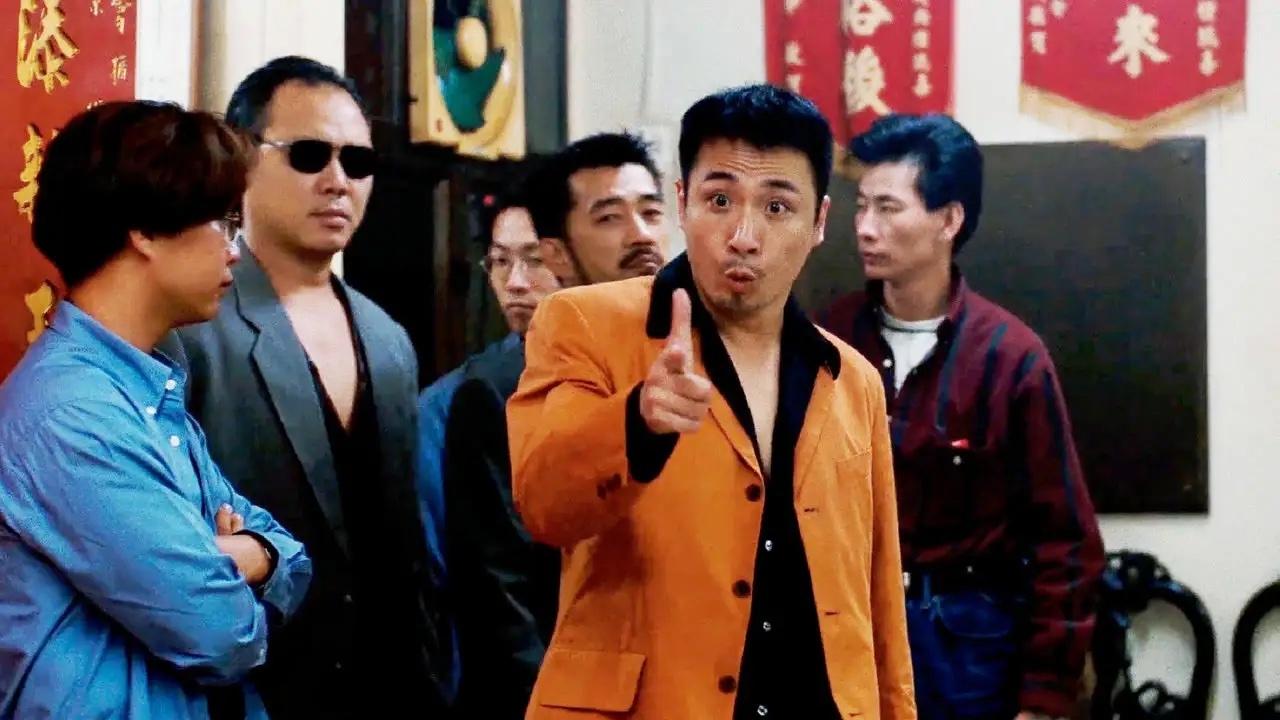
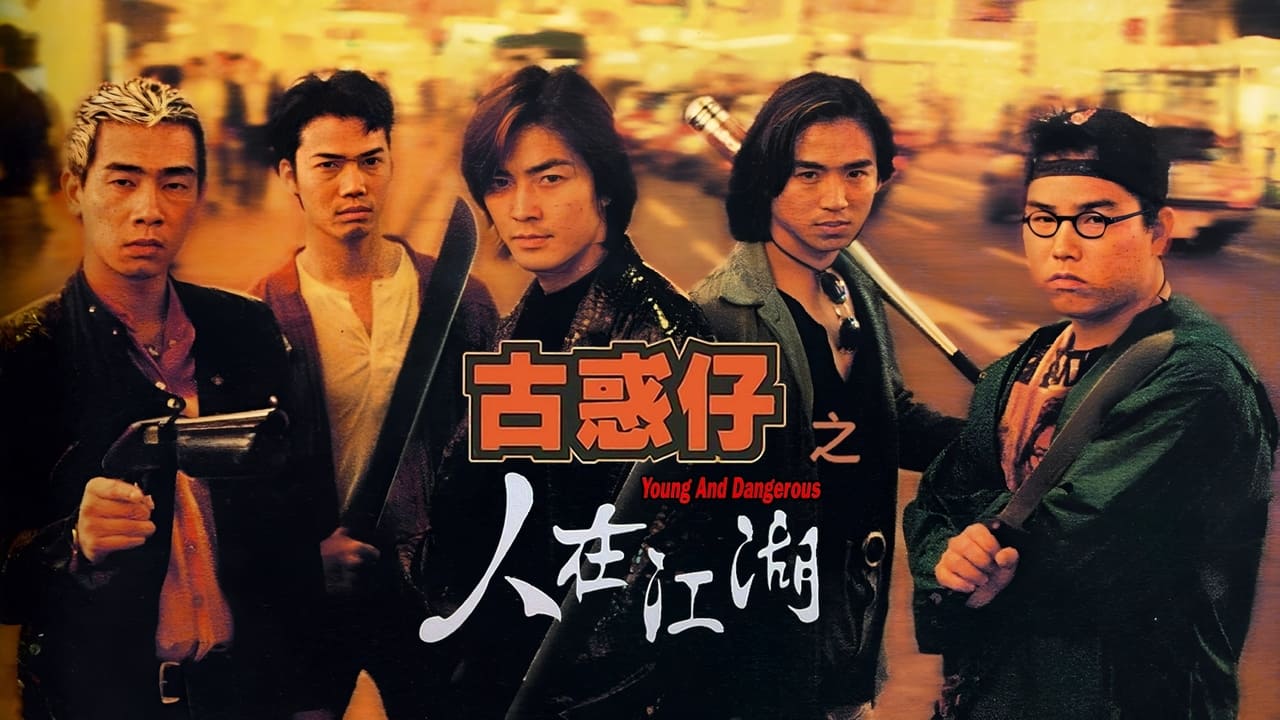
Based on a wildly popular manhua (comic book) by Bull B, Young and Dangerous wasn’t aiming for the operatic tragedy of The Godfather or the stylish nihilism of John Woo. Directed by Andrew Lau (who would later co-direct the global hit Infernal Affairs in 2002) and penned by Manfred Wong, this movie grabbed you by the collar with its sheer, unadulterated energy. It follows Chan Ho Nam (Ekin Cheng, whose floppy hair arguably became as iconic as the film itself) and his close-knit group of friends, including the instantly memorable 'Chicken' Chiu (Jordan Chan, oozing charisma), as they navigate the treacherous hierarchies and violent turf wars of the Hung Hing triad society.
What set it apart was its focus on youth culture within the gangster milieu. These weren't grizzled old veterans; they were young guys driven by loyalty, ambition, and often, sheer desperation. The film captured a specific kind of late-20th-century Hong Kong anxiety and aspiration, filtered through the lens of gangster cool. And let's be honest, Ekin Cheng as the principled, rising Ho Nam? He became an instant heartthrob and cultural phenomenon across Asia practically overnight.
### Street-Level Grit and Real Stakes
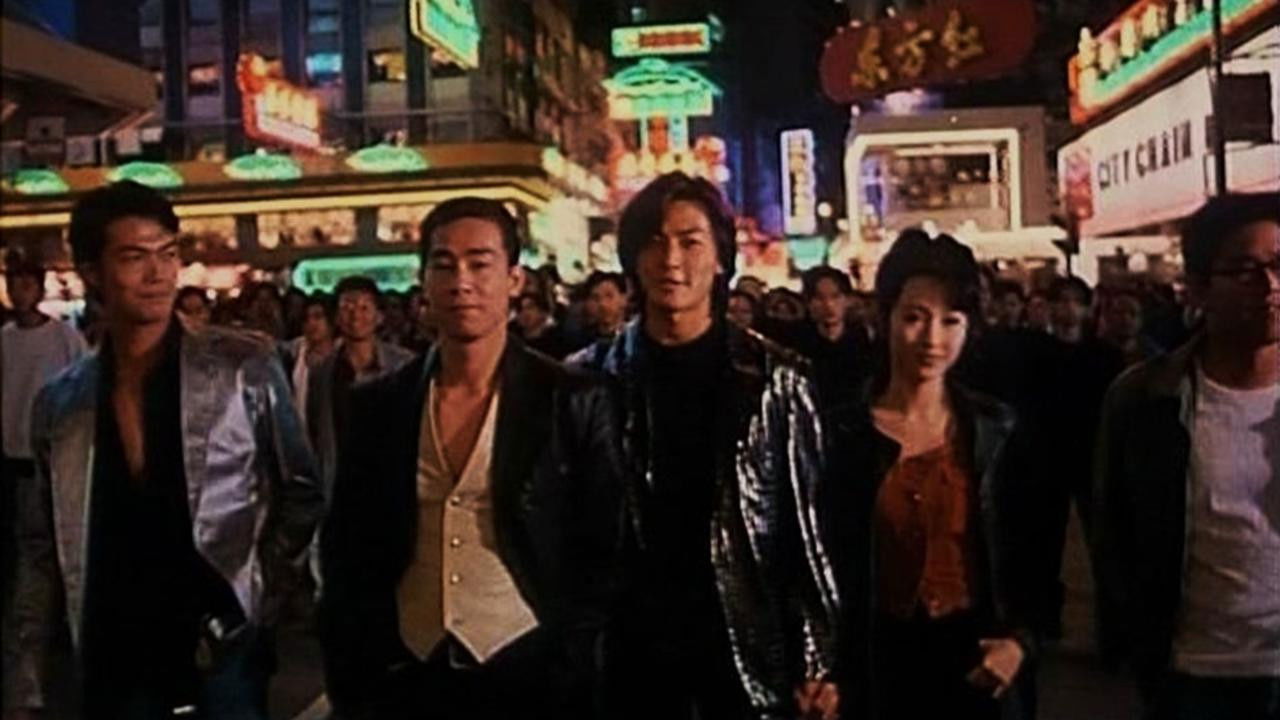
The action in Young and Dangerous feels worlds away from the meticulously choreographed ballets of violence we often see today. This was gritty, messy, and felt dangerously real. Forget wire-fu and slow-motion dives; think chaotic brawls in crowded streets, sudden knife attacks that felt genuinely startling, and chases through cramped alleyways lit by flickering neon signs. Andrew Lau's kinetic, often handheld camerawork throws you right into the middle of the mayhem.
Remember how visceral those fights felt? There’s a rawness to the practical effects – the thuds, the impacts, the sheer scrappiness of it all – that CGI often smooths over. They weren’t blowing up buildings; the stakes felt personal, immediate. A key element was the film's rapid-fire production – reportedly shot incredibly quickly on a relatively low budget. This wasn't a hindrance; it arguably contributed to the film's urgent, almost documentary-like feel in its action sequences. You felt the actors were right there, in the thick of it, often filming guerilla-style on the actual streets of areas like Causeway Bay, adding a layer of authenticity you just can't fake on a soundstage. The lack of polish became part of its punk-rock appeal.

### Characters You Cared About (Maybe Too Much?)
Beyond the brawls, the film succeeded because it made you invest in the core group. Ho Nam's journey from naive recruit to hardened leader, Chicken's swagger and loyalty (and his own complex arc), and the tragic story of Ho Nam's girlfriend Smartie (Gigi Lai, delivering a poignant performance) gave the film an emotional anchor. Even the villains, like the treacherous 'Ugly Kwan' (Francis Ng, chewing scenery magnificently), were memorable.
This investment sparked controversy, of course. Critics at the time, and many since, accused the film (and its numerous sequels) of glorifying triad life, making it look appealing to impressionable youth. It's a valid point – the film undeniably portrays a certain allure to the gangster lifestyle, focusing on brotherhood and respect, sometimes glossing over the grimier realities. It tapped into something potent in Hong Kong youth culture, influencing fashion and attitudes, much to the consternation of parents and authorities. This controversy only added to its legendary status, making it feel even more like forbidden fruit.
### The Start of Something Huge
You can't talk about Young and Dangerous without acknowledging the absolute avalanche of sequels, prequels, and spin-offs it spawned. Seriously, the series became a cornerstone of late 90s Hong Kong cinema, churning out entries at an incredible pace. While quality varied wildly (and that's putting it mildly), the first film remains the lightning in a bottle moment. It perfectly captured a zeitgeist, blending accessible characters, raw action, and a specific Hong Kong flavour that resonated deeply.
The film wasn't a critical darling initially, often dismissed for its perceived glorification of violence and its rough-around-the-edges production. But audiences? They devoured it. It was a massive box office success in Hong Kong and across Asia, cementing its place as a true cult classic. Finding that original VHS felt like holding a piece of raw cinematic energy.
Rating: 8/10
Justification: While undeniably dated in some aspects (fashion, some dialogue) and carrying controversial baggage about its portrayal of triad life, Young and Dangerous earns its high score through sheer cultural impact, infectious energy, and genuinely compelling characters. Its raw, practical action feels refreshingly visceral, and its snapshot of 90s Hong Kong youth culture remains fascinating. It's rough, it's problematic, but it's undeniably alive in a way few films manage.
Final Thought: Like finding a worn-out band t-shirt in the back of your closet, Young and Dangerous might look a bit frayed, but it instantly transports you back to a time when Hong Kong action felt dangerous, immediate, and impossibly cool – a feeling perfectly preserved on those grainy VHS tapes.