Some films don't just entertain; they grip you, shake you, and leave you contemplating the unsettling corners of human nature long after the static hiss fills the screen as the tape ends. HBO’s Indictment: The McMartin Trial (1995) is precisely that kind of film. Watching it again, decades after its original broadcast, doesn't diminish its power. If anything, the passage of time only sharpens the edges of the cautionary tale it tells, forcing us to confront the terrifying ease with which fear can eclipse reason. It plunges us straight back into the heart of one of the most bewildering and disturbing legal battles of the 1980s.
Into the Crucible
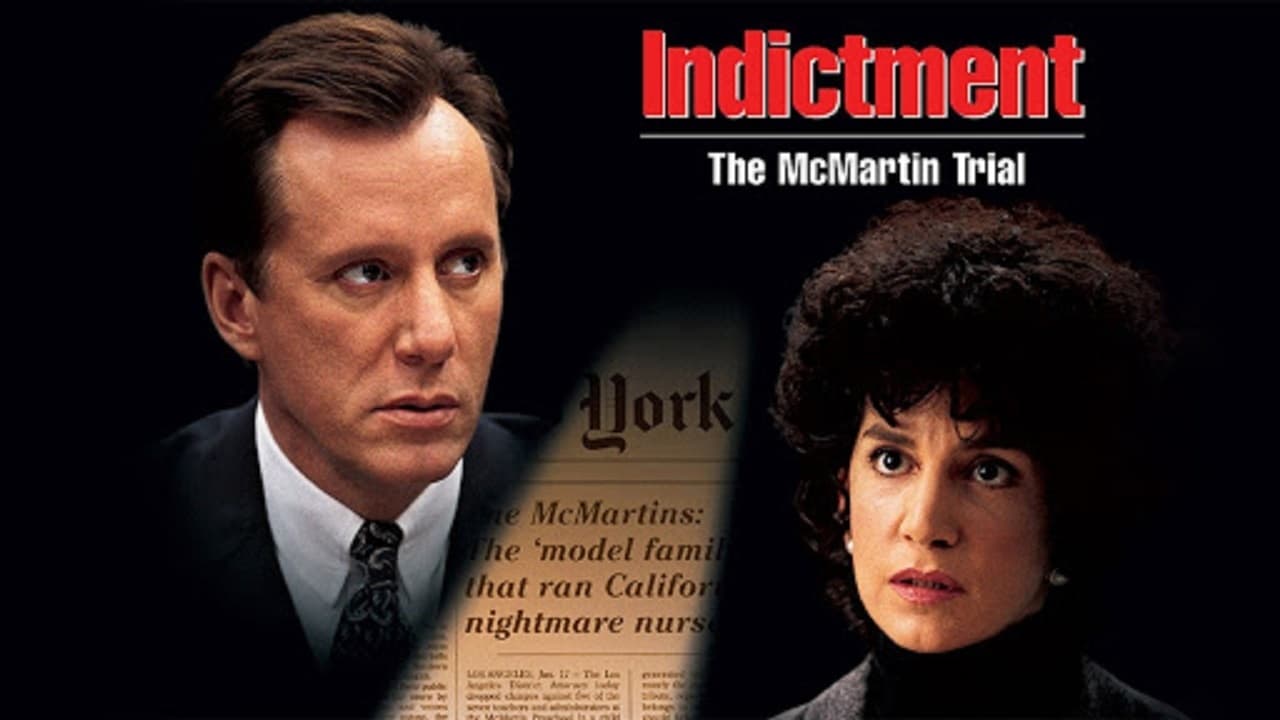
Based on the harrowing true events surrounding the McMartin preschool in Manhattan Beach, California, the film doesn't flinch from the hysteria that erupted following accusations of child sexual abuse, spiraling into bizarre claims of satanic rituals. Wisely, writers Abby Mann (who penned the definitive courtroom drama Judgment at Nuremberg) and Myra Mann anchor the narrative primarily through the eyes of the defense team. This choice provides a crucial perspective, allowing us to witness the slow, agonizing process of dismantling a case built less on concrete evidence and more on leading questions, suggestive therapy techniques, and a media landscape ravenous for sensation. It immediately sets Indictment apart from more sensationalist treatments, grounding the story in the desperate search for truth amidst overwhelming panic. Its premiere on HBO, a network already establishing itself as a purveyor of high-quality, boundary-pushing television, signaled this wasn't going to be your average network movie-of-the-week.
Anchors in the Storm: The Performances
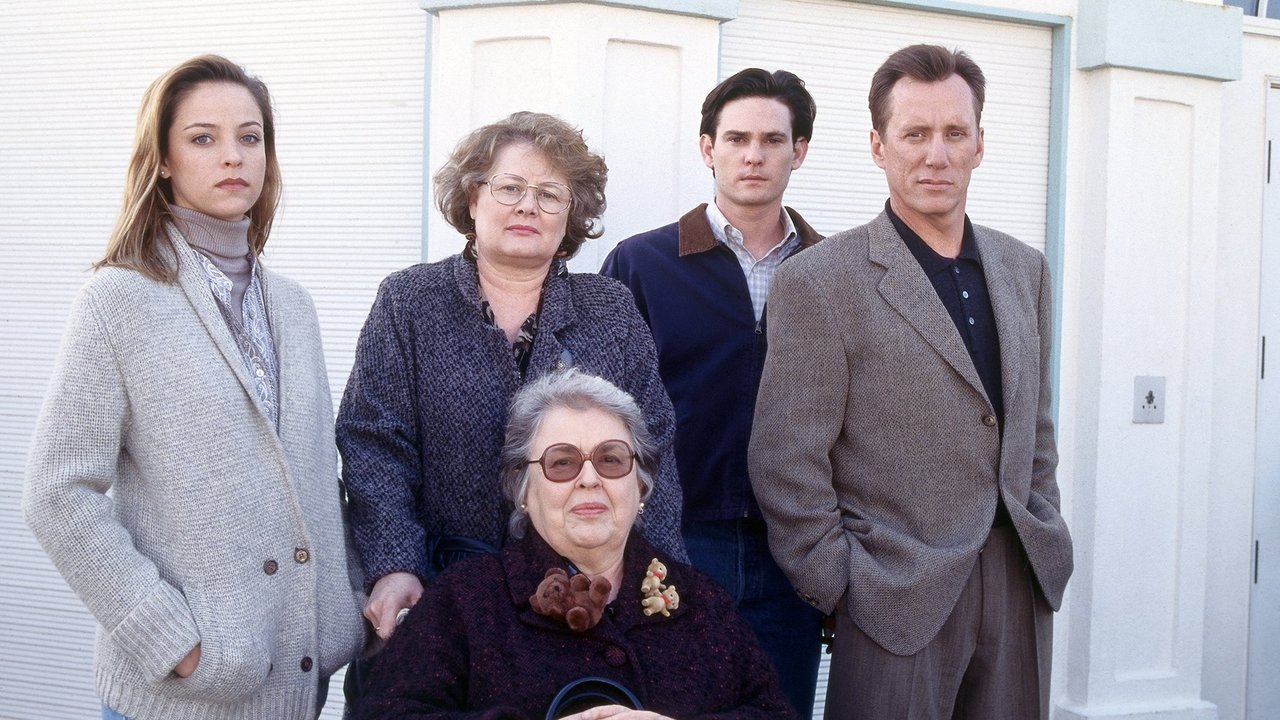
At the heart of the defense, and the film, is James Woods as Danny Davis. Woods, an actor practically synonymous with coiled intensity, channels that energy brilliantly here. His Davis is sharp, cynical, initially reluctant, but increasingly driven by the sheer injustice he witnesses. Woods reportedly spent considerable time with the real Danny Davis, absorbing the nuances of a man thrust into an impossible situation, and it shows. There’s a weariness beneath the legal maneuvering, a palpable sense of the toll this case takes. It’s not just about winning; it’s about salvaging lives from the wreckage of accusation.
Playing opposite him, Mercedes Ruehl delivers an Emmy-winning performance as defense investigator Lael Rubin. Ruehl embodies the tenacity and empathetic frustration required to sift through the emotional chaos. Her interactions with the accused families, particularly the matriarch Virginia McMartin (a stoic Sada Thompson), carry genuine weight. And seeing Henry Thomas – forever etched in our minds as Elliott from E.T. the Extra-Terrestrial (1982) – as Ray Buckey, one of the primary accused, is jarring in the most effective way. Thomas portrays Buckey not as a monster, but as a bewildered, broken man caught in a nightmare, effectively leveraging his inherent screen vulnerability. The ensemble cast, including Shirley Knight and Lolita Davidovich, provides unwavering support, painting a comprehensive picture of the human cost.
Capturing the Zeitgeist
Director Mick Jackson, who would later handle very different kinds of spectacle with Volcano (1997), proves adept at managing the film's simmering tension. He avoids overt sensationalism, letting the facts of the case and the strength of the performances carry the drama. The screenplay, drawing heavily from court records and interviews, skillfully condenses years of legal battles and societal panic into a compelling narrative. This dedication to authenticity clearly resonated, earning the film Emmys not just for Ruehl, but also for Outstanding Made for Television Movie and for the Manns' incisive writing.
Retro Fun Facts: The Scale of the Ordeal
It's hard to overstate the real-life McMartin trial's impact. Lasting from 1987 to 1990, it became the longest and, at over $15 million (around $35 million in today's money), the most expensive criminal trial in American history up to that point. Capturing that sheer scale, the relentless grind of the legal process fueled by public outrage, was a major challenge the filmmakers admirably met. The film doesn't shy away from portraying the controversial therapeutic methods used with the child witnesses, a key element that fueled the "Satanic panic" gripping parts of America during the 80s. Watching it now serves as a stark reminder of that era's specific anxieties, where lurid talk shows and sensationalist reporting often fanned the flames of moral panic.
A Trial by Fire, A Lingering Chill
What makes Indictment: The McMartin Trial endure is its unflinching look at the mechanisms of mass hysteria and the devastating consequences of unchecked accusations. It questions how easily narratives can be manipulated, how vulnerable institutions – the legal system, the media, even therapy – can be to societal fear. It’s a film that forces uncomfortable questions: How do we protect the vulnerable without sacrificing the presumption of innocence? What safeguards exist when accusation itself becomes perceived proof? These aren’t just questions about the 1980s; they echo disturbingly in our own digitally accelerated age of instant judgment.
The film isn't an easy watch. It deals with deeply disturbing subject matter, and the sense of injustice is often palpable. Yet, it’s handled with intelligence and a commitment to exploring the complexities rather than offering simple answers. I remember seeing this on its original HBO run, feeling the gravity of it even then, a stark contrast to the usual lighter fare one might rent on a Friday night.
Rating: 9/10
This score reflects the film's exceptional craftsmanship, powerhouse performances (especially from Woods and Ruehl), and its courageous handling of a profoundly difficult true story. The writing is sharp, the direction assured, and its exploration of justice, hysteria, and the search for truth remains incredibly relevant. It's a standout example of the high-quality, issue-driven television movies that emerged in the 90s, demonstrating the format's potential for impactful storytelling.
Indictment serves as a potent, chilling reminder of how quickly fear can erode fairness, leaving us to ponder the fragility of truth in the face of fervent belief. It’s a vital piece of 90s filmmaking that deserves to be remembered and revisited.