## The Quiet Hum of Resilience
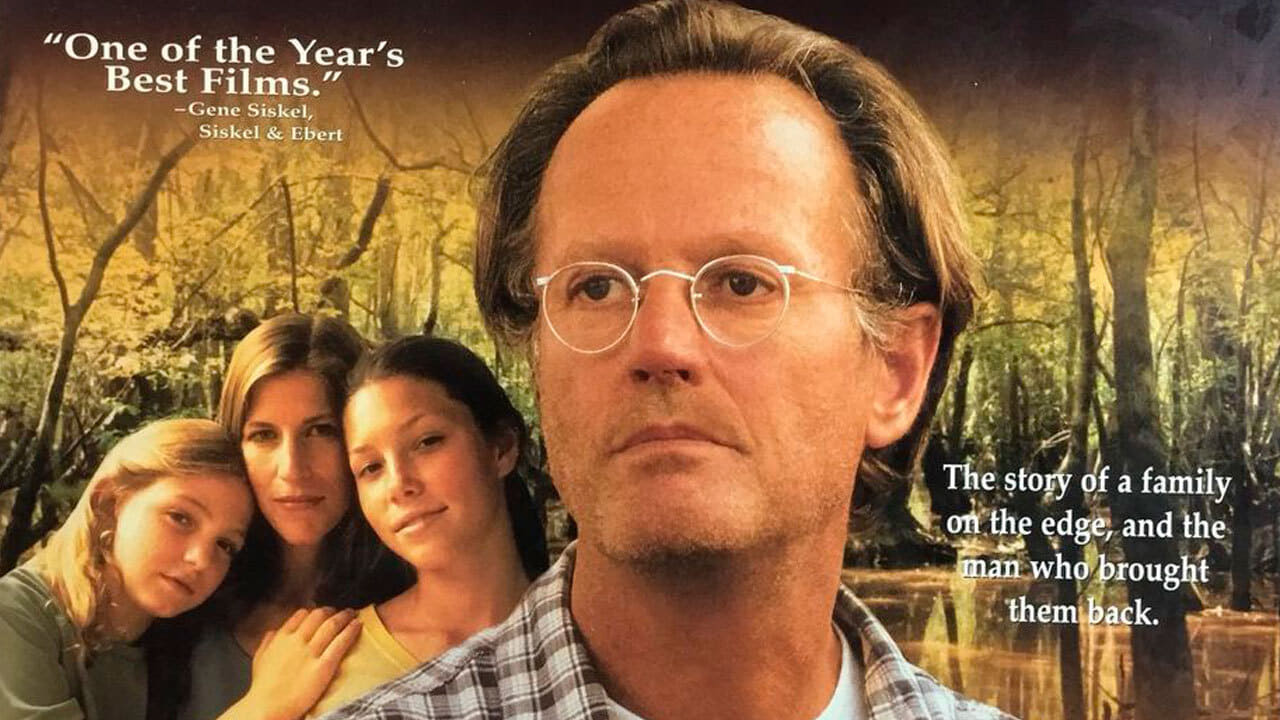
Scanning the video store shelves back in '97, seeing Peter Fonda’s name on a new release might have instantly conjured images of roaring engines and counter-culture freedom, echoes of Captain America from Easy Rider (1969). But the unassuming cover art for Ulee’s Gold, perhaps showing Fonda's weathered face against a backdrop of Florida greenery, hinted at something entirely different. And what Victor Nuñez delivered with this quiet, independent drama wasn't rebellion, but profound, hard-won resilience. It was a film that felt like finding a hidden gem tucked away on the 'New Releases' wall, promising not spectacle, but substance.
A Beekeeper's Burden
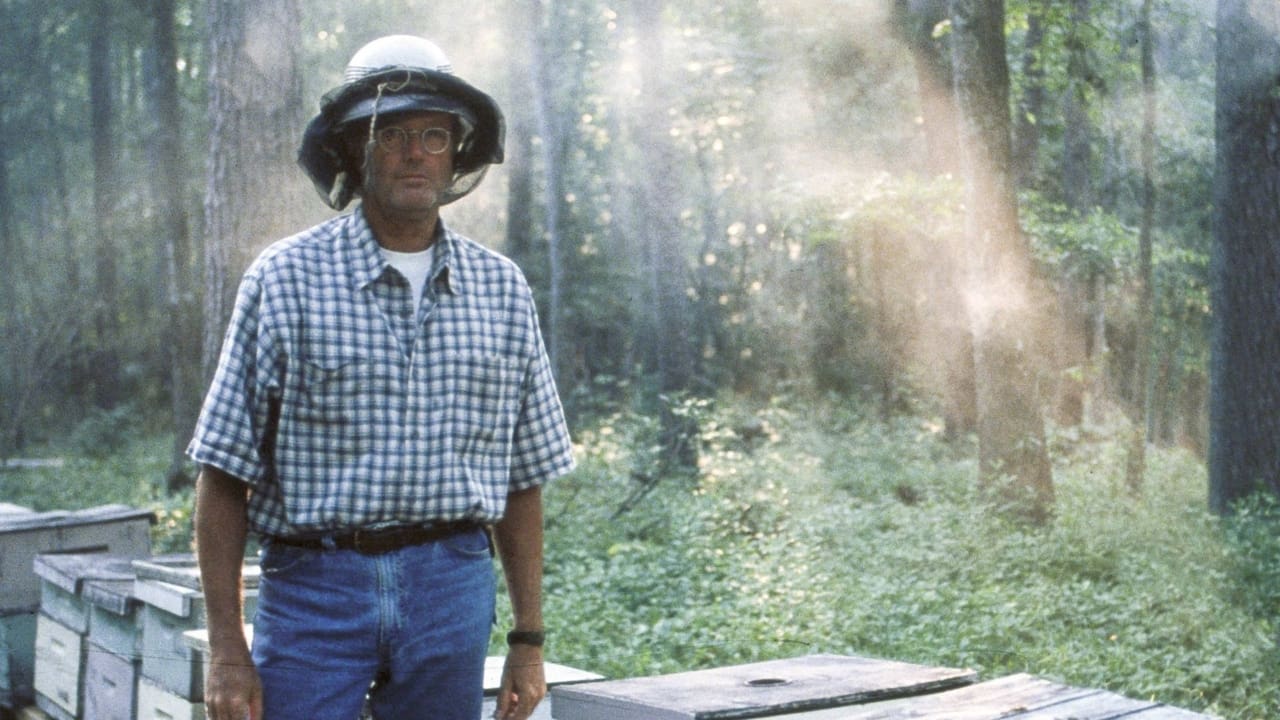
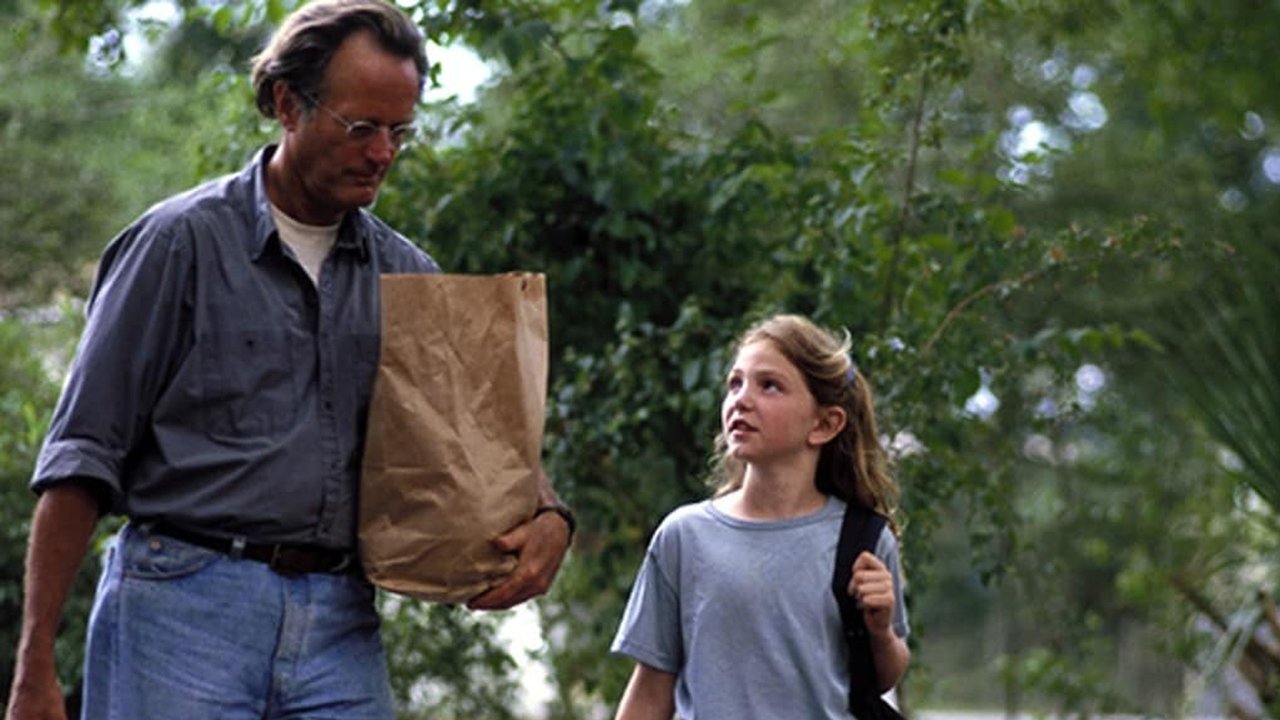
The story itself is deceptively simple. Ulysses "Ulee" Jackson (Peter Fonda) is a Vietnam vet widower living a solitary life as a beekeeper in the marshy lowlands of the Florida Panhandle. His days are measured by the rhythms of his hives, tending to the delicate ecosystem that produces the prized Tupelo honey. But his carefully constructed isolation is shattered when he gets a call about his incarcerated son, Jimmy. Jimmy’s estranged wife, Helen (played with harrowing fragility by Christine Dunford), is drug-addled and in trouble, and their two daughters, Casey (Jessica Biel in an early, promising role) and Penny (Vanessa Zima), have been living under Ulee's stoic, somewhat detached care. Jimmy pleads with Ulee to rescue Helen from two dangerous former associates demanding stolen money, pulling Ulee reluctantly back into the violent mess his son created.
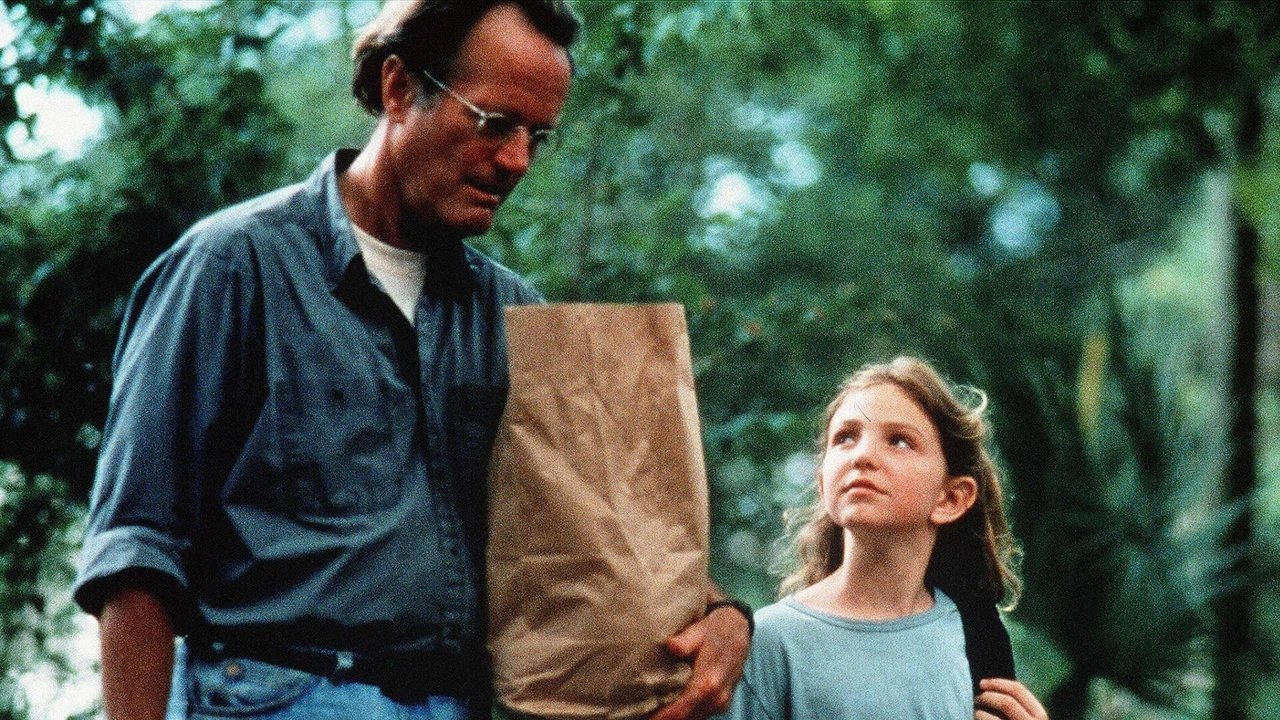
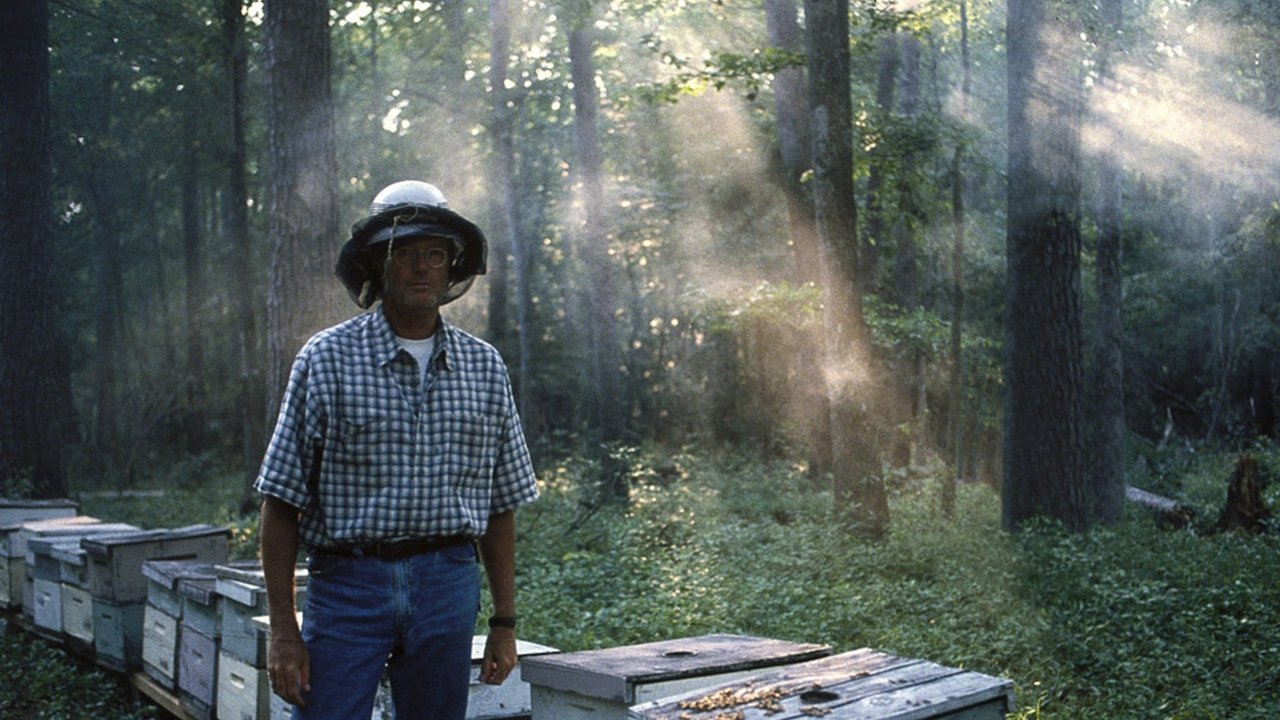
What unfolds isn't a thriller in the conventional sense, though moments of tension certainly simmer. Instead, Ulee's Gold is a meticulous character study, anchored by Fonda's astonishingly restrained performance. This isn't the charismatic icon; this is a man burdened by loss, disappointment, and a deep-seated sense of duty he can't shake. His face is a landscape of contained emotion, his movements economical, his words sparse but carrying immense weight. You feel the history etched into his posture, the quiet ache of a man trying to hold his fractured family together while tending to the fragile lives in his apiary. It’s a performance built on nuance, earning Fonda a much-deserved Best Actor Oscar nomination and reminding audiences of his incredible range. He famously spent time working with a real North Florida beekeeper, absorbing the specific physicality and patience required for the job, and it shows in every deliberate gesture on screen.
Sunshine State Noir, Nuñez Style
Director Victor Nuñez, a filmmaker deeply connected to the Florida landscape (having previously directed Ruby in Paradise (1993)), uses the setting to maximum effect. The film was shot entirely on location in North Florida, around Wewahitchka, the heart of Tupelo honey country. This isn't the neon-soaked Florida of Miami Vice; it's a humid, sun-drenched place of swamps, pine forests, and quiet rural roads. Nuñez captures the languid pace of life, the natural beauty tinged with an underlying sense of decay or potential danger. The cinematography often lingers, allowing the atmosphere to seep in, mirroring Ulee's own deliberate nature.
Made on a modest budget of around $2.7 million, the film has an unvarnished authenticity. There are no flashy edits or dramatic swells in the score (composed by Charles Engstrom) dictating how you should feel. Nuñez trusts his actors and the inherent drama of the situation. He lets scenes breathe, particularly those between Ulee and his granddaughters, revealing the awkward tenderness beneath Ulee's gruff exterior. The arrival of Patricia Richardson (then best known as the ever-capable Jill Taylor on TV's Home Improvement) as Connie Hope, a divorced nurse who offers Ulee practical help and quiet understanding, provides a crucial counterpoint. Their interactions are tentative, gentle, hinting at the possibility of connection in Ulee's guarded world.
More Than Just Honey
Ulee's Gold delves into themes that resonate deeply: the inescapable weight of family ties, the difficulty of breaking cycles of damage, and the quiet heroism found in everyday responsibility. Ulee isn't trying to save the world; he's just trying to protect his granddaughters and salvage what little he can from the wreckage of his son's life. Is redemption possible for Helen, or even for Ulee himself, who carries his own wartime ghosts? The film doesn't offer easy answers. The Tupelo honey itself, famously difficult to harvest and prized for its unique sweetness that doesn't crystallize, feels symbolic – representing something pure and valuable that requires immense care and patience to cultivate amidst difficult circumstances.
It’s a film whose power lies in its stillness. It asks us to observe, to understand the unspoken histories between characters. What does Ulee’s unwavering commitment, even when faced with his son’s feckless criminality, say about the nature of parental obligation? Doesn't his struggle to connect with his granddaughters, particularly the rebellious Casey, reflect challenges familiar to many families navigating generational divides and past traumas?
Finding Ulee's Gold on VHS felt like discovering a secret handshake among film lovers who appreciated character over caricature, quiet intensity over noisy spectacle. It wasn't the typical late-90s fare, and perhaps its modest $9 million box office reflects that it required a bit more patience from the audience. But for those who gave it the time, the rewards were substantial.
Rating: 8/10
Ulee’s Gold earns its high marks primarily through Peter Fonda's career-best performance – a masterclass in understated power that anchors the entire film. Victor Nuñez’s direction provides a rich sense of place and a patient, naturalistic style that allows the complex emotions to surface organically. While its deliberate pacing might test some viewers accustomed to faster narratives, the film’s thematic depth, authentic atmosphere, and the raw honesty of its portrayal of family struggle make it a standout drama from the era. It's a film that respects its audience, trusting them to find the meaning in the quiet moments.
It lingers, much like the taste of rare honey, long after the credits roll – a poignant reminder that strength often resides not in grand gestures, but in the quiet persistence of tending to what matters most.