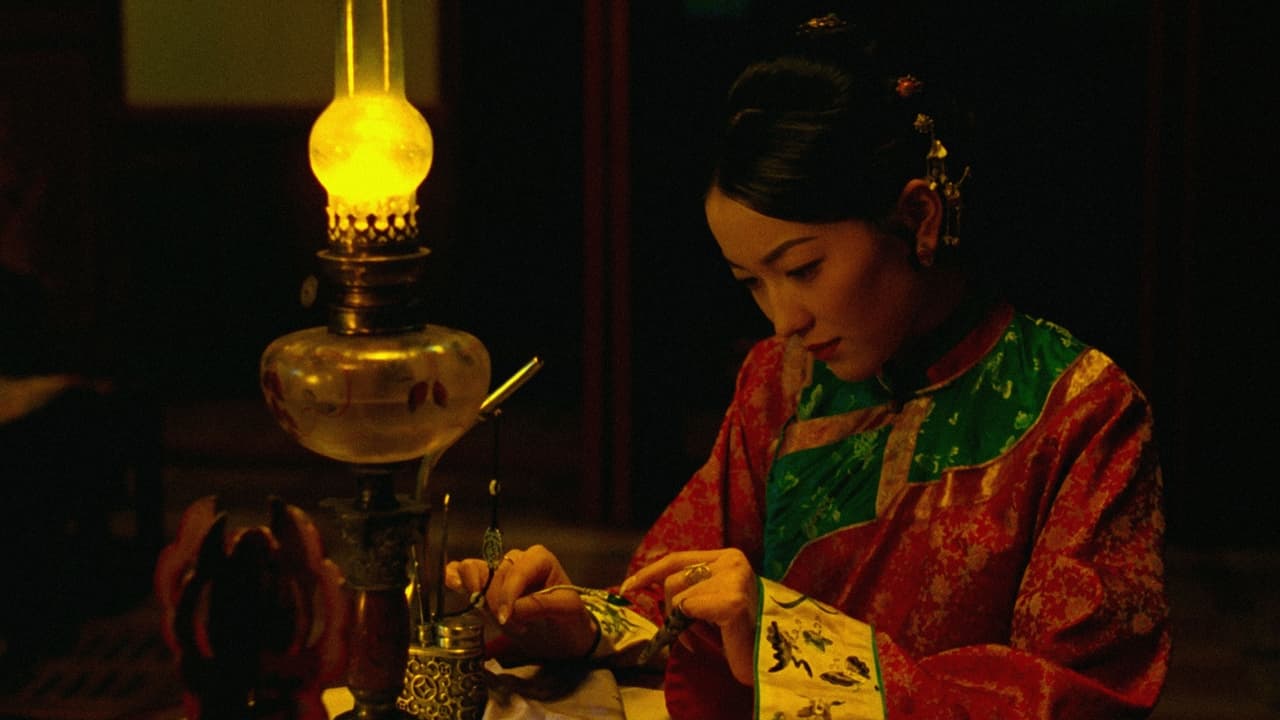
Stepping into the world of Hou Hsiao-hsien's Flowers of Shanghai (1998) feels less like watching a film and more like being submerged in amber. There's a distinct sense of time slowing, of being enveloped in the warm, hazy glow of oil lamps that illuminate the opulent, yet suffocating, interiors of Shanghai's exclusive late 19th-century "flower houses." It's a film that doesn't rush to meet you; instead, it patiently waits for you to adjust your eyes and rhythms to its unique, intoxicating pulse. Finding this gem back in the late 90s, perhaps tucked away in the 'World Cinema' section of the video store, felt like discovering a portal to another era, demanding a different kind of attention than the blockbusters surrounding it.
A World Within Walls
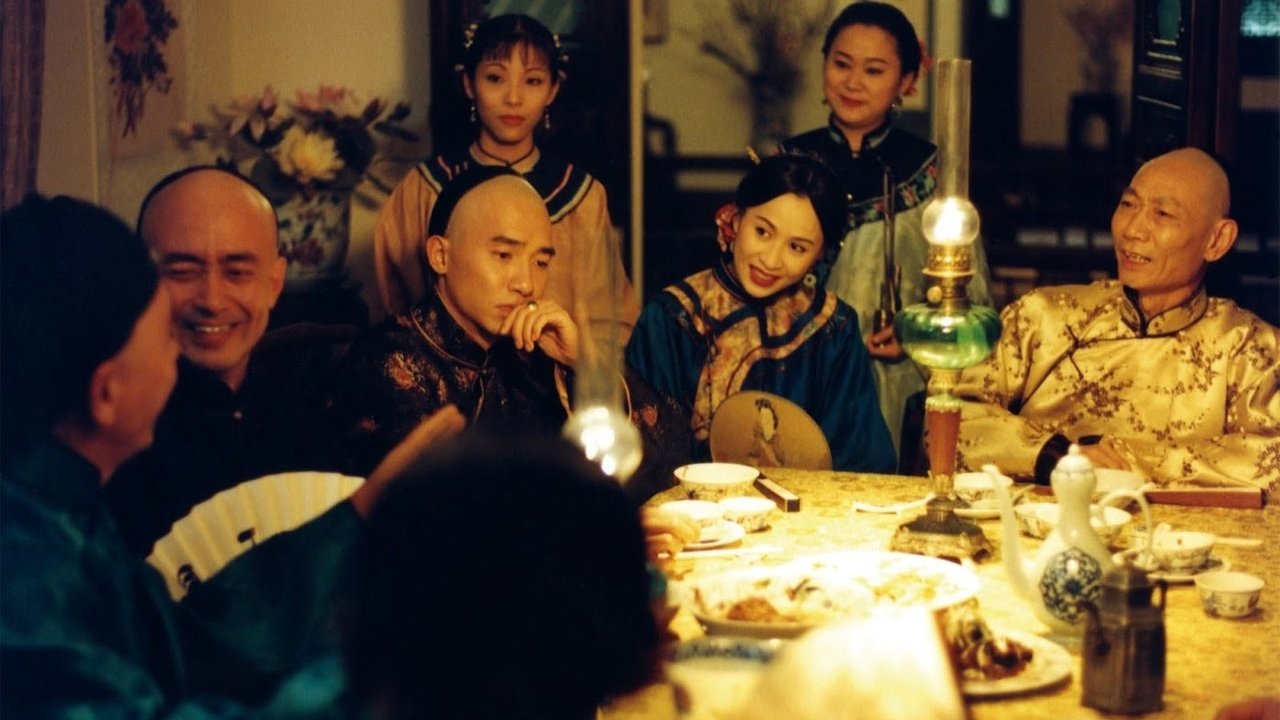
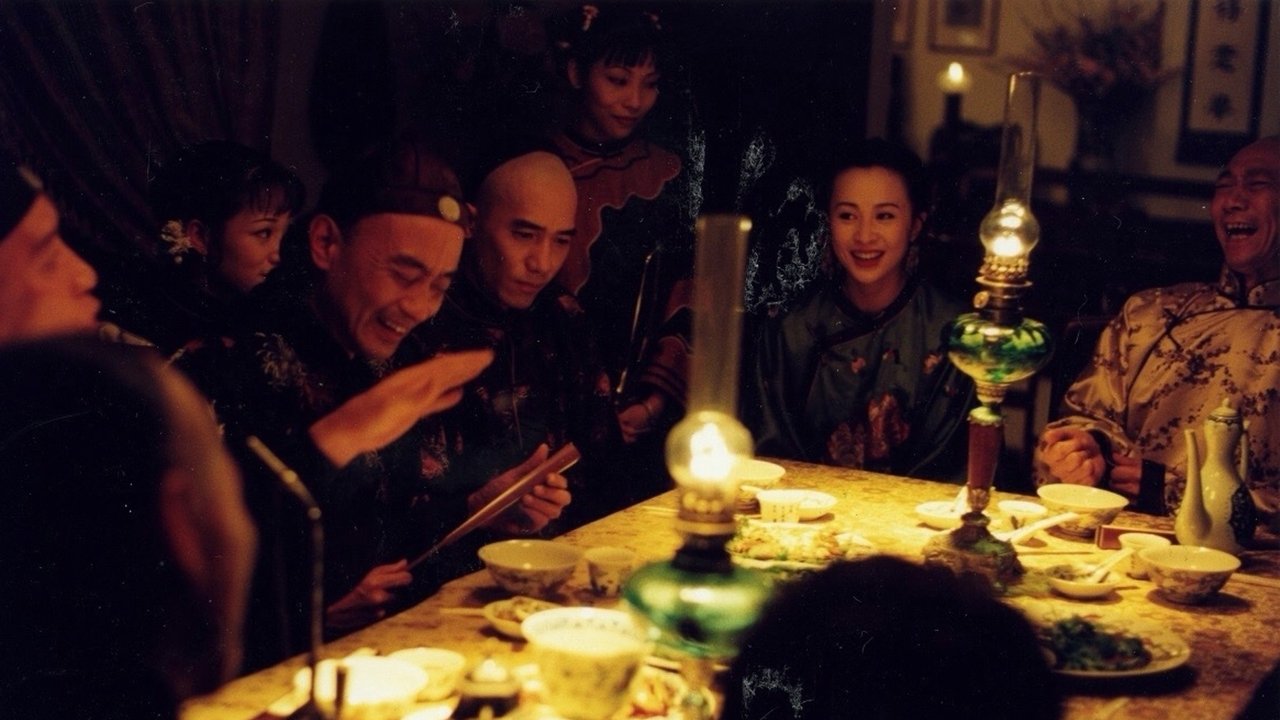
Based on Han Bangqing's 1892 novel The Sing-song Girls of Shanghai, the film confines us entirely within the labyrinthine chambers and dining rooms of these high-class brothels. We never see the streets outside, never glimpse the sky. This deliberate choice by Hou Hsiao-hsien, known for his patient observational style seen in films like A City of Sadness (1989), creates a palpable sense of enclosure. Life here revolves around intricate rituals: endless rounds of mahjong, elaborate feasts, whispered negotiations, simmering jealousies, and the delicate dance of power between the wealthy patrons and the cultivated courtesans, or "flower girls." The atmosphere is thick with unspoken desires, financial anxieties, and the constant, quiet hum of lives lived under strict social constraints.
The Hypnotic Gaze of the Camera
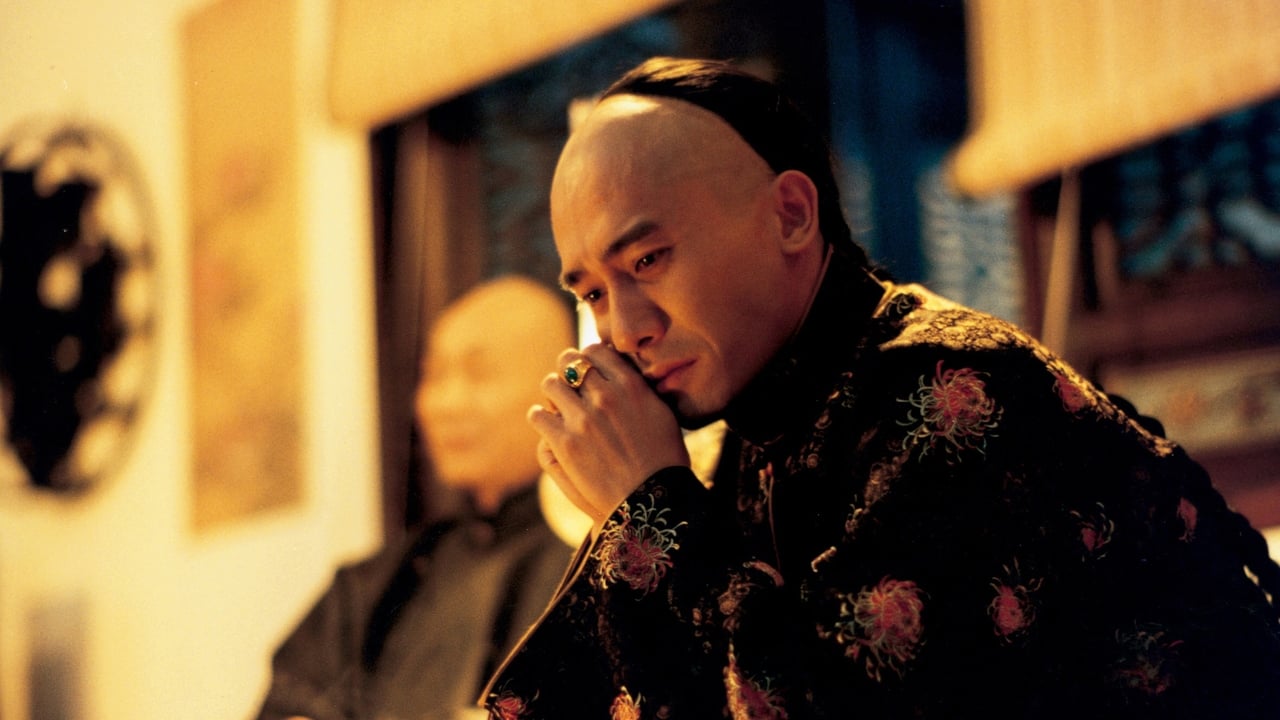
What truly defines Flowers of Shanghai is its visual language. Cinematographer Mark Lee Ping-Bing crafts images of breathtaking beauty, bathed in the soft, flickering light of oil lamps. Hou employs his signature long takes, often allowing scenes to unfold within a single, unblinking shot. The camera rarely intrudes; it observes, sometimes panning slowly, almost reluctantly, as if mirroring the languid passage of time within these walls. This technique demands immense precision from the actors and crew – imagine holding character and navigating complex blocking for minutes on end! There are reportedly only around 37 shots in the entire film, each one meticulously composed. The effect is mesmerizing, drawing you deeper into the social dynamics while simultaneously maintaining a certain detached perspective. We become voyeurs in this sealed world, piecing together relationships and motivations through subtle gestures and fragmented conversations.
Whispers and Silences
The narrative eschews conventional plot development, instead offering vignettes centered around Master Wang (Tony Leung Chiu-wai, already a major star radiating quiet charisma) and his shifting relationships with various courtesans, primarily the pragmatic Crimson (Michiko Hada) and the younger, more volatile Emerald (Michelle Reis). Leung is magnetic as Wang, a man caught between affection, obligation, and the societal expectations of his class. His performance is a masterclass in restraint, conveying complex emotions through fleeting glances and subtle shifts in posture. Hada and Reis are equally compelling, embodying the limited choices and fierce resilience of women navigating a system built on transactions.
Interestingly, adding another layer of complexity, the film features dialogue in multiple Chinese dialects (primarily Shanghainese and Cantonese), reflecting the diverse origins of the patrons and courtesans. Much of the dialogue was actually post-dubbed, a technical necessity that somehow doesn't detract from the film's immersive authenticity. Furthermore, the near-absence of a non-diegetic musical score enhances the feeling of eavesdropping on real life; we hear the clatter of mahjong tiles, the murmur of conversations, the occasional strain of music played within a scene, all contributing to the rich, textured soundscape.
A Demanding Beauty
Flowers of Shanghai isn't a film for the impatient. Its deliberate pacing and episodic structure demand concentration. There are no easy answers, no clear heroes or villains. Instead, Hou offers a complex tapestry of human interaction, exploring themes of possession, commodification, freedom (or the lack thereof), and the bittersweet nature of relationships forged in transactional environments. Does genuine affection bloom in these houses, or is it merely another performance? The film leaves you pondering such questions long after the credits roll. It requires you to lean in, to absorb the details, to feel the weight of the atmosphere.
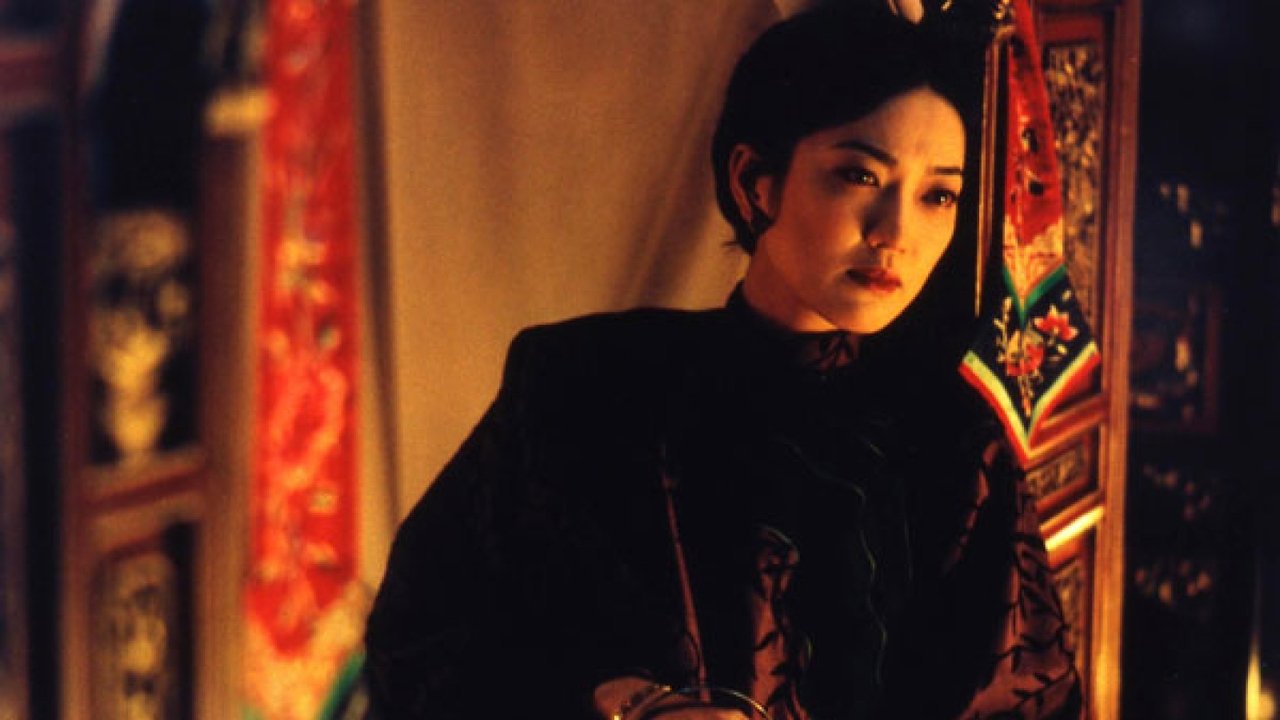
It’s a reminder that cinema, even on a VHS tape watched on a CRT screen, could transport you utterly, challenging your perceptions and rewarding your patience with a profound sense of immersion. This wasn't the kind of tape you'd pop in for casual background noise; it commanded your full attention, offering a rich, artistic experience far removed from the mainstream fare of the era.
Rating: 9/10
This near-masterpiece earns its high rating through its sheer artistic confidence, breathtaking cinematography, subtly powerful performances, and unforgettable atmosphere. Hou Hsiao-hsien crafts a meticulous, immersive world that feels both historically specific and strangely timeless in its exploration of human connection and constraint. While its deliberate pace makes it demanding, the reward is a deeply resonant cinematic experience that lingers like the scent of opium smoke in a lamp-lit room. It stands as a unique testament to the power of visual storytelling from the late VHS era. What stays with you most isn't a single event, but the overwhelming feeling of having inhabited, for a few hours, a beautiful, melancholic, and utterly enclosed world.