It begins not with the roar of the crowd or the crash of bodies, but with a quieter, more unsettling feeling – the dawning realization that the larger-than-life titans we cheered or booed on grainy television screens carried burdens far heavier than championship belts. Barry W. Blaustein's 1999 documentary Beyond the Mat wasn't just another wrestling exposé; it felt like pulling back a curtain that many of us, comfortable in our fandom, perhaps never truly wanted pulled back so far. It arrived near the peak of the late 90s wrestling boom, a time of outrageous characters and soaring popularity, yet it chose to focus on the sweat, the blood, and the profound, often painful, humanity beneath the spandex and face paint.
A Journey Into the Human Cost
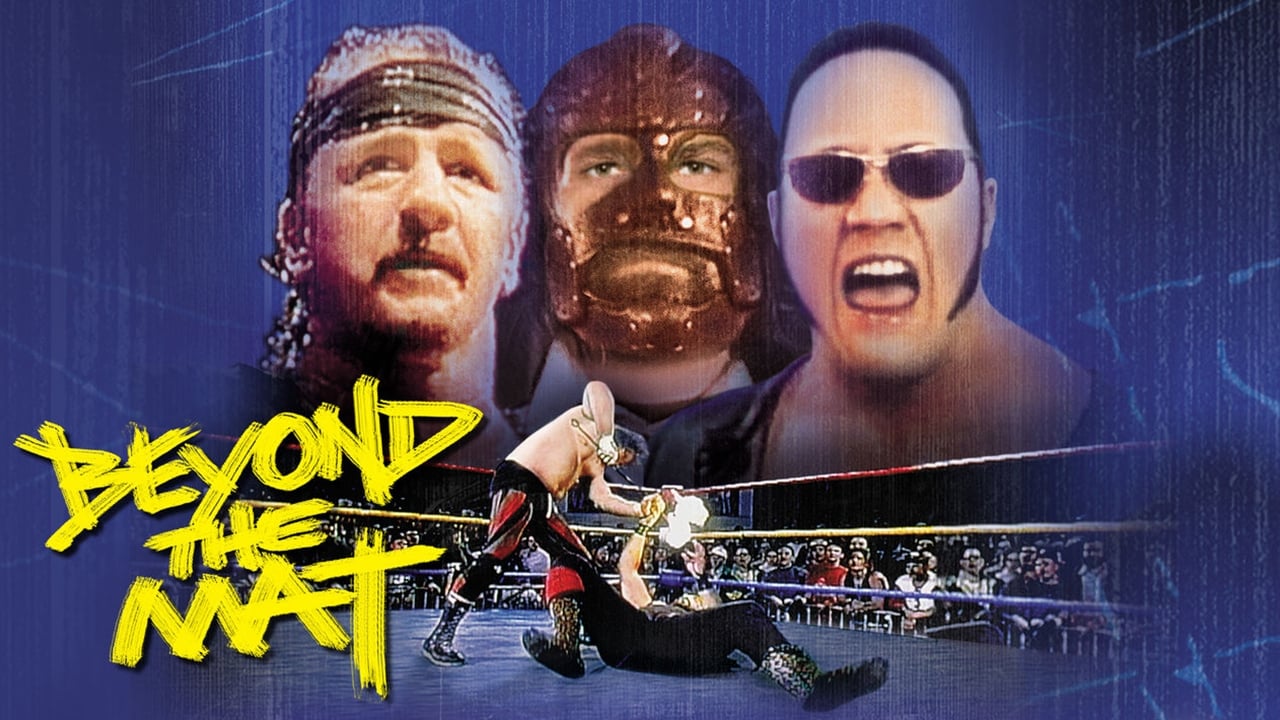
Blaustein, perhaps surprisingly known then mostly for penning comedies like Coming to America (1988) and Police Academy 2: Their First Assignment (1985), approaches his subject with the wide-eyed enthusiasm of a lifelong fan. Yet, that initial fandom quickly evolves into something deeper, more complex, as he gains astonishing access to the inner lives of his subjects. The film largely orbits three distinct figures, each representing a different stage and struggle within the demanding world of professional wrestling: the established, family-man superstar pushing his body to unimaginable limits (Mick Foley), the aging legend grappling with retirement (Terry Funk), and the fallen icon battling crippling addiction and regret (Jake "The Snake" Roberts).
What makes Beyond the Mat resonate so deeply, even decades later, isn't just the peek behind the industry's tightly controlled facade, but its unflinching look at the sacrifices demanded by this unique blend of sport and theatre. We see the physical toll in excruciating detail – the scars, the limps, the chilling discussion of concussions long before they became a mainstream sports headline. But it's the emotional cost that truly lingers.
Three Portraits in Pain and Perseverance
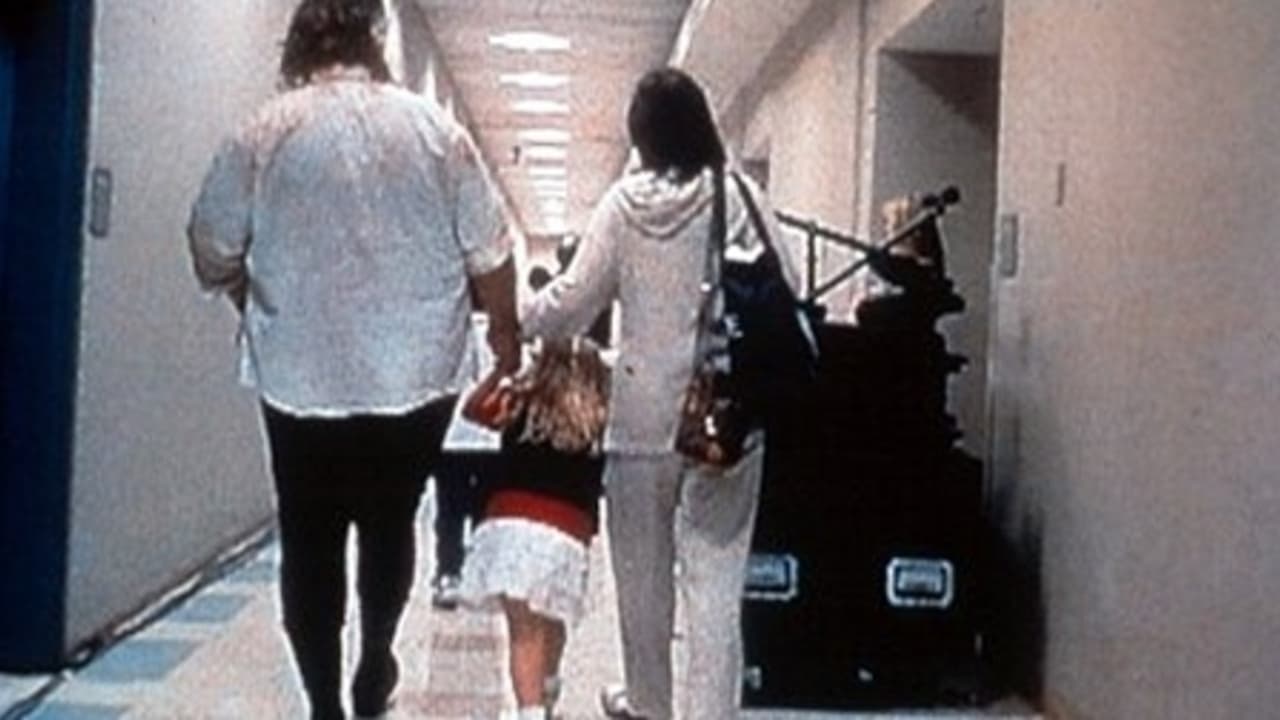
Mick Foley (performing then as Mankind in the WWF) provides perhaps the most immediate and visceral illustration of the wrestler's paradox. We see him as a gentle, loving husband and father off-stage, his young children playing innocently around him. Then, we witness the brutal reality of his infamous "I Quit" match against The Rock at the 1999 Royal Rumble. Blaustein's camera doesn't shy away, capturing the sickening thud of unprotected chair shots to Foley's head, and, even more hauntingly, the sheer terror in the eyes of his wife Colette and their children watching helplessly from the front row. It’s a sequence that forces a profound question: where does performance end and self-destruction begin? Foley, articulate and self-aware, seems to understand the bargain he's made, but witnessing its effect on his family is deeply uncomfortable. It's a testament to the trust Blaustein built that this incredibly personal, painful moment was captured.
Then there's Terry Funk, the hardcore wrestling icon seemingly unable to hang up his boots. At an age when most athletes are long retired, Funk continues to put his battered body through hell in the punishing arenas of Extreme Championship Wrestling (ECW) and the independent circuit. His segments explore the addictive nature of the crowd's roar, the camaraderie of the locker room, and perhaps a deeper fear of what life looks like outside the only world he's ever truly known. There’s a melancholic poetry to Funk’s relentless drive, a sense of nobility mixed with deep concern for his well-being. He embodies the spirit of the old gunslinger who just can't walk away.
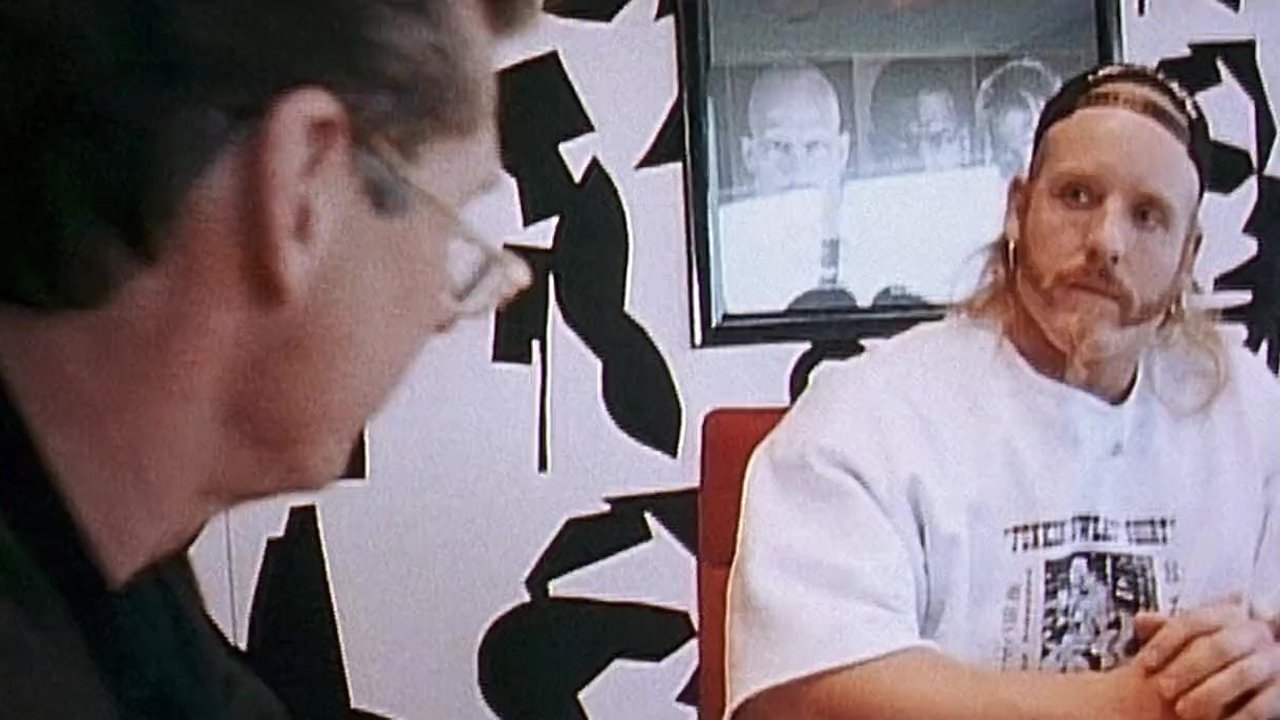
The most difficult journey belongs to Jake "The Snake" Roberts. By the late 90s, the magnetic, calculating master of ring psychology was a shadow of his former self, ravaged by decades of alcohol and drug abuse. Blaustein captures Roberts in moments of profound vulnerability and despair. His attempts to reconnect with his estranged daughter, culminating in a devastatingly raw hotel room confrontation, are almost unbearably painful to watch. It's cinéma vérité at its most intrusive, yet utterly compelling. Roberts’ story serves as a stark cautionary tale about the dark side of fame and the demons that can consume even the most charismatic performers. Rumors circulated for years about the WWF's (now WWE) displeasure with Roberts's portrayal, highlighting the film's controversial willingness to show the unvarnished, often ugly, truth. Vince McMahon’s on-camera interactions, particularly a moment where he appears to mock Funk’s dedication after hearing a heartfelt voicemail, added fuel to that fire.
Beyond the Spectacle
Blaustein’s direction is largely observational, letting the wrestlers' own words and actions drive the narrative. He wisely contrasts the glitz of the WWF – including glimpses of a young, electrifying Dwayne "The Rock" Johnson on the cusp of superstardom – with the grimy, desperate reality of the independent scene, exemplified by the tragicomic figure of promoter Roland Alexander and his aspiring wrestlers. This juxtaposition underscores the vast gulf between the top tier and the hopefuls struggling for a break, all paying a physical price.
One fascinating tidbit is how Blaustein, initially just wanting to make a film about his childhood passion, managed to secure such intimate access, particularly within the notoriously guarded WWF. It speaks volumes about his persistence and perhaps a miscalculation by the promotions about what the final film would reveal. The film premiered at Sundance, earning critical acclaim for its honesty, though its unflinching portrayal reportedly caused friction within the industry. Budgeted modestly, it found respectable success for a documentary, resonating with fans and non-fans alike precisely because it transcended wrestling to explore universal themes of ambition, family, addiction, and mortality.
The Lasting Echo
Watching Beyond the Mat today, perhaps on a worn-out VHS copy dug out from the back of a cupboard, feels different than it did in 1999. The shock value may have slightly faded, but the emotional impact remains potent. It serves as a powerful time capsule of a specific era in wrestling, but more importantly, as a deeply human document. It forces us to consider the real people behind the personas, the sacrifices hidden beneath the spectacle. What does it mean to chase a dream that demands so much of your body and soul? How thin is the line between performer and person?
Rating: 9/10
This rating reflects the documentary's groundbreaking access, its raw emotional power, and its unflinching honesty. While difficult to watch at times, particularly the segments involving Jake Roberts, its importance in humanizing professional wrestlers and exposing the realities of the business is undeniable. Blaustein crafts a compelling narrative that transcends its subject matter, asking profound questions about sacrifice, addiction, and the price of glory. It’s not always an easy watch, but it’s an essential one for understanding the world behind the ropes.
Beyond the Mat doesn't just show you the wrestling business; it makes you feel the weight of it, long after the screen fades to black. It leaves you contemplating the echoes of cheers in empty arenas and the quiet battles fought far away from the spotlight.