There’s a certain kind of electricity that crackles around art deemed dangerous, a defiant energy that pulses when voices refuse to be silenced. Tim Robbins captures this volatile spirit in his ambitious 1999 film, Cradle Will Rock, a sprawling tapestry woven from the threads of truth, passion, and political maneuvering in Depression-era New York. It’s less a straightforward narrative and more a vibrant mural itself, depicting a singular moment when theatre became a battleground. Watching it again now, perhaps years after first encountering it on a worn rental tape or late-night cable, its chaotic energy and potent questions feel surprisingly immediate.
A City on the Brink
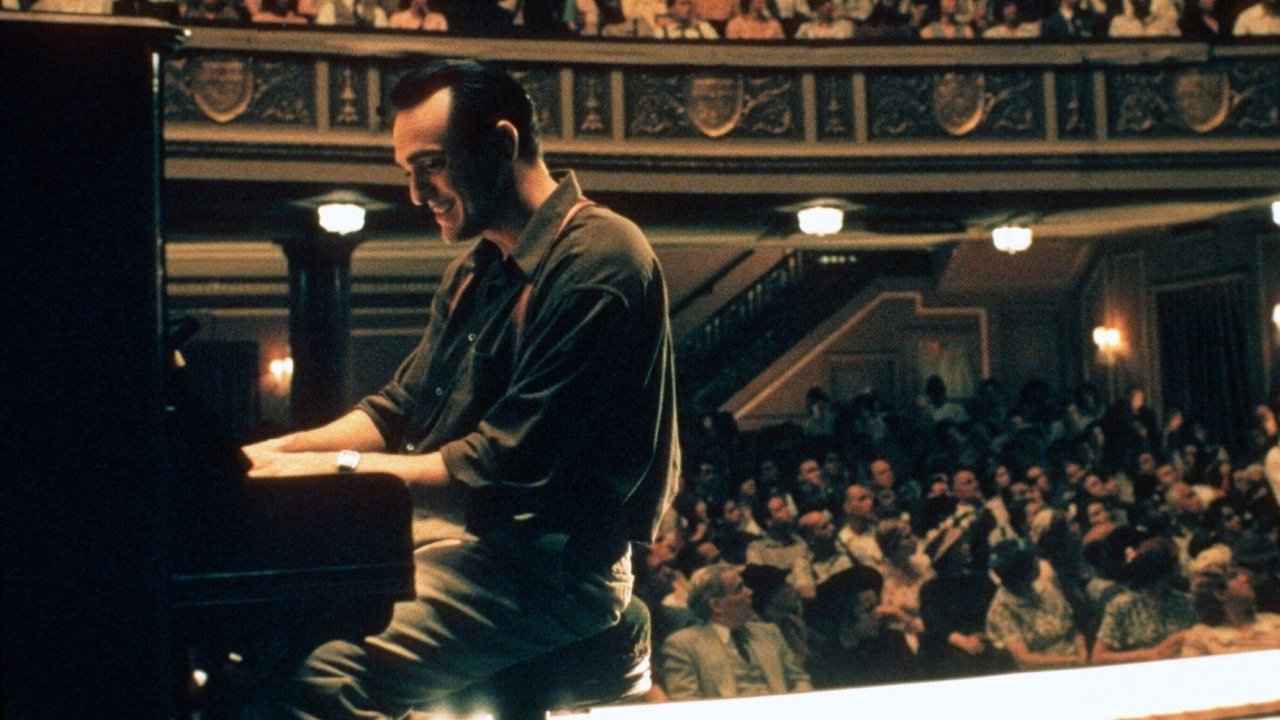
Robbins, known then perhaps more for iconic acting roles (Bull Durham, The Shawshank Redemption) but already proving his directorial chops with Bob Roberts (1992), throws us headfirst into the cauldron of 1936-37 New York. The air hangs thick with economic anxiety, labor unrest, and the looming shadow of fascism overseas. Against this backdrop, the government-funded Federal Theatre Project (FTP) – a New Deal initiative designed to employ artists – becomes both a beacon of creativity and a political lightning rod. At its heart is the impending production of Marc Blitzstein’s controversial, pro-union musical, The Cradle Will Rock, directed by a young, impossibly brash Orson Welles (Angus Macfadyen, embodying the explosive genius). It's a world teeming with life, from hopeful actors to wary bureaucrats, from idealistic artists to calculating capitalists.
A Stage Crowded with Talent
What immediately strikes you about Cradle Will Rock is the sheer depth of its ensemble cast, a veritable who's who of late 90s talent diving into richly drawn, often real-life, characters. Hank Azaria brings a nervous energy to composer Marc Blitzstein, wrestling with his art and allegiances. Emily Watson shines as Olive Stanton, a composite character representing the struggling performers finding purpose within the FTP. John Turturro delivers a heartfelt performance as Aldo Silvano, an Italian-American actor whose family grapples with Mussolini's allure, adding another layer to the era's political complexities.
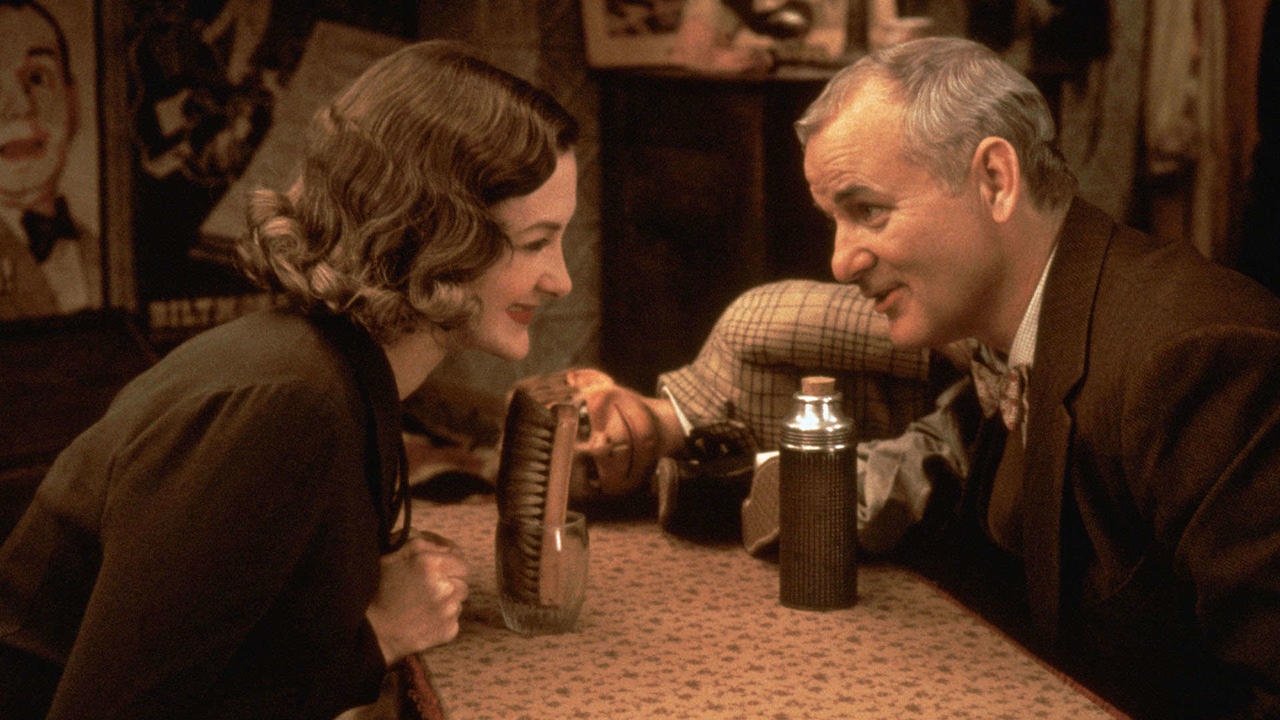
Then there’s the magnetic friction between Cary Elwes as John Houseman, Welles’ pragmatic producer, and Macfadyen's volatile Welles. We see Joan Cusack embody the earnest, slightly overwhelmed FTP clerk Hazel Huffman, and John Cusack (a frequent Robbins collaborator) portraying Nelson Rockefeller, grappling with artistic ego – both his own and that of muralist Diego Rivera (Rubén Blades). Susan Sarandon (Robbins' partner at the time) appears as Margherita Sarfatti, an Italian propagandist, and Bill Murray delivers a wonderfully melancholic turn as Tommy Crickshaw, a disillusioned ventriloquist whose act reflects the anxieties of the age. Each actor contributes a vital piece to this intricate mosaic, making the bustling, overlapping stories feel grounded and human.
When Art Met the Axe: Retro Fun Facts
The film brilliantly dramatizes actual historical events, making the behind-the-scenes story as compelling as the on-screen drama. The core narrative – the government shutdown of the theatre on opening night due to the musical’s perceived communist leanings, and the subsequent defiant march uptown to perform it acoustically from the audience – actually happened. It's a legendary moment in American theatre history.
- The Real Deal: The Federal Theatre Project, led nationally by the determined Hallie Flanagan (Cherry Jones in a commanding performance), truly did employ thousands of artists during the Depression, creating vital, often controversial work before being shut down by Congress in 1939 amidst Red Scare paranoia.
- A Passion Project: Robbins reportedly spent years developing the script, driven partly by his own parents' experiences as folk singers navigating the political complexities of the era. The film was a labor of love, reflected in its detailed period recreation and thematic commitment.
- Rivera vs. Rockefeller: The subplot involving Nelson Rockefeller commissioning Diego Rivera to paint a mural for Rockefeller Center, only to have it destroyed when Rivera included a portrait of Lenin, is also true. The film uses this parallel narrative to explore the uneasy relationship between wealth, power, and artistic expression. It’s a fascinating counterpoint to the FTP’s struggle for government funding.
- Budget vs. Box Office: Made for a respectable $32 million, Cradle Will Rock unfortunately only grossed around $2.9 million domestically. It became one of those critically appreciated films that found its audience later, likely through video rentals and word-of-mouth – a familiar story for ambitious dramas from this period. Finding it on the shelf felt like unearthing something significant.
Echoes in the Present
Watching Cradle Will Rock today, the questions it raises about censorship, the role of government funding in the arts, and the power of art to challenge the status quo feel incredibly relevant. Who gets to decide what art is acceptable? What happens when creativity clashes with political ideology or corporate interests? The film doesn't offer simple answers, instead presenting a complex ecosystem where idealism, pragmatism, fear, and courage collide. Doesn't the tension between artistic freedom and external pressures resonate just as strongly now, perhaps even more so in our hyper-politicized landscape?
Robbins' Orchestration
Directing such a sprawling narrative with numerous intersecting plotlines is a monumental task, and Robbins handles it with impressive dexterity. He balances the political intrigue, the personal dramas, and the exuberant (if brief) musical numbers, capturing the frenetic energy of the time. While some critics felt the sheer number of characters and stories occasionally diluted the focus, the film's ambition is undeniable. It successfully evokes the atmosphere of a specific, crucial moment in American cultural history, making it feel immediate and alive.
Rating: 8/10
Cradle Will Rock earns a strong 8 out of 10. Its power lies in its stellar ensemble cast, its intelligent exploration of complex themes, and its passionate recreation of a fascinating historical moment. While its sprawling structure might occasionally feel unwieldy, the performances are uniformly excellent, and Tim Robbins directs with clear vision and purpose. The film successfully dramatizes the potent collision of art, politics, and personality, leaving the viewer with much to ponder.
It stands as a testament to a kind of ambitious, adult-oriented filmmaking that felt particularly vital in the late 90s, a film you might have discovered tucked away in the drama section of the video store and felt richer for having experienced. What lingers most is that image of defiance – artists refusing to be silenced, marching through the streets, their voices carrying the weight of conviction. It’s a powerful reminder that sometimes, the show must go on.