There are performances, and then there are moments where the line between actor and character dissolves entirely, leaving behind something hauntingly authentic. Watching Dexter Gordon in Bertrand Tavernier's Round Midnight (1986) feels less like observing acting and more like bearing witness. Gordon, a titan of bebop saxophone himself, inhabits Dale Turner, a brilliant but ravaged American jazz musician adrift in 1950s Paris, with such weary grace and profound soulfulness that the screen seems to vibrate with his presence. It’s a film that settles over you like the smoky haze of a late-night jazz club, lingering long after the final note fades.
A Parisian Elegy
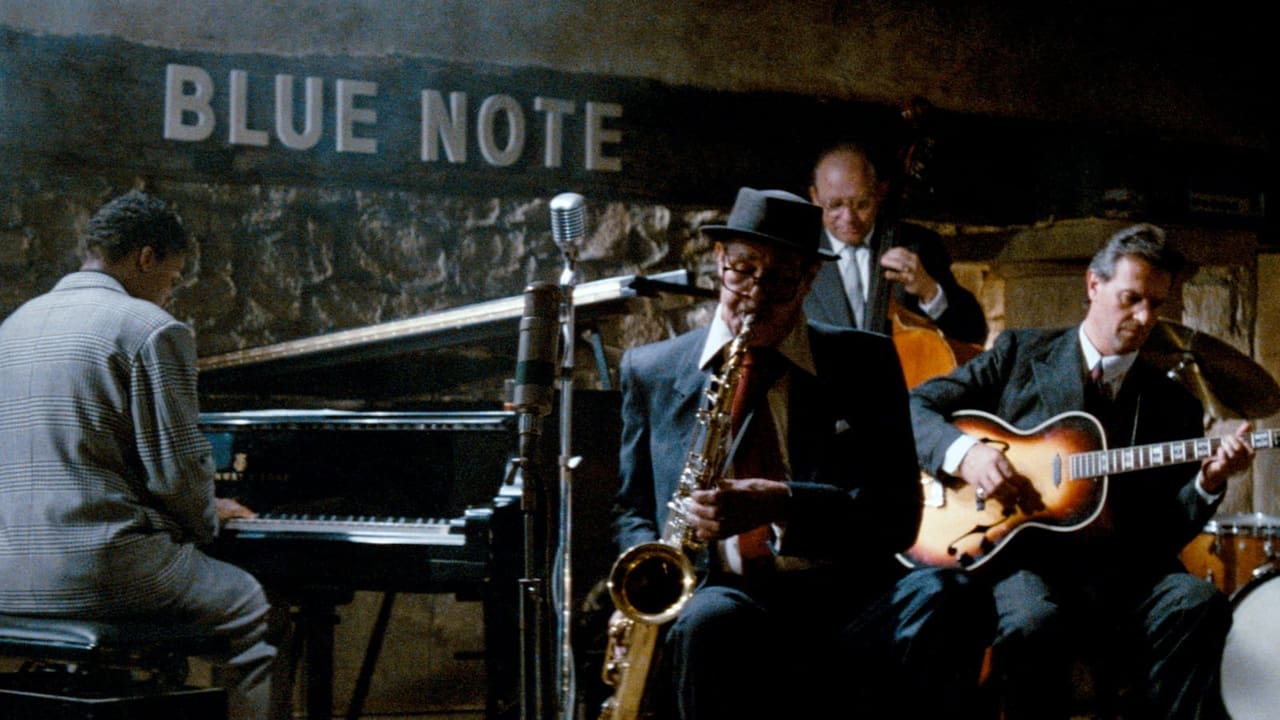
From its opening frames, Round Midnight establishes a mood of melancholic beauty. Tavernier, a director known for his deep humanism (later seen in films like Life and Nothing But (1989)), doesn't rush. He lets Paris breathe – the rain-slicked streets, the cramped apartments, the palpable atmosphere of the legendary Blue Note jazz club (lovingly recreated for the film). The story finds Dale Turner barely holding on, his genius muffled by alcohol and exhaustion. He finds an unlikely guardian angel in Francis Borler (François Cluzet), a struggling French graphic designer whose adoration for Dale’s music borders on religious devotion. Their relationship forms the quiet, beating heart of the film: a poignant depiction of friendship, artistic reverence, and the desperate attempt to save a talent from consuming itself.
More Than Just a Performance
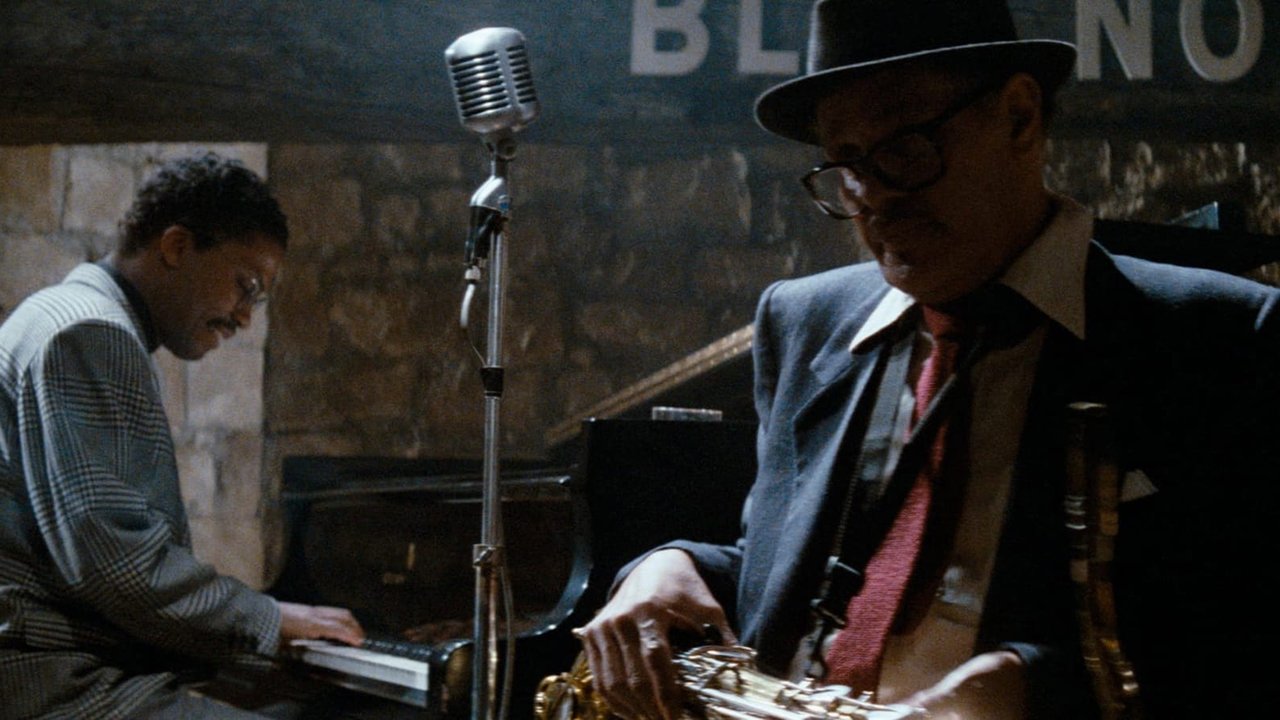
It's impossible to discuss Round Midnight without centering on Dexter Gordon. His portrayal of Dale earned him an Academy Award nomination for Best Actor – a rare feat for a non-professional actor, especially one essentially playing a version of himself, or at least, specters from his world. Dale Turner is a composite character, drawing heavily on the lives and struggles of jazz legends Bud Powell (a pianist who spent significant time in Paris under the care of a fan, Francis Paudras, whose memoirs inspired the film) and Lester Young. Gordon, who had his own battles with addiction and lived in Europe for years, channels these ghosts with an intimacy that feels startlingly real. His towering frame often seems stooped, his voice a low, gravelly murmur, his eyes holding oceans of unspoken pain and artistic fire. You see the weariness etched into his face, but then he picks up the saxophone, and for a few transcendent moments, the years and the damage fall away. Was it acting, or was it simply being? Does the distinction even matter when the result is this powerful?
The Sound of Soul
And then there's the music. Oh, the music. Supervised, arranged, and composed by the legendary Herbie Hancock (who also appears in the film and rightfully won the Oscar for Best Original Score), the jazz sequences are not mere interludes; they are the film's lifeblood. Crucially, Tavernier insisted on recording the music live on set, capturing the spontaneous energy and raw emotion of the performances. Featuring a stellar lineup of real musicians alongside Gordon (including Wayne Shorter, Ron Carter, Tony Williams, and Bobby Hutcherson), these scenes feel less like soundtrack moments and more like genuine, intimate club sessions we're privileged to witness. The music speaks volumes where words fail, expressing Dale's joy, his sorrow, his fleeting moments of clarity. Hancock’s score perfectly complements the mood, weaving melancholy themes around the vibrant bebop.
Behind the Blue Note
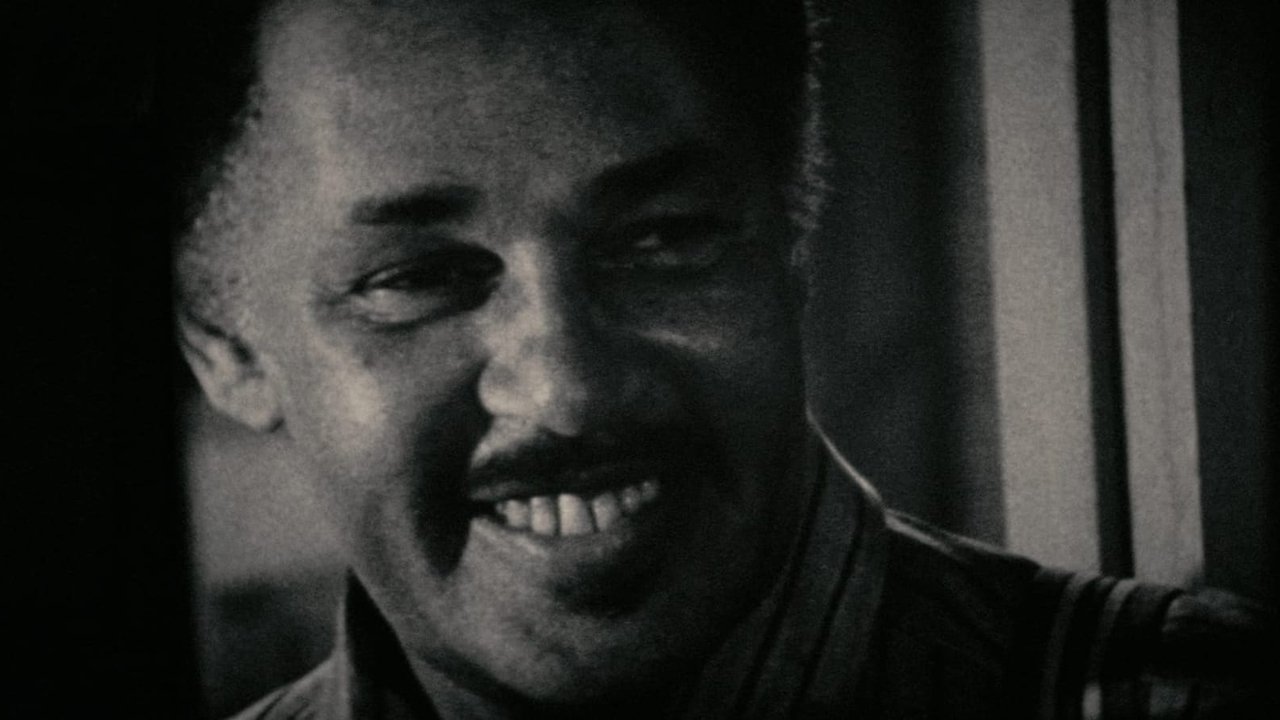
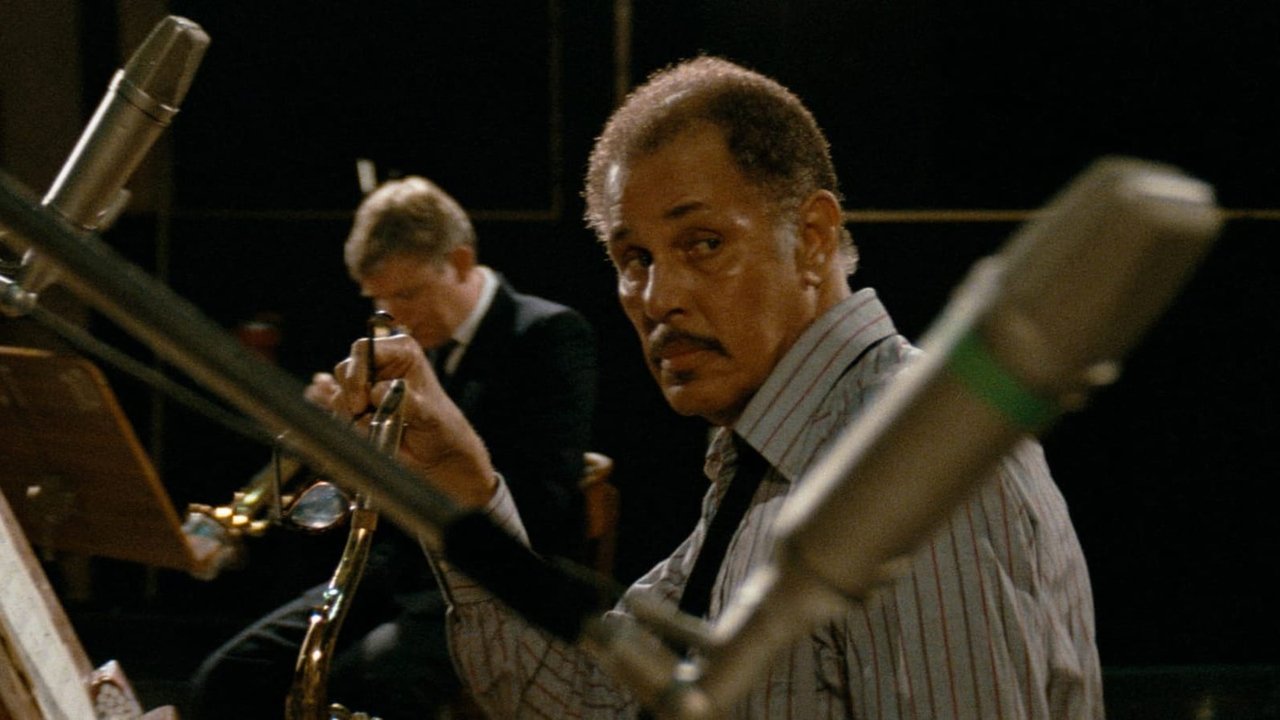
Bertrand Tavernier’s passion for jazz permeates every frame. He wasn't just directing a film; he was paying homage to an art form and the artists he revered. This personal connection elevates the material beyond a standard biopic or addiction drama. Interestingly, getting Gordon to commit wasn't entirely straightforward, and Tavernier reportedly had to navigate the musician's own unpredictable rhythms, mirroring Francis's challenges with Dale in the film. Look closely, and you'll spot a cameo from none other than Martin Scorsese, playing Dale’s ruthless American manager, a brief but memorable appearance. The film premiered to considerable acclaim at the Venice Film Festival and garnered widespread critical praise, recognized for its atmospheric authenticity and Gordon's monumental presence, even if its measured pace and somber tone kept it from being a massive commercial hit ($3M budget, respectable $10M US gross, but critically adored). It found its true home, perhaps, on VHS – a discovery for those seeking something deeper, more resonant than the usual fare stocked on rental shelves. I distinctly remember finding the tape, drawn by the cover art, and being utterly unprepared for the quiet devastation and profound humanity within.
Lingering Resonance
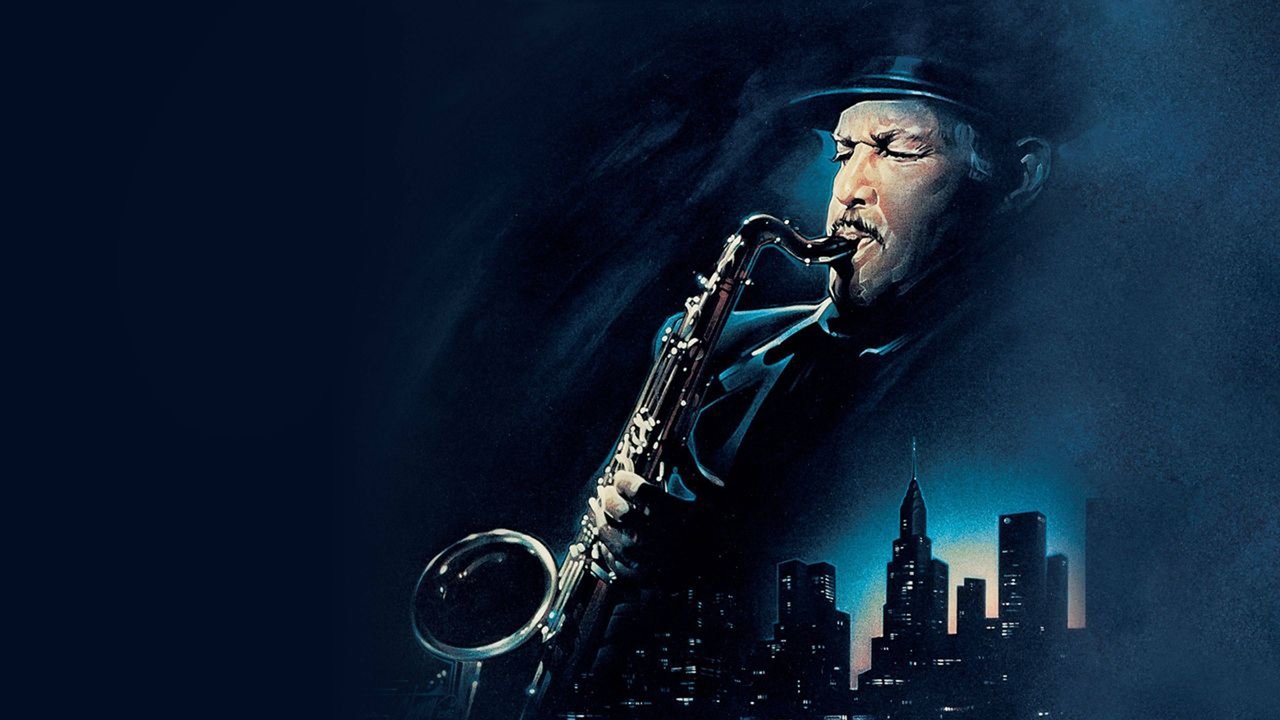
Round Midnight isn't a film with easy answers or triumphant arcs. It explores the fragile intersection of genius and self-destruction, the profound connections forged through shared passion, and the bittersweet reality of artistic exile. What does it mean to venerate an artist whose life is crumbling? Can friendship truly save someone from themselves? Francis’s unwavering devotion is touching, but Tavernier doesn’t shy away from the complexities and the ultimate limitations of his efforts. The film asks us to consider the cost of artistry, the weight of carrying such immense talent alongside such deep-seated pain. It’s a film that respects its subject too much to offer simple solutions.
Rating: 9/10
This score reflects the film's profound emotional depth, the once-in-a-lifetime authenticity of Dexter Gordon's central performance, the masterful direction by Tavernier, and Herbie Hancock's sublime, Oscar-winning score. The deliberate pacing and melancholic tone might not be for everyone, but for those willing to immerse themselves, it's an unforgettable experience. Round Midnight isn't just a movie; it's a mood, a feeling, a hauntingly beautiful piece of cinematic jazz that stays with you, like a melody you can't quite shake. What lingers most is the echo of Gordon's saxophone and the weight of a life lived fully, if tragically, through music.