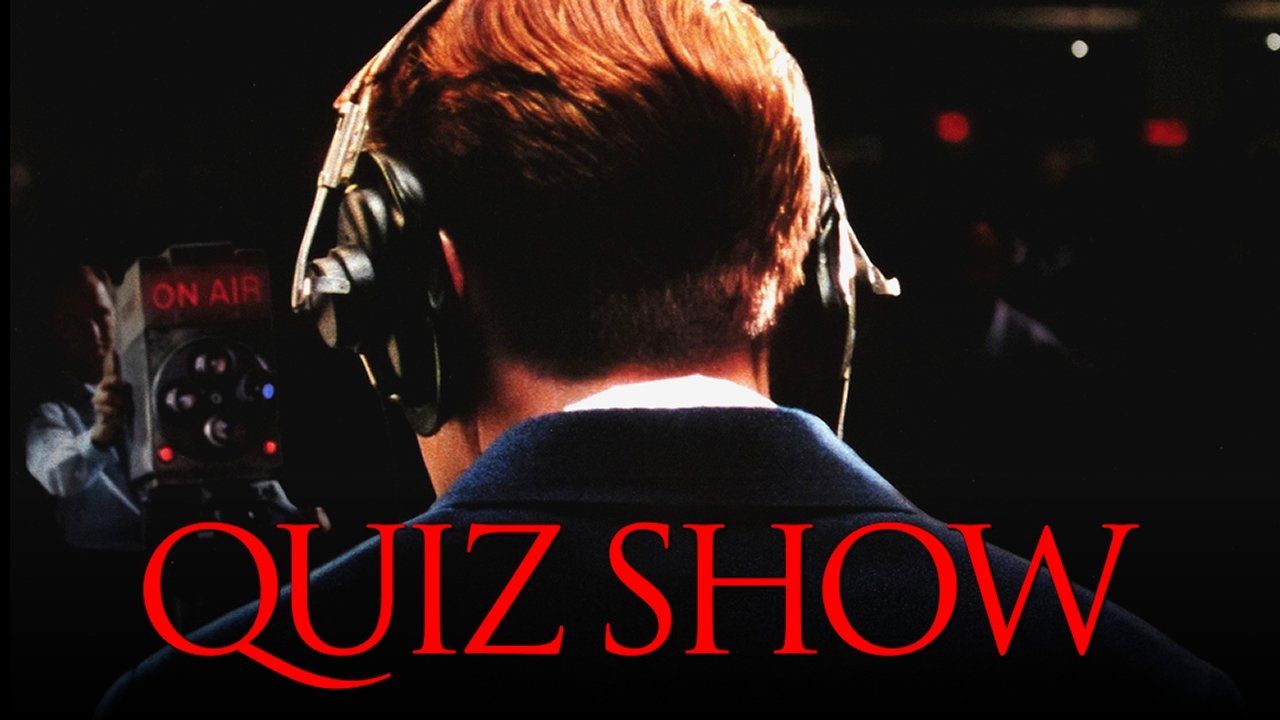
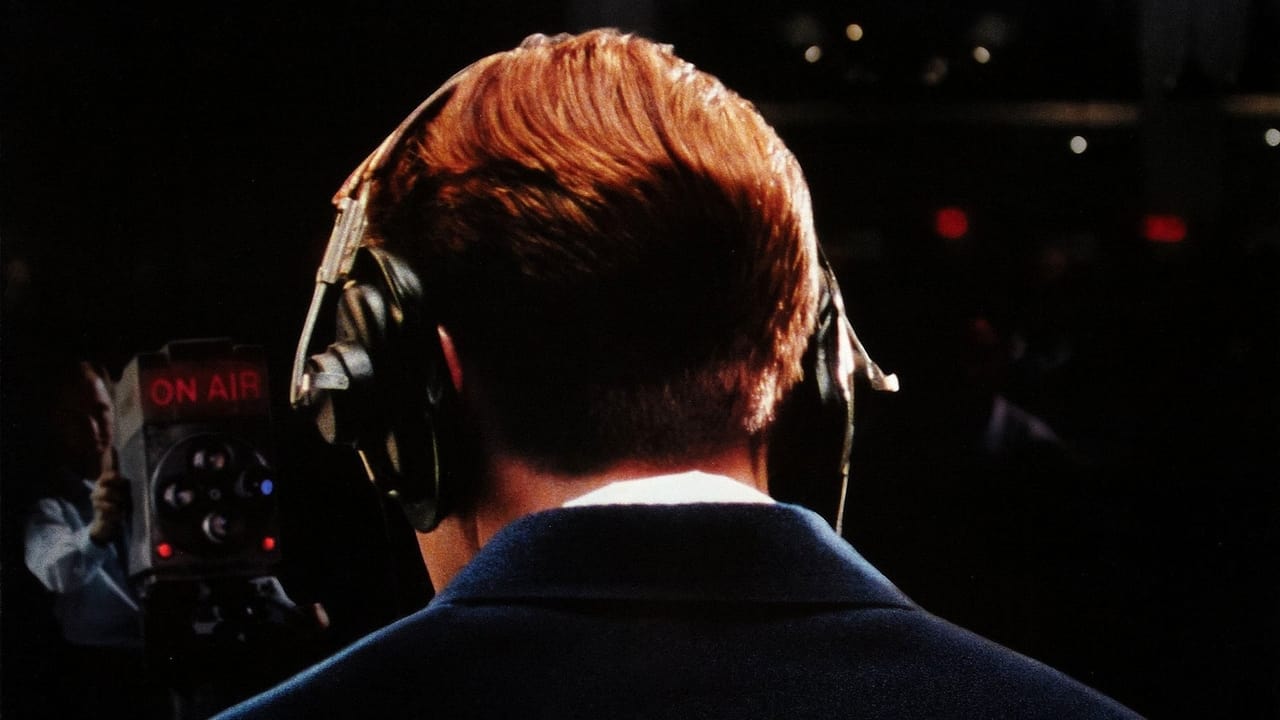
There’s a particular hum that fills the air in those early television studios, isn't there? A mix of buzzing electronics, hushed anticipation from the live audience, and the almost palpable weight of millions unseen, watching through glowing boxes in darkened living rooms across America. Robert Redford’s Quiz Show (1994) captures that hum perfectly, bottling the atmosphere of mid-century optimism and naiveté, only to meticulously uncork the corruption festering beneath the surface. It’s a film I distinctly remember renting on VHS, perhaps expecting something lighter given Redford's star power, but finding instead a profoundly unsettling and brilliantly crafted examination of ethics, class, and the seductive power of the flickering screen.
### The Glare of the Studio Lights
Based on the real-life scandals surrounding the popular quiz show Twenty-One in the late 1950s, the film centers on three men caught in the gears of televisual deceit. We have Herbert Stempel (John Turturro), the reigning champion – brilliant, working-class, sweating under the lights, fed answers by the network until his "q rating" dips. Then comes Charles Van Doren (Ralph Fiennes), the handsome, erudite scion of a famed literary family, groomed to be the new, more palatable face of intellect. Overseeing their intertwined fates, at least initially from the sidelines, is Richard Goodwin (Rob Morrow), a young, idealistic congressional investigator who begins to suspect the game is rigged.
Redford, directing with a precision and quiet intensity that marked his best work behind the camera (think Ordinary People (1980)), doesn't just tell the story; he immerses us in the era. The production design is immaculate, recreating the slightly claustrophobic, high-contrast world of black-and-white television production. You can almost smell the vacuum tubes warming up. The screenplay by Paul Attanasio, adapted from Richard N. Goodwin's own memoir Remembering America: A Voice From the Sixties, is sharp, intelligent, and refuses easy answers. It understands that the scandal wasn't just about cheating on a game show; it was a microcosm of larger societal tensions and the dawning realization that the burgeoning medium of television could manufacture reality just as easily as it reflected it.
### A Question of Integrity
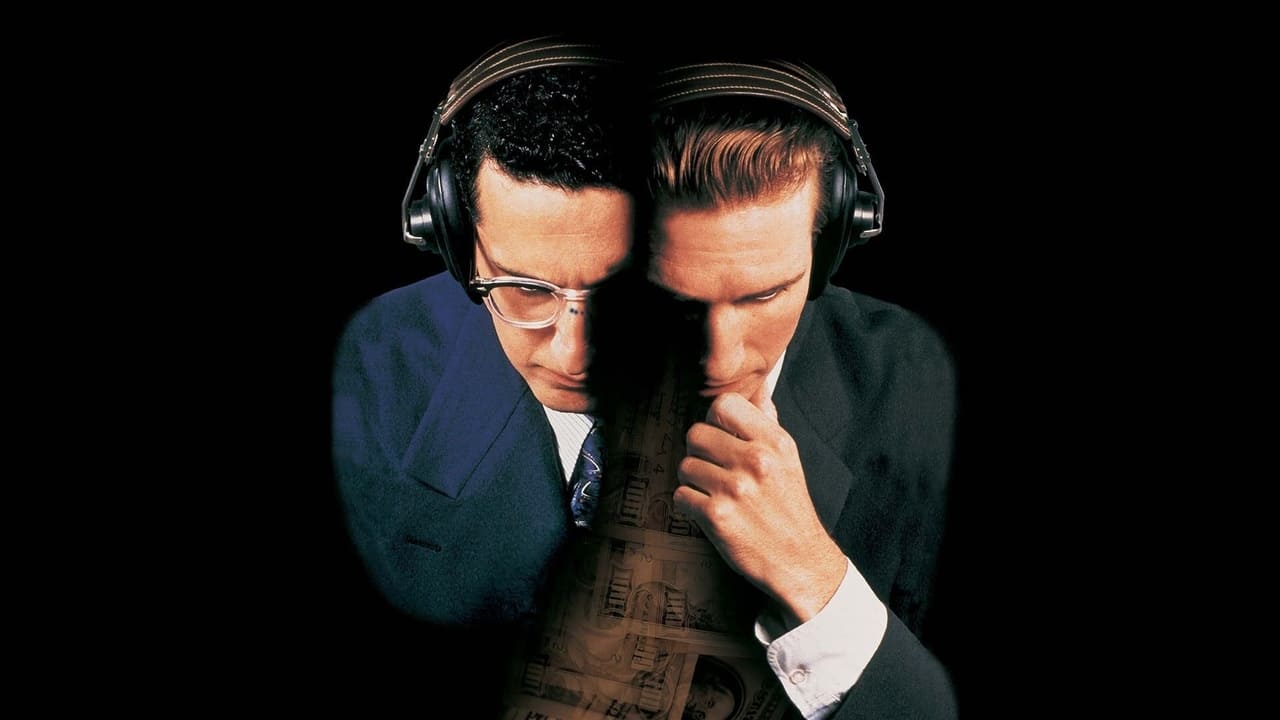
What truly elevates Quiz Show beyond a standard historical drama are the performances. John Turturro is heartbreakingly good as Herb Stempel. He captures the raw ambition, the wounded pride, and the simmering resentment of a man who played the game, got discarded, and desperately wants the world to know the truth, even if his motivations are tangled with bitterness. Turturro makes Stempel's awkwardness and social anxieties painfully real; you feel his discomfort, his intelligence, and his ultimate betrayal. It’s a performance layered with nuance, far removed from some of the more outwardly comedic roles Turturro would become known for later.
Opposite him, Ralph Fiennes, then relatively fresh off his chilling portrayal in Schindler's List (1993), is magnetic as Charles Van Doren. He embodies the effortless charm and intellectual grace that captivated a nation, but crucially, Fiennes also lets us see the cracks. Van Doren isn't a simple villain; he's a man seduced by fame, caught in a web of expectation and his own moral compromises. The scene where he finally testifies is a masterclass in subtle acting – the weight of the lie, the desire for absolution, the shame. Fiennes makes Van Doren’s predicament feel both specific to his privileged background and universally relatable in its exploration of temptation. Did you know Fiennes reportedly spent time with the real Van Doren to capture his mannerisms and understand his perspective? It shows in the authenticity of the portrayal.
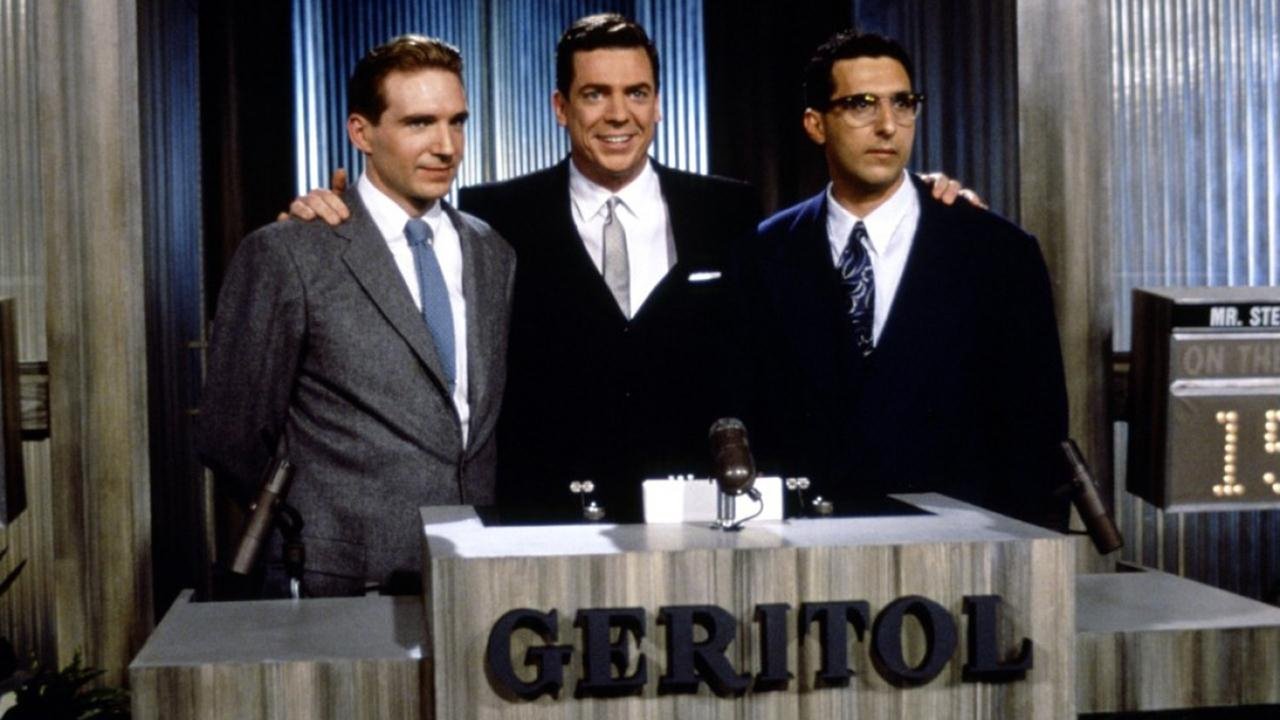
Rob Morrow, known to many at the time from TV's Northern Exposure, holds his own as the audience's surrogate, the earnest investigator Goodwin. He effectively conveys the dawning horror and determination as he uncovers the extent of the deception. The supporting cast, too, is impeccable, particularly Paul Scofield as Mark Van Doren, Charles's distinguished father, whose quiet disappointment speaks volumes.
### Ghosts in the Machine
Redford and Attanasio skillfully weave in details about the mechanics of the fraud – the sealed envelopes, the coached responses, the network executives (David Paymer and Hank Azaria are perfectly slick) pulling the strings. One fascinating aspect, barely conceivable today, was the sheer power these quiz shows held over the public imagination. Becoming a champion wasn't just about winning money; it was about becoming a national figure, an embodiment of intelligence and aspiration in the post-war boom. The film captures how the network exploited this, prioritizing appealing narratives and telegenic contestants over genuine competition. It’s a chilling reminder of how easily audiences can be manipulated, a theme that feels perhaps even more relevant in our current media landscape. The film cost around $31 million to make back in '94, a fairly significant budget for a historical drama, but its thoughtful execution earned it critical acclaim and four Oscar nominations, including Best Picture and Best Director for Redford.
Watching it again now, decades after pulling that tape from its clamshell case, Quiz Show feels remarkably prescient. It asks profound questions about the nature of truth in the public sphere, the ethical compromises we make for success, and the subtle ways class and background shape opportunity and perception. Doesn't the pressure Van Doren felt, the desire to live up to a certain image, resonate with the pressures many face today, albeit perhaps amplified by social media rather than network television?
The film isn't flashy; its power lies in its patient storytelling, its complex characters, and its refusal to paint anyone in simple black or white. It trusts the audience to grapple with the moral ambiguities, leaving you with a lingering sense of unease long after the credits roll.
Rating: 9/10
This score reflects the film's exceptional craftsmanship across the board: Redford's assured direction, Attanasio's intelligent script, the stunning period detail, and, above all, the powerhouse performances from Fiennes and Turturro. It’s a near-perfect execution of a thinking person's drama, tackling significant themes with nuance and depth. It only narrowly misses a perfect score perhaps because the investigator's path, while necessary, occasionally feels slightly less compelling than the deeply personal struggles of Stempel and Van Doren.
Quiz Show remains a standout film from the 90s, a meticulously crafted time capsule that uses a specific historical scandal to ask timeless questions about integrity and the seductive allure of the spotlight. It’s a potent reminder that sometimes the most compelling drama isn't found in explosions or car chases, but in the quiet turmoil of a human conscience under pressure. What price fame, indeed?