### A Shadow Over the Games
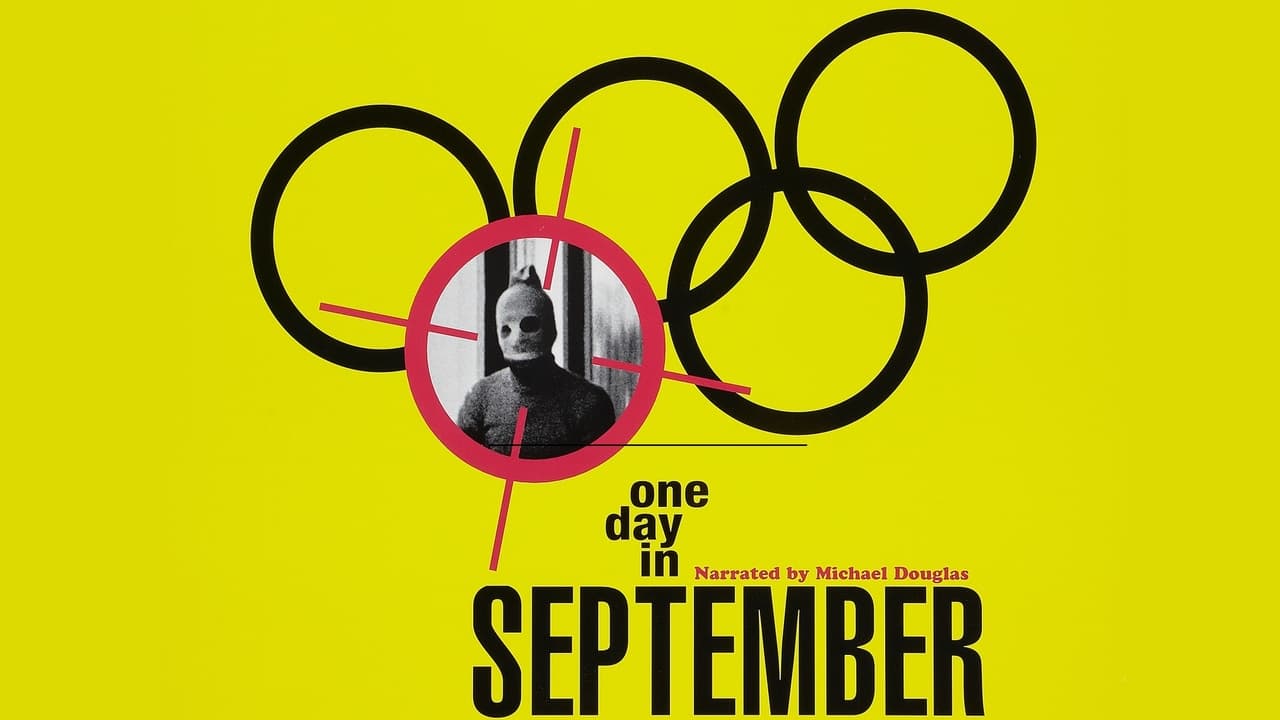
Some images burn themselves onto the collective retina, don't they? For anyone who lived through or learned about the 1972 Munich Olympics, the chilling photograph of a masked Black September terrorist peering over an apartment balcony is likely one of them. It’s an image that encapsulates the horrifying intrusion of real-world violence into an event meant to symbolize global unity. Kevin Macdonald's 1999 documentary, One Day in September, doesn't just revisit that image; it forces us to look beyond it, into the heart of the tragedy, the political machinations, and the human cost, leaving a residue that’s hard to shake off, even decades later. Watching it again now, perhaps on a format far removed from the crisp digital streams of today, feels like unearthing a stark, necessary piece of history that refuses to be softened by time.
### Beyond the Headlines
Unlike the slick, often sensationalized true-crime documentaries flooding our screens now, One Day in September possesses a raw, almost unfiltered quality that feels very much of its late 90s vintage. Macdonald, who would later give us films like The Last King of Scotland (2006) and Touching the Void (2003), constructs the narrative meticulously using archival footage – much of it startlingly immediate – and deeply personal interviews. The film plunges us directly into the optimistic atmosphere of the Munich games, deliberately designed to erase memories of the 1936 Berlin Olympics, only to shatter that carefully constructed image with the shocking pre-dawn raid on the Israeli athletes' quarters.
The pacing is deliberate, allowing the weight of the unfolding events to settle. We hear from victims' families, security officials, and journalists who were there, their recollections still sharp with pain, disbelief, and anger. There's Ankie Spitzer, widow of fencing coach Andre Spitzer, whose eloquent grief becomes a central emotional anchor. Her memories, combined with the often chaotic news footage, paint a devastating picture of incompetence, miscalculation, and the agonizingly slow realization of the horror playing out on a global stage. It challenges the viewer: how could this meticulously planned international event unravel so catastrophically?
### The Controversial Voice
What truly elevates One Day in September – and also sparked considerable debate upon its release – is the inclusion of an interview with Jamal Al-Gashey, the sole surviving terrorist involved in the attack who agreed to speak. Filmed partially obscured in shadow, his account is chilling precisely because it lacks overt remorse, presenting the massacre as a calculated act driven by political desperation. Securing this interview was a significant journalistic coup for Macdonald and his team, requiring immense persistence and navigating complex ethical terrain. Some critics questioned giving a platform to a perpetrator, but Macdonald uses it not for justification, but for a stark, unsettling glimpse into the mindset behind the violence. Al-Gashey’s presence forces a confrontation with the uncomfortable reality of the attackers' motivations, however reprehensible their actions. It’s a choice that undeniably gives the film its lasting power and journalistic weight.
The narration, provided almost clinically by Michael Douglas, is sparse but effective. His familiar voice lends a certain gravitas without ever becoming intrusive, allowing the archival material and the interviewees' testimonies to remain front and center. It’s a choice that reinforces the film’s focus on bearing witness rather than overt dramatization.
### Legacy in Celluloid
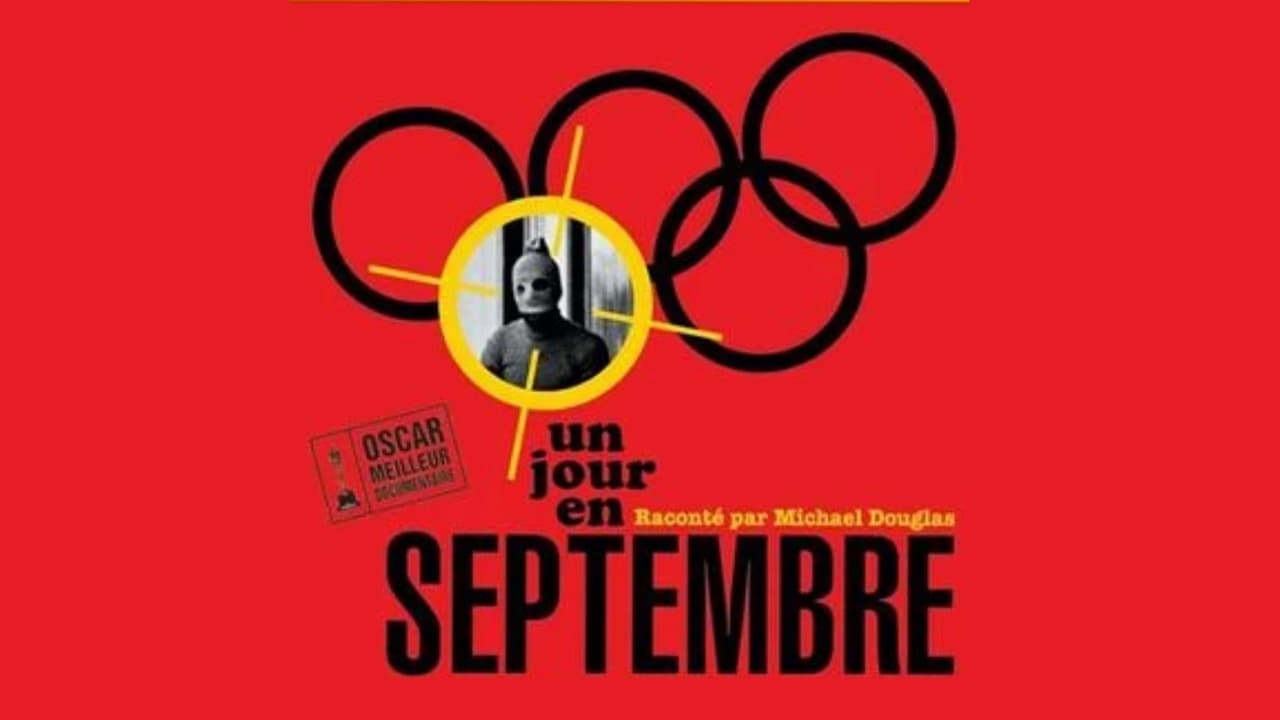
Winning the Academy Award for Best Documentary Feature, One Day in September certainly made an impact, though perhaps it never quite achieved the widespread household recognition of more mainstream documentaries. It arrived at a time when the format was gaining prestige but hadn't yet exploded into the streaming behemoth it is today. Finding this on a video store shelf back then might have felt different – less like entertainment, more like essential, if difficult, viewing. It stood apart from the action flicks and comedies, a stark black spine promising something far heavier.
The production wasn't without its hurdles. Beyond the sensitivity of the subject and the challenge of tracking down key figures like Al-Gashey, Macdonald had to weave together disparate sources – news reports, home movies, official documents – into a coherent, emotionally resonant narrative. The film also doesn't shy away from criticizing the German authorities' handling of the crisis, presenting evidence of poor planning and fatal errors during the botched rescue attempt at Fürstenfeldbruck airbase. This unflinching look at systemic failure is part of what makes the documentary so vital. It’s not just about the terrorists' actions, but about the response, and the tragic consequences of underestimation and disorganization.
Rating: 9/10
One Day in September earns its high rating through its journalistic rigor, its powerful use of archival material, and its willingness to confront difficult truths, including securing that controversial key interview. It masterfully balances historical recounting with profound human emotion, never losing sight of the individuals shattered by the events. The pacing is excellent, the editing sharp, and Macdonald’s direction assured, creating a documentary that feels both immediate and timelessly relevant. It’s a harrowing but essential watch, a potent reminder of the fragility of peace and the devastating consequences when ideology curdles into violence.
Decades later, the questions raised by that single, horrifying day in September 1972 continue to echo. This film doesn't offer easy answers, but ensures we never forget the questions themselves, or the faces of those lost.