Sometimes, tucked away on the dusty 'World Cinema' shelf of the local video store, nestled perhaps between a well-worn copy of Cinema Paradiso (1988) and maybe a brighter, more accessible French comedy, you'd stumble upon a cover that promised something... different. Something intense. The stark artwork for Jean-Pierre and Luc Dardenne's 1999 Palme d'Or winner, Rosetta, was exactly that kind of signal flare. This wasn't going to be background noise while you folded laundry. This was a film that demanded your attention, grabbed you by the collar, and refused to let go until the abrupt, startling cut to black.
An Unflinching Gaze
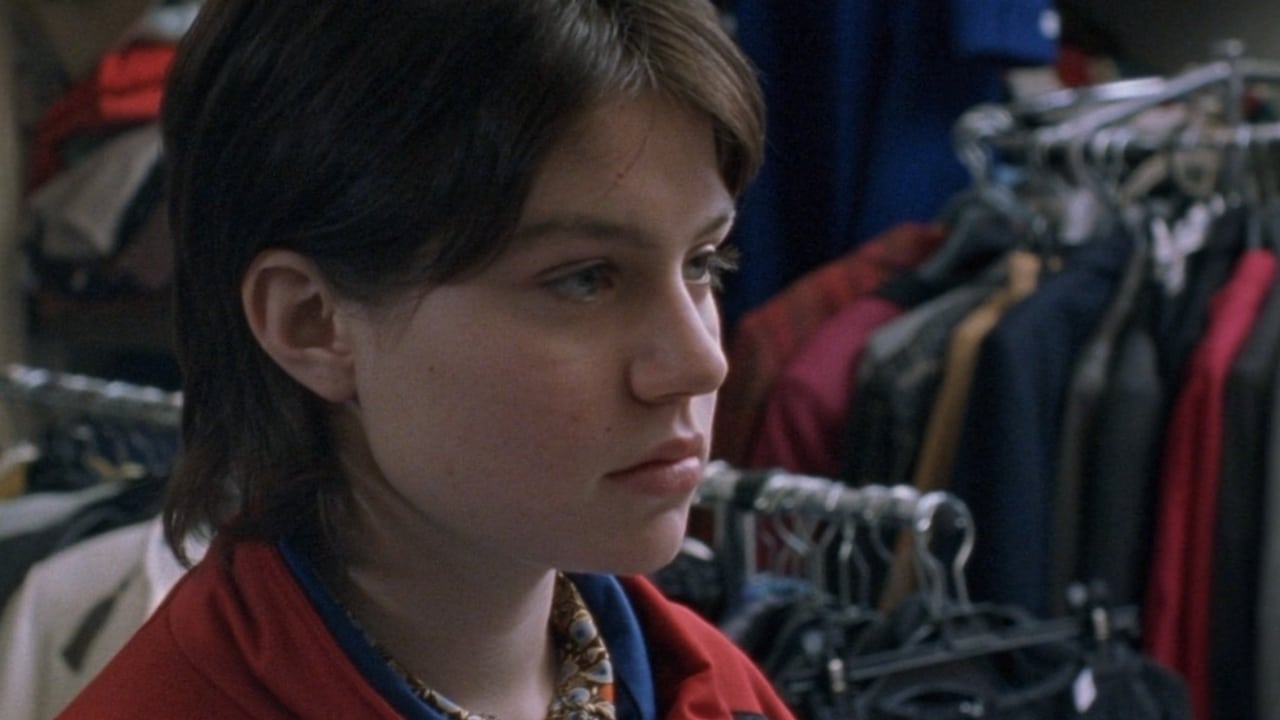
What strikes you immediately, even revisiting it now decades later, is the sheer, unrelenting proximity. The Dardenne brothers' signature handheld camera work isn't just a stylistic choice here; it’s a visceral embodiment of the protagonist's claustrophobic reality. We are constantly shoulder-to-shoulder, often literally looking over the shoulder of Rosetta, played with astonishing, raw ferocity by a then-unknown Émilie Dequenne in her debut role. We feel her panicked breathing, her desperate movements, the mud clinging to her worn boots as she navigates the grim periphery of Seraing, Belgium. There's no establishing shot offering comfortable distance, no soaring score telling us how to feel. We are simply there, trapped in her relentless present tense.
Rosetta wants one thing: a job. Not a career, not fulfillment, just work. A means to escape the squalor of the trailer park she shares with her alcoholic mother (Anne Yernaux), a way to achieve what she calls "a normal life." This singular focus drives the narrative with the force of a locomotive. She fights, she scrapes, she betrays, she endures humiliations large and small, all in pursuit of this basic human need. The film doesn't judge her methods, even the morally questionable ones; it simply presents her struggle as a primal fact of survival.
The Power of Presence
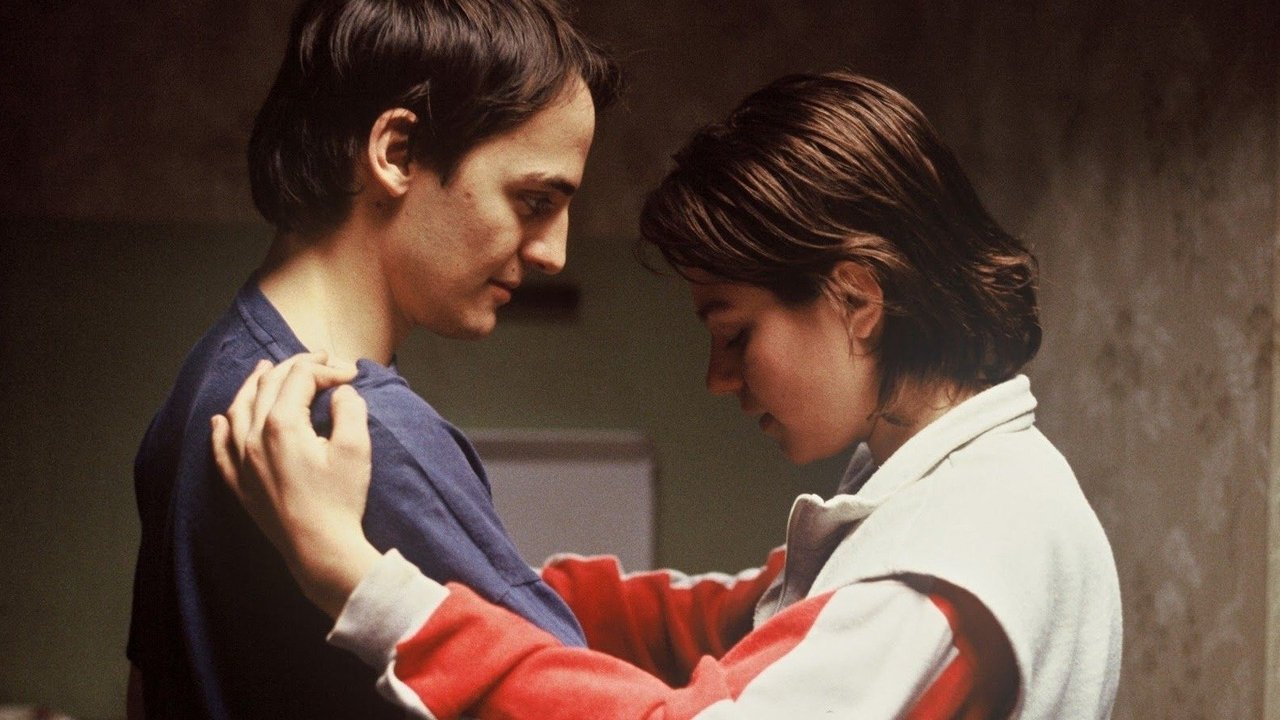
Émilie Dequenne's performance is nothing short of a revelation. It's a physical, almost feral portrayal devoid of vanity or sentimentality. Her face, often set in a determined scowl, flickers with vulnerability only in fleeting moments. She carries the weight of the film entirely, her energy propelling the narrative forward even when the plot itself seems to circle familiar bleak territory – losing a job, finding another precarious one, the constant threat of instability. It’s a testament to her talent, and the Dardennes' direction, that we remain utterly invested in her plight. Her win for Best Actress at Cannes that year, alongside the film's Palme d'Or, felt not just deserved, but essential. It was a recognition of a performance that felt less like acting and more like bearing witness.
Interestingly, the film’s impact extended beyond the cinema. Its stark portrayal of youth unemployment and precarious work resonated so strongly in Belgium that it directly led to new legislation protecting young workers' rights, informally known as the "Rosetta Plan." How often can a film claim such tangible, real-world influence? It's a powerful reminder of cinema's potential to not just reflect reality, but to actively shape it.


Beyond the Grit
While the film is undeniably tough viewing, it's not solely about misery. There's a stubborn resilience in Rosetta, a refusal to surrender that is, in its own way, deeply compelling. Her brief, complicated friendship with Riquet (Fabrizio Rongione, a Dardenne regular), a fellow worker who offers kindness, provides glimmers of warmth and humanity amidst the harshness. Their interactions, particularly around the waffle stand Riquet operates, offer moments of tentative connection, making Rosetta’s later choices even more complex and heart-wrenching. The Dardennes masterfully avoid easy emotional cues, forcing us to grapple with the complexities of human behaviour under extreme duress. Does desperation justify betrayal? Can dignity coexist with base survival instincts?
Watching Rosetta today, removed from the specific context of its late-90s release, its themes feel depressingly timeless. The fight for economic stability, the dehumanizing nature of poverty, the razor's edge between persistence and despair – these are struggles that continue to define countless lives. The film doesn't offer solutions, only a stark, unblinking portrait of the struggle itself.

***
Rating: 9/10
Rosetta earns this high score for its uncompromising vision, the sheer force of Émilie Dequenne's central performance, and the Dardenne brothers' masterful control of their distinctive cinematic language. The handheld immediacy creates an experience that is both exhausting and unforgettable, plunging the viewer directly into the character's desperate fight for normalcy. While its bleakness makes it a challenging watch, its raw honesty, social relevance (even leading to legislative change), and profound empathy elevate it far beyond mere miserabilism. It's a vital piece of late-20th-century filmmaking that stays with you, a persistent echo in the quiet moments long after the tape has ejected. What does it truly mean, the film asks without asking, to simply have a place in the world?