There's a chill that settles deep in the bones when watching Nagisa Ōshima's final film, Taboo (Gohatto). It's not the winter cold of 1865 Kyoto, where the story unfolds within the rigid confines of the Shinsengumi militia, but something more profound, more unsettling. Released in 1999, it arrived like a ghost from a different cinematic era, a challenging, deliberate work from a master filmmaker who had been silent for over a decade. Finding this on a shelf, perhaps a late-era VHS or an early DVD import, felt like uncovering a secret – a far cry from the usual action fare, demanding attention and contemplation.
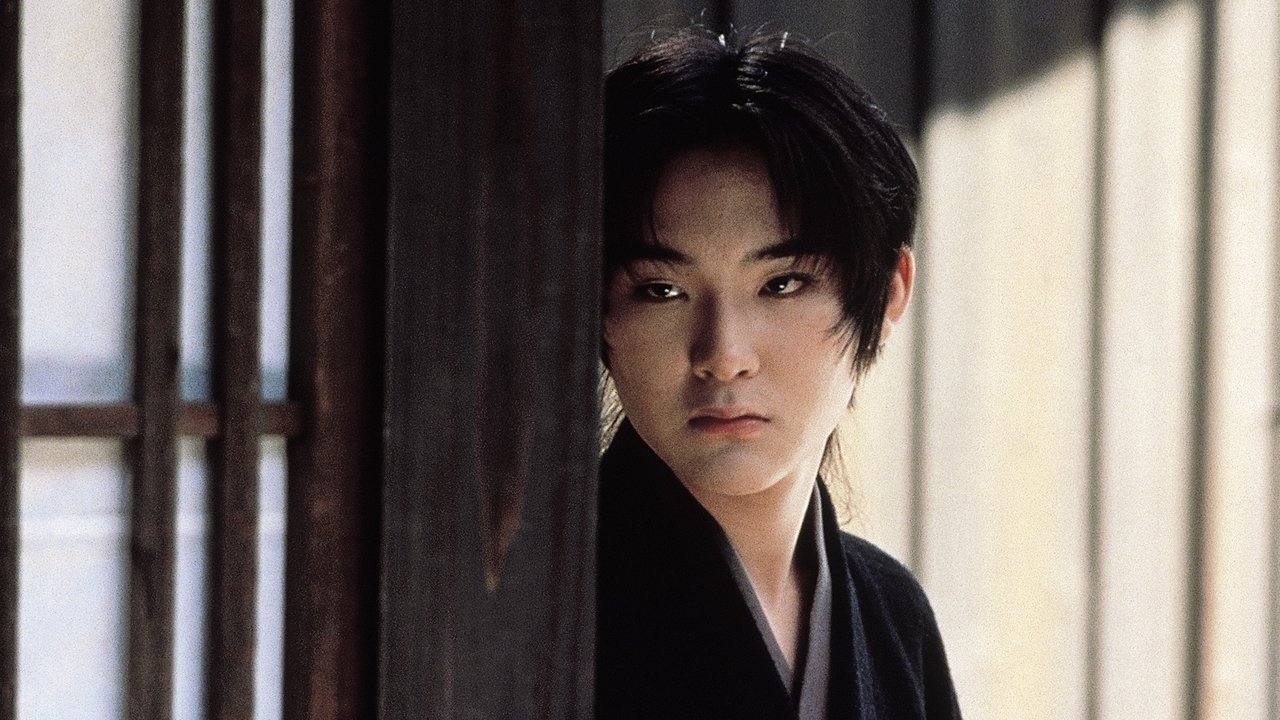
A Different Kind of Samurai Story
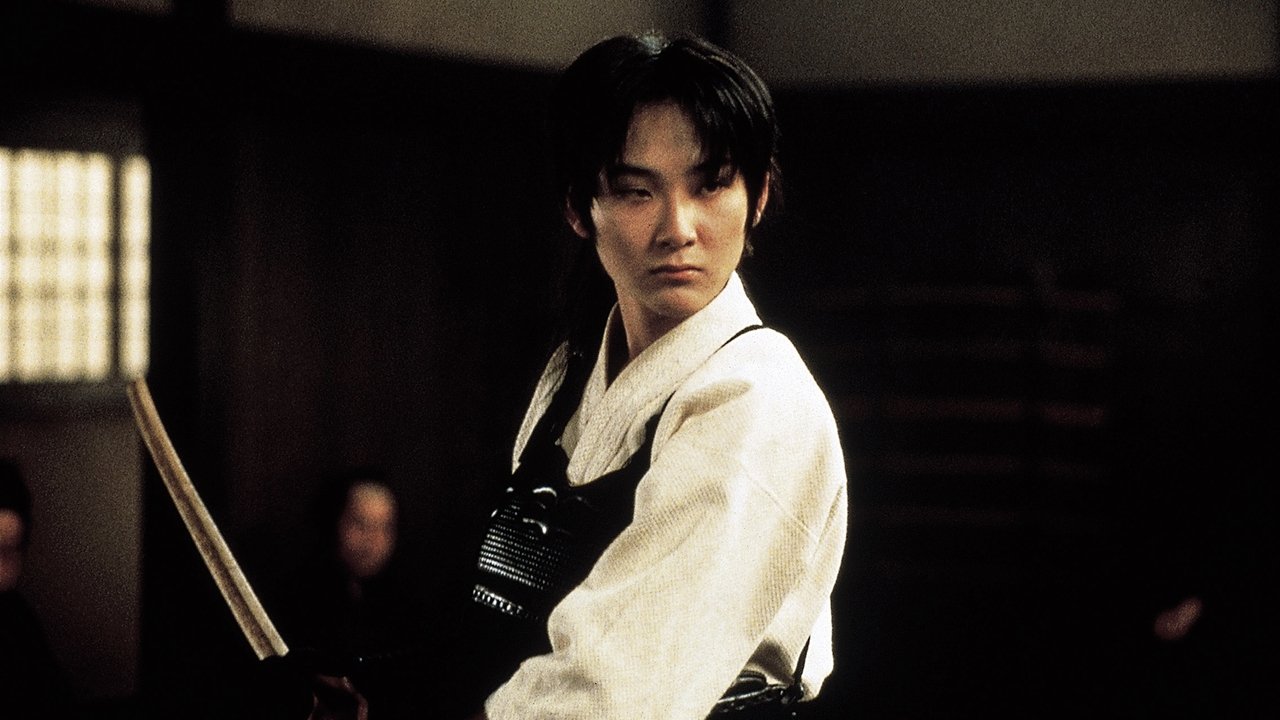
Forget the lightning-fast sword fights and heroic charges often associated with the jidaigeki genre. Taboo is a film concerned with the unsaid, the glances held too long, the simmering tensions beneath the surface of absolute discipline. It introduces us to the Shinsengumi, a special police force loyal to the Shogunate, as they recruit new warriors. Among them is the impossibly beautiful, almost ethereal Sozaburo Kano, portrayed by newcomer Ryuhei Matsuda in a truly magnetic debut performance. Kano possesses exceptional swordsmanship, but it’s his androgynous allure that sends ripples of disruption through the hyper-masculine, rigorously ordered world of the samurai barracks.
Ōshima, never one to shy away from transgression – his filmography includes the notoriously explicit In the Realm of the Senses (1976) and the complex POW drama Merry Christmas, Mr. Lawrence (1983) – uses Kano's presence to dissect the unspoken homoerotic currents and repressed desires within this brotherhood of warriors. The film isn't overtly explicit in the way some of Ōshima's earlier work was, but the tension is palpable, humming beneath every formal interaction and shared training session.
Eyes That See Too Much
The drama unfolds largely through the watchful eyes of Captain Toshizo Hijikata, played with understated gravitas by the legendary Takeshi Kitano. Kitano, known for his own stoic, often violent directorial efforts (Sonatine, Hana-bi), is perfectly cast here. His Hijikata is observant, pragmatic, burdened by the potential chaos Kano represents. He watches the young samurai attract the attention of fellow recruits, particularly the intense Tashiro (Tadanobu Asano), and senses the danger brewing. Alongside him is the perceptive, consumptive Lieutenant Soji Okita (Shinji Takeda), whose quiet knowing adds another layer to the intrigue. Their performances are studies in restraint, conveying volumes through stillness and subtle shifts in expression. Doesn't Kitano's world-weary gaze seem to hold the weight of the entire crumbling era?
Ōshima's Swan Song: Deliberate and Haunting
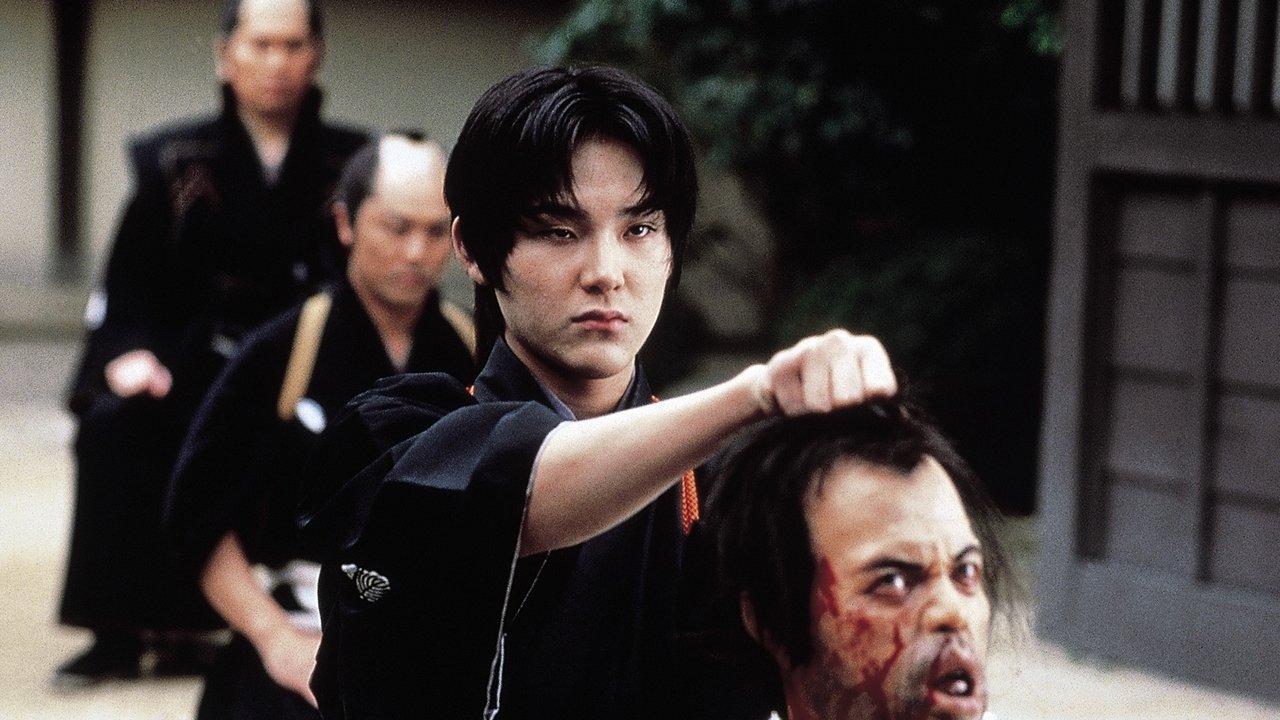
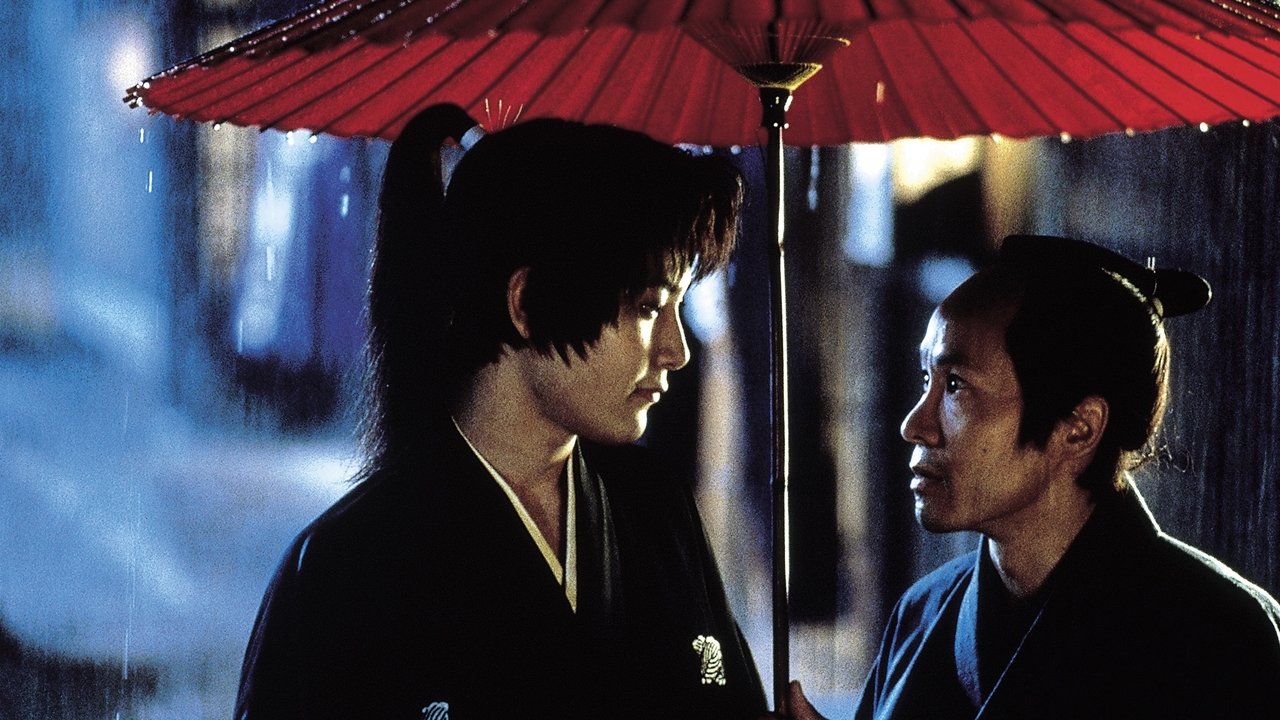
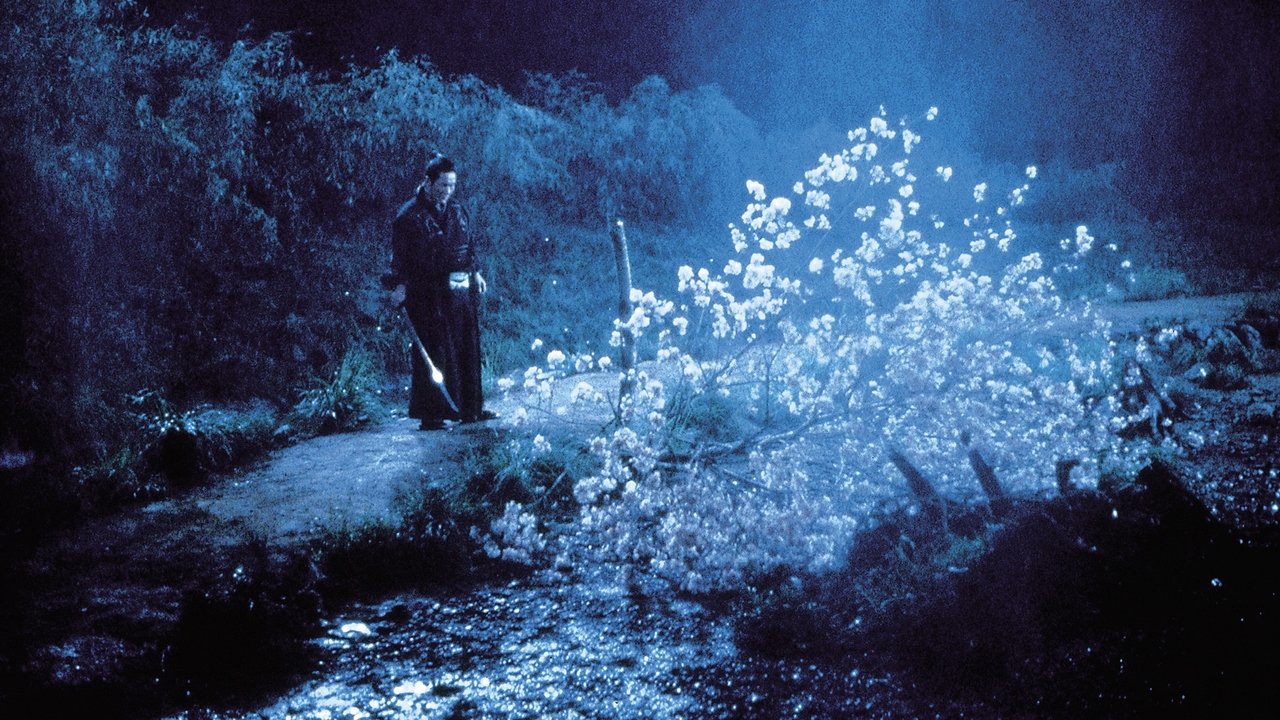
Knowing this was Nagisa Ōshima's final film, completed after a long recovery from a stroke that had kept him from directing since 1986, adds a poignant layer to the viewing. You can feel the deliberate control in every frame. The pacing is measured, almost meditative, allowing the atmosphere to build. Ōshima uses static shots, formal compositions, and a score by Ryuichi Sakamoto (who also scored Merry Christmas, Mr. Lawrence) that blends traditional Japanese elements with unsettling modern tones. This isn't a film that rushes; it invites you to observe, to feel the oppressive weight of tradition and the dangerous allure of the forbidden.
It’s fascinating to learn that Ryuhei Matsuda was only 15 or 16 during filming, handpicked by Ōshima for his unique look, embodying the dangerous beauty the role required. His lack of prior acting experience almost works in his favor, lending Kano an enigmatic, almost passive quality that makes him a perfect vessel for the projections and desires of those around him. The film itself is based on two novellas by Ryōtarō Shiba, focusing on the historical Shinsengumi, but Ōshima bends the historical account towards his thematic obsessions. This wasn't a massive budget production aiming for epic scale; its power lies in its intimacy and psychological depth.
The Unspoken Echoes
Taboo doesn't offer easy answers. It explores the destructive nature of jealousy, the hypocrisy that can fester beneath codes of honor, and the disruptive power of beauty and desire in a closed, violent society. The ambiguity surrounding Kano's own feelings and motivations lingers long after the credits roll. Is he an innocent catalyst, a manipulative force, or something in between? The film forces us to confront the complexities of human nature, even within the stylized setting of feudal Japan.
It’s a challenging piece, certainly not the kind of movie you’d throw on for casual viewing. It demands patience and engagement. But for those willing to meet it on its terms, Taboo offers a rich, haunting experience. It’s a stark reminder of Ōshima’s unique voice in cinema – provocative, intelligent, and unafraid to explore the darkest corners of the human psyche. Seeing it again now evokes memories of seeking out those more difficult, rewarding films hidden away in the 'World Cinema' section of the video store, treasures waiting to be discovered.
Rating: 8.5/10
Justification: Taboo earns its high rating through Ōshima's masterful direction, creating an almost unbearably tense atmosphere with deliberate pacing and striking visuals. The performances, particularly Matsuda's captivating debut and Kitano's stoic presence, are superb. While its slow burn and ambiguity might deter some, the film's profound exploration of forbidden desire, repression, and violence within a unique historical context makes it a powerful and unforgettable work. It stands as a demanding but deeply rewarding final statement from a cinematic titan.
Final Thought: What remains long after watching is the chill – the unsettling beauty of Kano, the silent complicity of the observers, and the cold finality of tradition confronting the taboo. A truly haunting piece of late 90s cinema.