It’s a rare thing, isn't it? When a film feels less like a constructed narrative and more like stumbling into a private, long-simmering argument between old friends in the dead of night. That’s the immediate, almost uncomfortable intimacy of Al Pacino’s Chinese Coffee. Released quietly in 2000 after years on the shelf, this wasn't the kind of film you'd typically find dominating the New Releases wall at Blockbuster. It felt more like a secret whispered between cinephiles, a discovery tucked away on a lower shelf in the drama section, waiting for someone willing to bypass the explosions and chase scenes for something far more raw and exposed.
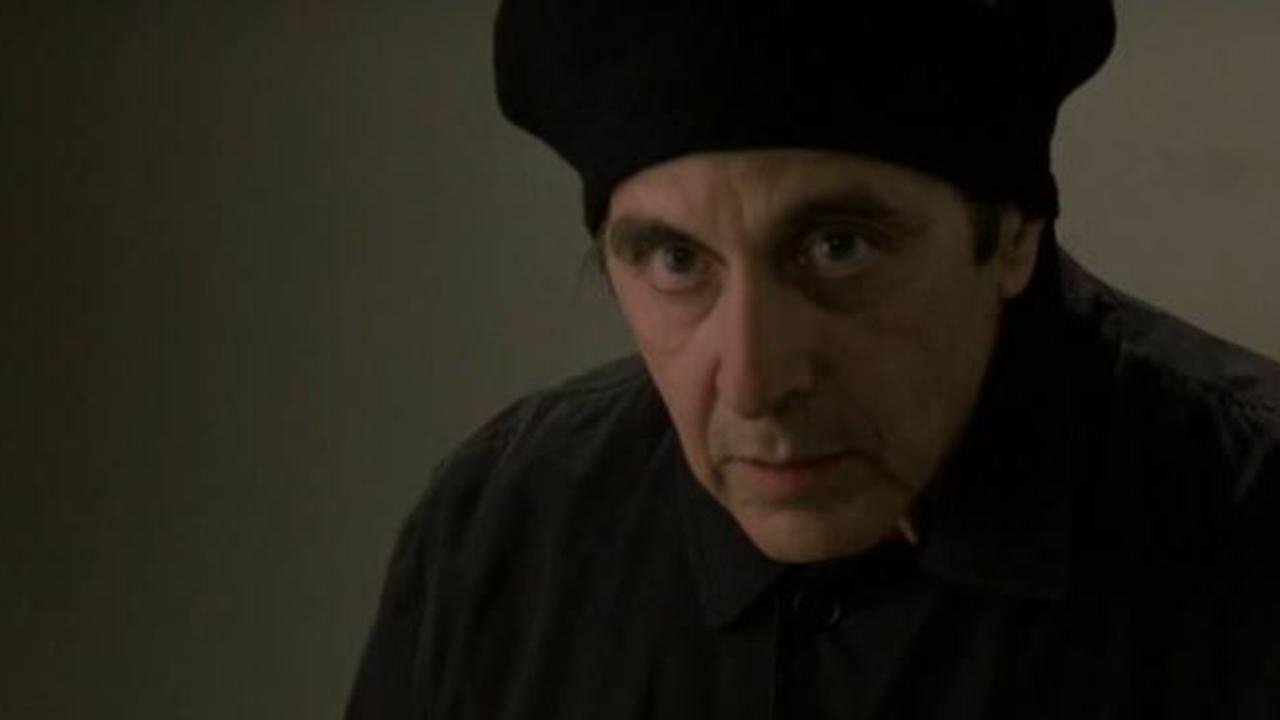
From Stage to Screen, A Passion Project
The journey of Chinese Coffee to the screen is almost as fraught as the relationship it depicts. Based on a play by Ira Lewis, Pacino himself had performed the role of Harry Levine on stage years earlier. His connection to the material clearly ran deep, deep enough for him to step behind the camera for only the second time (following 1996's fascinating docu-drama Looking for Richard) and, significantly, to largely self-finance the project. Filmed back in 1997, it wouldn't see the light of day until festival screenings in 2000, eventually finding its audience primarily through home video and later streaming – a testament, perhaps, to Pacino’s commitment to seeing this intensely personal story told, regardless of commercial prospects. This wasn't about chasing box office gold; it felt like an artist needing to exorcise something.
One Night, Two Souls, Infinite Resentment
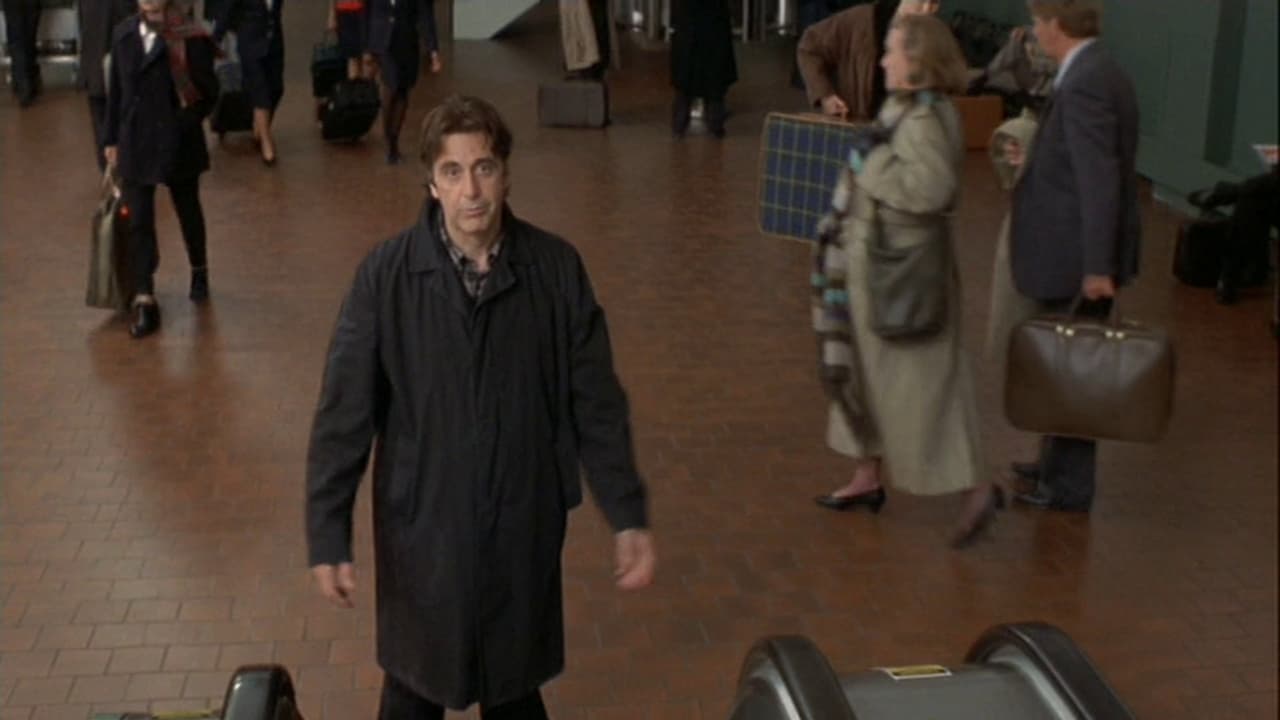
The premise is deceptively simple: Harry Levine (Al Pacino), a perpetually struggling novelist, arrives desperate and drenched at the Greenwich Village apartment of his old friend, photographer Jake Manheim (Jerry Orbach), late one night. Harry believes Jake owes him money; Jake is evasive, defensive. But the real currency being exchanged isn't cash. It’s decades of shared history, artistic rivalry, disappointment, and betrayal, all centered around Harry's latest manuscript – a thinly veiled account of their complex friendship, which Jake has read and whose judgment Harry desperately, fearfully awaits.
What unfolds is essentially a two-hour, real-time verbal boxing match. The apartment becomes an arena where words are jabs, hooks, and devastating uppercuts. Pacino, as director, wisely keeps the focus tight, letting the claustrophobia of Jake’s cramped apartment mirror the characters' emotional confinement. The camera rarely strays far from their faces, forcing us to confront every flicker of anger, vulnerability, and weariness. It’s less cinematic in the traditional sense and more theatrical, honoring its stage roots. Some might find the static nature challenging, but it undeniably serves the material, amplifying the intensity of the confrontation.
A Masterclass in Weary Combat
And what a confrontation it is. Pacino delivers a performance simmering with the kind of desperate, agitated energy he’s known for, but tempered here with the profound exhaustion of a man who’s been fighting gravity his whole life and suspects he’s finally losing. Harry is all nervous tics, pleading arguments, and sudden bursts of rage – a live wire frayed by failure. It’s a fascinating, raw performance, perhaps one of his most vulnerable.
Yet, the revelation, the absolute anchor of the film, is Jerry Orbach. Known to millions as the wry Detective Lennie Briscoe from Law & Order, seeing him here is a potent reminder of his incredible dramatic range. As Jake, Orbach is magnificent. He embodies a different kind of defeat – quieter, more internalized, etched onto his face like the lines on an old photograph. His Jake is pragmatic, wounded, guarded, capable of both deep affection and startling cruelty towards Harry. The chemistry between Pacino and Orbach, reportedly friends in real life for decades, crackles with authenticity. You believe these men have known, loved, and resented each other for a lifetime. Their exchanges feel less like scripted dialogue and more like carefully aimed barbs honed over years of painful familiarity. It’s a performance that makes you lament Orbach didn’t get more cinematic roles showcasing this depth late in his career.
The Bitter Taste of Art and Failure
Beneath the recriminations and financial squabbles, Chinese Coffee digs into uncomfortable truths about the artistic life – the compromises, the ego, the gnawing fear of mediocrity, and the terrible cost of pouring your soul onto the page (or film). What happens when your life is your only material? What right do you have to expose the lives of others, especially those closest to you, in the name of art? The film doesn't offer easy answers, leaving the viewer to ponder the wreckage left behind when friendship and ambition collide. Doesn't that struggle, the tension between personal loyalty and artistic necessity, feel eternally relevant?
It’s not a perfect film. The relentless talkiness and contained setting can feel stagey at times, and its bleakness offers little respite. It demands patience and a willingness to sit with deeply flawed characters locked in a painful embrace. This isn't a casual watch; it’s an emotional investment.
Rating: 7.5/10
Chinese Coffee earns its score primarily through the sheer force of its two central performances and the unflinching honesty of its script. Pacino’s direction, while perhaps not visually dynamic, effectively serves the actors and the claustrophobic intensity of the story. It’s a demanding piece, lacking the commercial appeal of Pacino’s bigger hits, but its power lies in its raw, unvarnished portrayal of a friendship imploding under the weight of artistic dreams and human failings.
It remains a unique entry in Pacino's filmography – a challenging, intimate, and ultimately unforgettable brew, best savored late at night, perhaps with a strong cup of coffee of your own, pondering the ghosts of friendships past and the sacrifices made for a story.