It arrives sometimes like a scent on the wind – a memory of a performance so total, so transformative, it redraws an actor in your mind. For many of us who slid that well-worn VHS tape into the VCR back in the early 90s, Al Pacino's turn in Scent of a Woman (1992) was exactly that. It wasn't just the volcanic outbursts, the famous "Hoo-ah!", but the profound vulnerability flickering beneath the surface of Lieutenant Colonel Frank Slade, a man adrift in darkness, both literal and metaphorical.
An Unlikely Pairing, An Unforgettable Weekend
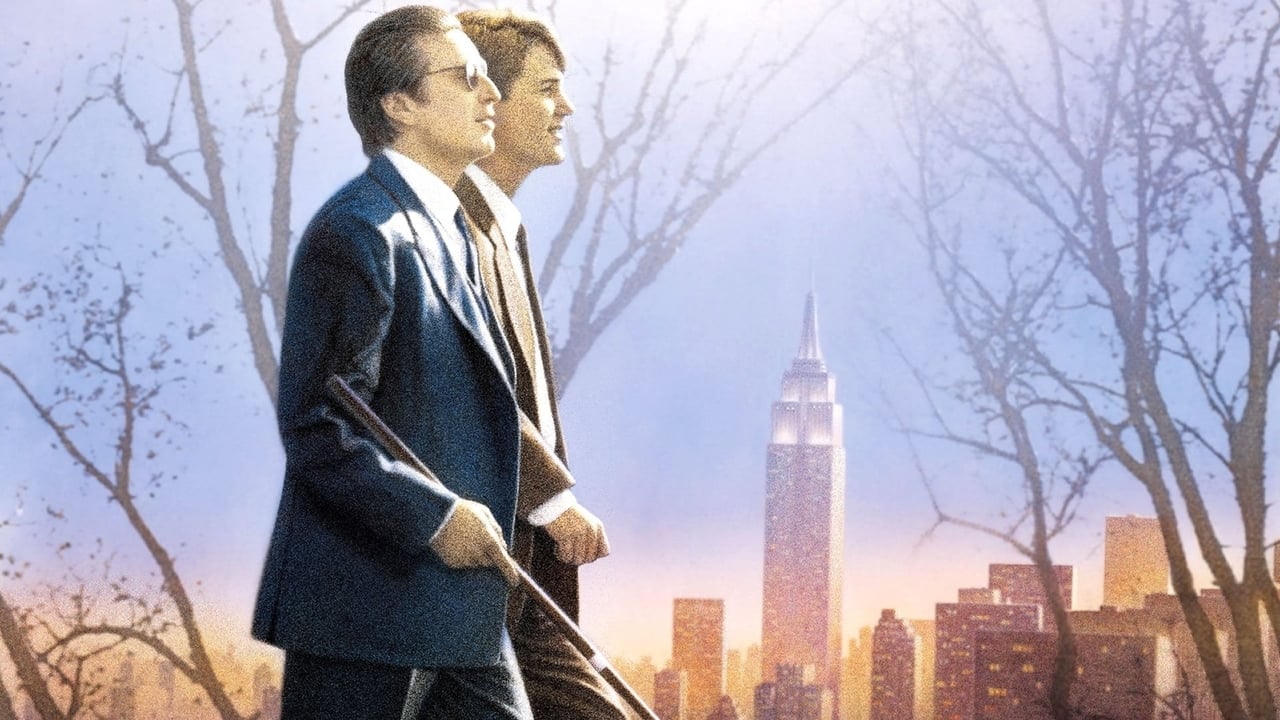
The setup, penned by the great Bo Goldman (adapting Giovanni Arpino's novel Il buio e il miele and its 1974 Italian film predecessor, Profumo di donna), feels almost like a classic odd couple scenario, albeit one steeped in melancholy rather than outright comedy. Charlie Simms (Chris O'Donnell) is a scholarship student at the prestigious Baird School, a world away from his Oregon roots. He's earnest, principled, and facing a moral dilemma that could derail his future. Needing cash, he takes a job over Thanksgiving weekend: chaperoning the blind, irascible, and often drunk retired Army Colonel Frank Slade. Frank’s family wants a babysitter; Frank, however, has a meticulously planned, potentially final, blowout trip to New York City in mind.
What unfolds is less a simple road trip and more a compressed, intense education in life's messy splendors and deep disappointments. Director Martin Brest, known then for high-energy hits like Beverly Hills Cop (1984) and Midnight Run (1988), shifts gears here, allowing the film its considerable length (nearly two and a half hours – a commitment on VHS!) to let moments breathe and relationships develop organically. Brest’s patient, sometimes exacting style gives the narrative space, focusing intently on the actors.
"Hoo-ah!": More Than a Catchphrase
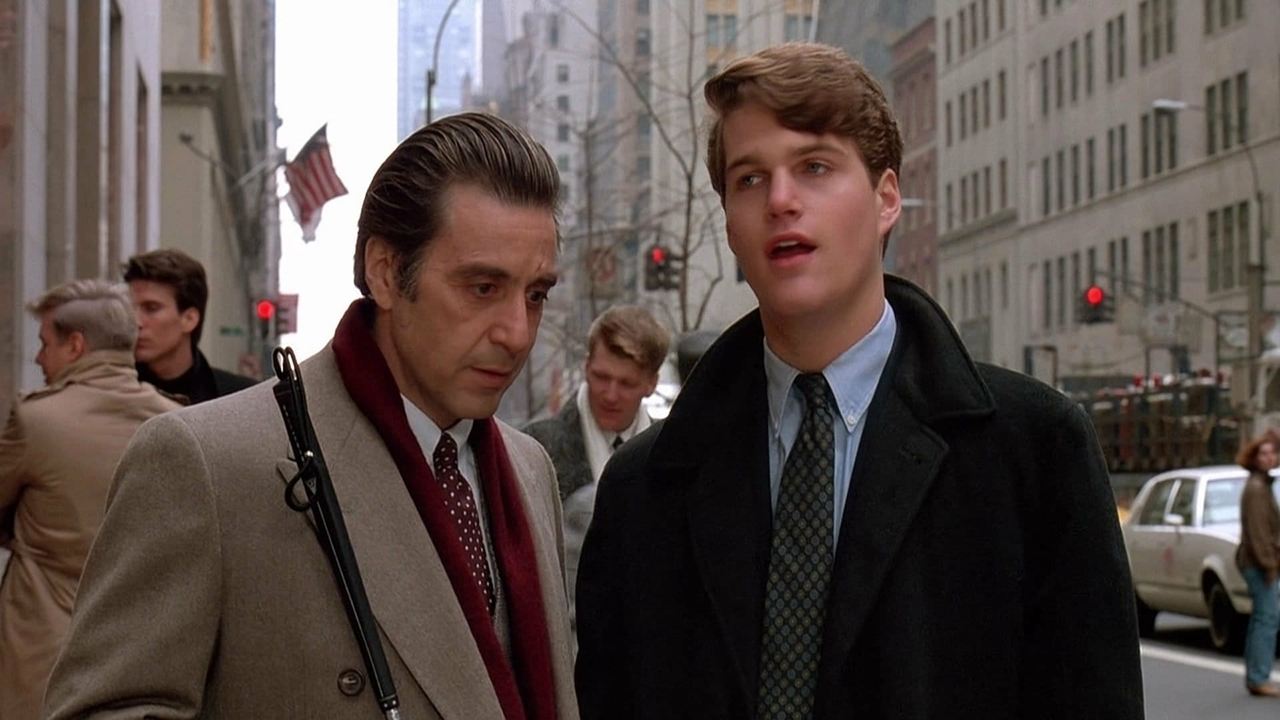
Let's be clear: Al Pacino is this movie. Coming off a string of iconic roles but still chasing that elusive Best Actor Oscar after seven previous nominations, he finally seized it here, and deservedly so. It’s a performance that could easily tip into caricature – the booming voice, the imperious demands, the defiant embrace of life's sensory pleasures despite his blindness. Pacino reportedly spent considerable time with organizations for the visually impaired and employed a technique of staring past objects, never allowing his eyes to focus, lending an unnerving authenticity to Frank's condition.
But the brilliance lies deeper than the mannerisms. Pacino captures the crippling despair beneath the bravado, the terror of obsolescence, the simmering rage of a man who feels life has dealt him an unbearable hand. Watch his face when he’s momentarily lost his bearings, or the flicker of genuine connection when Charlie pushes back. It’s a portrayal of profound pain masked by aggressive indulgence. That famous "Hoo-ah!" becomes less a quirky exclamation and more a defiant roar against the encroaching silence.
Finding Character in the Grey Areas
Chris O'Donnell, fresh-faced and radiating integrity, serves as the perfect foil and audience surrogate. His Charlie isn't merely passive; he develops a quiet strength, learning to navigate Frank's moods while holding onto his own moral compass. The central conflict back at Baird – whether to inform on classmates to save his own Harvard prospects – provides the thematic backbone. What is character? What does integrity cost? Frank, surprisingly, becomes Charlie’s fiercest advocate on this front.
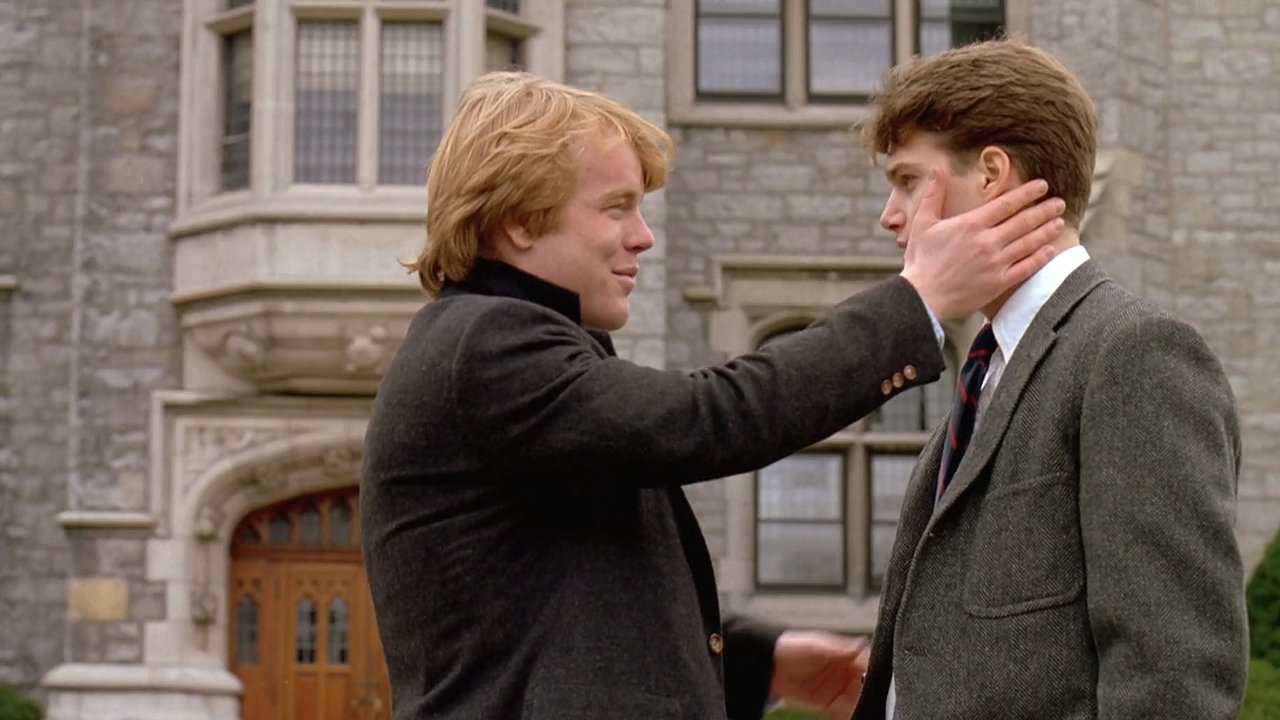
The supporting cast shines in brief but memorable moments. A young, almost unrecognizable Philip Seymour Hoffman brings a privileged smarm to George Willis, Jr., the student trying to pressure Charlie. There were stories that Hoffman and Pacino initially had some friction on set, which perhaps only added to the palpable tension in their scenes – though Pacino later spoke highly of the future acting titan. And who could forget the luminous Gabrielle Anwar in the film's most celebrated sequence? The tango scene, set to Carlos Gardel's haunting "Por una Cabeza," is pure movie magic. Neither Anwar nor Pacino were trained tango dancers; they reportedly rehearsed intensely for two weeks to capture that spontaneous grace, a fleeting moment of beauty and connection amidst Frank's planned descent.
Navigating the Extravagance and Emotion
The film isn't without its indulgences. The New York trip feels impossibly luxurious (funded how, exactly?), the Ferrari joyride pushes credulity (though reportedly filmed with a mix of Pacino and stunt drivers, a technical challenge given the character's blindness), and the runtime could arguably have been trimmed. Yet, these elements also serve Frank's character – his desire to taste life fully one last time, consequences be damned. It cost around $31 million back then (roughly $63 million today) but clearly resonated, pulling in over $134 million worldwide (around $275 million adjusted).
The production wasn't always smooth; Brest was known for his meticulousness, sometimes demanding numerous takes, particularly for the emotionally charged scenes. This dedication pays off, however, especially in the film’s powerful climax.
The Verdict at Baird
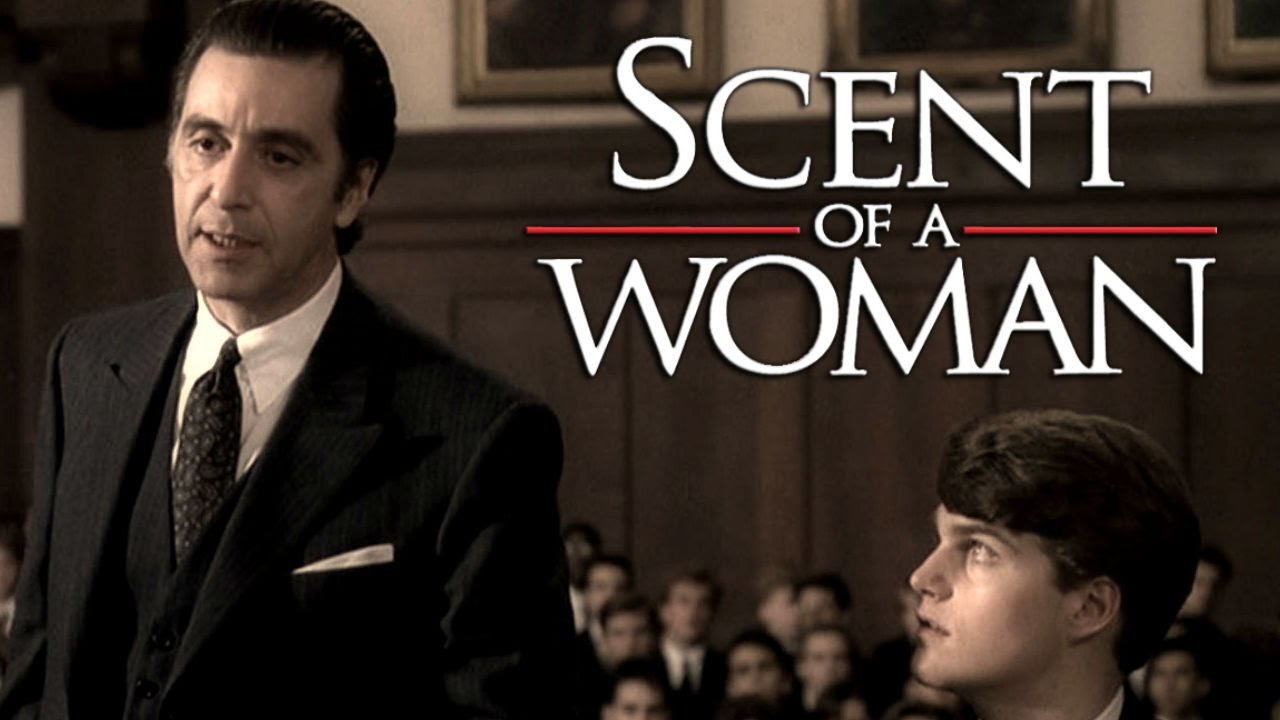
Spoiler Alert! (Though, surely, most VHS Heaven readers know this one...) The disciplinary hearing scene at Baird is the film's emotional crescendo. Frank’s impassioned defense of Charlie is a masterclass in rhetoric and raw emotion, a blistering indictment of compromised principles.
"I'm not a judge or jury, but I can tell you this: he won't sell anybody out to buy his future! And that, my friends, is called integrity. That's called courage. Now that's the stuff leaders should be made of."
It’s a powerhouse moment, arguably one of the great movie speeches, delivered by Pacino with a conviction that silences the room – and likely had living rooms across the country rapt back in the day. It's here the film lays its cards on the table, championing honor even when it's the harder path.
Rating: 8.5/10
Scent of a Woman walks a fine line between heartfelt drama and grand sentimentality. Its length and occasional extravagance might test some viewers today. However, anchored by Al Pacino's monumental, Oscar-winning performance and Chris O'Donnell's earnest counterpoint, it achieves a surprising depth. The exploration of integrity, despair, mentorship, and the unexpected ways human connection can pull us back from the brink resonates powerfully. Director Martin Brest crafts moments of genuine cinematic beauty (that tango!), and Bo Goldman's script provides the sturdy framework for Pacino's unforgettable character study. It earns its emotional payoffs, sometimes through sheer force of will, much like Frank Slade himself.
What lingers most, long after the VCR heads stopped spinning, isn't just the "Hoo-ah!" It's the quiet understanding that passes between two vastly different souls, a reminder that sometimes, showing someone else the way forward is the only way to find your own path out of the dark.