It began, as so many artistic endeavours do, with an obsession. Not just Jackson Pollock’s obsession with paint, with the very act of creation spilling onto the canvas, but Ed Harris’s decade-long fixation with bringing the turbulent life of the abstract expressionist to the screen. Seeing "Pollock" back around its 2000 release, perhaps on one of those final trips to Blockbuster before the DVD tide fully turned, felt like witnessing something intensely personal, a project willed into existence through sheer force of conviction. And watching it again now, that conviction still radiates from every frame.
More Than Splattered Paint
What strikes you immediately about "Pollock" isn't just the uncanny physical resemblance Harris achieves (aided by makeup, yes, but anchored by his posture and intensity), but the way the film bypasses simple imitation. This isn't just a highlight reel of artistic breakthroughs and drunken breakdowns. Harris, pulling double duty as star and director (a Herculean task for any film, let alone a passion project tackling such a complex figure), delves into the gnawing insecurity, the desperate need for validation, and the raw, almost primal energy that fuelled Pollock's work. You see the struggle, the doubt, the sudden bursts of inspiration – it feels less like acting and more like channeling.
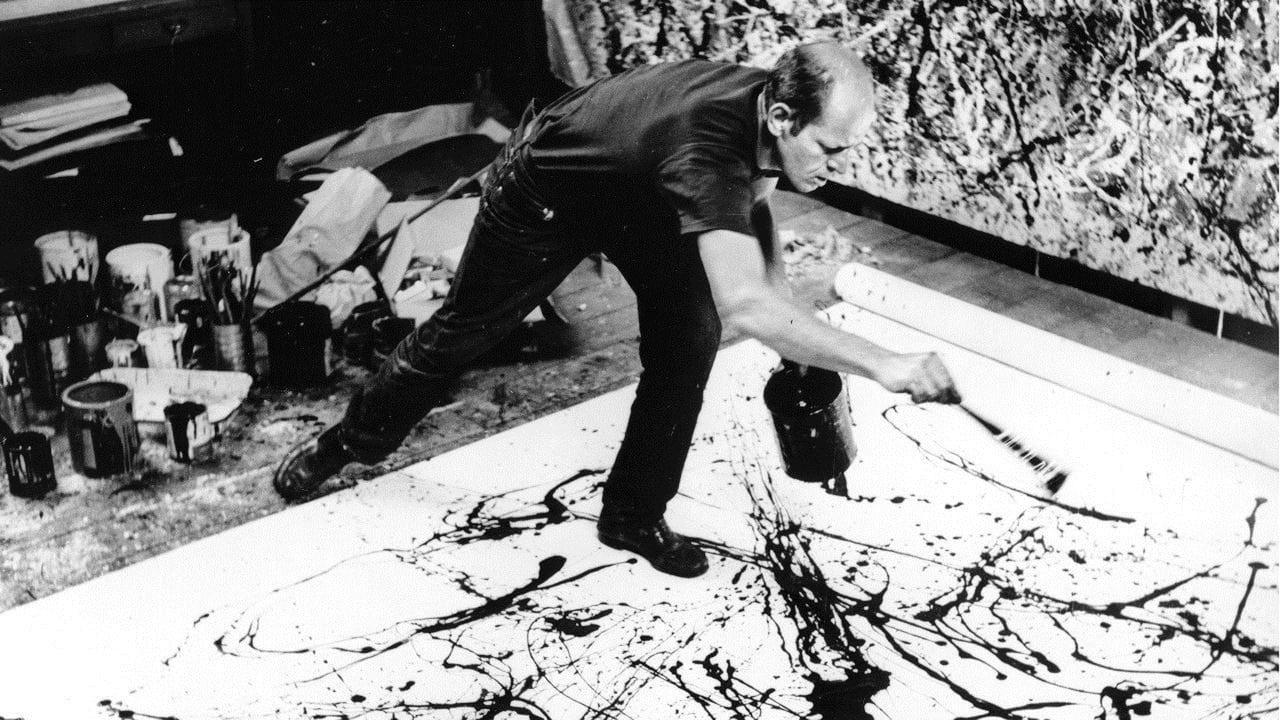
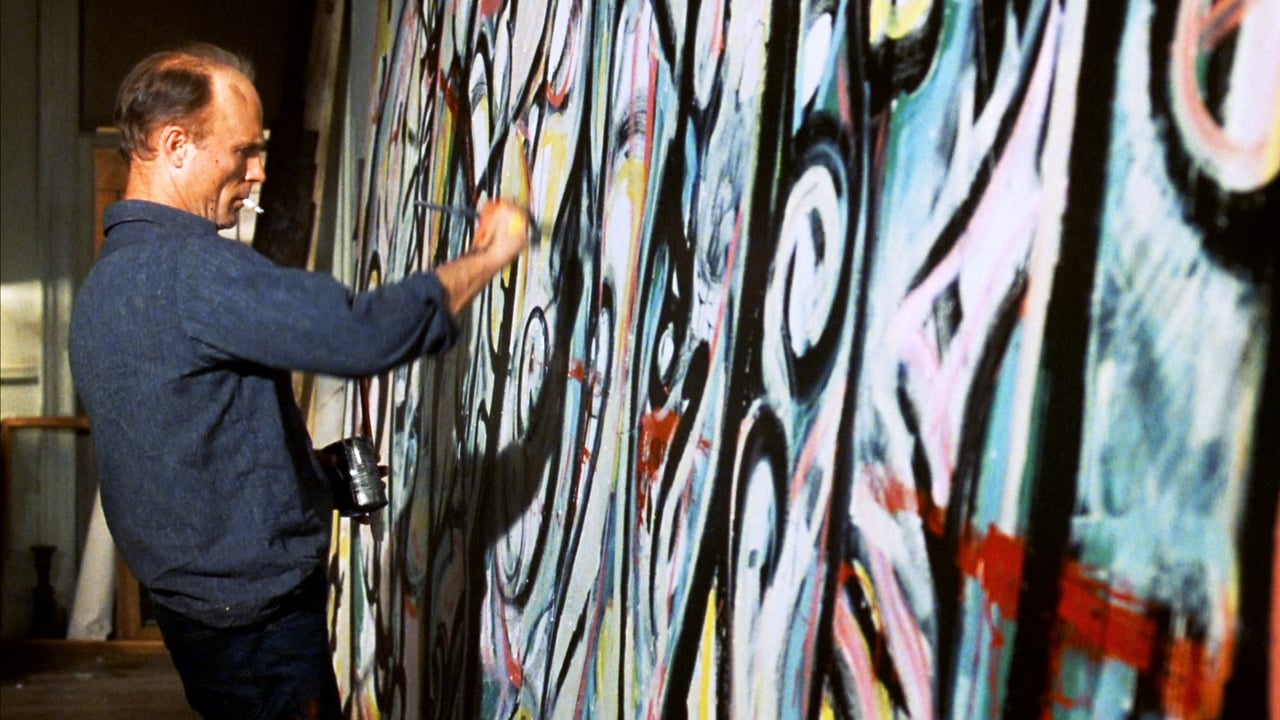
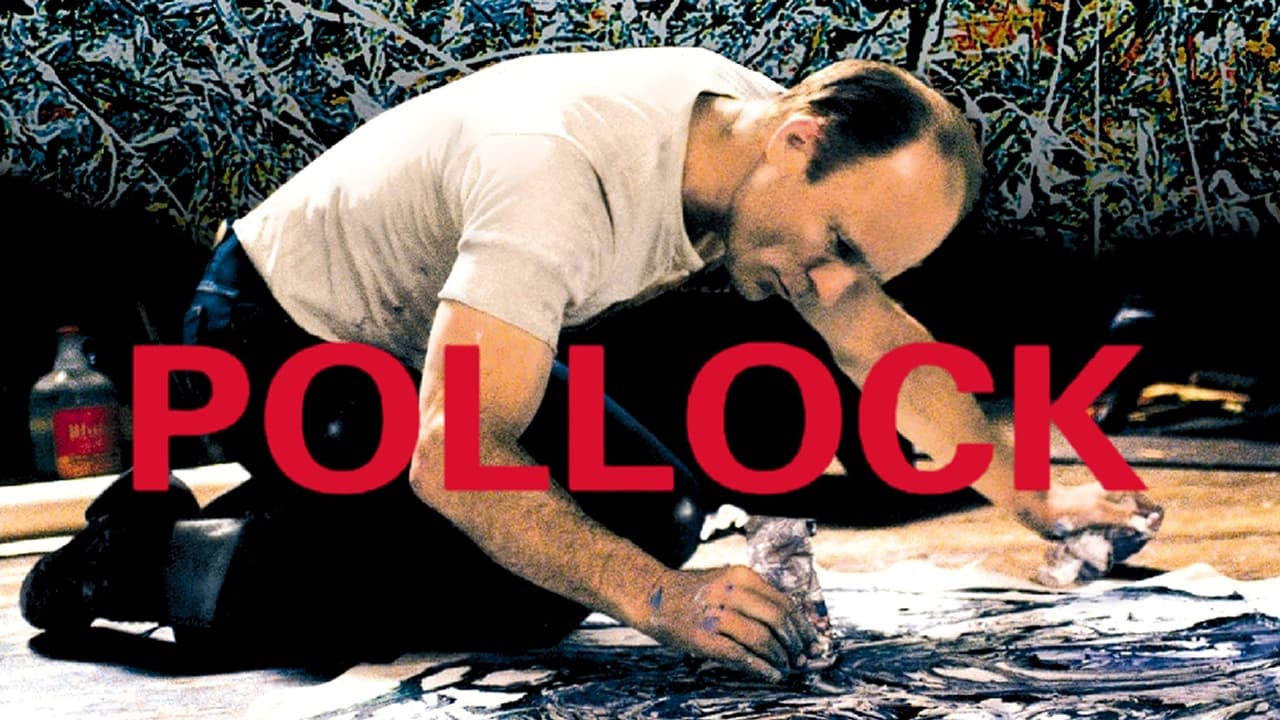
Harris reportedly spent years learning Pollock's signature drip technique, even building a replica of the artist's Long Island studio for filming. That dedication pays off spectacularly in the painting sequences. They aren't just montages set to music; they are visceral, kinetic scenes capturing the physicality and concentration involved. We see the artist pacing, contemplating, and then the almost violent explosion of colour. It makes you understand, perhaps for the first time, how this revolutionary technique emerged not just from intellect, but from impulse and emotion. It wasn't just paint; it was Pollock himself laid bare on the canvas.
The Anchor in the Storm: Lee Krasner
But "Pollock" is arguably as much about Lee Krasner as it is about Jackson Pollock. Marcia Gay Harden delivered a performance that rightly earned her an Academy Award for Best Supporting Actress, portraying Krasner not merely as the supportive wife, but as a formidable artist in her own right and the fierce, pragmatic force who navigated Pollock's volatile genius and crippling alcoholism. Their relationship is the film's turbulent heart – a complex dance of codependency, genuine affection, artistic rivalry, and exasperated loyalty.
Harden embodies Krasner’s resilience, her sharp intelligence often hidden behind a weary but watchful gaze. She's the one managing the dealers, the critics (like the influential Clement Greenberg, played with cool authority by Jeffrey Tambor), and Pollock himself. The scenes between Harris and Harden crackle with an authenticity born of deep character work. You feel the weight of their shared history, the impossible bargain Krasner seems to have made – sacrificing aspects of her own career to nurture (and contain) his destructive brilliance. Was it worth it? The film doesn't offer easy answers, leaving the question hanging in the air, thick as the smell of turpentine.
Crafting Chaos
Directing himself in such a demanding role, Harris wisely keeps the focus tight. The film, adapted by Barbara Turner and Susan Emshwiller from the biography Jackson Pollock: An American Saga, concentrates primarily on the period of Pollock's greatest fame and subsequent decline. The cinematography often feels intimate, sometimes claustrophobic, mirroring Pollock's internal state. Shot for a relatively modest $6 million – a testament to the passion involved – the film feels grounded and avoids the glossy sheen that can sometimes sterilize biographical dramas. It captures the grit, the smoky barrooms, the cluttered studio, and the raw nerve endings of its subjects.
One fascinating tidbit is how long Harris pursued the project, sparked initially by his father giving him the biography in the late 80s. It took nearly a decade to secure funding and control, a period during which Harris immersed himself completely in Pollock's world. That long gestation period undoubtedly contributes to the film's lived-in feel and the depth of Harris's portrayal. You sense this wasn't just another role; it was a calling. The film even features Amy Madigan (Harris's real-life wife) in a memorable turn as Peggy Guggenheim, the eccentric heiress and early champion of Pollock's work.
Lingering Questions
"Pollock" isn't a comfortable watch. It confronts the destructive side of genius, the toll of addiction, and the complex dynamics of artistic partnership. It doesn't shy away from its subject's profound flaws, forcing us to grapple with the uncomfortable proximity of creation and self-destruction. Can we separate the art from the artist? Should we? The film offers no easy verdict, presenting the man in all his messy, contradictory glory. What stays with you is the intensity – of the art, the relationship, and the performances. It’s a film that feels handcrafted, much like the canvases it depicts, born from a singular, unwavering vision.
Rating: 9/10
This score reflects the sheer power of the central performances, particularly Harris's monumental, transformative work both in front of and behind the camera, and Harden's equally compelling portrayal. The film's unflinching look at the complexities of artistic genius and addiction, combined with its palpable sense of time and place, makes it a standout biopic. The dedication poured into the project is evident, resulting in a film that feels both authentic and deeply affecting, justifying its near-decade-long journey to the screen.
It remains a potent reminder that sometimes the most groundbreaking art comes from the most fractured souls, a truth as unsettling and mesmerizing as one of Pollock's own canvases.