Sometimes, a film doesn't announce itself with explosions or grand declarations. It arrives quietly, almost hesitantly, settling into your consciousness like a persistent, low hum. Hirokazu Kore-eda's 1995 feature debut, Maborosi (幻の光, Maboroshi no Hikari), is precisely such a film. It’s the kind of tape you might have stumbled upon in the 'World Cinema' aisle of a particularly well-stocked video store back in the day, nestled between louder, more commercially obvious fare. And what a discovery it was – a meditation on grief so profound and visually arresting, it stays with you long after the VCR whirred to a stop.

An Unspoken Question
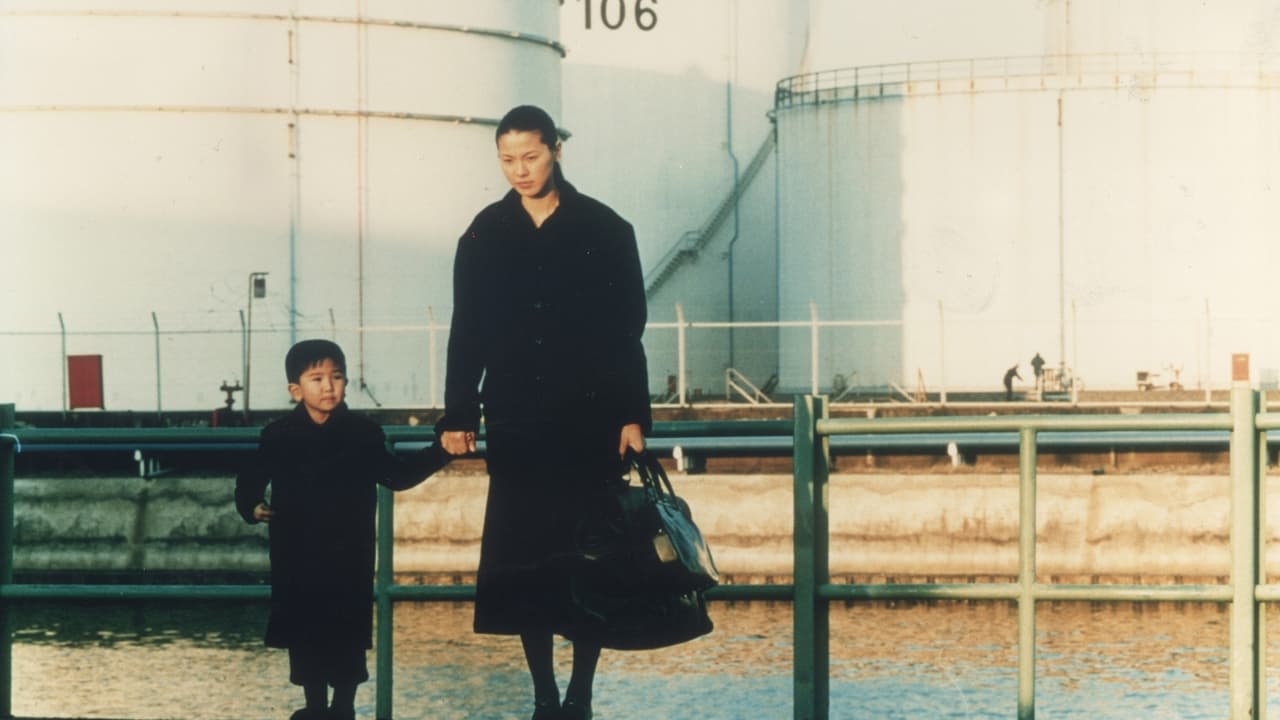
The film opens on Yumiko (Makiko Esumi) living a seemingly contented life in Osaka with her husband Ikuo (Tadanobu Asano) and their infant son. There's a warmth, a casual intimacy that feels utterly real. Then, inexplicably, Ikuo walks in front of a train, leaving Yumiko shattered, grappling with a loss made heavier by its apparent senselessness. Years pass in a haze of unresolved sorrow until an arranged marriage brings her, along with her now young son Yuichi, to the remote Noto Peninsula to live with widower Tamio (Takashi Naitō) and his daughter. The contrast is immediate: the bustling city replaced by the vast, often turbulent sea, the close confines of their apartment swapped for wide, windswept landscapes. But does a change of scenery truly heal a wound rooted so deep?
The Stillness Speaks Volumes
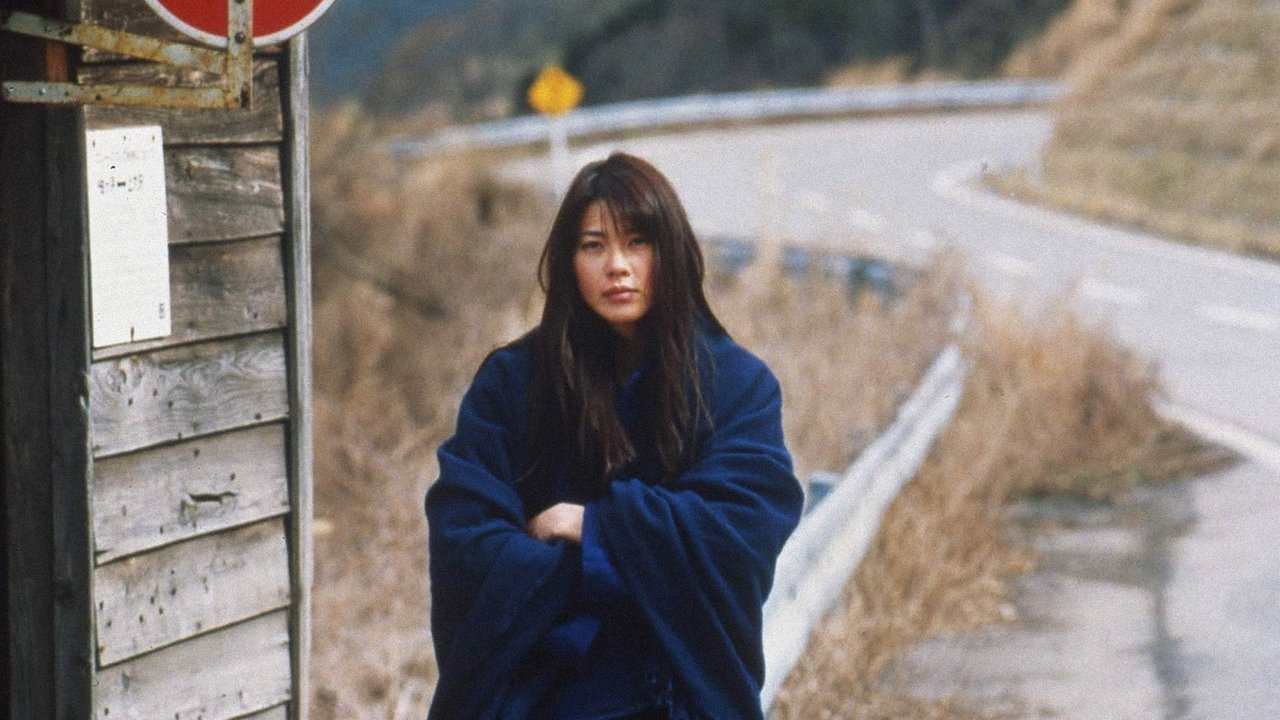
This was Hirokazu Kore-eda's first foray into narrative fiction after establishing himself in documentaries, and that background permeates every frame of Maborosi. There’s an observational patience here, a willingness to let moments breathe, that feels distinct. Kore-eda, working from Yoshihisa Ogita's adaptation of Teru Miyamoto's short story, isn't interested in overt melodrama or easy explanations. Instead, he trusts his visuals and his actors to convey the complex internal landscape of grief. The cinematography by Masao Nakabori, which rightfully earned the Golden Osella at the Venice Film Festival, is simply breathtaking. He paints with light and shadow, often composing shots like paintings – static, long takes where characters are small figures against imposing natural backdrops, emphasizing their isolation and the weight of unspoken emotions. Think of those recurring shots of distant trains, their lights like fleeting, unknowable signals in the dark – a haunting visual echo of Ikuo's departure.
A Performance of Quiet Devastation
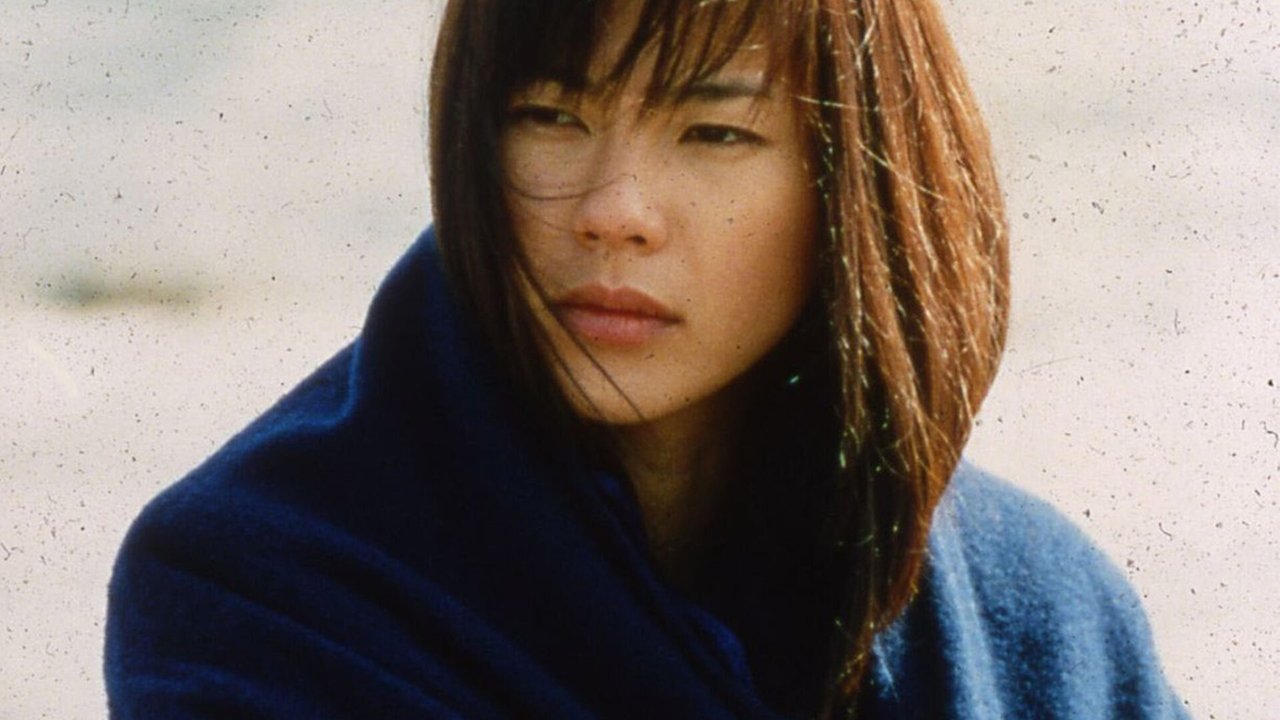
At the heart of the film is Makiko Esumi's devastatingly subtle performance as Yumiko. Esumi, who came to this role primarily known as a model, possesses a remarkable screen presence. Her face becomes a canvas for repressed sorrow, fleeting moments of potential peace, and the enduring confusion that haunts her. There are no grand outpourings, no histrionics; Yumiko’s grief is a quiet, constant companion, visible in the slope of her shoulders, the faraway look in her eyes, the way she performs daily tasks with a detached precision. It's a masterclass in internalized acting, utterly convincing and deeply moving. Takashi Naitō, as the gentle, unassuming Tamio, provides a grounding counterpoint – his kindness is palpable, yet even he seems aware of the invisible wall around Yumiko. And Tadanobu Asano, though his screen time is limited, leaves an indelible mark as Ikuo, his cheerful facade making his final act all the more bewildering.
Echoes in the Landscape
Maborosi isn't just about Yumiko's personal tragedy; it delves into profound questions about memory, the elusive nature of happiness, and the terrifying possibility that we can never truly understand the motives of those closest to us. Why did Ikuo do it? The film offers no simple answer, suggesting perhaps that some questions are fundamentally unanswerable. The title itself, translating roughly to "phantasmal light" or "light of illusion," hints at this ambiguity – like a trick of the light, the reasons behind devastating events can remain forever shimmering just beyond our grasp. Is the allure of something unknown, some distant "light," sometimes stronger than the pull of life itself? The film forces us to sit with this discomfort, mirroring Yumiko’s own search for meaning amidst the silence. Watching this on a CRT back in the day, the deep blacks and the careful framing likely enhanced this feeling, pulling you into its contemplative, sometimes somber world.
Finding a film like Maborosi on VHS often felt like unearthing a hidden treasure. It wasn't the kind of movie typically advertised with bombastic trailers. Its power was quieter, more demanding of the viewer's attention, but the reward was immense. It’s a reminder that cinema can explore the most difficult aspects of the human experience with grace, beauty, and profound empathy, without resorting to easy sentimentality. Kore-eda would, of course, go on to become one of contemporary cinema's most celebrated directors with films like Nobody Knows (2004) and the Palme d'Or-winning Shoplifters (2018), but the seeds of his humanist concerns and patient style are all beautifully evident here.
Rating: 9/10
Maborosi earns this high rating for its masterful direction, breathtaking cinematography, and the unforgettable, nuanced performance from Makiko Esumi. It’s a film that tackles profound grief with rare honesty and visual poetry, refusing easy answers and instead immersing the viewer in an atmosphere thick with unspoken emotion and haunting beauty. Its quiet power is its greatest strength, making it a standout piece of 90s world cinema.
It’s a film that doesn’t just depict grief; it makes you feel its weight, its silence, its enduring presence, leaving you contemplating the mysteries that lie within the human heart long after the screen goes dark.