There's a chill that settles over Billy Wilder's Fedora (1978), a dampness that has little to do with the Greek island setting and everything to do with the fading light of stardom. Watching it now, decades removed from its troubled release, feels like uncovering a forgotten artifact – a postscript to Hollywood's Golden Age penned by one of its sharpest chroniclers, albeit with a pen dipped in melancholy rather than his trademark cynical wit. It wasn't a tape likely flying off the shelves back in the rental heyday, often overshadowed by Wilder's more celebrated comedies or noirs, but finding it tucked away felt like discovering a secret history, a somber reflection staring back from the flickering CRT screen.
Ghosts on the Corfu Shore
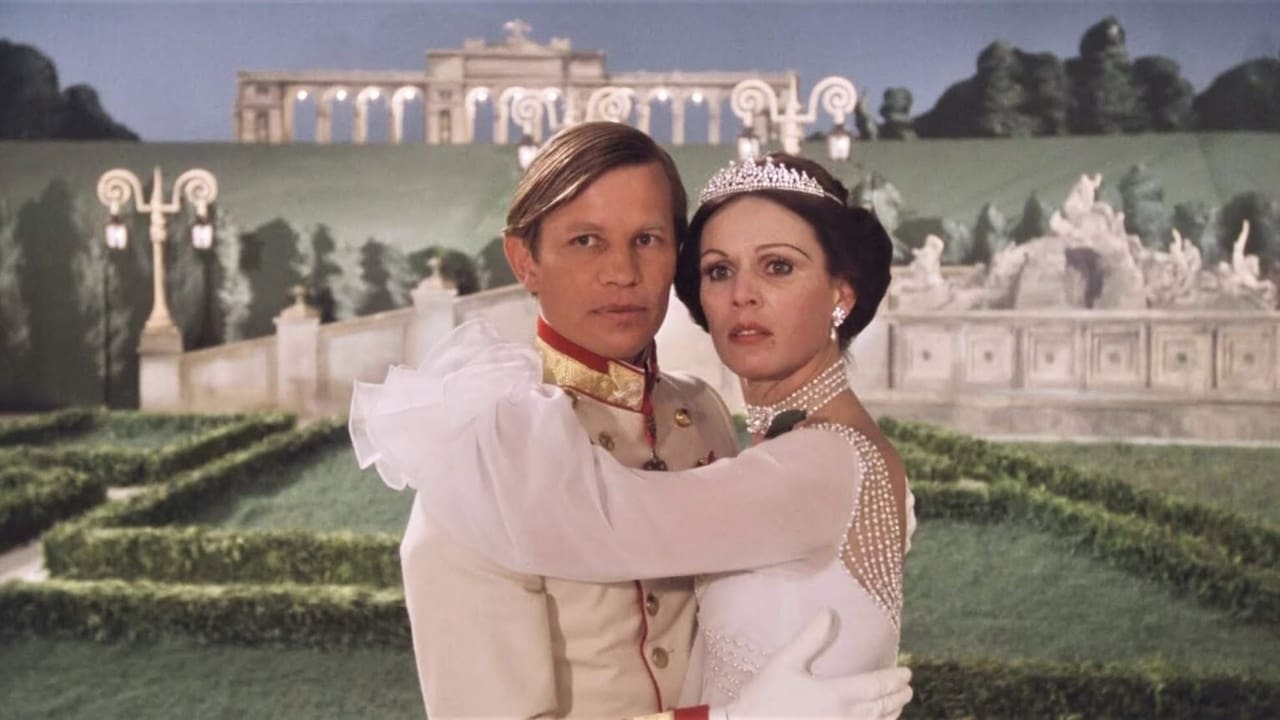
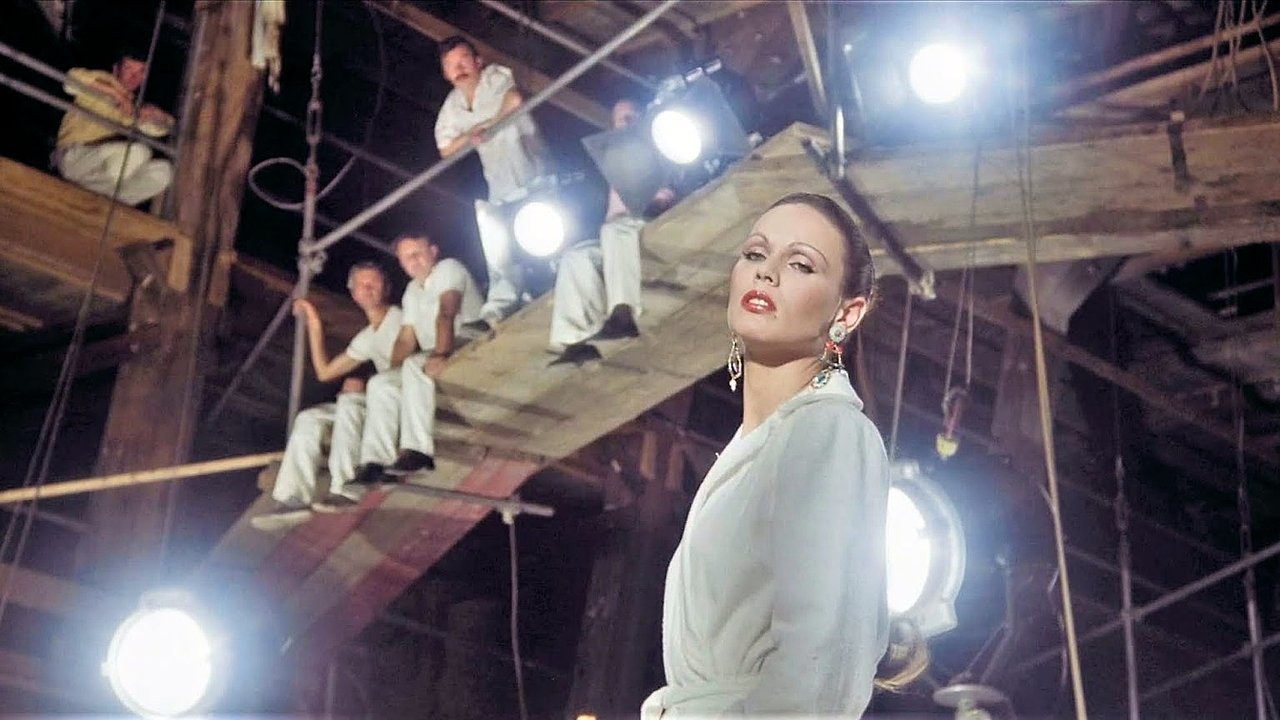
The setup echoes Wilder's own past triumphs, particularly the inescapable shadow of Sunset Boulevard (1950). We follow Barry "Dutch" Detweiler (William Holden), an independent producer whose career is decidedly on the wane. He travels to a secluded villa on Corfu, hoping to lure the legendary, Garbo-esque actress Fedora (Marthe Keller) out of retirement for one last picture. Fedora, eternally youthful on screen thanks to careful lighting and perhaps something more mysterious, lives in self-imposed exile, surrounded by a strange entourage including the severe Countess Sobryanski (Hildegard Knef) and the unsettling Dr. Vando (José Ferrer). Dutch finds Fedora seemingly trapped, a prisoner of her own legend, desperate for escape. What unfolds is less a comeback story and more a gothic mystery draped in cinematographer Gerry Fisher's hazy, almost funereal light.
It's impossible to watch William Holden here and not think of Joe Gillis, his character from Sunset Boulevard. Twenty-eight years later, Holden embodies the other side of the Hollywood coin – not the struggling writer caught in Norma Desmond's web, but the weary industry veteran navigating the wreckage of faded dreams. There’s a profound sadness in his performance, a resignation that feels earned, both by the character and, perhaps, by the actor himself revisiting this thematic territory under Wilder's direction. Holden reportedly needed convincing to take the role, perhaps wary of the echoes, but his presence lends the film an essential layer of poignant self-awareness. Seeing him navigate this world again, older, perhaps wiser but certainly more bruised, is undeniably powerful.
The Price of Eternal Youth
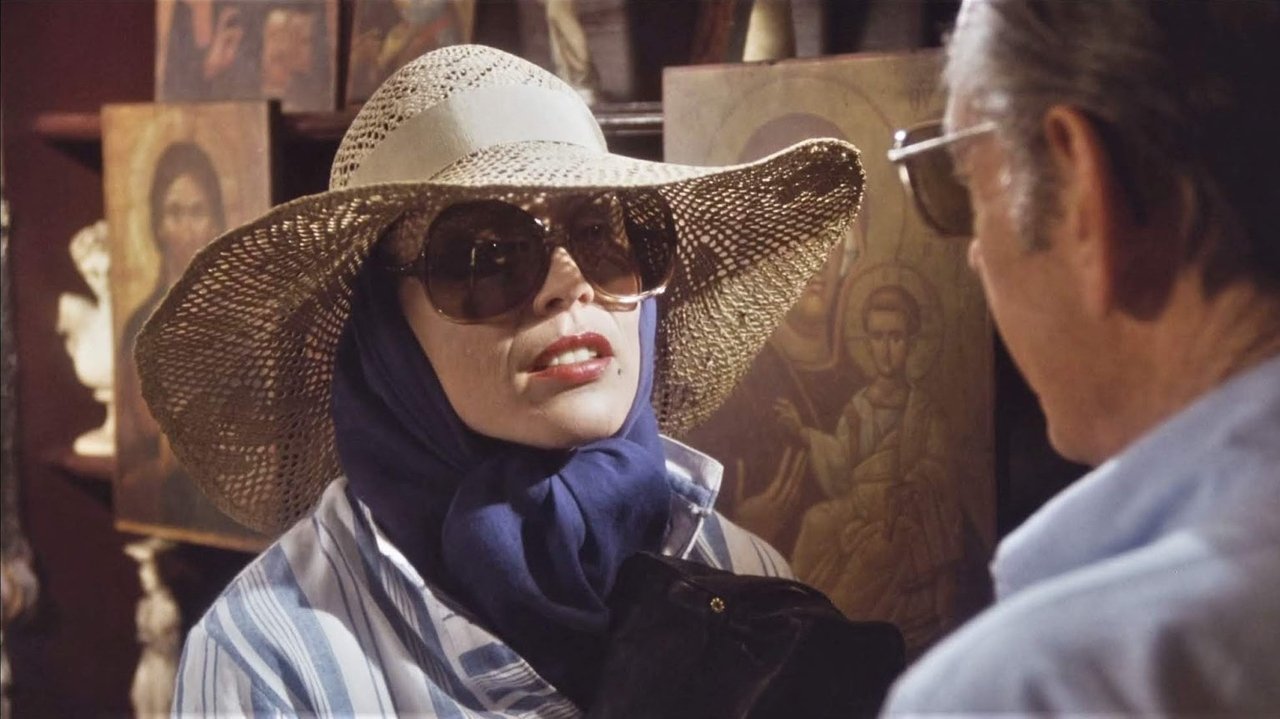
At the heart of Fedora lies the enigma of its title character, portrayed by Marthe Keller. Keller has the challenging task of embodying an icon shrouded in myth, a star preserved like a photograph while the world ages around her. The film plays with illusion and reality, questioning the cost of manufactured perfection. What does it mean to be forever young on celluloid? What happens when the image consumes the person? Keller conveys a fragility, a hunted quality that makes Fedora's plight feel real, even as the plot veers into the territory of melodrama. The dynamic between her, the controlling Countess, and the ever-present doctor creates an atmosphere thick with unspoken secrets and simmering resentment.
Wilder's Unloved Child
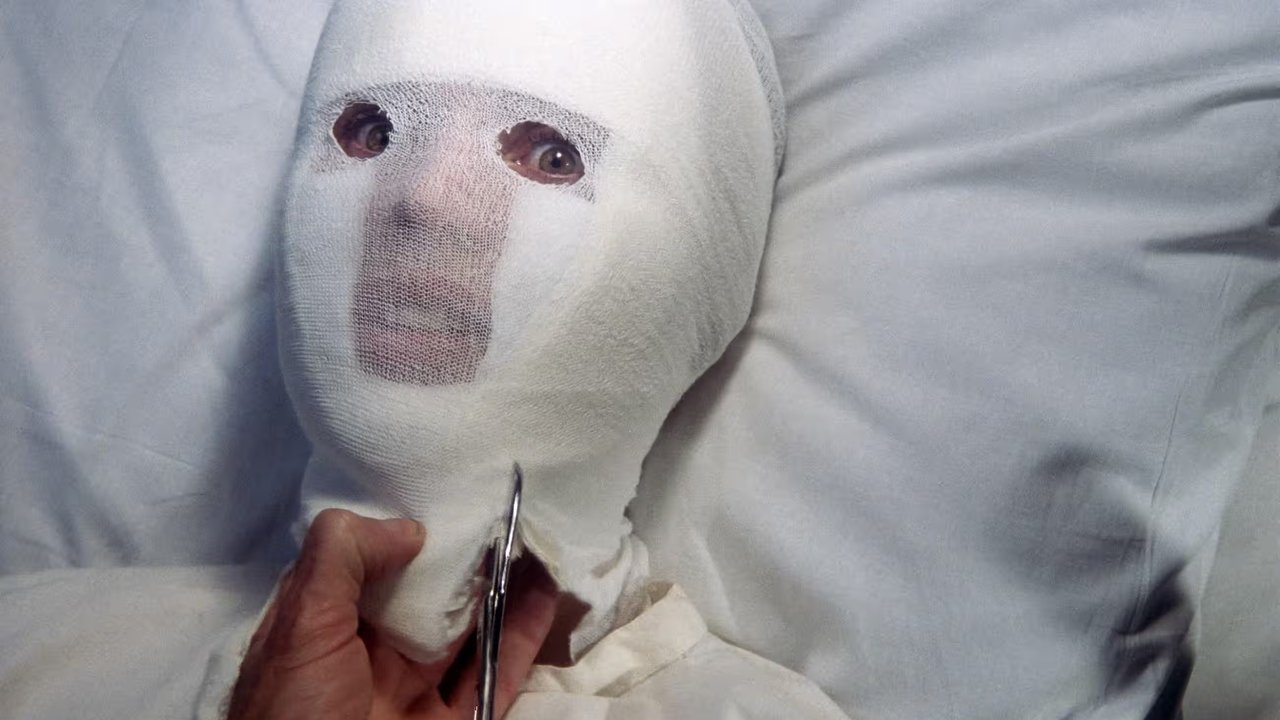
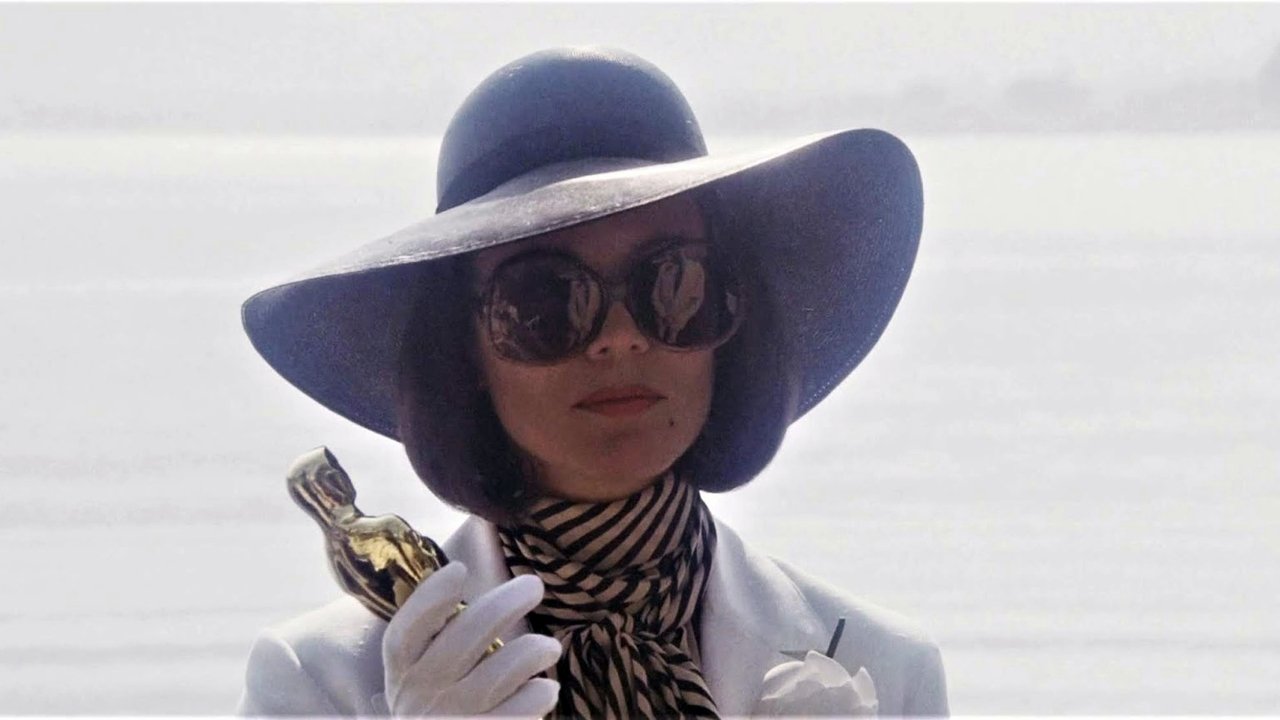
Fedora arrived at a time when the New Hollywood auteurs were ascendant, and Wilder, the old master, struggled to secure funding for this decidedly un-commercial project. Financed largely by German backers after Hollywood studios balked, the production itself was reportedly fraught with tension, including clashes between Wilder and Keller. Wilder always saw Fedora as a companion piece to Sunset Boulevard, a final statement on the industry that both built him and, in his later years, seemed to discard him. He adapted it, alongside his long-time collaborator I. A. L. Diamond (the partnership that gave us Some Like It Hot (1959) and The Apartment (1960)), from a novella in Tom Tryon's Crowned Heads. Yet, upon release, particularly in the US, it was met with confusion and critical dismissal. Was it too European? Too downbeat? Too out of step with the blockbuster mentality taking hold? Perhaps.
It's certainly not a perfect film. The pacing can feel deliberate, bordering on slow, especially compared to Wilder's snappier works. Some plot developments (Spoiler Alert! surrounding the true identity and history of the woman known as Fedora End Spoiler Alert!) might strike modern viewers as overly contrived or even bordering on the absurd. Yet, these elements almost feel part of its strange, melancholic charm. It's a film operating on the logic of a fading dream, or perhaps a Hollywood nightmare. The production design captures that sense of decaying grandeur, the island villa both beautiful and suffocating.
Legacy in the Shadows
Unlike its celebrated predecessor, Fedora never achieved widespread acclaim or cult status in the same vein. It remains one of Wilder's lesser-known, more debated works. But watching it today, especially through the lens of VHS nostalgia – remembering those discoveries made late at night or in the less-trafficked aisles of the video store – it resonates differently. It feels like a personal, almost mournful statement from a filmmaker confronting the passage of time and the often cruel machinery of fame. It lacks the biting satire of Ace in the Hole (1951) or the romantic fizz of Sabrina (1954), offering instead a somber meditation on loss and illusion.
Rating: 7/10
This score reflects Fedora's status as a flawed but fascinating work from a master filmmaker. While its pacing and plot mechanics can be challenging, William Holden's deeply felt performance, the haunting atmosphere, and Wilder's unflinching look at the twilight of stardom make it compelling. The production's own struggles mirror the film's themes, adding another layer of meta-commentary. It may not be peak Wilder, but its elegiac tone and thematic depth earn it a place as a significant, if often overlooked, entry in his formidable filmography.
It’s a film that lingers, not with warmth, but with a distinct chill – a final, whispered warning from Hollywood’s past about the ghosts created by the camera's eye.