### The Charm of the Underestimated Heist
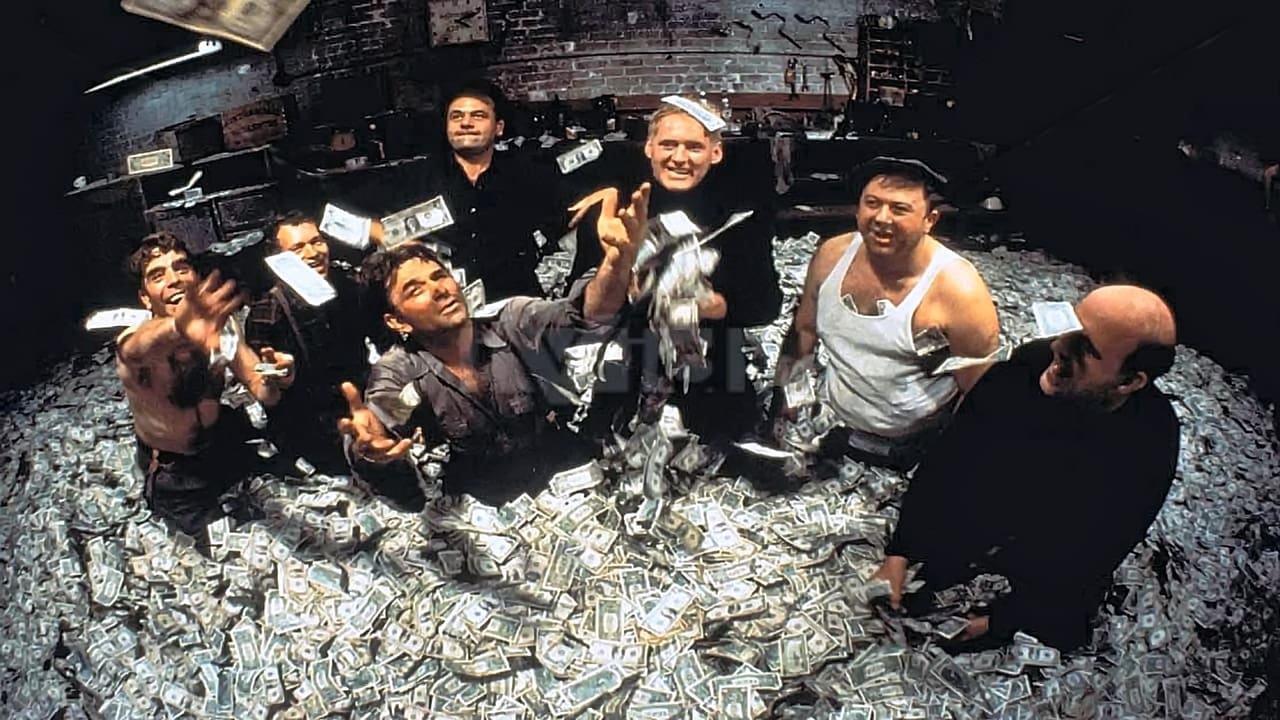
It’s a curious thing, isn't it, when a director primarily known for seismic shifts in cinematic intensity – think the raw urban grit of The French Connection or the soul-shaking terror of The Exorcist – decides to tackle something altogether different? That’s the immediate head-scratcher, and perhaps the enduring charm, of William Friedkin’s 1978 film, The Brink's Job. Finding this tape nestled between action blockbusters on a rental shelf back in the day felt like uncovering a secret handshake, a gentler, quirkier offering from a master of tension. It wasn't the adrenaline shot many might have expected from Friedkin, but something more akin to a wry smile captured on celluloid.
### Boston Grit Meets Comedic Flair
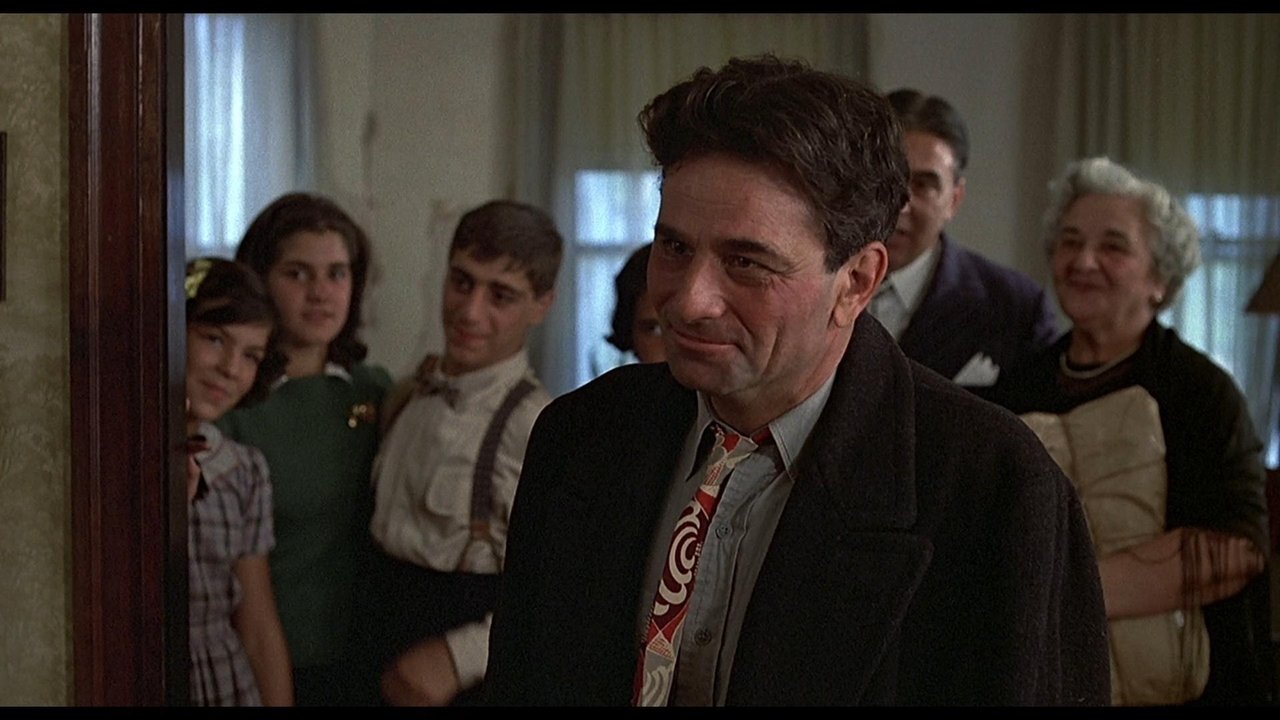
Based on the legendary (and surprisingly audacious) 1950 Great Brink's Robbery in Boston, the film sidesteps outright thriller territory. Instead, Friedkin and screenwriter Walon Green (adapting Noel Behn's book Big Stick-Up at Brink's!) lean into the almost unbelievable amateurishness of the crew who pulled off what was then the "crime of the century." This isn't Ocean's Eleven; it's a gaggle of small-time crooks from Boston's North End who stumble upon the realization that the supposedly impregnable Brink's facility is, well, anything but. The film captures a specific, bygone flavour of urban life – the tight-knit neighbourhoods, the local hangouts, the sense that everyone knows everyone’s business. Friedkin, shooting extensively on location in Boston, masterfully recreates the feel of the post-war era, immersing us in a world of fedoras, bulky cars, and a certain working-class resignation that makes the gang's ambition feel both foolish and entirely understandable. You can almost smell the damp Boston air and feel the cobblestones underfoot.
### A Cast of Lovable Losers
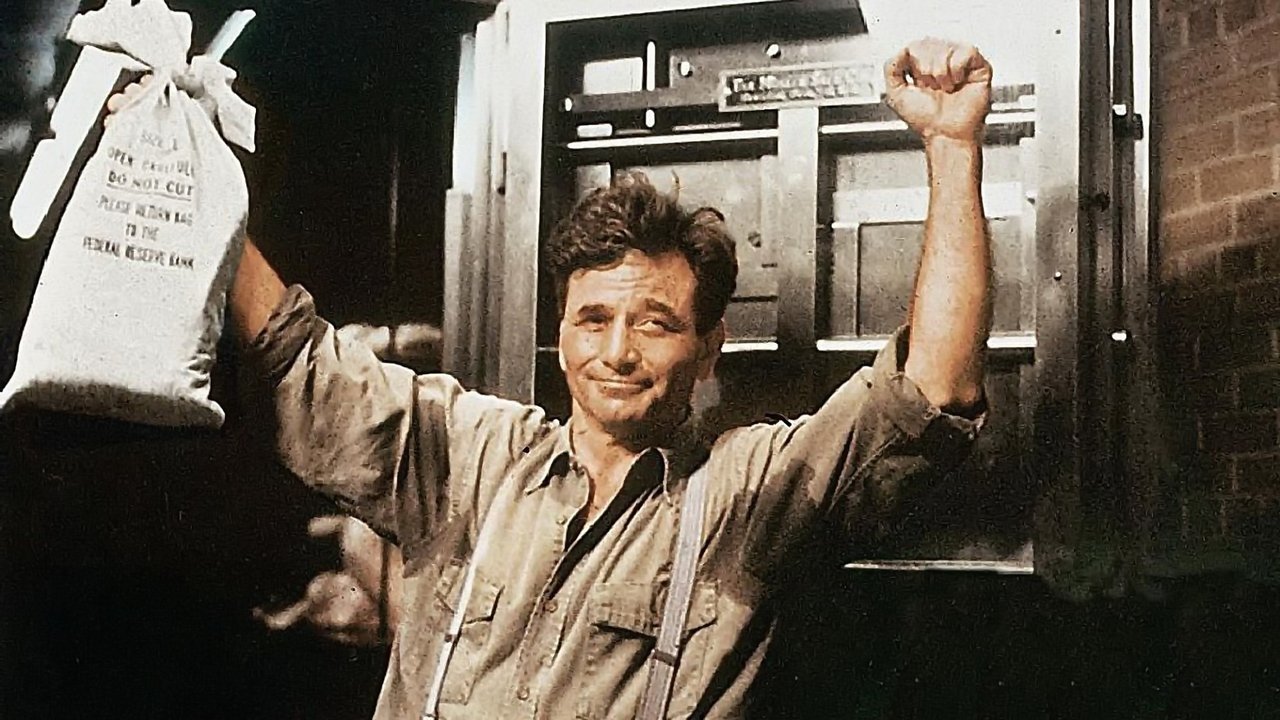
What truly elevates The Brink's Job beyond a simple caper narrative is its ensemble cast, led by the inimitable Peter Falk as Tony Pino, the de facto ringleader whose initial motivation seems less about grand larceny and more about sheer, persistent annoyance at Brink's sloppy security. Falk, already a household name thanks to Columbo, brings that same world-weary intelligence masked by outward scruffiness. He’s not a criminal mastermind; he's just a guy who notices things others don't, like doors left unlocked and alarms seemingly disconnected. It's a performance built on subtle observations and understated frustration, making Tony utterly believable.
Surrounding Falk is a gallery of wonderful character actors who feel less like performers and more like genuine neighbourhood fixtures. Peter Boyle (Young Frankenstein) brings his unique blend of simmering intensity and comedic timing to Joe McGinnis. Allen Garfield (often credited as Allen Goorwitz then, known for appearances in films like Nashville and The Conversation) is pitch-perfect as the perpetually anxious Vinnie Costa. And the great Warren Oates (Bring Me the Head of Alfredo Garcia) nearly steals the show as Specs O'Keefe, the most volatile and perhaps professional (in a relative sense) member of the crew. Even Gena Rowlands (A Woman Under the Influence), as Tony's exasperated but supportive wife Mary, adds a layer of grounded reality to the escalating absurdity. Their interactions feel lived-in, their bickering and camaraderie the glue that holds the slightly ramshackle plot together. You genuinely believe these guys could pull this off, mostly through luck and the sheer incompetence of their target.
### Friedkin's Unexpected Touch
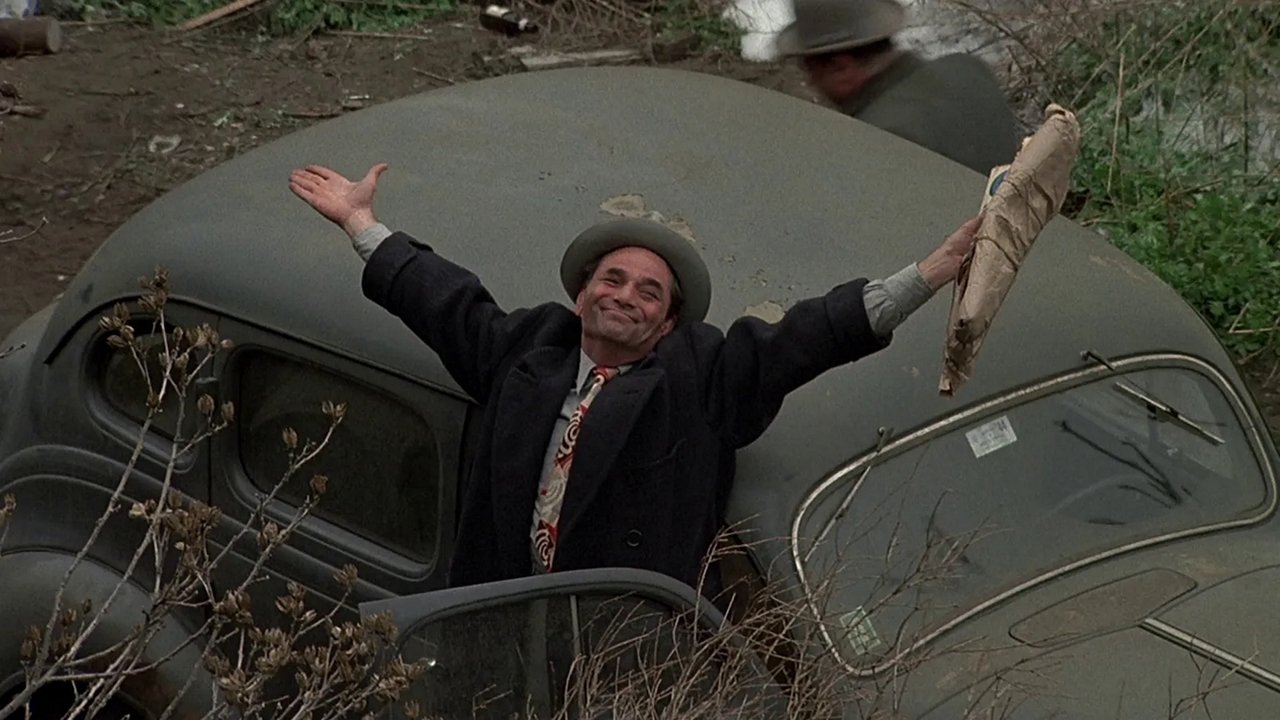
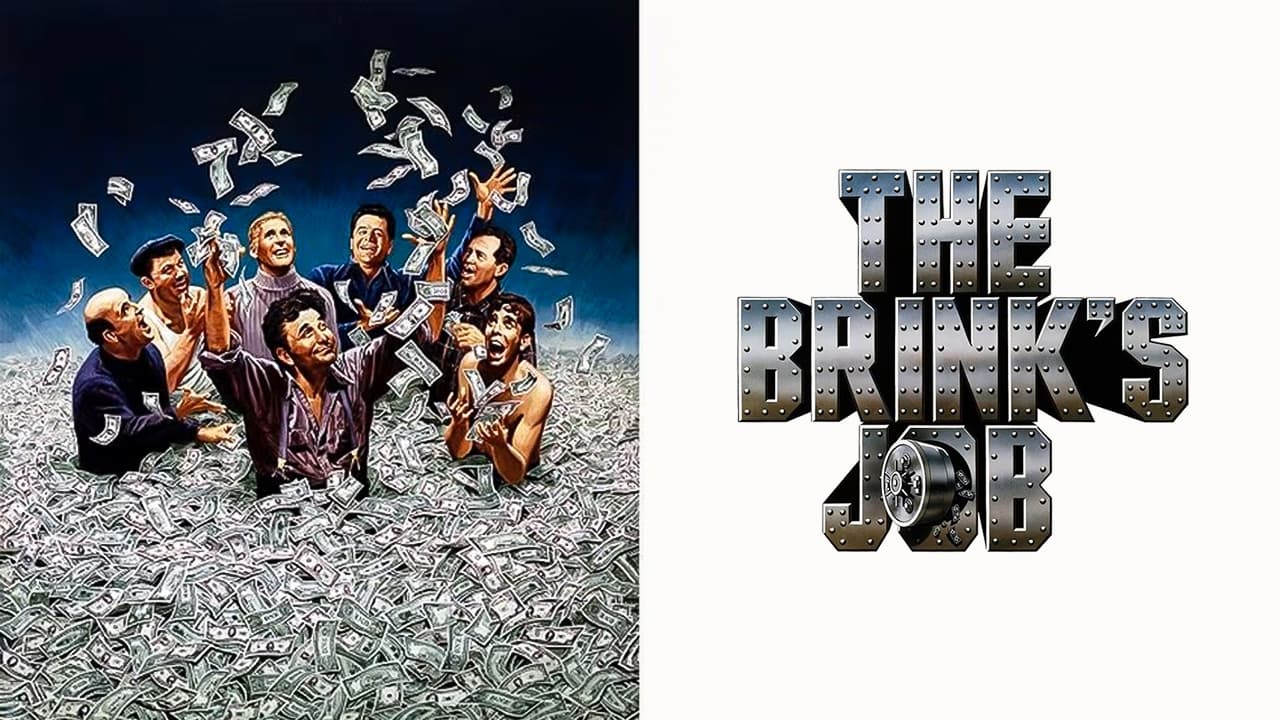
So, how does the director of The Exorcist handle comedy? With a surprisingly light touch, but not without his signature eye for detail and atmosphere. Friedkin doesn't force the humour; he lets it arise naturally from the characters and the situation's inherent irony. The meticulous planning sequences are presented not with slick montage, but with a kind of fumbling diligence. There's a low-key, observational quality to the direction, allowing the period detail and the performances to breathe. Interestingly, Friedkin reportedly took on the project seeking a change of pace after the gruelling production of Sorcerer (1977), which despite its brilliance, was a commercial disappointment. The Brink's Job, budgeted around $8 million, also failed to make a significant dent at the box office upon release (grossing under $6 million domestically), perhaps suffering because audiences weren't sure what to expect from a Friedkin "comedy." It lacked the visceral punch of his earlier hits, opting instead for character study and wry amusement.
### More Than Just the Heist
While the robbery itself is the centrepiece, the film finds its real heart in the moments surrounding it. The quiet frustration of these men, feeling overlooked and underestimated by society, fuels their unlikely ambition. There’s a subtle commentary here on class and opportunity, woven into the fabric of the narrative without feeling heavy-handed. It's about the allure of that one big score, the dream of escaping the daily grind, even if the dreamers are far from smooth operators. Remember those seemingly endless practice runs they do, trying to synchronize watches that don't quite work? It's played for gentle laughs, but beneath it lies a desperation that resonates. The fact that the real-life robbery yielded over $2.7 million (an astronomical sum in 1950, roughly equivalent to over $30 million today) only underscores the David vs. Goliath nature of the feat, perfectly captured by the film's tone.
The film isn't perfect; the pacing occasionally meanders, and some viewers might crave a bit more suspense or outright comedic set pieces. But its strength lies in its commitment to character and atmosphere. It feels like a story passed down through generations, polished with affectionate embellishment but rooted in a tangible reality. It’s the kind of film that might have easily been missed upon its initial release but finds a comfortable home on VHS, discovered by viewers looking for something off the beaten path.
Rating: 7.5/10
The Brink's Job earns its score through its masterful recreation of time and place, a perfectly pitched ensemble cast led by a wonderful Peter Falk, and William Friedkin's unexpectedly deft handling of lighter material. It avoids heist movie clichés by focusing on the relatable humanity (and amusing ineptitude) of its protagonists. While not a laugh-out-loud comedy or a nail-biting thriller, it succeeds beautifully as a charming, character-driven period piece about ordinary guys who achieved the extraordinary, almost by accident.
Final Thought: What lingers most is the film's warm, almost affectionate portrayal of these bumbling thieves – a reminder that sometimes the most unbelievable stories are the true ones, and that even a master of cinematic intensity can find profundity in a well-told, gentle yarn. It’s a lovely, overlooked piece in the Friedkin puzzle.