There’s a certain kind of silence that settles after watching Sidney Lumet’s The Verdict, a quiet weight that lingers long after the credits roll. It isn't the triumphant fanfare of a typical Hollywood legal drama; it's something heavier, more contemplative. Released in 1982, this film feels less like a product of the often-bright-and-booming 80s and more like a holdover from the grittier, more cynical cinema of the 70s, a mood Lumet himself mastered in films like Serpico (1973) and Network (1976). It arrived on video store shelves not as escapism, but as a stark, challenging look at desperation and the flickering possibility of redemption.
A Lawyer on the Ropes
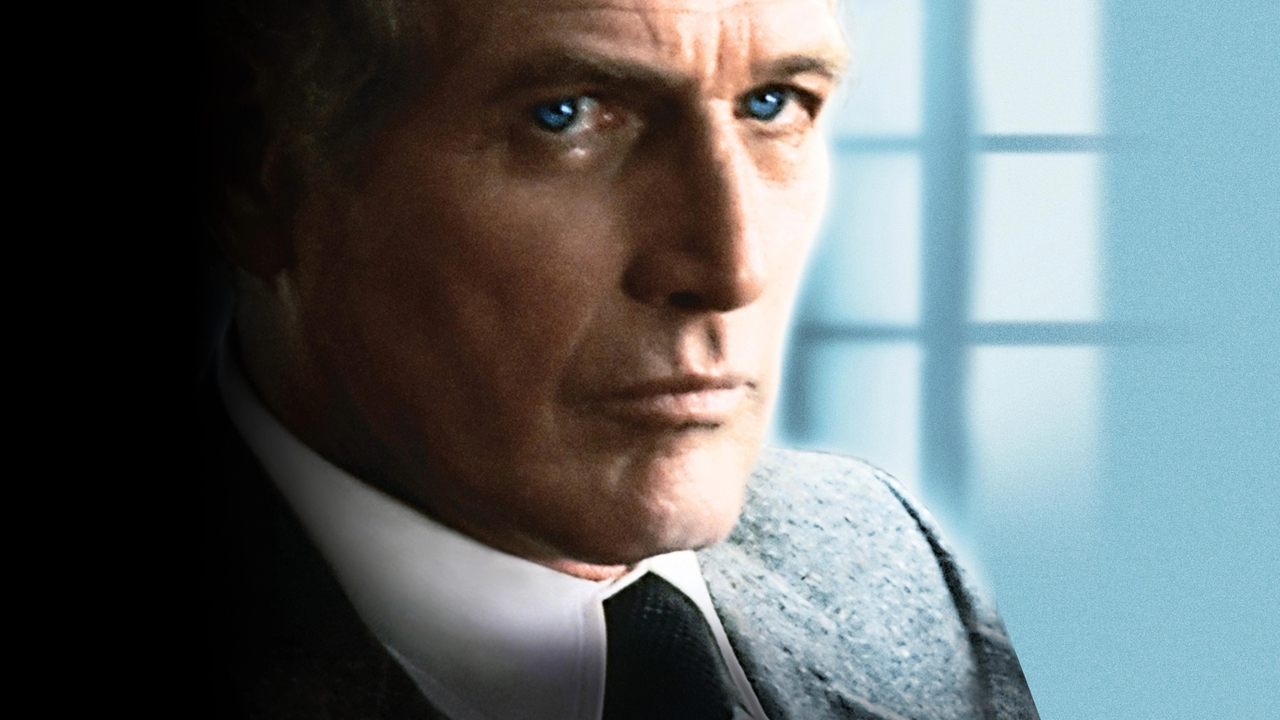
We meet Frank Galvin (Paul Newman) not in a bustling courtroom, but hunched over a pinball machine in a dimly lit Boston bar, handing out business cards at funerals, drowning his failures in whiskey. He's a washed-up ambulance chaser, his once-promising career derailed by betrayal and his own demons. The atmosphere Lumet creates is palpable – the perpetual grey skies of a Boston winter, the cluttered, nicotine-stained offices, the oppressive quiet of hospital corridors. It’s a world drained of color, mirroring Galvin’s own internal landscape. When his old friend and former mentor Mickey Morrissey (Jack Warden, offering weary but unwavering support) throws him a lifeline – a seemingly open-and-shut medical malpractice case involving a young woman left in a vegetative state – it feels less like an opportunity and more like one last, desperate chance to salvage a piece of his soul.
Newman's Haunting Portrait
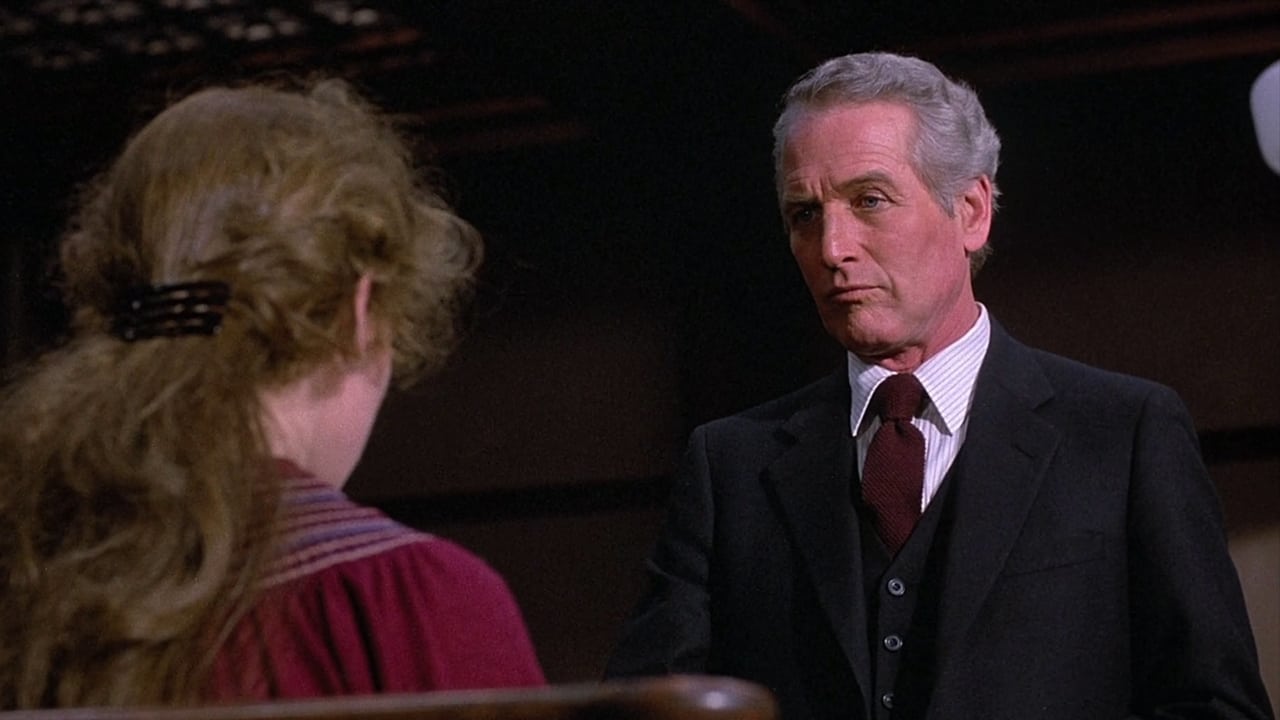
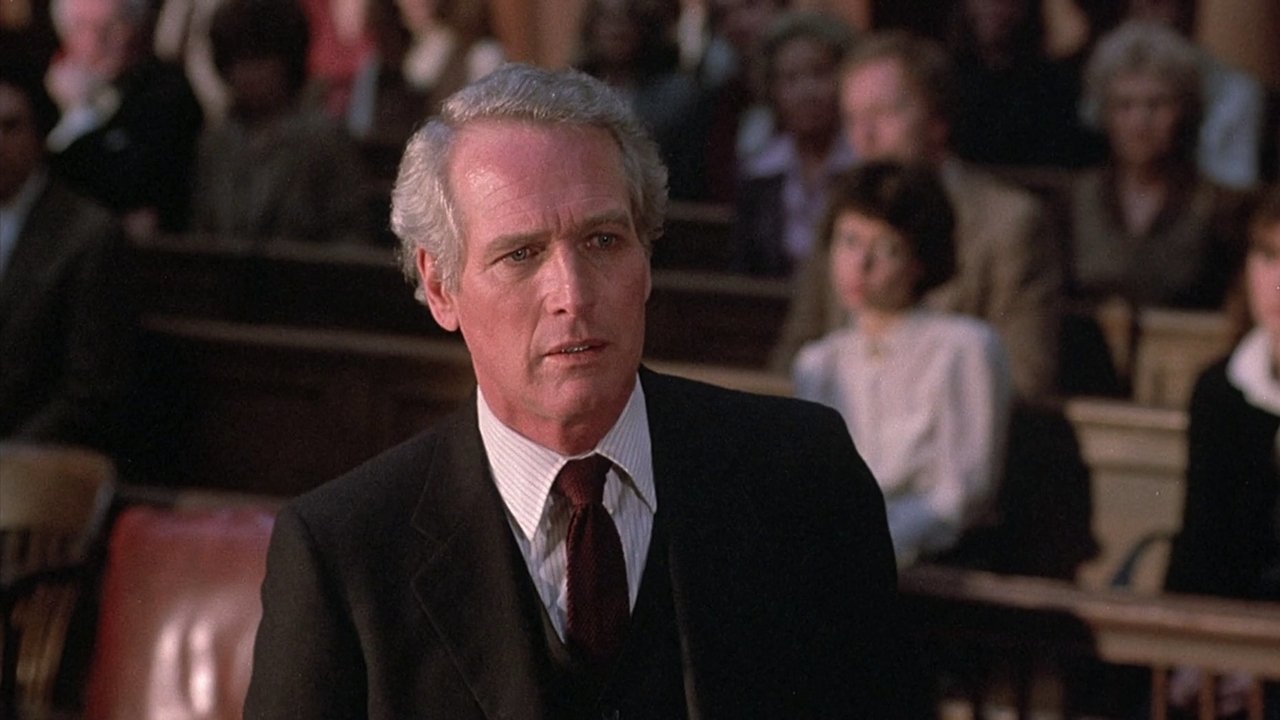
This isn't the effortlessly cool Newman of Cool Hand Luke (1967) or The Sting (1973). His Frank Galvin is a study in quiet desperation. The charm is buried deep beneath layers of self-loathing and alcohol haze. Watch his eyes – they hold the weariness of years of disappointment, but also, as the case progresses, a rekindled flicker of the righteous anger that once defined him. Newman reportedly dug deep for this role, finding a vulnerability rarely seen in his previous work. It's said that Robert Redford was initially considered but balked at the character's profound flaws; Newman embraced them, delivering a performance that feels achingly real. He earned a richly deserved Oscar nomination, capturing every nuance of Galvin's painful crawl back towards self-respect. It's a performance built not on grand speeches (though there is one magnificent closing argument), but on subtle gestures, haunted silences, and the sheer weight of existence etched onto his face.
The Mamet Edge and Lumet's Realism
The screenplay, penned by the legendary playwright David Mamet (adapting Barry Reed's novel), crackles with sharp, often brutal dialogue. Mamet has a unique ear for the way people really talk – the evasions, the coded language, the cynical bite. His script strips away the romanticism often associated with legal battles, exposing the raw maneuvering and ethical compromises beneath. There's a lean, muscular quality to the writing that perfectly complements Lumet's directorial style.
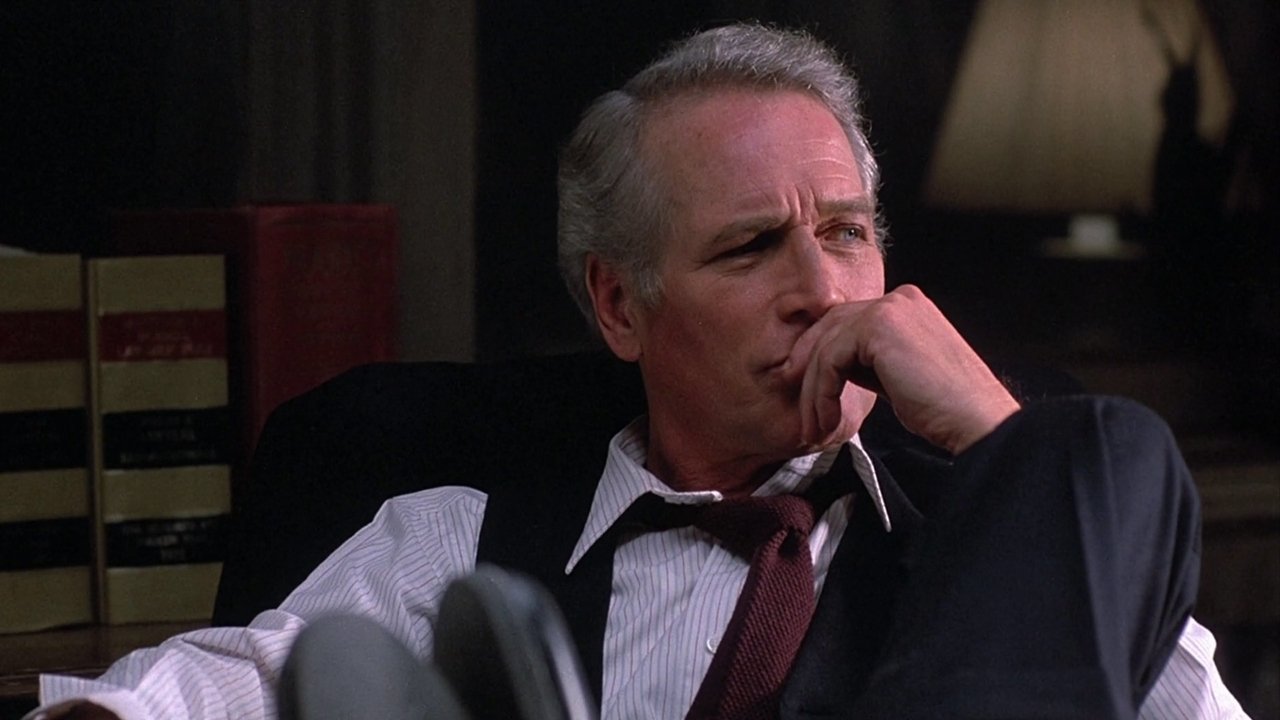
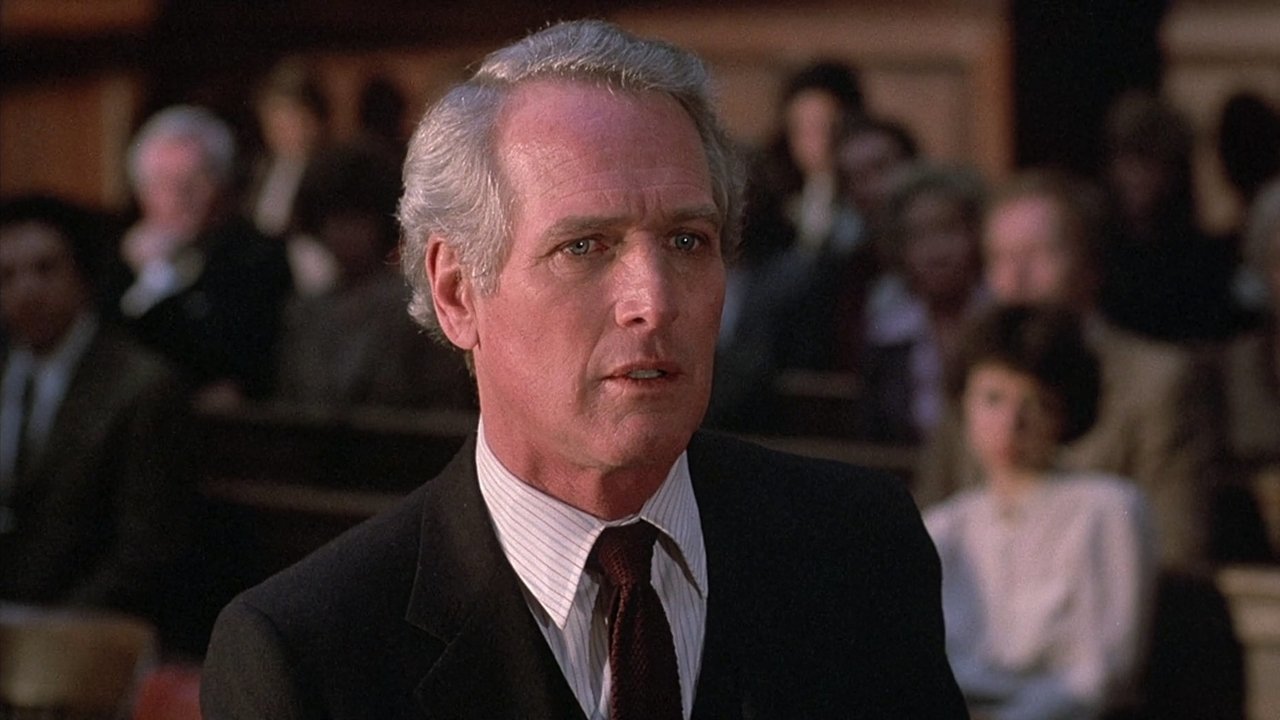
Lumet was a master of capturing urban environments and institutional decay. He famously preferred shooting on location, and The Verdict benefits immensely from this commitment to authenticity. The Boston locations aren't just backdrops; they're integral to the film's mood – the imposing stone courthouse, the claustrophobic hospital rooms, the smoky bars where deals are struck and souls are weighed. Lumet uses natural light and a muted color palette, refusing to prettify the harsh realities Galvin navigates. There's an unvarnished quality here, a refusal of Hollywood gloss that makes the drama feel immediate and grounded.
More Than Just a Case
While the central plot revolves around the malpractice suit against a powerful Catholic hospital and its star doctors, represented by the formidable, silver-tongued defense attorney Ed Concannon (James Mason, radiating icy confidence), the film is about much more than legal strategy. It’s about the corrosion of institutions, the ease with which truth can be buried, and the profound personal cost of confronting entrenched power. The introduction of Laura Fischer (Charlotte Rampling), a mysterious woman who enters Galvin’s life, adds another layer of complexity and potential betrayal, further testing his already fragile resolve. Rampling brings an enigmatic quality to Laura, making her motives compellingly ambiguous.
Retro Fun Facts: Behind the Verdict
- The film's ending was famously a point of contention. Mamet's original script ended more ambiguously, simply with Galvin waiting for the phone to ring after the verdict, leaving his personal redemption uncertain. Lumet and Newman felt a slightly more hopeful note was needed, leading to the final shot of Galvin not answering the ringing phone, suggesting he's moving forward.
- Lumet's dedication to realism extended to casting actual medical and legal professionals in minor roles to enhance the authenticity of the courtroom and hospital scenes.
- Despite receiving five major Academy Award nominations – including Best Picture, Director, Actor (Newman), Supporting Actor (Mason), and Adapted Screenplay (Mamet) – The Verdict controversially went home empty-handed on Oscar night, losing Best Picture to Gandhi.
- The film was a solid success, however, turning its roughly $16 million budget into a respectable $54 million at the box office (that's over $170 million in today's money), proving audiences were hungry for intelligent adult drama.
The Lingering Question
What makes The Verdict endure isn't just the stellar performances or the taut direction; it's the questions it forces us to confront. Is redemption possible even for the most broken? What is the true price of integrity in a world that often rewards compromise? The film offers no easy answers, presenting a moral landscape as grey and complex as the Boston winter sky. It avoids triumphant crescendos, opting instead for a hard-won, almost weary sense of justice achieved at great personal cost. I remember renting this on VHS, probably expecting something more conventional, and being struck by its somber power, its refusal to let anyone off the hook easily.
Rating: 9/10
This rating reflects the film's near-perfect execution across the board: Lumet's masterful direction creating an immersive, gritty atmosphere; Mamet's sharp, intelligent script; and career-highlight performances, particularly from Newman who delivers one of the finest portrayals of broken humanity seeking grace in American cinema. It's a film whose power hasn't diminished with time; if anything, its exploration of systemic failings and the struggle for individual integrity feels more relevant than ever.
The Verdict isn't always an easy watch, but it's a profoundly rewarding one. It stays with you, a stark reminder that sometimes the greatest victories are the quietest ones, fought not in the spotlight, but in the shadowed corners of the human heart.