What remains when the applause fades and the theatre empties, leaving only the ghost light on a bare stage? Ingmar Bergman’s After the Rehearsal (1984), a film many of us might have stumbled upon in the quieter corners of the video store drama section, doesn't just linger in that space; it excavates the very soul of it. Forget sprawling epics or high-concept sci-fi; this is Bergman distilling his lifelong obsessions – theatre, memory, the brutal interplay between art and life – into a potent, concentrated chamber piece. It begins not with a bang, but with the quiet contemplation of an aging director, Henrik Vogler, alone with his thoughts, a silence soon to be shattered by ghosts both present and past.
On a Stage, Darkly
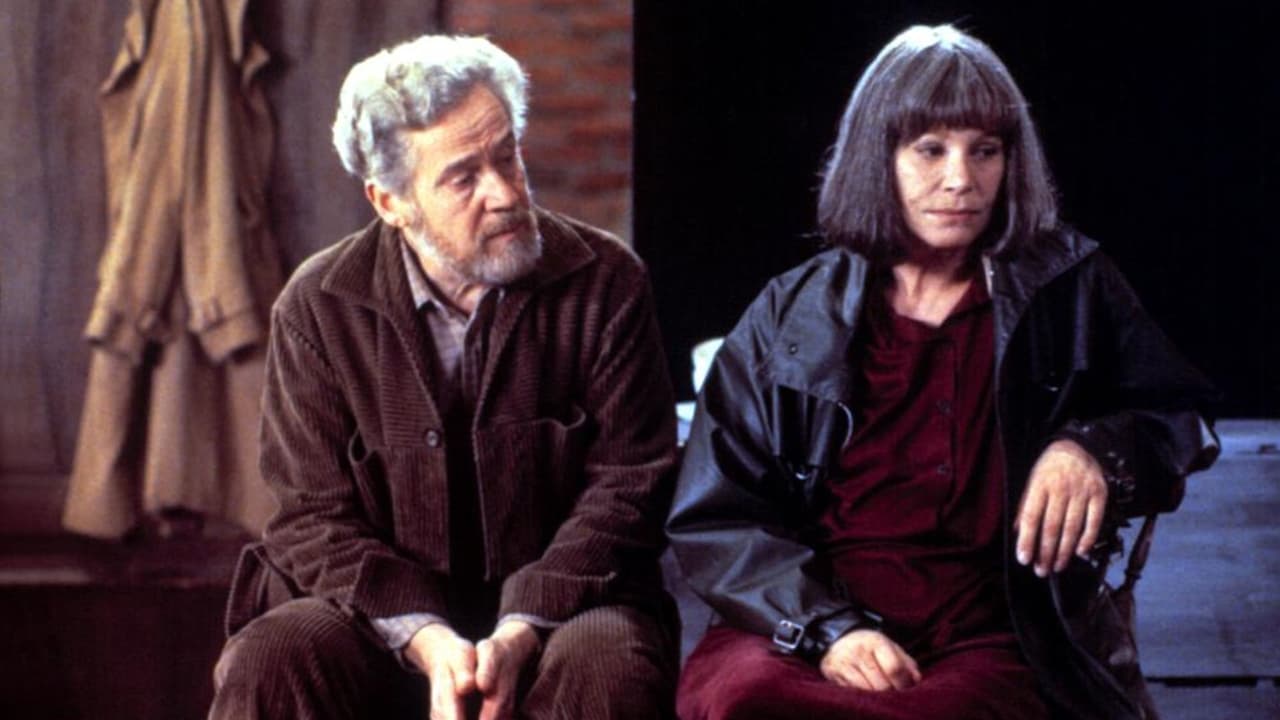
The setup is deceptively simple: Henrik Vogler (Erland Josephson) sits on the set of his current production, Strindberg's A Dream Play, after the day's rehearsal. He's visited first by Anna Egerman (Lena Olin), the passionate young actress playing the lead, and later by Rakel (Ingrid Thulin), an older, alcoholic actress who was once his star and lover, and also happens to be Anna's mother (now deceased). The physical space never changes, yet the emotional landscape shifts seismically. The theatre, usually a place of illusion, becomes a stark confessional, a crucible where memories bleed into the present, and the lines between performance, personal history, and psychological projection blur into near-invisibility. Bergman, returning to the themes that fueled so much of his work from Persona (1966) to Fanny and Alexander (1982), uses the stage itself as a metaphor for the contained, often cruel, dynamics of human relationships, particularly those forged in the intense heat of artistic collaboration.
A Triangle of Truth
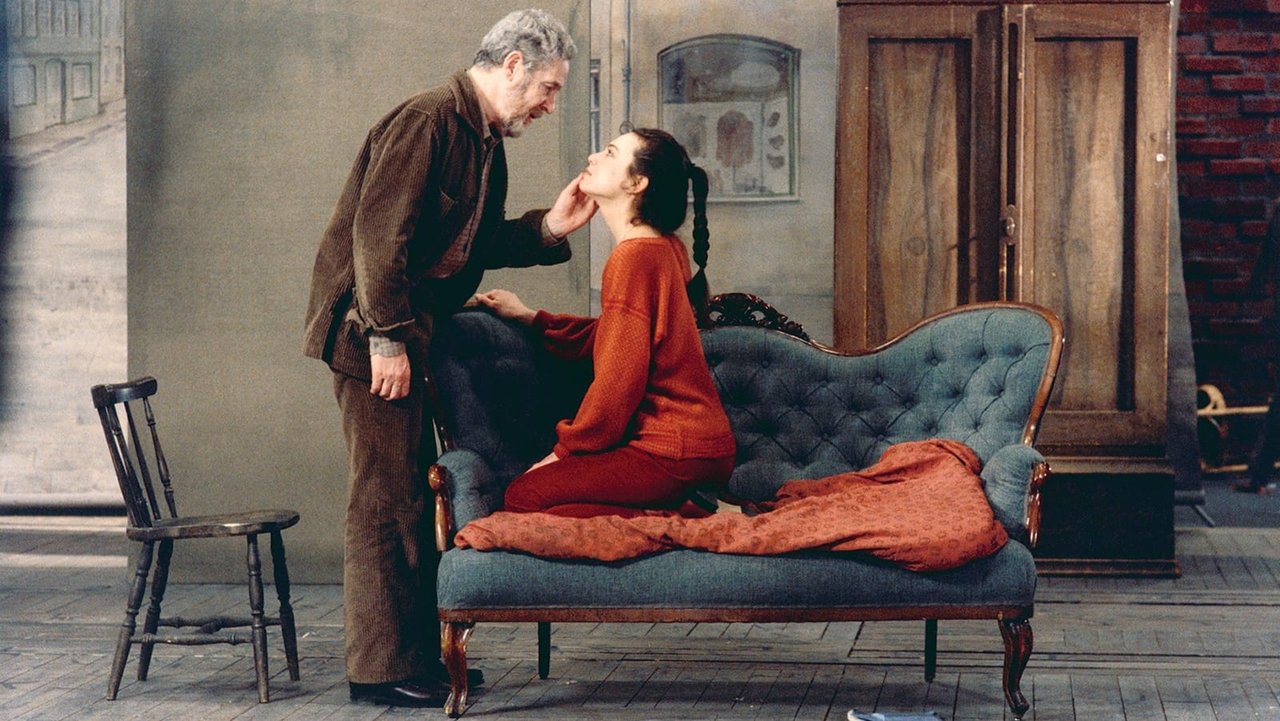
At the heart of After the Rehearsal are three extraordinary performances, each delivered with the kind of raw authenticity that feels less like acting and more like bearing witness. Erland Josephson, a frequent Bergman collaborator who carried the weight of Scenes from a Marriage (1973) so profoundly, embodies Henrik with a chilling precision. He’s a man who has structured his life meticulously around his art, deliberately walling off deep emotional connection, yet Josephson subtly reveals the cracks in this facade – the flicker of fear, the pang of regret, the intellectual vanity barely masking a deeper vulnerability.
Then there's Ingrid Thulin, another Bergman stalwart known for her indelible work in classics like Wild Strawberries (1957) and Cries and Whispers (1972). Her Rakel is a devastating portrait of talent ravaged by time, bitterness, and addiction. Thulin refuses easy sentimentality; Rakel is difficult, demanding, manipulative, yet imbued with a tragic grandeur. Her confrontation with Henrik is a masterclass in simmering resentment and painful intimacy, the history between them hanging heavy in the air.
And Lena Olin, in a role that announced her arrival as a major international talent (soon to be solidified in films like The Unbearable Lightness of Being (1988)), is simply magnetic as Anna. She possesses a vibrant, youthful energy that contrasts sharply with the weariness of the older characters, yet she’s no mere ingenue. Olin navigates Anna’s complex motivations – ambition, genuine affection, a shrewd understanding of Henrik's psychology, and the unsettling echo of her own mother – with astonishing depth. The dynamic between Henrik and Anna, shifting between mentor/protégé, potential lovers, and father/daughter figures, is the film's volatile core.
Bergman's Intimate Lens
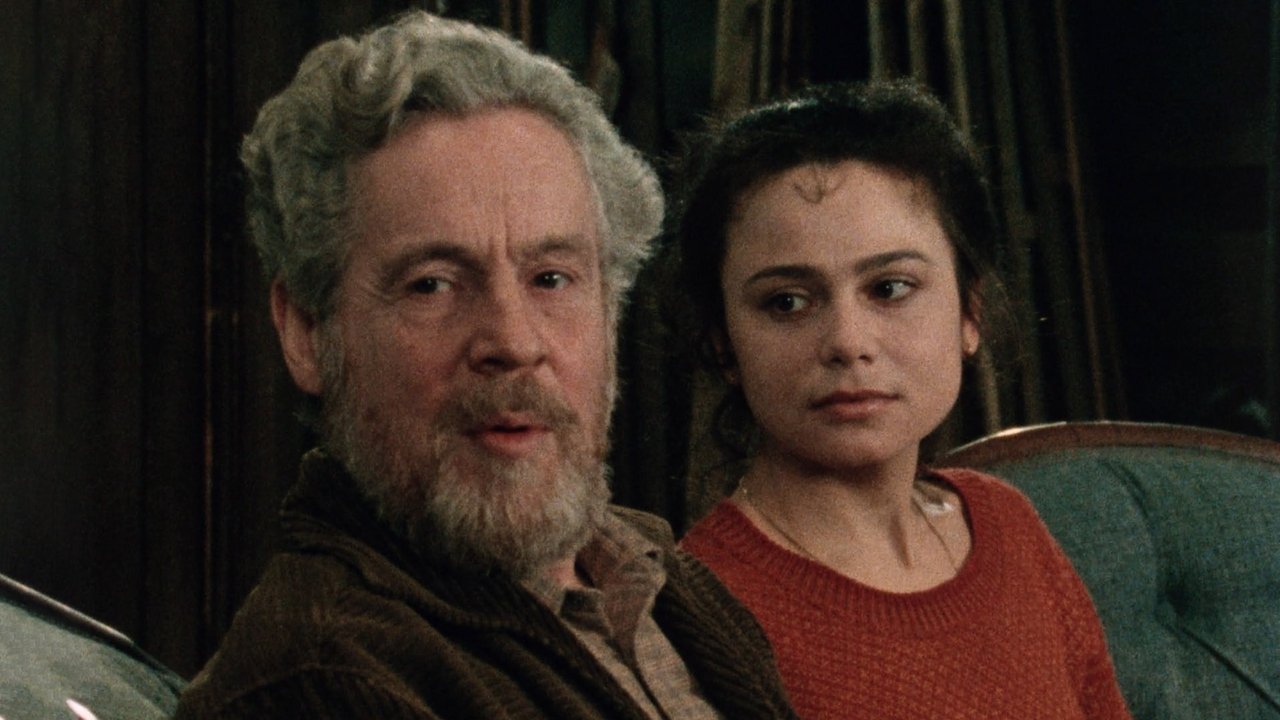
Filmed with his legendary cinematographer Sven Nykvist, the visual style is pure, late-period Bergman: intimate, focused, and reliant on the human face as its primary landscape. Originally produced for Swedish television – a fact that explains its contained scale and perhaps enhanced its power on the CRT screens where many first saw it – the film turns necessity into virtue. Shot economically (reportedly in just 11 days on a modest budget, a far cry from the scale of Fanny and Alexander just two years prior), the single setting forces an intense concentration. There are no distractions, only the relentless focus on the characters' psychological sparring. Bergman’s camera rarely looks away, capturing every subtle shift in expression, every charged silence. It’s a style that demands attention, rewarding the viewer who leans in, much like deciphering the nuances on a worn VHS tape in a quiet room.
Finding Depth in the Aisles
Let's be honest, After the Rehearsal wasn't the tape you grabbed for a Friday night pizza party. It wasn't the explosive action flick or the laugh-out-loud comedy. It was something else – the kind of film you might rent when you were looking for something thoughtful, something challenging. Maybe the stark, minimalist cover art caught your eye, or perhaps the name Bergman, synonymous with serious European cinema, piqued your curiosity. Finding this nestled between more conventional fare felt like discovering a hidden passage. There's a unique kind of nostalgia attached to encountering such profound, introspective work through the humble medium of VHS – the quiet whir of the tape deck serving as the only soundtrack besides the intense dialogue, the slightly fuzzy image somehow enhancing the dreamlike, memory-laden atmosphere. It demanded a different kind of viewing, a quiet focus that feels increasingly rare today.
Does the film's exploration of the artist's obsessive nature, the way life is cannibalized for the sake of creation, still resonate? Absolutely. It asks uncomfortable questions about ambition, exploitation, and the cyclical patterns of relationships, particularly within closed, intense environments like the theatre. What is the cost of dedicating oneself wholly to art? Can true intimacy survive such dedication?
Rating: 9/10
After the Rehearsal is a stunningly crafted piece of psychological theatre committed to film. Its power lies in its unflinching intimacy, Bergman's masterful direction, and three towering performances that lay bare the complex, often painful, intersection of memory, desire, and artistic creation. The confined setting and intense dialogue might not be for everyone, but for those willing to engage, it offers profound rewards. The near-perfect score reflects its artistic integrity and the sheer force of its performances, slightly tempered only by its demanding, potentially alienating intensity for some viewers accustomed to more conventional narrative structures.
It’s a film that doesn’t offer easy answers, leaving you instead with the haunting resonance of its questions, much like the lingering silence of an empty theatre long after the players have gone home.